part 2 of my quadcopter series is out: going from 2D to 3D.
we derive step-by-step the Euler-Newton equation of motions, quaternion derivatives, and a state-space model ready to simulate
more in thread 🧵
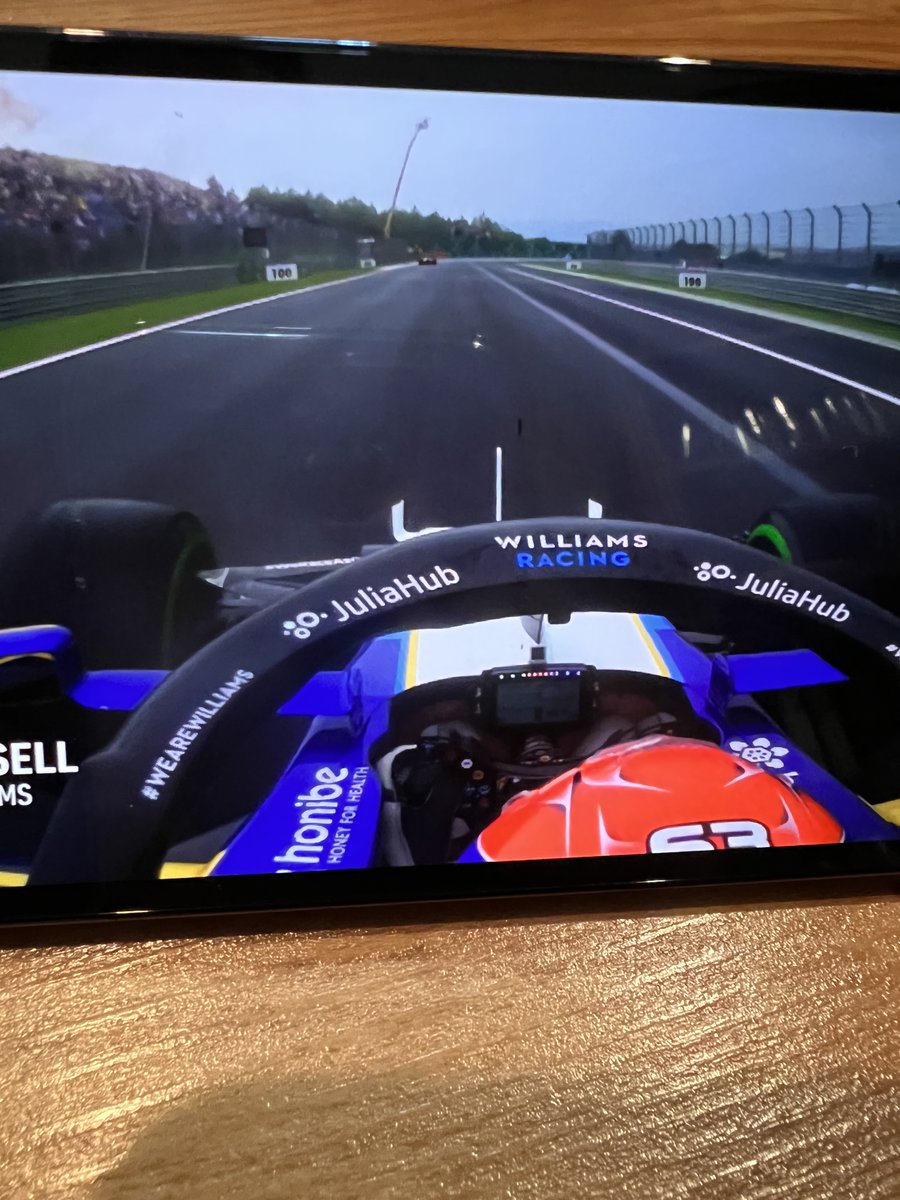
sneak peek of next blog post, finally multiple laps!
the quadcopter has 36 N / (0.78 kg * 9.81) = 4.7 thrust to weight ratio, higher than but comparable to Kaufmann et al's 4.1
life's easy since as we have perfect state estimation, but we'll switch to vision soon
part 2 of my quadcopter series is out: going from 2D to 3D.
we derive step-by-step the Euler-Newton equation of motions, quaternion derivatives, and a state-space model ready to simulate
more in thread 🧵
HN discussion https://t.co/nwsRDYq6bI
in the next post, I'll make an RL environment using this simulator (or an optimized Rust version 🤫) and use PPO to train a racing policy
sneak peek:
After a long break, I'm back to blogging. Working on RL for (aerial) robotics.
First post: simulating a 2D quadcopter from scratch (equations of motion, state-space form, Python). Building the foundation before adding control. 🧵
Congratulations to @nvidia for finally open sourcing their kernel drivers. Long time coming, but absolutely the right move. Looking forward to sending some PRs :).
New post post on "predictive sampling and graph traversals". The natural continuation of the last post on probabilistic programming languages.
https://t.co/NDSlWeZBlR
#python#probabilisticprogramming#MachineLearning
@dustinvtran@mcspeedrunning Apparently a rebuttal has been written https://t.co/kd8rcpRMqb
It criticizes the modeling and uses a Monte Carlo simulation for a better Bartering probability estimation