Greetings AXIONAUTS! 👋
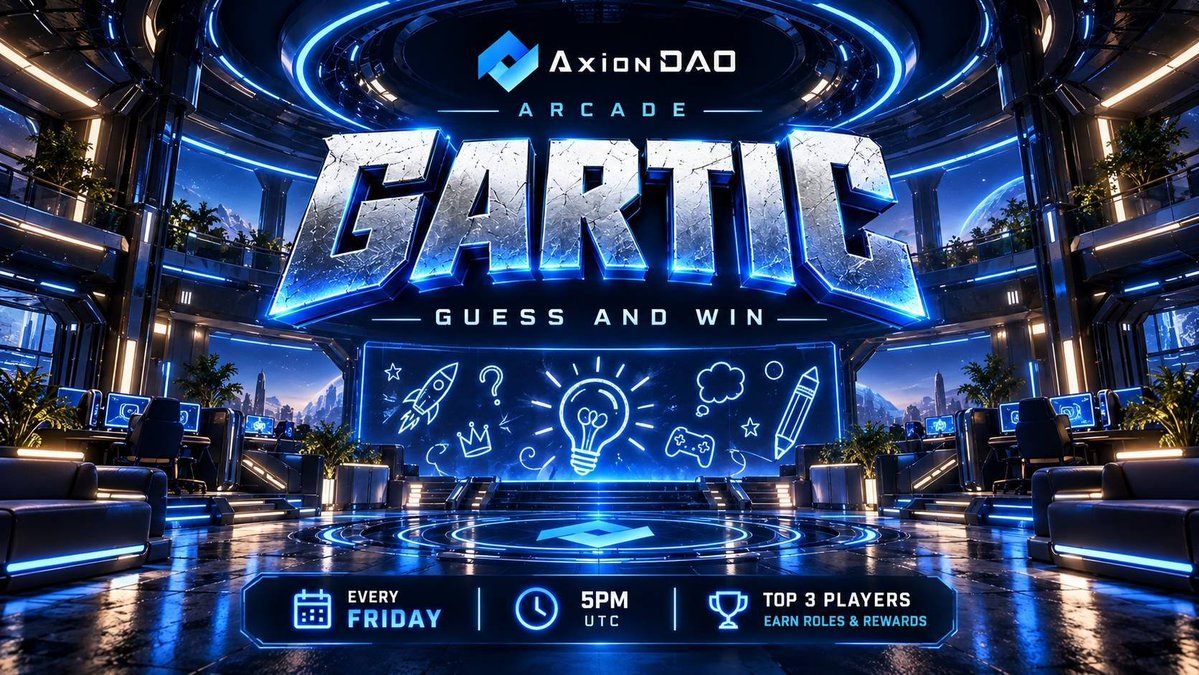
We’re hosting a General-themed Gartic session on Discord today at 5:00 p.m. UTC - don’t miss out!
Everyone on the leaderboard will win cash prizes and exclusive roles that boost your Engagement XP on Zealy.
Join us here 👇⏬⏬
https://t.co/swosnmPqYC
HOT TAKE: Celebrity tokens aren't automatically doomed to fail.
PrimeTime argues the problem isn't the concept. It's who's behind it:
“We just haven't seen enough examples of actual good actors doing this.”
Decentralization isn't just about distributing power.
It's also about defining how that power is exercised, challenged, and held accountable.
In a DAO, disagreements are inevitable.
The question is what happens when stakeholders disagree over governance decisions, the interpretation of rules, or how the organization should operate.
Without a clear dispute resolution process, disagreements can become power struggles. Minority voices can be overlooked, and governance decisions can lose the trust of the people they're meant to serve.
That's why good DAO governance needs more than voting mechanisms.
It needs internal resolution processes, mediation, arbitration, protections for minority stakeholders, and transparency around how decisions are made.
It also needs to distinguish between community advisory votes and legally binding decisions. They serve different purposes, and one shouldn't automatically override the other.
@axion_network's bylaws address these principles, establishing a framework for resolving disputes while protecting stakeholder rights and preserving legal obligations.
Because decentralization isn't the absence of rules.
It's the creation of systems that make power more accountable, decisions more transparent, and participation more meaningful.