I used to think small differences in trades didn’t matter much.
If everything went through, that was good enough.
But after seeing the same pattern over and over,
it started to feel like those “small differences” weren’t random.
Same setup.
Similar timing.
Yet slightly different results.
At first, I ignored it.
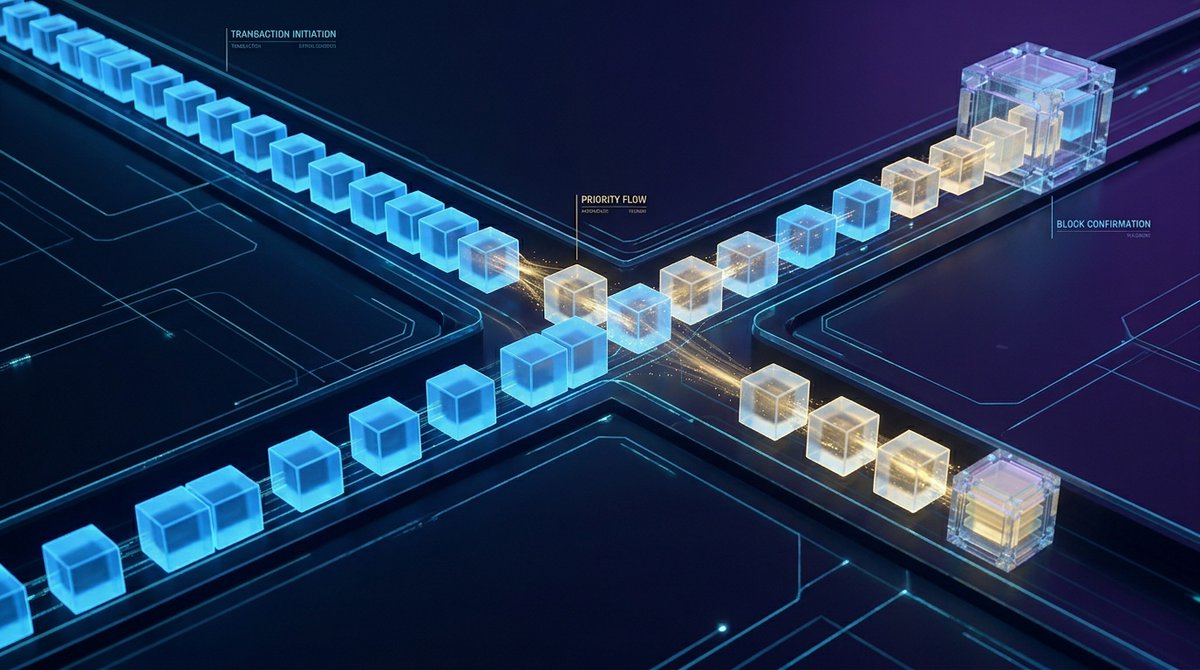
Then I started paying attention to what happens before confirmation.
There’s a short moment where transactions are still exposed,
and during that time, position can still change.
That small shift is enough.
If someone moves ahead of you there,
the outcome is already decided.
You won’t see it directly.
Your transaction still goes through.
That’s what makes it easy to underestimate.
But over time, those small differences add up.
Lately I’ve been thinking more about that part of execution.
Projects like @wallchain seem to be focused exactly there.
And once you see it,
you stop thinking in terms of single transactions.
You start thinking in terms of position.
Because in the end,
that’s what quietly decides who captures the value.
7,000명 됐어요❤️
처음 시작할 땐 이렇게 오래,
이렇게 많은 분들이랑 같이 있게 될 줄 몰랐는데
오늘 숫자 보니까 괜히 마음이 몽글몽글하네요.
늘 제 글 봐주시고,
말 걸어주시고,
같이 웃어주신 친구들 정말 고마워요.
저는 앞으로도 친구들 글 돌아다니면서
조용히 북마크 눌러두는
북마크 요정 계속 하겠습니다.
빠르게 달리는 타입은 못 되고
조금 느린 거북이처럼 천천히 가는 사람이지만...
여기서 만난 친구들이랑
오래오래 같이 있었으면 좋겠어요.
7K까지 같이 와줘서 진짜 고마워요 ❤️
앞으로도 잘 부탁해요 :)
그리고 약속했던 7K 이벤트!!
지난 8/19 루나의 이벤트 글에 댓글 달아준
친구들 중에서 행운의 7명을 뽑아서
각자 멋진 NFT로 만들어드릴게요.🎁
이번 주 중에 뽑기해서 알려드릴게요!
누가 될지 저도 궁금함ㅋㅋ
지금 이 트윗 본 사람 집중 🙋♀️
내 생애 첫 AI광고제 참여 제출완료🫶🏻
Google Vids랑 Kling AI로
뚱땅뚱땅 완성한
내 소중한 20초 무신사 광고...
제발 한 번만 봐줘요🙏😘
이불 속에서 즐기는 역대급 여름 쇼핑 축제 🧡
가장 나다운 여름을 플레이하는 법,
딱 20초 만에 보여드림.
0초부터 20초까지 싱크 맞추느라 영혼을 갈아 넣은 무진장 블프 AI 광고 구경하러 오세요🔥
#광고제참여 #무신사 #26여름무진장AI광고제
민생지원금 대상 확인하는 방법 (2026년 4월 최신)
“내가 받을 수 있나?”
→ 건강보험료 보면 끝
✔ 소득 하위 70% 기준
✔ 건보료 기준으로 선별
✔ 핵심 기준
→ 4인 가구 건보료 약 36만원 전후
= 이하면 받을 가능성 높음
✔ 확인 방법
→ 국민건강보험 앱 접속
→ 보험료 조회 → 최근 금액 확인
✔ 참고
→ 개인 기준이 아니라 “가구 기준”
→ 수급자·차상위는 우선 지급
❗ 아직 최종 확정 아님
→ 국회 통과 후 기준 확정
결론
건보료 낮으면 거의 대상
높으면 제외 가능성 있음
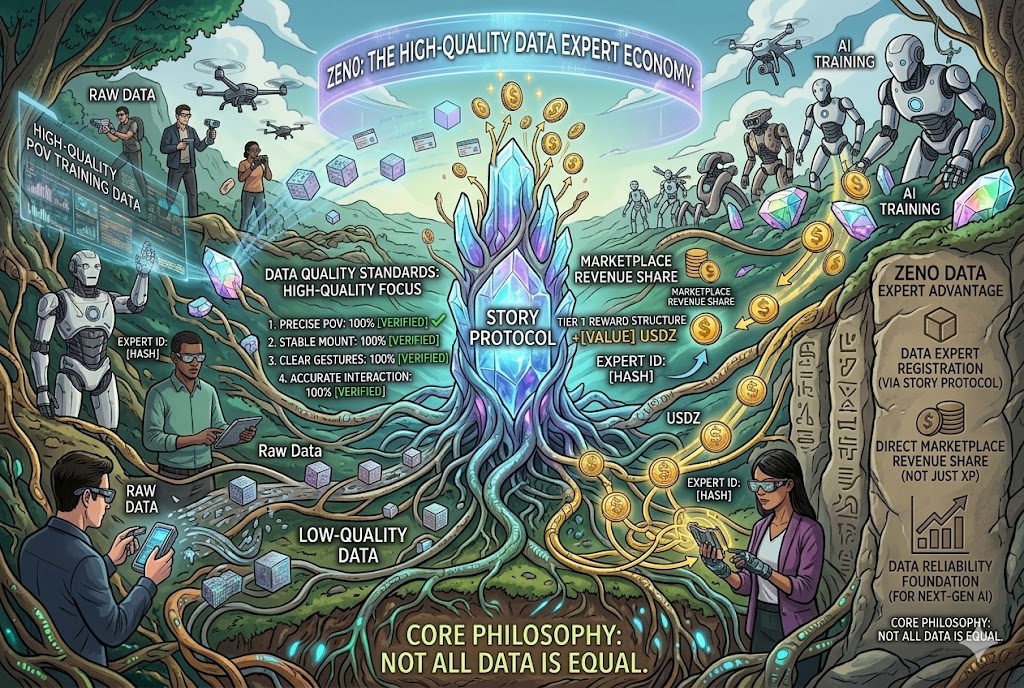
ZenO를 보면서 가장 인상적이었던 부분이 "모든 데이터가 같지 않다"는 철학이에요. @ZenO4AI 처음엔 "영상을 많이 올리면 보상을 많이 받는다"고 생각했는데, 실제로는 "고품질 데이터를 꾸준히 올리는 사람이 더 큰 가치를 만든다"는 거거든요. 이건 단순한 플랫폼이 아니라 "Physical AI 데이터의 질을 진지하게 생각하는 프로젝트"라는 뜻이에요.
왜 이게 중요한지 생각해보면 명확해요. 지금까지 데이터 수집 프로젝트들은 "양"을 중심으로 움직였어요. 많은 사람이 많은 영상을 올리면 된다는 거거든요. 하지만 ZenO는 "정확한 POV, 안정적인 마운팅, 명확한 손 움직임, 정확한 객체 상호작용"을 강조해요. 이건 "로봇이 실제로 학습할 수 있는 데이터"를 만든다는 뜻이거든요.
가장 흥미로운 건 Data Expert 역할 이에요. 고품질 데이터를 꾸준히 올리는 사람들에게 "Data Expert"라는 역할을 부여하고, 이들이 데이터 마켓플레이스에서 수익을 공유받는다는 거예요. 이건 "진지한 기여자를 보호한다"는 뜻이거든요. 대충 올린 영상과 정성스럽게 올린 영상이 다르게 평가받는다는 거거든요.
결국 ZenO의 전략이 명확해졌어요. 초기에는 "많은 사람의 참여"를 원했지만, 이제는 "소수의 고품질 기여자"를 중심으로 확대하고 있다는 거예요. 이건 "Physical AI 데이터의 신뢰성"을 최우선으로 생각한다는 뜻이거든요. 당신이 정성스럽게 촬영한 영상이 다음 세대 로봇을 만드는 기초가 된다는 거예요.
일요일이네요. 텀맥스 MP 포인트의 변동폭이 시간이
지날수록 점점 줄어드는 것 같네요.
오늘도 1포스팅과 출첵 그리고 구글폼 제출 가봅니다.
@TermMaxFi
많은 사람은
높은 APY를 찾는다.
하지만 중요한 건
지속 가능한 구조다.
높은 수익보다
오래 지속되는 구조.
텀맥스는 그 부분에 집중한다.
Selanet Agent Node v0.3.0 업데이트 의미 🔥
@SelanetAI
이제 단순히 노드 돌리는 걸 넘어 진짜 보상과 실전 활용 단계로 넘어갔어요.
v0.3.0의 핵심 의미를 살펴 볼게요.
계정 연결로 바로 SPWR 보상이 가능해요.
X, Google, YouTube는 각 100 SPWR,
Rednote는 500 SPWR이에요.
Xiaohongshu & LinkedIn는 각 2,000 SPWR (24시간 유지 시) 가능해요.
Referral 마일스톤 대폭 확대 되었어요.
친구 초대와 업타임, 태스크 달성하면 초대자와 친구 모두 SPWR 추가 지급되요 (최대 200 SPWR씩)
V1 노드는 완전 종료 되었어요.
이제 v0.3.0 (V3)만 지원되며 오래된 노드는 더 이상 보상 못 받으니 반드시 업그레이드 필수에요.
이번 업데이트는 “노드 그냥 켜두기”에서 계정 연결하고, 친구 데려오고, 오래 유지하면서 적극적으로 보상 받는 방향으로 크게 바뀐 버전이에요.
내 노드도 v0.3.0으로 업데이트하고 LinkedIn와 Xiaohongshu 연결했더니 보상이 커졌어요.
실제 쌓이는 포인트를 보니 Xiaohongshu만 연결이 잘 안는지 안 들어오고 다른거는 들어오네요.
그리고 예전에 쌓았던 포인트도 SPWR로 변환 되는지도 궁금하네요. 아직까지 변환은 안된거 같더라구요.
실제로 돈 버는 노드가 되어가는 중입니다.
아직 업데이트 안 하신 분들?
지금 바로 v0.3.0으로 업그레이드하고 계정 연결해서 SPWR 챙기세요!
다운로드: https://t.co/WXaZOlC7Hc
콘솔: https://t.co/CJEcQtQL2u
#Selanet #Selping #AIAgents #DePIN #AgentNode #v0.3.0 #SPWR #광고
나선은 한국 프로젝트이며 부산에서의 활동량이 많았던 정말 정감이 가는 프로젝트이다
부산에는 나도 살고있기에 더 정이 간다고해야할까
@Nasun_io
일단 나선의 한국스러움과 파도의 생태계
곧 있을 제네시스NFT에 주목을 해보려한다
Nasun은 단순히 하나의 프로젝트라기보다, 한국에서 출발한 실험적인 디지털 생태계에 가깝다. 최근 글로벌 크립토 시장에서 다양한 프로젝트들이 등장하고 있지만, Nasun은 그 흐름 속에서도 비교적 뚜렷한 색깔을 갖고 있다는 점이 인상적이다.
특히 한국 프로젝트라는 점은 단순한 지역적 의미를 넘어, 빠른 실행력과 커뮤니티 중심의 참여 구조를 동시에 보여준다는 데에서 의미가 있다.
한국 특유의 속도감 있는 트렌드 반영과 사용자 참여 문화가 결합되면서, 초기 단계임에도 불구하고 꽤 높은 밀도의 활동이 만들어지고 있다.
Nasun에서 가장 흥미로운 요소 중 하나는 ‘파도’라는 개념이다. 이건 단순한 이벤트나 마케팅 장치가 아니라, 실제로 사용자가 직접 참여하고 상호작용하는 구조에 가깝다. 일반적인 프로젝트들이 토큰이나 NFT를 발행하고 기다리는 방식이라면, Nasun은 파도를 통해 사용자에게 지속적인 행동을 유도한다. 예를 들어 일정 시간 동안 진행되는 테스트나 미션, 혹은 활동 기반 포인트 시스템은 단순 참여를 넘어 일종의 리듬처럼 작동한다. 사용자는 파도에 올라타듯이 자연스럽게 플랫폼을 사용하게 되고, 그 과정에서 포인트나 보상, 그리고 생태계 내 위치를 쌓아가게 된다. 이 구조는 단기적인 이벤트 소비가 아니라, 반복적인 참여를 통해 사용자 경험을 축적하게 만든다는 점에서 실사용에 가까운 형태라고 볼 수 있다.
이와 연결되는 핵심 자산이 바로 제네시스 패스다. 제네시스 패스는 단순한 NFT 이상의 의미를 갖는다. 흔히 말하는 ‘초기 접근권’이라는 개념을 넘어서, Nasun 생태계 안에서 하나의 신분증처럼 작동한다. 패스를 보유하고 있다는 것은 단순히 먼저 들어왔다는 의미가 아니라, 앞으로 열릴 다양한 기능과 서비스에 우선적으로 접근할 수 있는 권리를 의미한다. 실제로 초기 앱 접근, 포인트 획득 구조, 그리고 향후 확장될 유틸리티까지 고려하면, 제네시스 패스는 생태계 참여의 출발점이자 핵심 축이라고 볼 수 있다.
또한 제네시스 패스는 시간이 지날수록 가치가 누적되는 구조를 지향하고 있다는 점도 중요하다. 단발성 혜택으로 끝나는 것이 아니라, Nasun이 확장될수록 그 안에서 사용할 수 있는 권한과 영향력이 함께 커질 가능성이 있다. 이는 단순한 투자 관점이 아니라, 프로젝트에 얼마나 깊이 관여할 수 있는지를 결정짓는 요소이기도 하다.
Nasun은 한국 프로젝트라는 정체성을 기반으로, 파도라는 참여 구조와 제네시스 패스를 중심으로 한 권한 시스템을 결합해 하나의 흐름을 만들어가고 있다. 아직 초기 단계이지만, 단순히 보여주기식 기능이 아니라 실제 사용과 참여를 전제로 설계된 점에서 앞으로의 방향성이 꽤 기대되는 프로젝트라고 볼 수 있다.
정말 점점 기대가 되는 나선의 행보에 같이 알아가고 참여하고 응원해봅시다
즐거운 주말 화이팅입니다
민생지원금 대상 확인하는 방법 (2026년 4월 최신)
“내가 받을 수 있나?”
→ 건강보험료 보면 끝
✔ 소득 하위 70% 기준
✔ 건보료 기준으로 선별
✔ 핵심 기준
→ 4인 가구 건보료 약 36만원 전후
= 이하면 받을 가능성 높음
✔ 확인 방법
→ 국민건강보험 앱 접속
→ 보험료 조회 → 최근 금액 확인
✔ 참고
→ 개인 기준이 아니라 “가구 기준”
→ 수급자·차상위는 우선 지급
❗ 아직 최종 확정 아님
→ 국회 통과 후 기준 확정
결론
건보료 낮으면 거의 대상
높으면 제외 가능성 있음
I used to think small differences in trades didn’t matter much.
If everything went through, that was good enough.
But after seeing the same pattern over and over,
it started to feel like those “small differences” weren’t random.
Same setup.
Similar timing.
Yet slightly different results.
At first, I ignored it.
Then I started paying attention to what happens before confirmation.
There’s a short moment where transactions are still exposed,
and during that time, position can still change.
That small shift is enough.
If someone moves ahead of you there,
the outcome is already decided.
You won’t see it directly.
Your transaction still goes through.
That’s what makes it easy to underestimate.
But over time, those small differences add up.
Lately I’ve been thinking more about that part of execution.
Projects like @wallchain seem to be focused exactly there.
And once you see it,
you stop thinking in terms of single transactions.
You start thinking in terms of position.
Because in the end,
that’s what quietly decides who captures the value.
금요일 미국 주식시장은 휴장이었네요.
오늘 토요일인데 시간이 되신다면 벚꽃도 좀 보시고
즐거운 주말들 보내세요.
@TermMaxFi
만기가 있다는 건 돈에도 끝이 있다는 뜻이다.
시작만 있는 자금은 항상 불안하다.
언제 빼야 할지, 언제 멈춰야 할지
스스로 계속 판단해야 하기 때문이다.
하지만 끝이 정해지는 순간 자금은 계획이 된다.
언제 끝나는지 아는 투자와 언제 끝날지 모르는 투자는
완전히 다른 감정을 만든다.
하나는 계속 확인하게 만들고,
하나는 기다릴 수 있게 만든다.
시간을 구조 안에 넣는 순간 금융은 투기에서 벗어난다.
우연에 기대는 것이 아니라 설계된 흐름을 따라가게
되기 때문이다.
텀맥스는 디파이에 시간을 설계한다.
끝을 정함으로써 오히려 안정감을 만든다.
그리고 그 단순한 차이가 디파이를
조금 더 성숙한 금융으로 바꿔간다.
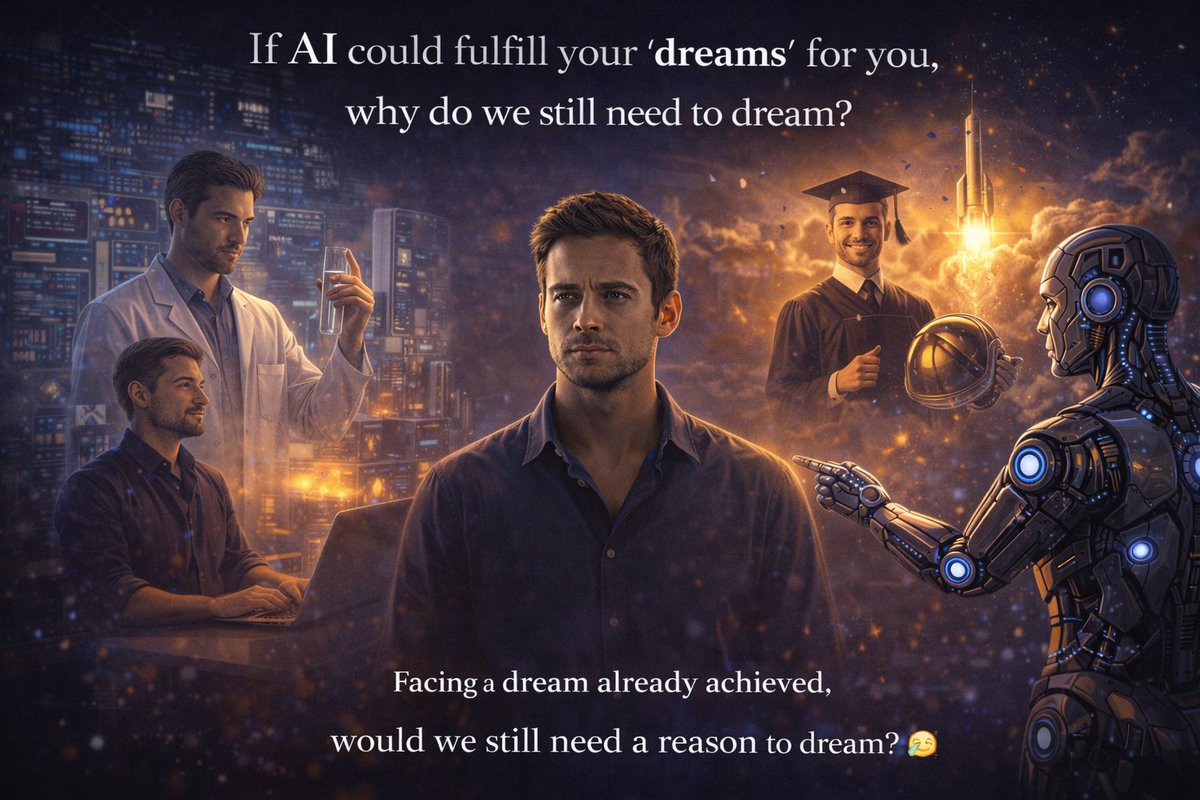
AI가 당신의 꿈까지 대신 이루어줄 수 있다면, 우리는 왜 꿈을 가져야 할까?
@SelanetAI
우리는 늘 꿈을 향해 살아가고 있습니다.
이루고 싶은 것, 되고 싶은 모습, 아직 도달하지 못한 미래.
그래서 노력을 하고 실패하고 다시 도전을 하고 있죠.
그 과정 자체가 우리를 성장시키고
삶에 의미를 만들어줍니다.
하지만 만약 AI가 있다면 이야기는 달라집니다.
이게 더 발전하면 AI는 우리의 꿈을
대신 이루어줄 수도 있습니다. 지금도 그러고 있고요.
우리가 노력하지 않아도 가장 빠르고 효율적인 방법으로 결과를 가져다줄 수 있습니다.
꿈은 결과일까, 아니면 과정일까?
만약 이루어진 꿈이 우리 앞에 있다면
우리는 여전히 꿈을 꿀 이유가 남아 있을까요?
나선의 생태계의 모든 인프라 젠솔과 파도와 바람의 업데이가 빠르게 진행되고 있습니다
같이 보실까여
@Nasun_io 생태계에서 젠솔, 파도, 바람은 각각 따로 떨어진 기능이라기보다 하나의 흐름 안에서 유기적으로 연결된 유틸리티 구조로 보는 게 맞다. 이 세 가지는 “참여 → 활동 → 확장”이라는 단계적인 구조를 만들면서, 사용자가 단순 체험을 넘어서 점점 더 깊게 생태계 안으로 들어오게 설계되어 있다.
먼저 파도(Pado)는 가장 기본적인 진입 유틸리티다. 누구나 쉽게 참여할 수 있는 구조를 통해 사용자 행동을 유도하고, 거래나 상호작용 같은 활동을 포인트로 전환하는 역할을 한다. 여기서 중요한 건 단순 클릭 이벤트가 아니라 실제 활동 데이터를 쌓는다는 점이다. 이 데이터는 이후 보상이나 에어드롭, 혹은 권한 구조로 이어지기 때문에 파도는 일종의 ‘활동 기반 가치 축적 레이어’라고 볼 수 있다.
그 다음으로 바람은 파도를 통해 만들어진 활동을 더 확장시키는 역할을 한다. 단순히 개인 단위에서 끝나는 것이 아니라, 커뮤니티 단위의 참여나 네트워크 효과를 만들어내는 구조에 가깝다. 사용자 간 상호작용이나 확산, 참여 유도 같은 요소들이 여기에 포함되면서, 생태계가 자연스럽게 성장하는 방향으로 작동한다. 즉, 바람은 개인의 행동을 집단의 흐름으로 연결시키는 유틸리티다.
젠솔은 이 모든 흐름 위에서 실제 기능과 가치가 구현되는 단계라고 볼 수 있다. 파도에서 쌓은 활동성과, 바람을 통해 형성된 네트워크가 젠솔에서 구체적인 서비스나 애플리케이션 형태로 나타나는 구조다. 여기서는 단순 참여가 아니라 실제 사용성, 즉 금융 기능이나 AI, 혹은 다양한 서비스가 연결되면서 실질적인 유틸리티가 완성된다. 사용자 입장에서는 이제 단순히 포인트를 쌓는 것이 아니라, 그동안의 활동이 실제 사용 기회나 수익 구조로 이어지는 경험을 하게 된다.
Nasun의 젠솔, 파도, 바람은 각각 따로 존재하는 기능이 아니라 하나의 설계된 흐름이다. 파도에서 참여를 만들고, 바람에서 확산시키며, 젠솔에서 그 가치를 현실적인 유틸리티로 전환하는 구조다. 이 구조가 잘 작동할수록 단순 이벤트 중심 프로젝트가 아니라, 실제로 돌아가는 하나의 생태계로 자리 잡을 가능성이 높아진다.