@egb84@ajansmuhbir1923 Gebermezsin diye başlayıp çocuk için kibarca öğretmenden nasıl rica edilir diye devam etmişsiniz tarzınız hoş değil öğretmene atılan bu mesajlardan 24 velinin de benzer şeyler talep ettiğini düşünün empati yapabilmek önemli
@egb84@ajansmuhbir1923 İşi çocuk aynen velilerin sabah 8 dek mesajla gelen makul olmayan talepleri değil bir de öğretmen gebermez yazmışsınız yanlışsa yanlış
@egb84@ajansmuhbir1923 Bireysel bakıyorsunuz Her gün farklı bir veliden benzer talepler geldiğinde o öğretmenin durumunu düşünmüyorsunuz 23-24 kişilik sınıfta tek bir öğretmen başaçıkamaz bu taleplerle
@KeremEnderi@karabenli27@jurnalhabertr Ona istinaden yazmadım bt anjiyo ile kimyasallar alınıyor gerek yoktu ultrason ile anlayabilirdi yazana yazdım bilgisi olmayana ama fikri çok şahsa
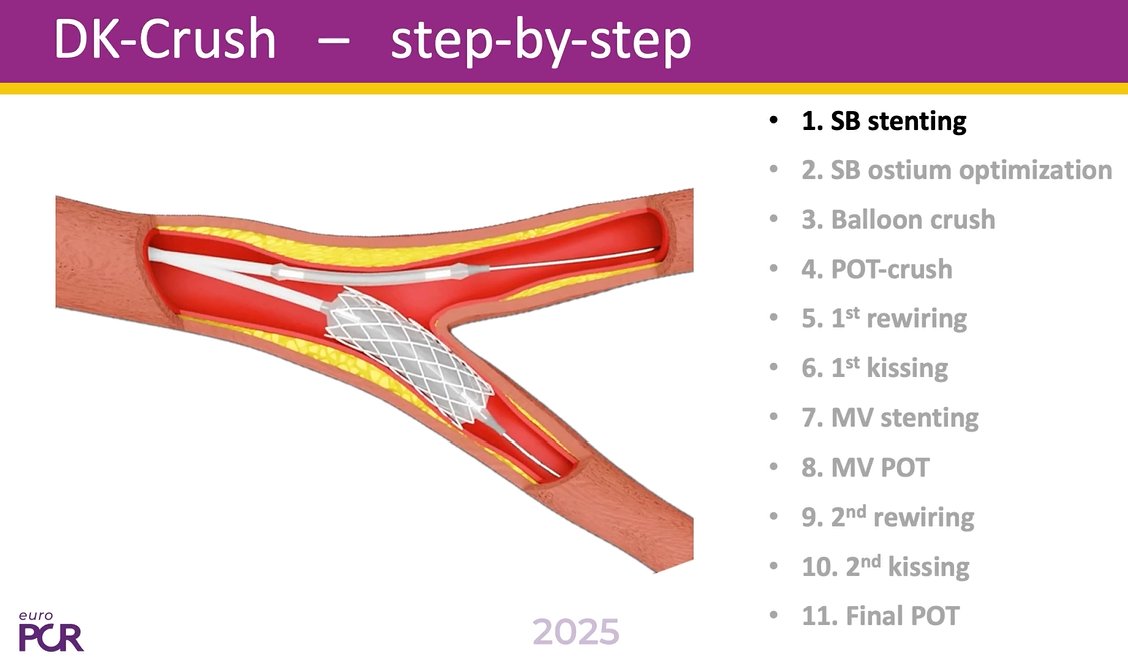
Main vessel stenting in DK-Crush: lessons from stepwise provisional strategy
Episode 3⃣ of this series on "How to perform DK-Crush for left main bifurcation stenting" is now online!
https://t.co/yufu0WQTP1
In this episode, learn about:
🟣Optimisation of side branch stenting
🟣How to optimally deploy the second stent
Includes an additional analysis by @GoranEBC & William Wijns.
@twj1974@NievesGonzalo1@BURZOTTA_F@M_Lesiak@gabor_gt@RhianEDavies1@esbrilakis@VisibleHeartLab
#interventionalcardiology #CardioEd #EuroPCR
The American Heart Association mourns the passing of the legendary cardiologist Eugene Braunwald, M.D., widely recognized as one of the most influential figures in the history of cardiovascular medicine. Over seven decades, his work reshaped the understanding and treatment of heart disease, leading many to call him the father of modern cardiology.
Braunwald was a lifelong contributor to the American Heart Association, helping advance its research and scientific mission, and was honored with some of the Association’s highest honors for his lasting influence on cardiovascular care and research. His influence extended well beyond his own discoveries, as generations of Association‑supported investigators, clinicians and academic leaders were trained by Braunwald or guided by the clinical trial standards and mentorship models he helped establish.
https://t.co/ieZuHYMyOP
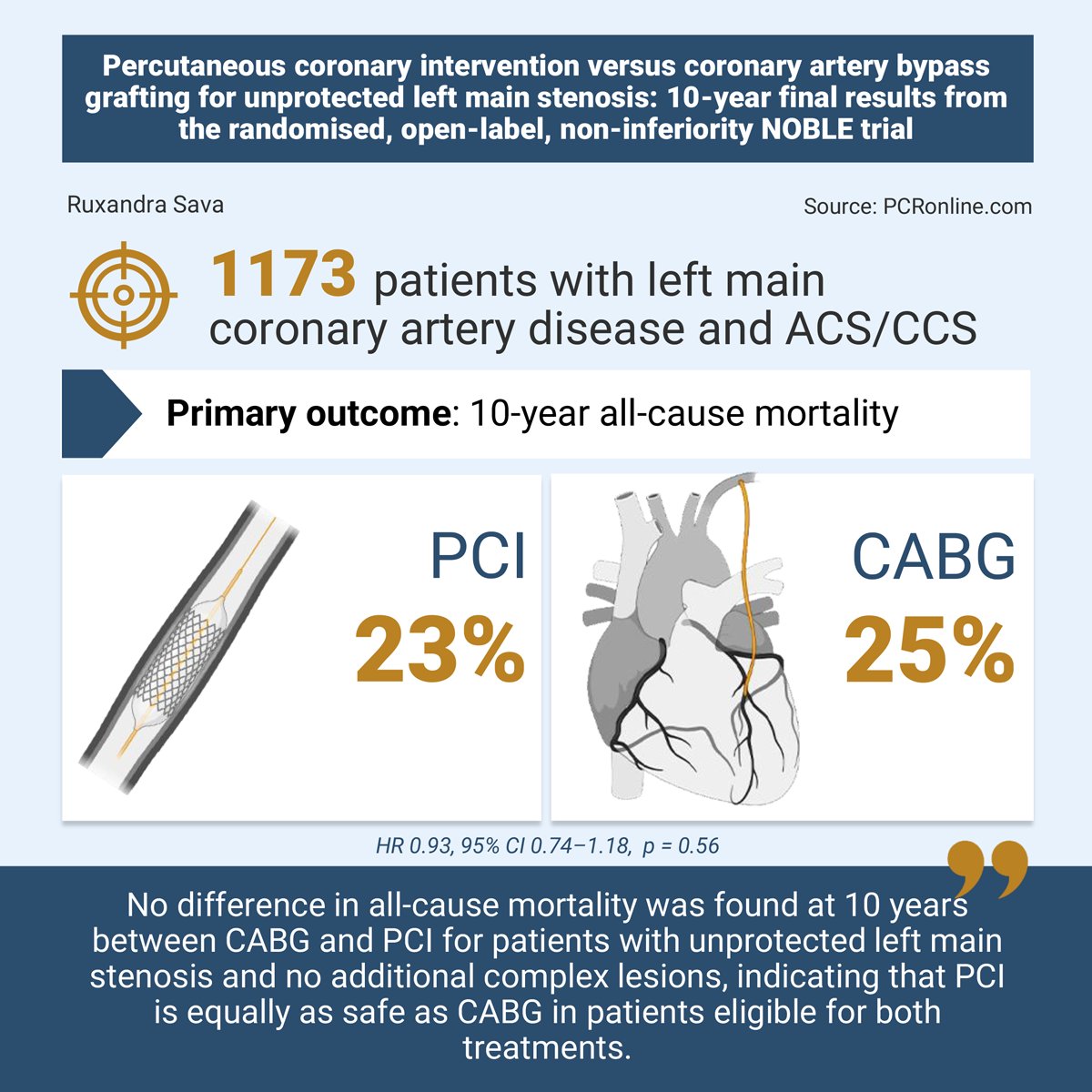
New Journal Club review: NOBLE 10-year outcomes of PCI vs CABG in left main disease
🔗https://t.co/BVu92fFLuv
Long-term evidence comparing PCI and CABG for unprotected left main coronary disease has been limited and sometimes conflicting. The 10-year results from the NOBLE trial now provide important clarity on all-cause mortality outcomes with both revascularisation strategies.
Read this review by @RuxSava
#interventionalcardiology #clinicaltrial #MedX
📢DK Crush like you’ve never seen it before!
Episode 1⃣ of this series on "How to perform DK-Crush for left main bifurcation stenting" now online
📺https://t.co/Y64RCYU1w3
In this episode, learn about:
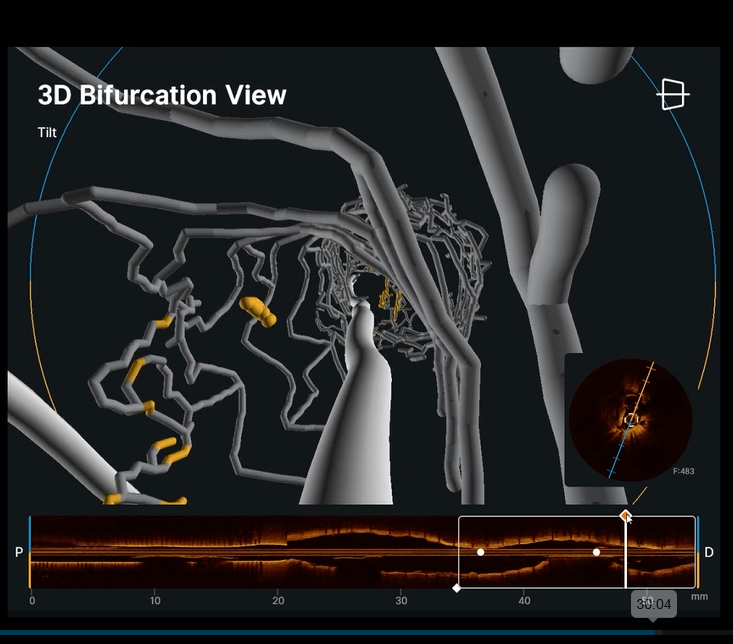
🟣Multi-modality simulation to unveil the hidden parts & small obstacles that can result in complications
🟣Angioscopy directly inside the coronary artery to provide a better understanding of 3D stent configuration
In-depth commentary and perspective and perspective provided by @GoranEBC & William Wijns.
@twj1974@NievesGonzalo1@BURZOTTA_F@M_Lesiak@gabor_gt@RhianEDavies1@esbrilakis@VisibleHeartLab
#interventionalcardiology #CardioEd #EuroPCR
@sheilanazarian 1 Samuel 15:3
"Now go and strike Amalek and devote to destruction all that they have. Do not spare them, but kill both man and woman, child and infant, ox and sheep, camel and donkey’ need to read more I think
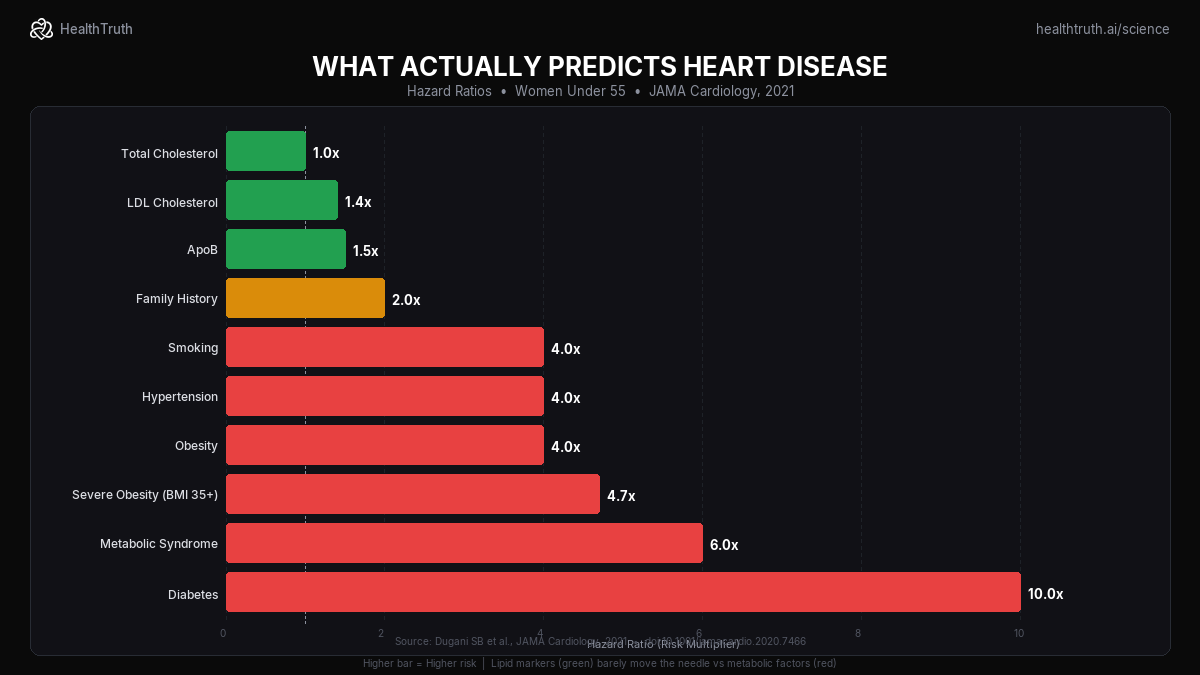
🧵 Your doctor obsesses over your LDL cholesterol.
Here's what JAMA Cardiology says actually predicts heart disease:
Diabetes → 10x risk
Metabolic syndrome → 6x risk
Severe obesity → 4.7x risk
Smoking → 4x
Hypertension → 4x
Now look at what your doctor is focused on:
LDL cholesterol → 1.4x
Total cholesterol → 1.0x
What is the impact of IVUS- vs angiography-guided complex high-risk PCI? @mmamas1973 and Roberto Diletti talk about the IVUS-CHIP trial during the recent #ACC2026 on this Beyond the Data. Watch the full video now: https://t.co/W6lwbm7RwG
The Impella CP percutaneous left ventricular assist device doesn't reduce major adverse events when used in the setting of high-risk PCI. In fact, it can cause more harm, with the risk of CV death significantly higher in the Impella group, based on the CHIP-BCIS3 trial. https://t.co/W7GZ4k6Z2y
@divaka_perera
#ACC2026