How do we guide others on their faith journeys? Forming disciples requires attention to the whole person. Join us to explore formative education in a theological context. https://t.co/h51dAlZbAF
Explore the imagery of Saint Mary Magdalene, both positive and negative, that have shaped our view of the Apostle to the Apostles. https://t.co/GTpAZm9ugw
An online program for supervision and ongoing formation for spiritual directors, offering the opportunity to further refine the skills to help others mine the riches of God's grace and explore the questions and challenges that arise in the spiritual life. https://t.co/tkR3m5jtmo
On the first anniversary of the birth into heaven of our dear #PopeFrancis, his words and actions remain written in our hearts. We carry on his legacy by always proclaiming the joy of the Gospel, announcing God’s mercy, and promoting fraternity among all men and women.
Pope Francis died a year ago today. I would like to share one memory, which I think reveals something of what made him such a holy man.
In May of 2024, after it was reported that Pope had made some negative remarks about gay priests and used an Italian slur (“frociaggine”) in a meeting with Italian bishops, there was a firestorm of reaction. Even I wondered: How could this be? We had had several conversations and notes back and forth about LGBTQ issues. It seemed so out of character.
A few weeks later I was scheduled to be in Rome after helping to arrange a papal audience for a group of professional comedians. The pope invited me to see him, along with two friends who served as translators. I asked a cardinal friend how I could possibly bring up something so difficult—the question of gay priests and his use of language. My friend said, “Just say, ‘Holy Father, these things have been much in the news. What thoughts do you have?’”
The very first thing Francis said, as if he had been waiting to say it, was that he knew many holy, faithful and celibate gay priests and seminarians. When I suggested that it might help to say so publicly, he said, “Oh, but I think I have. And in any event, you can say that!” I wanted to make sure I understood him, so said, “So you’re saying I can say that you know many holy, faithful and celibate gay priests and seminarians?” He shrugged his shoulders and said, “Of course. Because I do!” My friends also told him that he shouldn’t have used that slur. He nodded sadly, and said, “Yes, yes, you’re right.”
For the next hour or so, we discussed the word he used, before moving on to other more general topics: the U.S. church, the political scene, and so on. It was a relaxed and friendly conversation, but initially about a tough topic.
A few days later, I saw him at the comedians’ audience, when he gave a beautiful reflection on humor in the Sala Clementina. When everyone lined up to shake his hand, I lingered in the back, since I had just seen him. But then several Vatican officials said, “Father, go ahead!”
When I reached his chair, he laughed and said, “Ah, so now you’re a famous American comedian!” I laughed and started to move away, knowing he was probably busy and tired. But he pulled me back insistently.
Then the pope said, “Thank you for our meeting the other day. It was helpful for me. I really needed to hear that.” He smiled and then gave me a thumbs up. (Amazingly, a friend sent me video of this very interchange, linked here, where you can see what’s happening.)
I thought: Who does this? Who thanks someone for a difficult meeting? Who thanks someone for being challenged? The answer: a person who is open to the Holy Spirit. A person who is not afraid to listen. A person who is truly humble. Something like that doesn’t make you a holy person or a saint on its own, but it’s an important part of holiness. May this holy man rest in peace.
The Catholic University can form pioneers of a new humanism in the context of the digital revolution. This is a service to the truth and to all humanity. Without this demanding educational effort, passive adaptation to dominant paradigms will be mistaken for competence, and the loss of freedom for progress. #ApostolicJourney #Cameroon
Retiring Gracefully - An online course
https://t.co/nQS1noWvhy
Explore how God is present in the sometimes perplexing and uncertain process of retirement, from anticipation to realization of life after full-time employment.
The cross is part of the mission. The imperialist occupation of the world is disrupted from within; the violence that until now has been the law is unmasked. The poor, imprisoned, and rejected Messiah descends into the darkness of death, yet in so doing He brings a new creation to light. #HolyThursday
The wars that stain the present moment with blood are the fruit of the idolatry of power and money. Let us not grow accustomed to the clamor of weapons and images of war! #Peace is not merely a balance of power. It is the work of purified hearts, of those who see others as brothers and sisters to be protected, not enemies to be defeated. #ApostolicJourney https://t.co/WeRUclJHqq
This is our God: Jesus, King of Peace, who rejects war, whom no one can use to justify war. He does not listen to the prayers of those who wage war, but rejects them, saying: “Even though you make many prayers, I will not listen: your hands are full of blood” (Is 1:15).
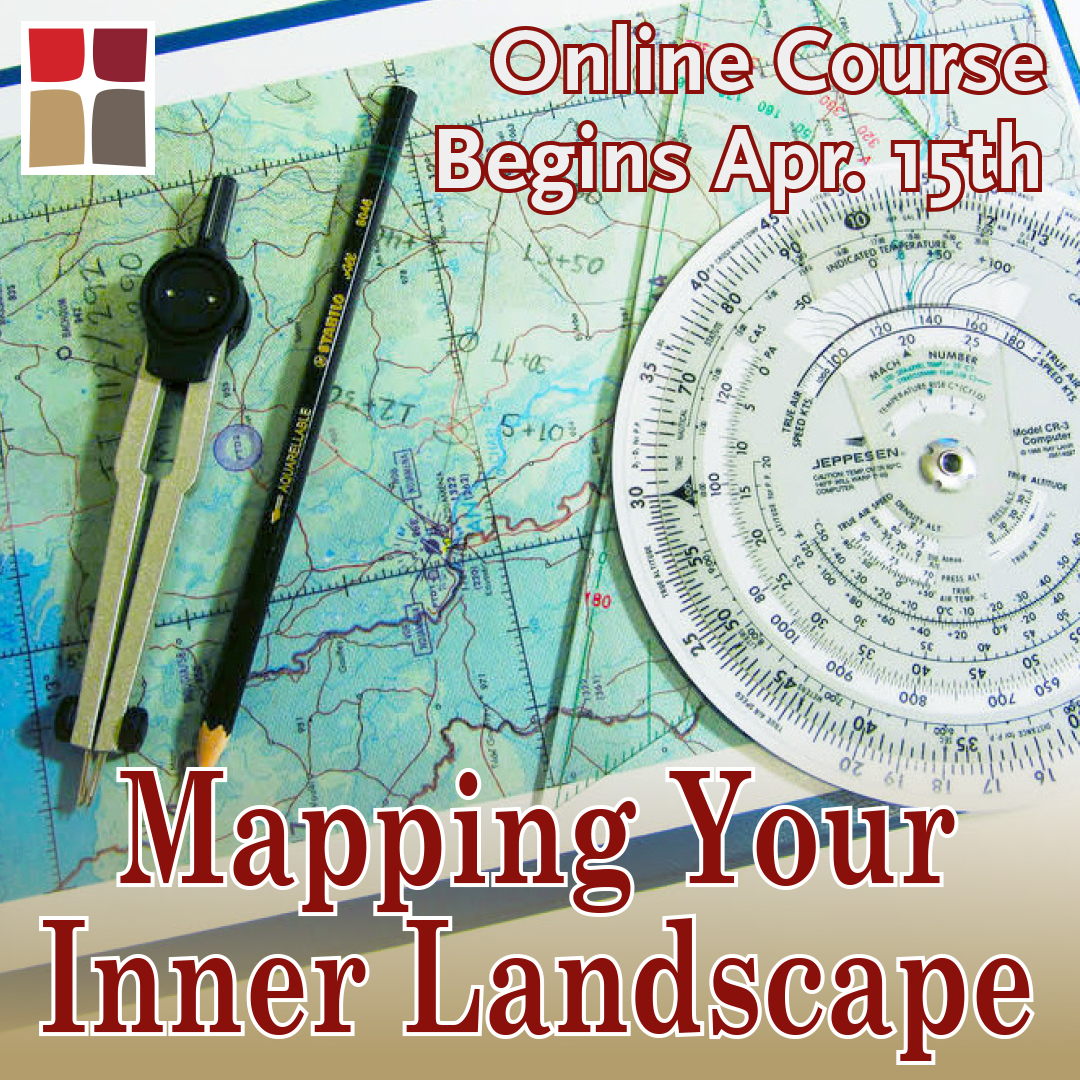
Join us as we discuss aspects of inner exploration: change as a dynamic of our lives; the quest for balance and solitude in a noisy demanding world; and the power of gratitude in motivating our spiritual growth. https://t.co/jz8qSl0TCg
Explore how God is present in your life and working in the sometimes perplexing and uncertain process of retirement, from anticipation to realization of life after full-time employment.
https://t.co/JT8DS1P7BO