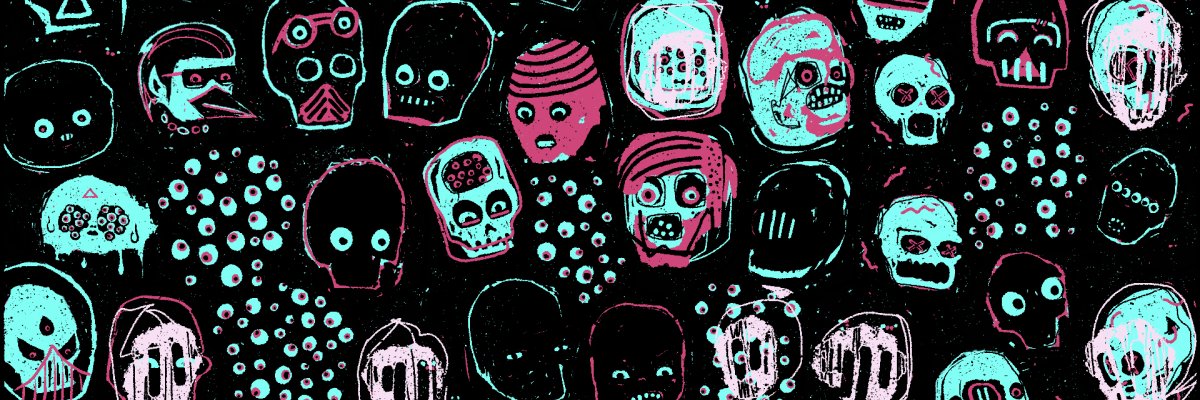
“THE DOOMED" is hitting the streets of Lisbon 🇵🇹
We commissioned @LoroMasnah to bring @XCOPYART's iconic piece to life as a live mural at @NFCsummit.
Painted in real time, on a real wall, for the culture.
@DGMD22 Gold ripped, Saylor in trouble, the og’s shilling ZEC, the digital art is on ETH … all the boomers going to sell the small allocation to add to equities, og’s continue to sell any uptick… the only bull case I see is Bessent buying it
⚡️The middle class is where the system hides its extraction because the middle class still believes obedience will be rewarded.
The poor are visibly dependent.
The rich are structurally insulated.
The middle class is trapped inside the moral contract of responsibility.
Work hard. Pay taxes. Buy insurance. Save for retirement. Don’t cheat. Don’t default. Don’t complain. Don’t take too much. Don’t fall behind. Keep your credit clean. Keep your kids on track. Keep your career moving. Keep the mortgage paid. Keep smiling.
Then the system taxes that obedience.
The middle class is easy to extract from because its income is visible, its behavior is predictable, and its fear of falling is powerful.
W-2 income can be captured before it ever reaches the bank account.
Property taxes attach to shelter. Healthcare attaches to employment. College aid disappears once income crosses thresholds. Tax credits phase out. Professional licensing, insurance, childcare, commuting, housing, and retirement all become toll booths.
The rich escape through structure.
The poor survive through assistance.
The middle pays retail.
That is why it feels like the most expensive place to live. It is the zone where you make enough to be denied help and not enough to buy freedom. You are too “successful” for sympathy and too exposed for security.
This is also why the middle-class anger is going to grow. These people are the stabilizing class. They follow rules, raise kids, pay bills, fund municipalities, staff companies, buy homes, carry insurance pools, and keep institutions functioning. When they start realizing the bargain no longer compounds, political trust breaks hard.
The deepest betrayal is that income stopped being the path to safety. Asset ownership became the path to safety. The middle class earns income to buy assets, but asset prices keep moving away because monetary policy, debt, housing restriction, financialization, and investor demand pushed the ladder higher. So the worker runs faster while the asset-owner floats.
That is the hidden class split.
The middle class is not poor enough to receive the system’s mercy and not rich enough to command its architecture. It is the payer class. The compliance class. The full-price class.
Bottom line:
The middle class is expensive because it is where responsibility gets monetized.
The system extracts most efficiently from people who still believe playing by the rules will save them.
"Ethereum is a Giver, not a Taker" is a brilliant thought.
I just think it leads to the opposite conclusion.
Crypto has become so used to extraction - high fees, high margins, rent-seeking, "value capture", number go up - that when something gives more than it takes we instinctively read it as weakness.
But maybe that’s exactly what makes Ethereum special.
Look at tokenized art as a tiny fractal of the Ethereum economy.
Ethereum gives artists and collectors the whole stack: issuance, provenance, settlement, custody, identity, global liquidity, composability etc.
And it charges almost nothing for it.
It already beats the IRL art market on almost every primitive: cost, speed, provenance, settlement, reach, custody and collector experience.
So what happens?
Artists price in ETH. Collectors think in ETH. Cultural value gets denominated in ETH. Communities form around ETH-native objects.
Art alone won’t reprice ETH. Of course not.
But art is a fractal. The same thing can happen across creators, DeFi, social, gaming, AI agents, stablecoins, RWAs and whatever else gets built here.
Ethereum gives first. Value comes back later.
Value comes back slowly - through people pricing things in ETH, using it as collateral, staking it, building on it and treating it as the base asset of the ecosystem.
The best monetary networks aren’t the ones that tax everything the hardest.
They’re the ones everything chooses to coordinate around because they give without extracting too much - and over time that compounds into trust, culture and value.
"Giver, not Taker" isn’t the bear case for ETH.
It is the reason Ethereum keeps becoming the place value returns to.
That is the longest game in crypto - and as a collector, the game I’m most interested in.