I plan on having students help create videos to show how science literacy can work together with other subjects to create a culture of literacy across the curriculum. #CFCultureofLiteracy@TessaBGarland
@VanniciaHooks@TessaBGarland I think it's a positive thing due to the fact that the specific assessment that was used provides specific and detailed data in order for learning plan customization.
Our school uses Lexile scores to give information about student reading levels. It is taken online and the teachers can use it to tailor lessons to the students. @TessaBGarland#CFQualityAssessments
In my Biology class last week, students used phonics to break down the word endosymbiotic into 3 parts so that they could determine the meaning of the word based off of the meaning of the 3 parts. @TessaBGarland#CFPhonics
@nicholecwalker_ @TessaBGarland That's a good way to make sure all of the bases are covered and the students are achieving a high level of comprehension. That way, they have a deeper level of understanding of the material.
@Terranc36108894@TessaBGarland Flocabulary is a great resource to get students interested in content. I think I'll try and use it in my curriculum as well.
In science, vocabulary is very important because it is required for increasing the depth of knowledge of a particular subject. In my class, we will start completing weekly vocabulary assignments to ensure the students are comprehending it. #CFVocabularyIdeas@TessaBGarland
@unclechrisbowen It is a great way to prepare for the milestones or EOCs. As long as the depth of the content is the same for the test, students should show improvement.
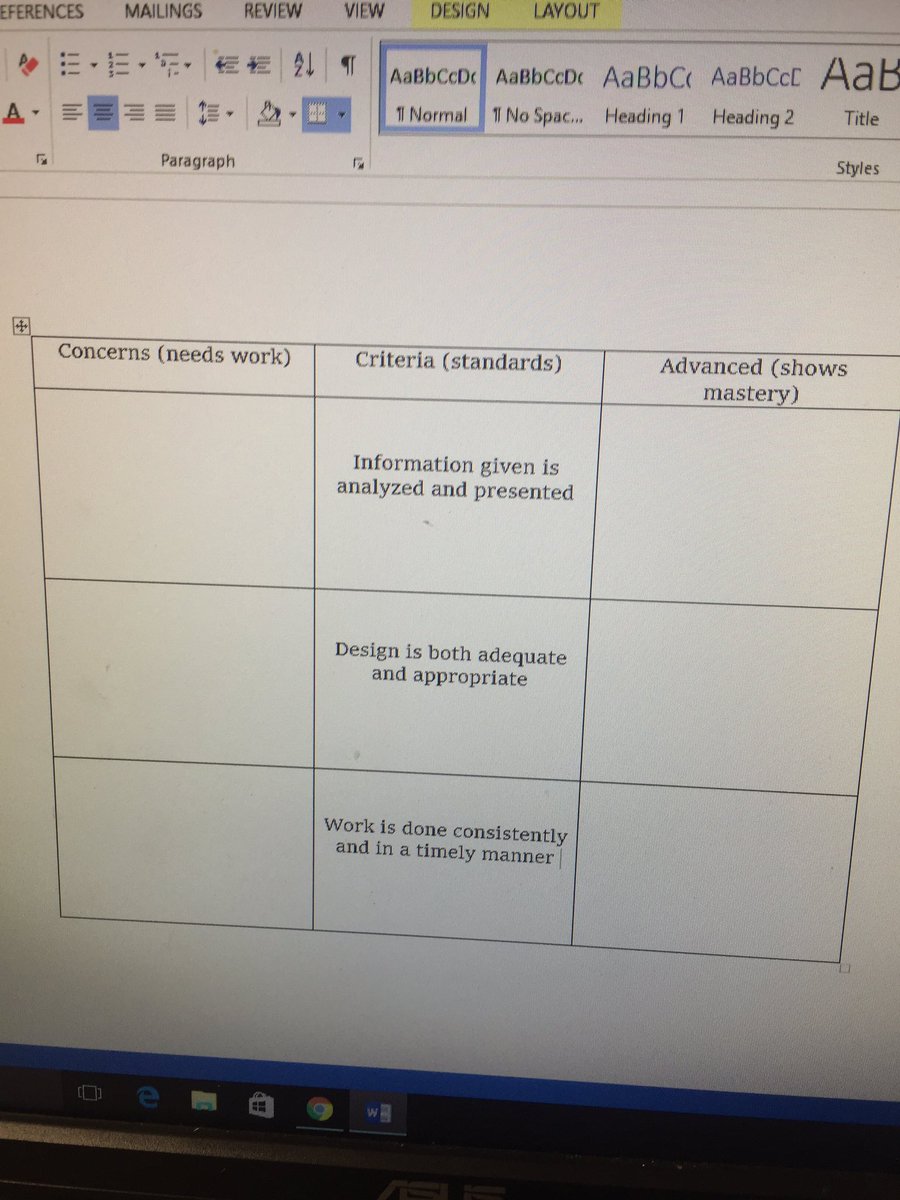
@fendley_laura@TessaBGarland This single point rubric does a great job of explaining the requirements. When it is clear what is expected, the students can turn in quality assignments.
@fendley_laura@TessaBGarland That would be a great tool to use for science classes. Students show mastery of content when they can draw conclusions from comparing and contrasting