Founder Chairman, AgaPuram Policy Research Centre (APRC), Former Consultant to Union Planning Commission, New Delhi; economist and public policy researcher
Before leaders shape institutions, ideas shape leaders.
Every policy framework reflects a way of understanding society. The best public leaders engage with multiple traditions of thought before forming their own.
This edition of Policy in Pages features:
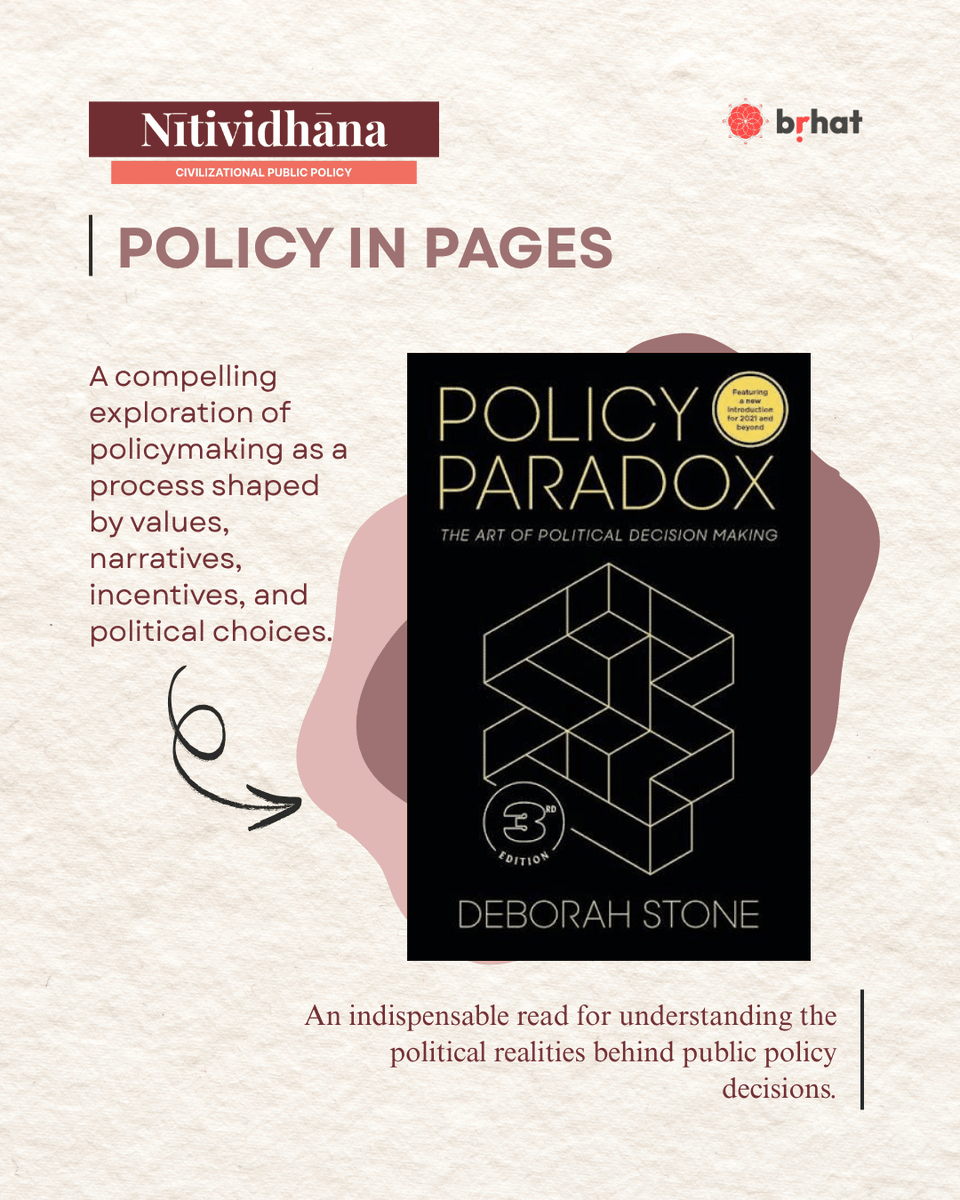
- Policy Paradox by Deborah Stone
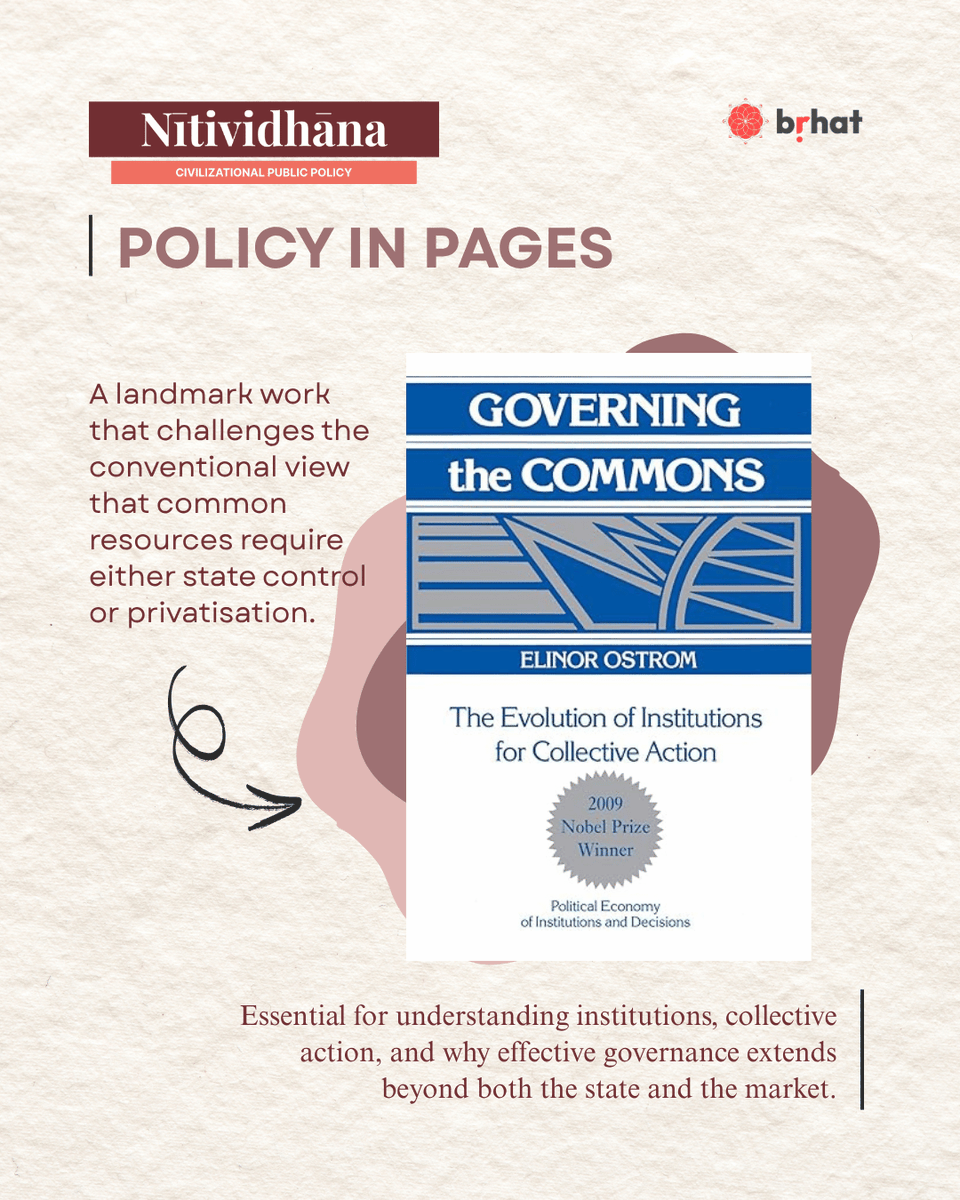
- Governing the Commons by Elinor Ostrom
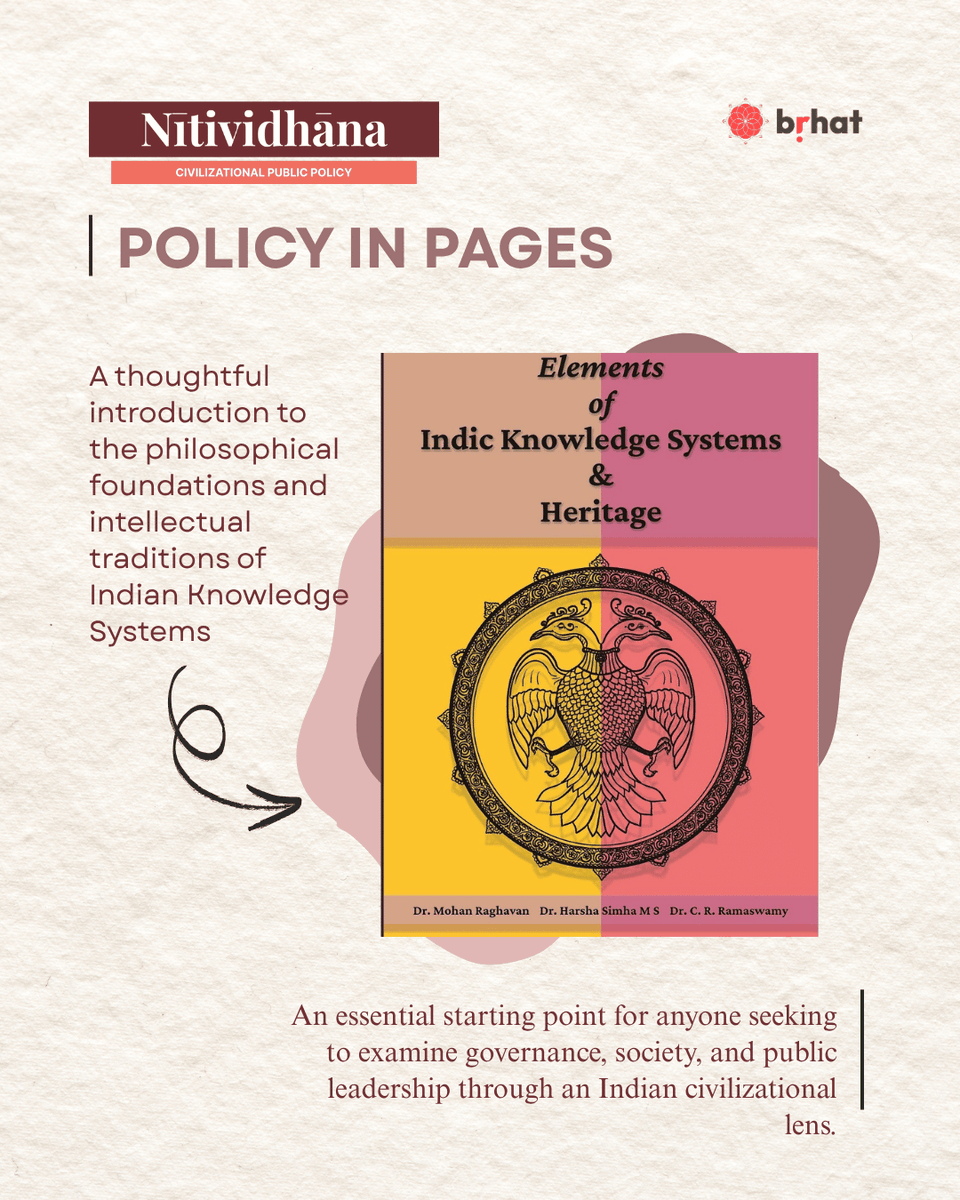
- Elements of Indian Knowledge Systems by Mohan Raghavan @MohanRaghavan8
Three books that will deepen your understanding of governance, institutions, and knowledge systems.
Comment 'BOOK' to receive our curated reading list, or explore more recommendations in Policy in Pages: https://t.co/pzF8vUfCyX
What book has shaped the way you think about governance? Tell us in the comments.
#publicpolicy #iks #policy #governance #leadership #statecraft #nitividhana #policyinpages
@sanjeevsanyal Getting implemented all these latest reforms at ground level in tier II and III is very important because still middle man and Consultants play major role to get claims
@HooverInst One of the most greatest living economists in the world of today. Still wonder how to understand his book of conflicts of knowledge and mostly recommended his basic Economics book
The Hoover Institution congratulates Senior Fellow Thomas Sowell on his 96th birthday, celebrating a lifetime of scholarship that has shaped economic thought and public policy for generations.
Learn more about his legacy: https://t.co/vD04aJeLnM
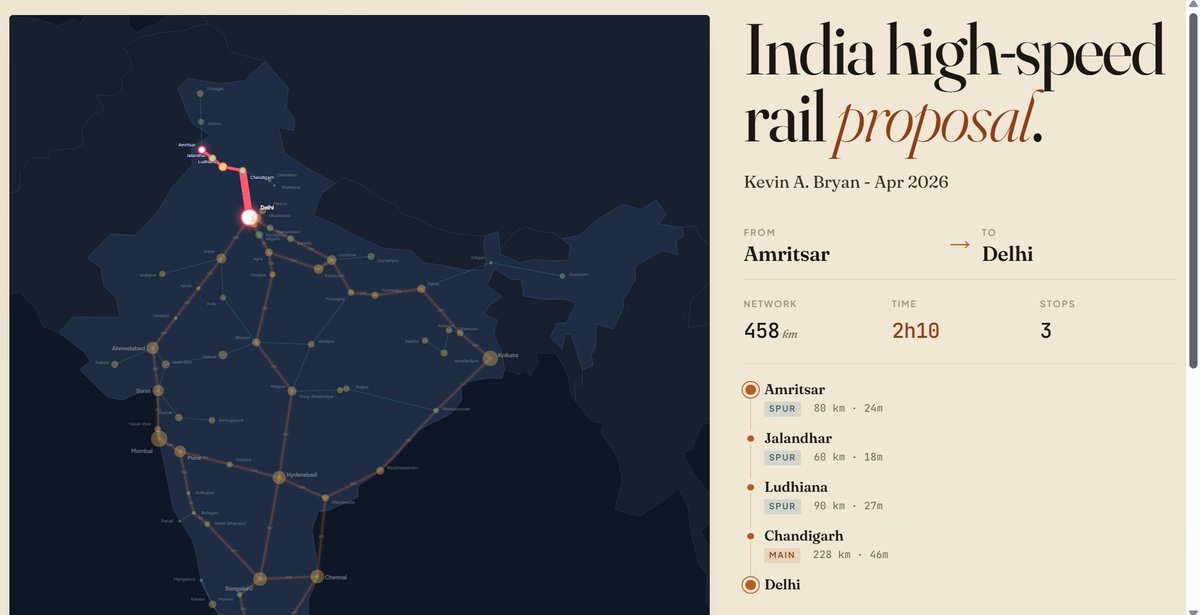
Friday fun: any higher-value infra project in the world than Indian HSR? Let's code it up, use AI to grab 60 biggest cities + distances, then Dijkstra's algo. Result: 1/3 the rail of China, and even at France/Spain speeds, all major cities connected at flight-competitive time 1/2
I lived in Beijing in 2011 when the Beijing-Shanghai bullet train opened, cutting a 10-hour trip to 4.5. That line delivered a solid 8% economic return.
This is more than what the Government of India can earn on standard public works, and more than what it borrows at. So, it makes total financial sense.
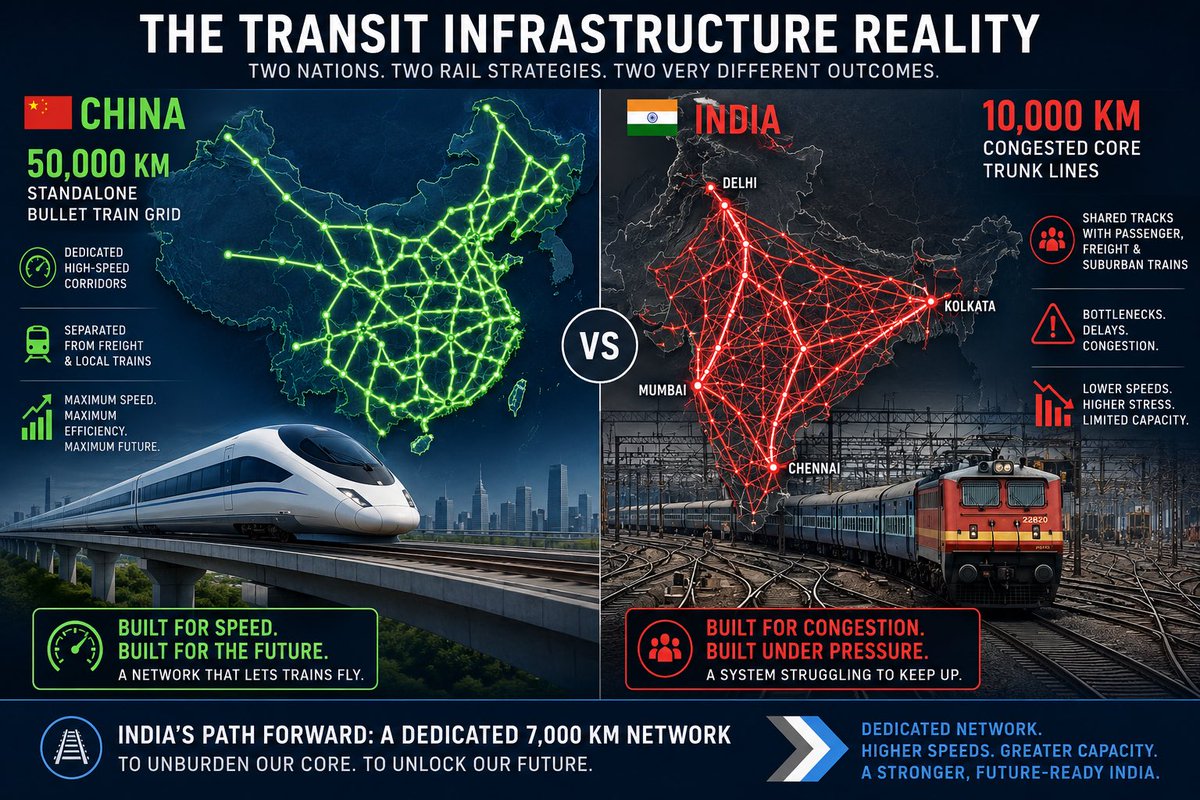
With China's standalone bullet train grid topping 50,000 km compared to India’s ~10,000 km of core congested passenger trunks, Railway Minister Ashwini Vaishnaw’s announcement of a planned 7,000 km network is exactly the scale we need.
The 7 newly approved corridors will systematically reshape our regional geography:
• Eastern: Delhi–Varanasi & Varanasi–Siliguri (via Patna)
• Southern: Chennai–Bengaluru, Hyderabad–Bengaluru & Hyderabad–Chennai
• Western: Pune–Hyderabad & Mumbai–Pune
Which new high-speed corridor will reshape economic productivity in your state?
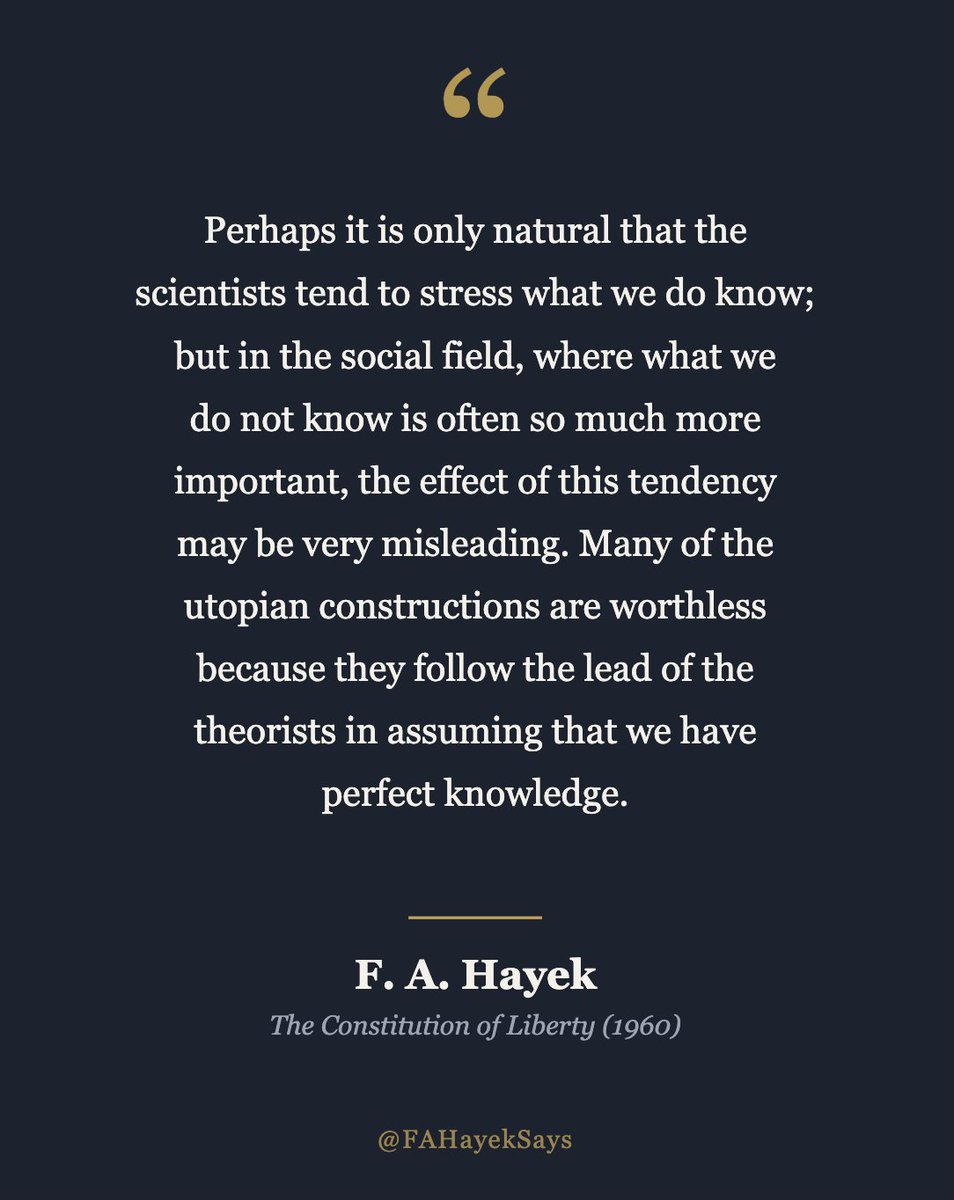
“Man has developed rules of conduct not because he knows but because he does not know what all the consequences of a particular action will be.”
— Friedrich Hayek
All those discussing ease of doing business in Delhi seminars/Try to set a small shop in a city like Chennai/Bangalore/Delhi etc without bribing netas&babus/For 30 yrs hve given my students as a project &none succeeded/passed the course due to methodoligy etc:))RT @thekiranbedi
DMK Joker Ecosystem
It is a known fact that the DMK Government was corrupt to the core. When you mention this, the ecosystem wants proof. Proofs are to be provided by the law & order entities. An individual who is part of a specific slice of life knows by direct experience how much was demanded and how much was paid, or not paid.
I am a Tamil book publisher for the last 22 years. We have not paid any bribe (under any Govt - AIADMK or DMK). We do not care about library order. We apply for all our books and routinely get some order. I have no complaints. At the same time, I see people in the system pay a hefty bribe and get a very large order and fulfill the same order by just printing Ponniyin Selvan again and again! Ask any library user and they will tell you how bad the procurement system is.
The school education system under DMK was horribly corrupt. It required a solid sum of money as bribe for getting recognition (certificate of recognition). A relatively smaller amount for upgradation (from 8th to 10th, from 10th to 12th) as well as renewal of recognition which happens every three years.
Sridhar Vembu @svembu wrote that his own school which offers free education was asked a bribe during DMK but the approval came through under TVK without any such demand. Some wrote back saying the school was already running, and why it needed approval now. They have no clue how schools function.
You have to build a school (physical infrastructure) by first getting permission. Then you need to get Certificate of Recognition from the School Education Department. This recognition is for a period usually of three years. Then this will be renewed every three years.
A school may run without recognition but will have to send its students through another recognized school for appearing in 10th & 12th public exams.
One can run a 'school like' structure, train students and make them appear for 10th/12th under NIOS (National Institute of Open Schooling) which is a central government entity.
Many would prefer either a state government recognition or CBSE recognition. In case of CBSE recognition, one needs to get state school education ministry's No Objection Certificate (NOC). This also required a hefty bribe under DMK.
So three DMK bribe collection points were as follows:
1. Giving recognition to a state board school (first time)
2. Renewing recognition every three years
3. You want to escape the clutches of this bribe system by moving to CBSE - then a one-time bribe demand for NOC
Learn from your friends who are running private schools, both Samacheer and CBSE and they will tell you how the system works.
Both AIADMK and DMK are guilty of this.
The TVK Govt. has changed this completely. At least as of now. I hope their transparent honest system will continue for the rest of their term.
Just like "pursuit of" happiness follows life and liberty instead of just happiness, the pursuit of Ease of Living needs the contribution of every Indian.
2003, Bangalore: IIM interview group discussion. Topic — India & Southeast Asia. 9 out of 10 pushed defence cooperation. I said the future is trade — sign an FTA with ASEAN.
Seven years later, Dr Manmohan Singh did exactly that. It became one of India’s largest economic mistakes.
US Trade Representative Jamieson Greer has landed in Delhi. Headlines will scream tariff cuts, but from my experience the real killers of Indian exports are non-tariff barriers, standards and behind-the-border rules.
My article in The Hindu explains why these silent killers matter more than tariffs — and how India is finally learning from past FTAs with ASEAN, Japan and Korea.
An interim deal may be close or not, but will it deliver real market access?
https://t.co/XAp2AWDrZW
What’s the biggest non-tariff headache you’ve faced in exports?"
ரிபப்ளிக் தொலைக்காட்சி நிகழ்ச்சியில் ஸ்ரீதர் வேம்பு பற்றி பேசிய மோடி :-
"ஸ்ரீதர் வேம்பு அவர்கள் இங்கே அமர்ந்திருக்கிறார். நமது தொழில்முனைவோர் 'தேசம் முதலில்' என்ற சிந்தனையோடு செயல்பட்டு, நாட்டின் தேவைகளைப் புரிந்து தங்களின் இலக்குகளை நிர்ணயிக்கும் போது, நிறுவனங்கள் கட்டமைக்கப்படுகின்றன, நாடும் வளம் பெறுகிறது. ஸ்ரீதர் வேம்பு என்ன சாதித்திருக்கிறார்?
நான் சமீபத்தில் பிரான்சில் உள்ள 'விவாடெக்' மாநாட்டிற்குச் சென்றிருந்தேன். அங்கு சுமார் 1.5 முதல் 2 லட்சம் இளைஞர்கள் கூடியிருந்திருப்பார்கள். பிரெஞ்சு அதிபரும் நானும், இந்த இளம் கண்டுபிடிப்பாளர்களின் சாதனைகளைப் பார்ப்பதற்காகப் பல்வேறு அரங்குகளுக்குச் சென்று கொண்டிருந்தோம். அப்போது நாங்கள் 'ஜோஹோ' அரங்கிற்குச் சென்றோம்.
அங்கு கூடியிருந்த ஐரோப்பிய இளைஞர்களின் கூட்டத்தைப் பார்த்து நான் வியப்படைந்தேன், பெருமிதமும் கொண்டேன். இந்த புதிய உலகளாவிய அதிசயத்தைப் புரிந்துகொள்ள அவர்கள் மிகுந்த ஆர்வத்துடன் இருந்தனர். ஒருவேளை, பிரான்சில் நான் நேரில் கண்ட அளவிற்கு, இந்தியாவில் இதைப்பற்றி அந்தளவுக்கு விவாதிக்கப்படவில்லை என்று நினைக்கிறேன்..."
@svembu தமிழகத்தில் பிறந்தது தான் அவருக்கு பின்னடைவு.. 🙏
“We want to make use of knowledge possessed by millions of individual people, which they can only use if they are fed signals about the general situation. You can’t possibly concentrate this knowledge.”
— Friedrich Hayek
PM Modi has exposed the real blockers: the endless ‘or’ mindset that pits growth against welfare.
Activists were quick to ask ‘Where is the bullet train?’ but were also hell-bent on delaying it over imagined mangrove impacts. He turned the conversation on its head — moving ahead with the project while protecting mangroves through redesign and compensatory planting.
This is the real ‘and’: Not data or atta, but data and atta. Addressing supply-side constraints with brutal truth and clarity.
Hayek on why politicians love Keynesian economics:
“Politicians love the argument that if you outspend your income and run a deficit, you’re doing good to the people in general.”
“They don’t want to hear anything more than to be told that irresponsible spending is beneficial.”
Hayek: “The Socratic maxim that the recognition of our ignorance is the beginning of wisdom has profound significance for our understanding of society.
The first requisite for this is that we become aware of men’s necessary ignorance of much that helps him to achieve his aims.”
Wrote in today’s The Economic Times on the two decade old absurdity in Environmental Regulation and how it is making your homes costlier.
Regulation must update else risks becoming a millstone around people’s neck.