Many people use the phrase “The Black Holocaust” to describe the centuries of enslavement, racial terror and systemic oppression experienced by people of African descent. While the term is not universally used by historians because “Holocaust” most commonly refers to the genocide of six million Jews during World War II, those who use it believe it reflects the enormous scale of suffering, loss of life and dehumanization endured by millions of Africans and their descendants across generations.
The history often begins in 1619, when the first recorded Africans arrived in the English colony of Virginia. Over the next 246 years, slavery became one of the foundations of the American economy. Millions of Africans were forced across the Atlantic through the transatlantic slave trade, separated from their families, stripped of their identities and subjected to generations of forced labor. Their work helped build industries, cities and wealth while they themselves were denied even the most basic human rights.
The abolition of slavery in 1865 marked a major turning point, but it did not end racial inequality. Across much of the United States, Jim Crow laws enforced segregation for decades, creating separate schools, neighborhoods, transportation and public facilities while restricting voting rights and economic opportunities for Black Americans.
This period was also marked by racial terror. Thousands of Black men, women and children were lynched between the late nineteenth and mid twentieth centuries. These murders were often carried out publicly to intimidate entire communities and maintain white supremacy. Today, memorials and historical research continue to document these victims so their stories are never forgotten.
The Civil Rights Movement challenged this system through peaceful protest, legal action and grassroots organizing. Courageous individuals and communities fought for equal rights, leading to historic legislation such as the Civil Rights Act of 1964 and the Voting Rights Act of 1965. These victories transformed American society, but they came after generations of sacrifice and resilience.
If you love our content and would like to support the page, you can buy us a coffee here: https://t.co/K1AhtZuOFs or tap Link in Bio
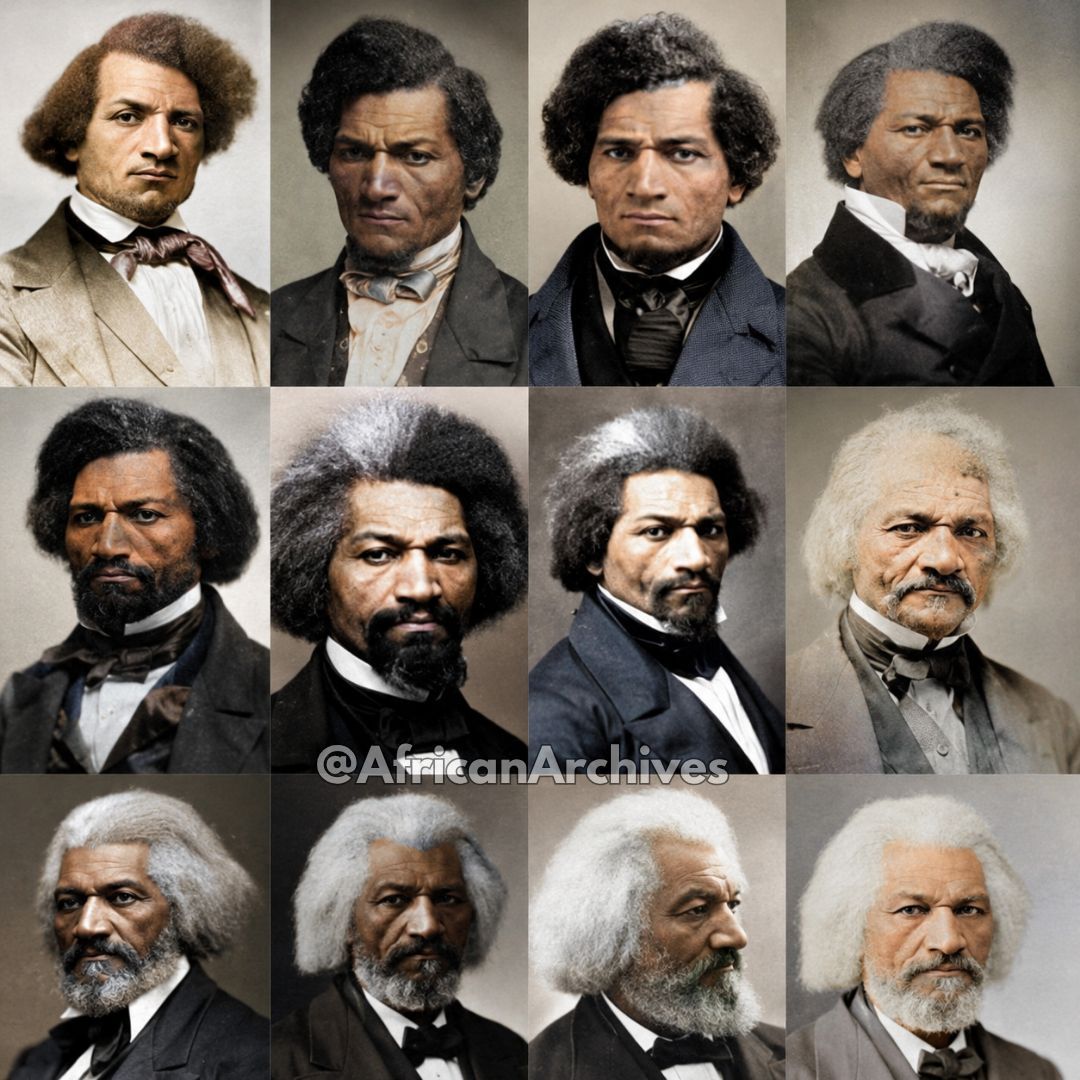
Frederick Douglass was born into slavery around 1818 on Maryland's Eastern Shore, yet he would go on to become one of the most influential voices for freedom, equality, and justice in American history. Denied an education by law, Douglass secretly taught himself to read and write, recognizing that knowledge was one of the greatest tools against oppression. After escaping slavery in 1838, he transformed his life into a mission to expose the brutality of slavery and advocate for equal rights.
His speeches captivated audiences across the United States and Europe because they combined personal experience with extraordinary intelligence and moral clarity. His autobiography, Narrative of the Life of Frederick Douglass, an American Slave, became an international bestseller and gave millions of people an unfiltered account of what slavery truly looked like. At a time when many questioned whether a formerly enslaved man could produce such brilliant writing, Douglass shattered racist stereotypes through the power of his words.
But his work did not end with abolition. During the Civil War, Douglass pushed President Abraham Lincoln to allow Black men to serve in the Union Army, believing that military service would strengthen the fight for freedom and citizenship. After slavery ended, he continued campaigning for voting rights, equal protection under the law, public education, and opportunities for Black Americans. He also supported women's suffrage, arguing that justice could never be selective.
Douglass often reminded people that freedom required constant vigilance. One of his most enduring observations was, "Power concedes nothing without a demand. It never did and it never will." More than a century later, those words continue to inspire movements for civil rights and social justice around the world.
Frederick Douglass proved that a person born into the harshest circumstances could change the course of history through education, courage, and an unwavering commitment to truth. His life remains a powerful reminder that ideas, when spoken fearlessly, can outlast chains.
If you love our content and would like to support the page, you can buy us a coffee here: https://t.co/K1AhtZuOFs or tap Link in Bio
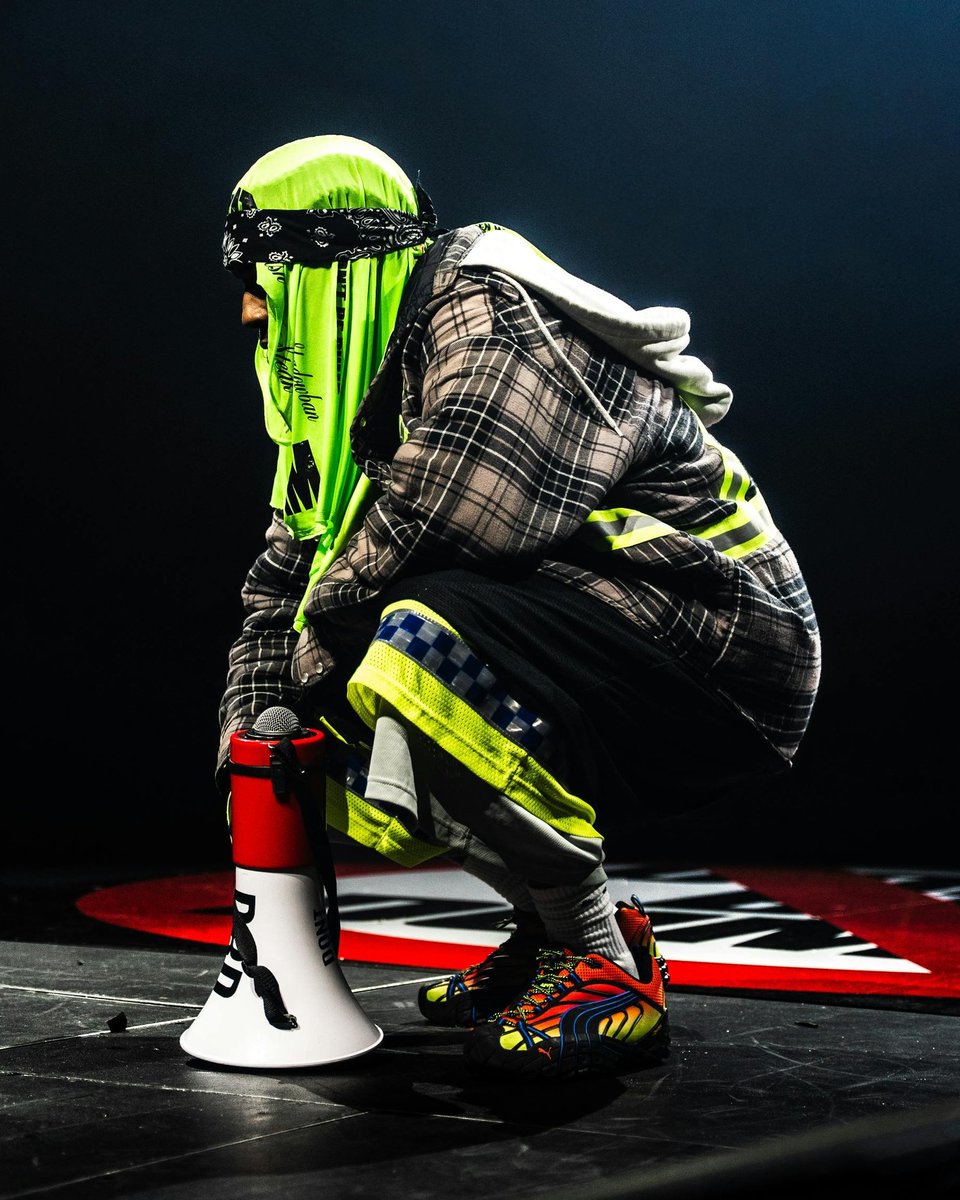
A first look at the Nike x Zellerfeld 3D-printed AirWorks concept designed by Blue Room founder Motoi Hatsuki 👟🌀
We are looking forward to the heat🔥
Photo: htk2626 (IG)
Ron artest talks Phil Jackson and his triangle offense and how it took him a month to learn it.He also talks about Phil being the reason he changes his name to metta world peace . He uses sage the lockers rooms he’ll got to Kobe Bryant locker . His locker , Bynum locker etc
July 4, 1776, and June 19, 1865, tell two very different stories about freedom in America.
On July 4, 1776, the Declaration of Independence was adopted, announcing that the thirteen American colonies were separating from British rule. The document included powerful words about liberty and equality, but at the same time, hundreds of thousands of African people remained enslaved across the colonies. For enslaved Black people, independence did not mean freedom.
Many enslaved men, women, and children continued working on plantations, farms, and households while the new nation debated the meaning of the very freedom it had declared. Their labor helped build the economic foundation of the United States, yet their own rights were denied.
For generations, enslaved people resisted in many ways. Some escaped, some created secret networks of communication, some preserved African traditions, and others fought through legal challenges, writings, and activism. Free Black communities and abolitionists also pushed the nation to confront the contradiction between its ideals and the reality of slavery.
During the Civil War, President Abraham Lincoln issued the Emancipation Proclamation, which took effect on January 1, 1863, declaring enslaved people in Confederate controlled areas to be free. However, freedom did not immediately reach everyone.
In Texas, one of the most remote Confederate states, many enslaved people remained unaware of their freedom or were prevented from exercising it.
On June 19, 1865, Union General Gordon Granger arrived in Galveston, Texas, and announced General Order No. 3, informing the remaining enslaved people there that they were free.
That day became known as Juneteenth.
The journey from 1776 to 1865 represents nearly 90 years between the promise of independence and the legal end of slavery in the United States. Even after emancipation, Black Americans continued fighting through Reconstruction, segregation, and the Civil Rights Movement to secure the freedoms promised generations earlier.
LeBron James reveals he turned down $10 million from Reebok before signing with Nike
"I took on 3 pitches. Adidas, Reebok and Nike. The best pitch that I got where I thought I'd end up was Reebok. At the time Reebok had the NFL"
"I was a high school senior, and they gave me a check for $10 million if I promised not to go see anybody else"
"My mom looked at me and said trust your gut. If they are offering you this, who knows what the other companies may offer you. Do what you think is right"
"I said thank you, but I'd be remiss if I did not take the pitches from the other companies. I may have cried on the way home"
Kevin Hart explains how streamers like IShowSpeed and MrBeast are making millions off an iPhone and a selfie stick while taking billions away from the pockets of TV production studios 😲👀
"Streaming is bigger than TV now."
"Our movie cost $28.5M… theirs cost $1,500."
A Georgia couple who terrorized a Black family at a child’s birthday party with Confederate flags, racial slurs, guns, and death threats were sentenced for a hate crime. Joe Torres got 20 years; Kyla Norton got 15..😳🚨