@DrKristieLeong 3 1/2+ minutes (age 69 1/2). A great quad builder is a 12 minute wall sit workout: Set 1 Two minute wall sit, 60 seconds rest. Set 2 Two minute wall sit, 90 seconds rest. Set 3 Two minute wall sit, 90 seconds rest. Set 4 Two minute wall sit. 😀
Doug DeMuro ranked the @Tesla Model S as the #1 most important car of the last 30 years in his new video.
Doug: "The Model S really changed the world. It made you think that EVs could be cool, fast, luxurious. It really reset any public opinion about EVs, that you didn't have to make major compromises; They (Tesla) created a cultural icon. If you created a list of the top 10 all-time cars that changed the world, Model S is in the top 5."
Yesterday’s post about heart rate and base building triggered a number of responses from experienced runners saying, “But I run at 145+ HR, and I’m fine.” That reaction actually highlights how poorly understood the distinction between cardiovascular fitness and aerobic fitness still is, even among dedicated endurance athletes.
Let's explore this a bit...
Most runners run too fast on their slow days and too slow on their fast days.
Cardiovascular fitness refers to the delivery system. It reflects how effectively the heart pumps, how well blood flow is distributed, and how efficiently oxygen is transported to working tissues. Aerobic fitness, however, is primarily about utilization. It reflects how well the muscles use the oxygen delivered through oxidative metabolism, including mitochondrial function, fat oxidation capacity, lactate handling, and overall metabolic efficiency. These are related systems, but they are not interchangeable, and one can be well developed without the other being optimized.
It is entirely possible to have strong cardiovascular fitness and still operate with relatively high metabolic cost during steady-state efforts. This is particularly common among recreational runners and even among experienced non-elite endurance athletes who have spent years training at moderate intensities. They are durable, consistent, and capable, but their “easy” work often occurs at a higher fraction of their physiological capacity than they realize.
When an athlete reports that their easy runs consistently sit in the mid-140s (above 75% of maxHR), it does not reflect poor fitness. In many cases, it reflects a well-trained cardiovascular system paired with a habitual training intensity that sits near or above the first lactate threshold. The effort may feel subjectively easy due to years of adaptation, but metabolically, it is not truly low-intensity work. The body relies more on glycolytic pathways than on oxidative metabolism, even during easy runs.
This matters because the full development of the aerobic system is driven by sustained training below the first lactate threshold. While higher intensities absolutely stimulate mitochondrial biogenesis, the adaptations associated with metabolic efficiency—improved fat oxidation, expanded capillary density, lower lactate production at submaximal workloads, and reduced sympathetic strain—are most robust when a significant portion of training occurs at genuinely low intensities. In other words, intensity can build fitness, but extensive low-intensity volume refines efficiency.
When most training time is spent at or above LT1, athletes often become very good at tolerating moderate metabolic stress rather than minimizing the cost of aerobic work.
At elevated hr intensity, oxidative stress per session is higher, sympathetic activation remains elevated, and the recovery burden accumulates over time, even if the athlete feels subjectively comfortable. RPE can remain low while physiological strain remains moderate, particularly in experienced runners who have adapted psychologically to that level of effort.
In my office, it is clear that there is also a practical clinical layer that becomes increasingly relevant in midlife. The cardiovascular system adapts relatively quickly to the stress of training. Connective tissues—tendons, fascia, cartilage, and bone—adapt much more slowly. When moderate-to-high metabolic load is layered onto repetitive impact before true aerobic efficiency and tissue resilience are established, the total recovery demand rises. This pattern is reflected in the training errors I see routinely in clinic: Achilles pain, plantar fasciitis, patellofemoral symptoms, and lateral hip or gluteal tendinopathy. They are usually mismatches between the distribution of training intensity and our recovery capacity. This changes with age... and it will catch up to you.
None of this means that running at higher heart rates is inherently harmful, nor does it suggest that intensity should be avoided. Threshold work, tempo runs, and even high-heart-rate sessions are valuable tools. The issue is distribution. If most weekly mileage is performed at a moderate metabolic intensity, the athlete maintains cardiovascular fitness but sacrifices some metabolic flexibility and efficiency. Easy days are no longer truly low-cost, and recovery between harder sessions is less complete.
What is often given up is range. An athlete with a well-developed aerobic base can run at a lower heart rate for the same pace, oxidize more fat, produce less lactate at submaximal intensities, and accumulate more total training volume with less physiological strain. Their easy runs are genuinely easy at a metabolic level, allowing higher-quality work when intensity is introduced. They are not just fit; they are efficient and durable.
Base training, therefore, is not about avoiding effort or running unnecessarily slowly. It is about lowering the physiological cost of work so that training becomes more repeatable, recovery becomes more predictable, and long-term durability improves. The heart remains strong, performance is preserved, and the metabolic system becomes more efficient. For lifelong runners, especially after forty, efficiency and recovery capacity often become the true limiting factors rather than motivation or discipline.
Patrick Swayze once said, "They told me my house smelled like dogs, and I asked them, do you know what a dog smells like? It smells like gratitude, loyalty, nobility, affection, pure unconditional love. And in spite of all they've been through, they smell no resentment. So blessed that my house smells like dogs." Isn't this the perfect reminder that true blessings can't be measured by society's standards? Patrick Swayze captured what we seasoned dog mamas have known all along - that a house filled with the presence of our faithful companions is really filled with love, not just "dog smell." When our hearts are full of joy and gratitude from our four-legged angels, who cares what others think about our homes? After all, the most precious things in life can't be seen, but they can surely be felt... and sometimes smelled!❤️
@DrKristieLeong I eat many of those on your list. I also enjoy these Black Butte Chickpeas which are commonly used in Indian cuisine. 😀
https://t.co/4GOA0g1fML
@DrKristieLeong Just heard about but have not tried whole oat groats which apparently are a "nuttier" version of regular cut oats. The fiber from them can get farther down the digestive tract to feed those healthy gut bugs.
@singhcredible The black & white Border Collie has aggression issues and unfortunately was not leashed. This happened about five weeks ago. First time I’ve been bitten (I’m 69 years old).
@andrew_flatt Curious on your thoughts of Dr. Benjamin Levine's comments that HRV is not a reliable metric for determining recovery, but rather RHR should be used. Thanks!
@Alan_Couzens
https://t.co/S3donbxx6P
@ 1:50 in the video
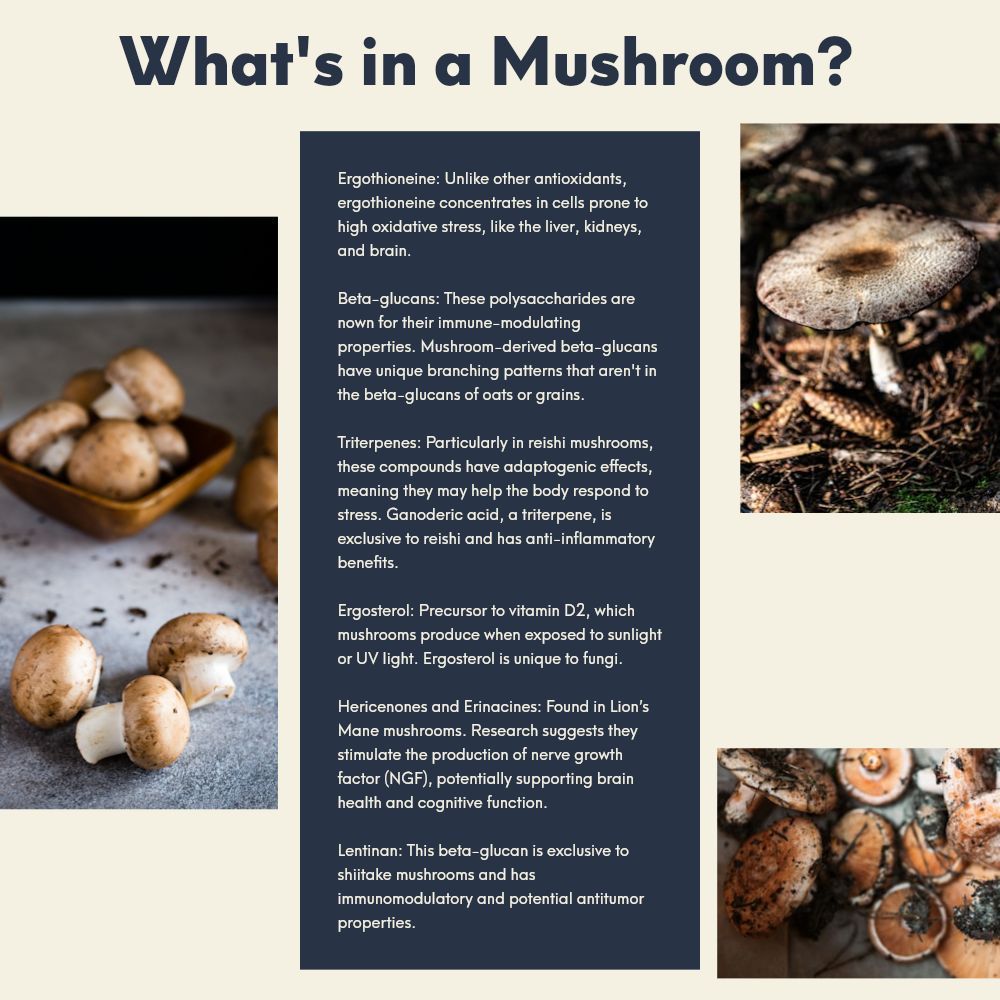
Mushrooms are far more than a pizza topping—they're a nutritional powerhouse. Rich in plant-based protein, vitamin D, vitamin B6 (which supports red blood cell formation), and unique compounds shown in the infographic.
While white button and portabella varieties dominate grocery shelves, there are over 14,000 mushroom species out there, each with its own unique texture, color, and flavor profile.
Explore beyond the basics—your taste buds and your body will thank you.
#MushroomBenefits
#PlantBasedProtein
Tomatillos pack a punch thanks to withanolides, natural compounds also found in ashwagandha, known for their anti-inflammatory and antioxidant effects.
Add in their tangy taste, plus a boost of vitamin C, fiber, and potassium, and you’ve got a food that supports immunity, digestion, and heart health.
#healthyfood
#AntiInflammatoryFoods
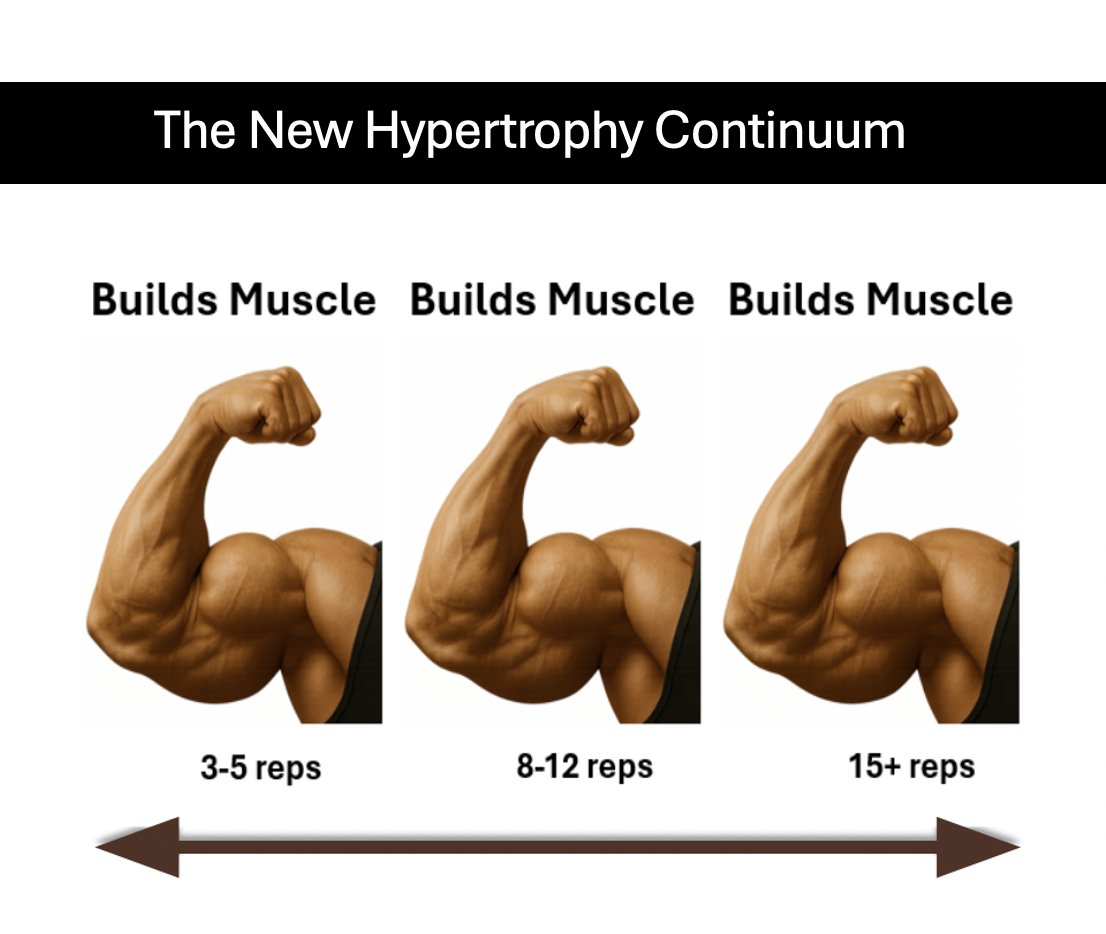
Yet another study showing similar whole muscle hypertrophy when training with heavy vs light loads. The evidence is overwhelming. May be a benefit to varying rep ranges for optimal results; for the gen pop likely doesn't make a meaningful difference 💪
https://t.co/j70oznRX6U