The 1st HOME to renovate is your BODY
The science is simple: most chronic diseases are largely preventable through healthy daily habits:
- Move 1 hr/day (or 10,000 steps)
- Eat mostly whole foods
- Sleep 7-9hrs- aim for bed before 10pm
- Drink 2–3L of water
- Get outside daily
We survived COVID, forgot every lesson, went back to hugging, shaking every hand in Kigali like corrupt politicians during campaign season, now Ebola cases are next door. 😭
Respectfully, gahunda ni bow and amahoro y’Imana 🙏🏽.
Mutubabarire kbsa!
“If you knew me, and you really knew yourself, you would not have killed me” – Quote on a stone wall at the Genocide Memorial in Kigali. It is located in the Children’s Room, a space dedicated to the youngest victims of the 1994 Genocide against the Tutsi and one of the most haunting parts of the memorial. The Genocide is officially recognised as beginning on April 7, 1994. From tomorrow Rwanda will begin the 32nd commemoration (Kwibuka) of the Genocide.
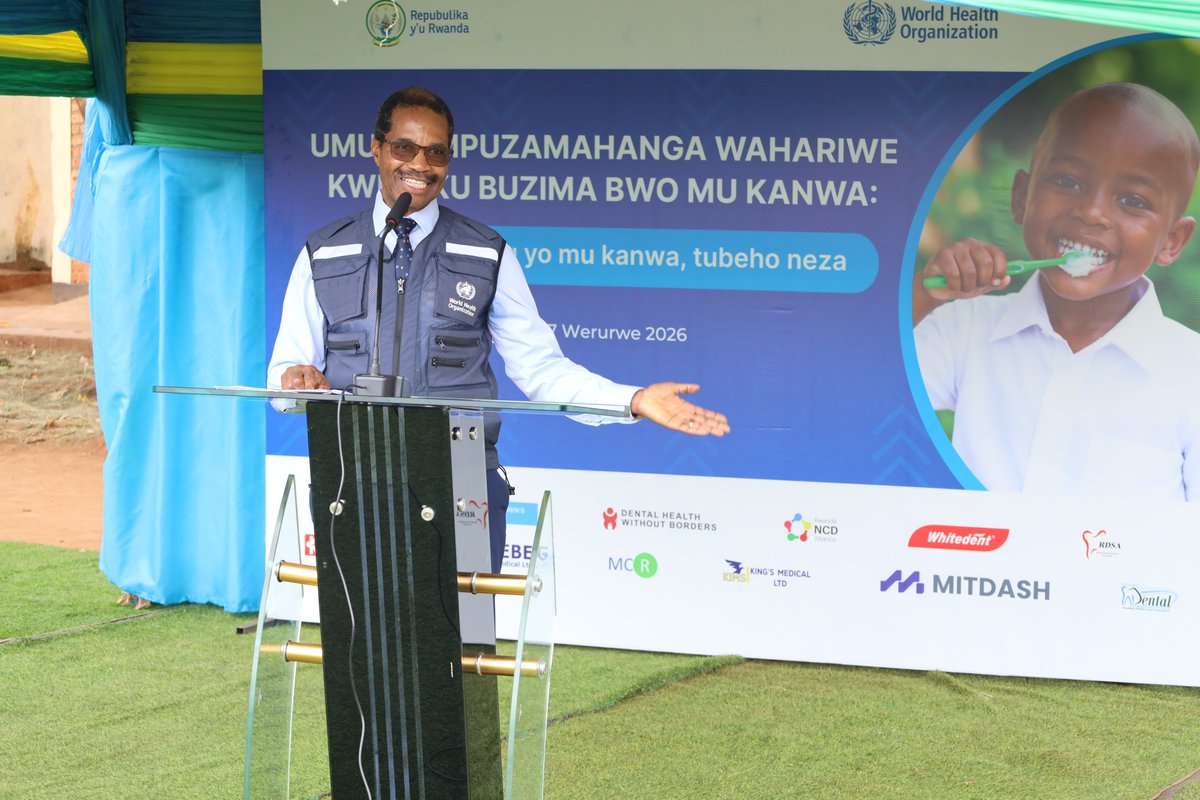
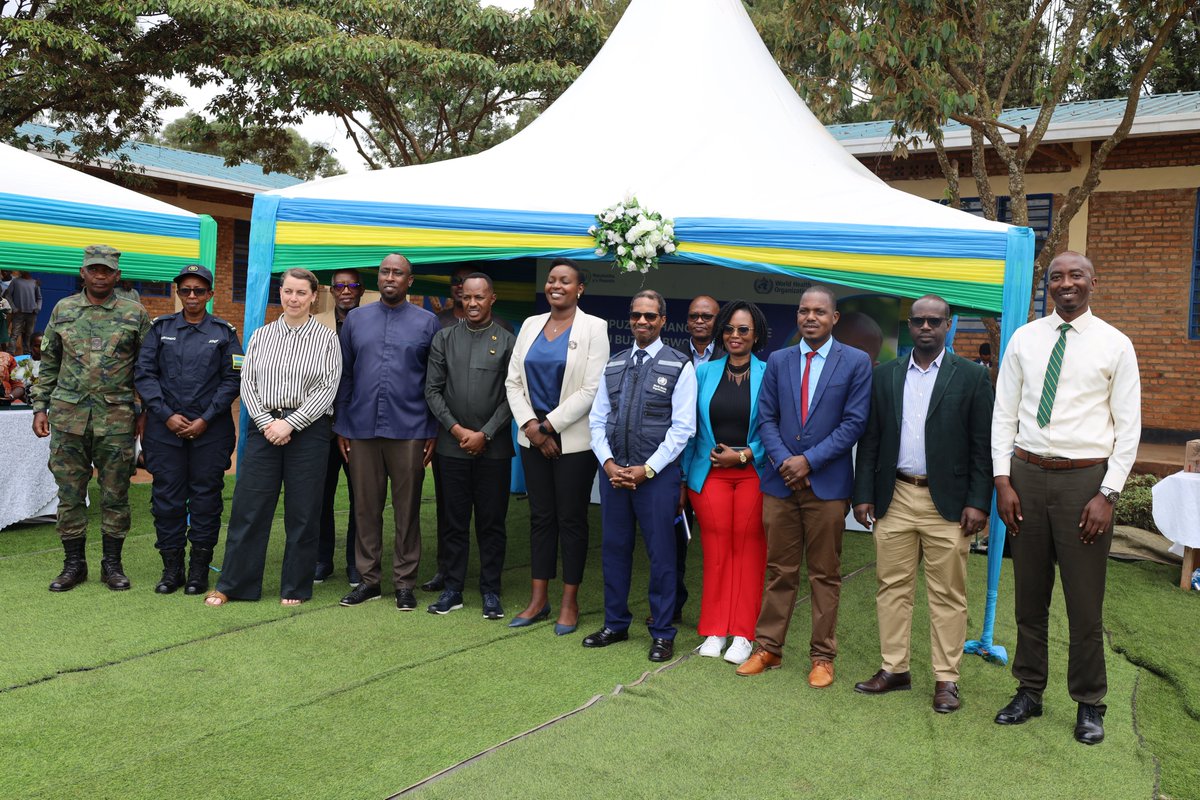
On World Oral Health Day, WHO Rep @BrianChirombo commended @RwandaHealth’s people‑centered, prevention‑focused & integrated oral health program, aligned with the @WHO Strategy, delivered with @Rwanda_Edu, 🇷🇼Dental Association & other partners. WHO reaffirmed its continued support
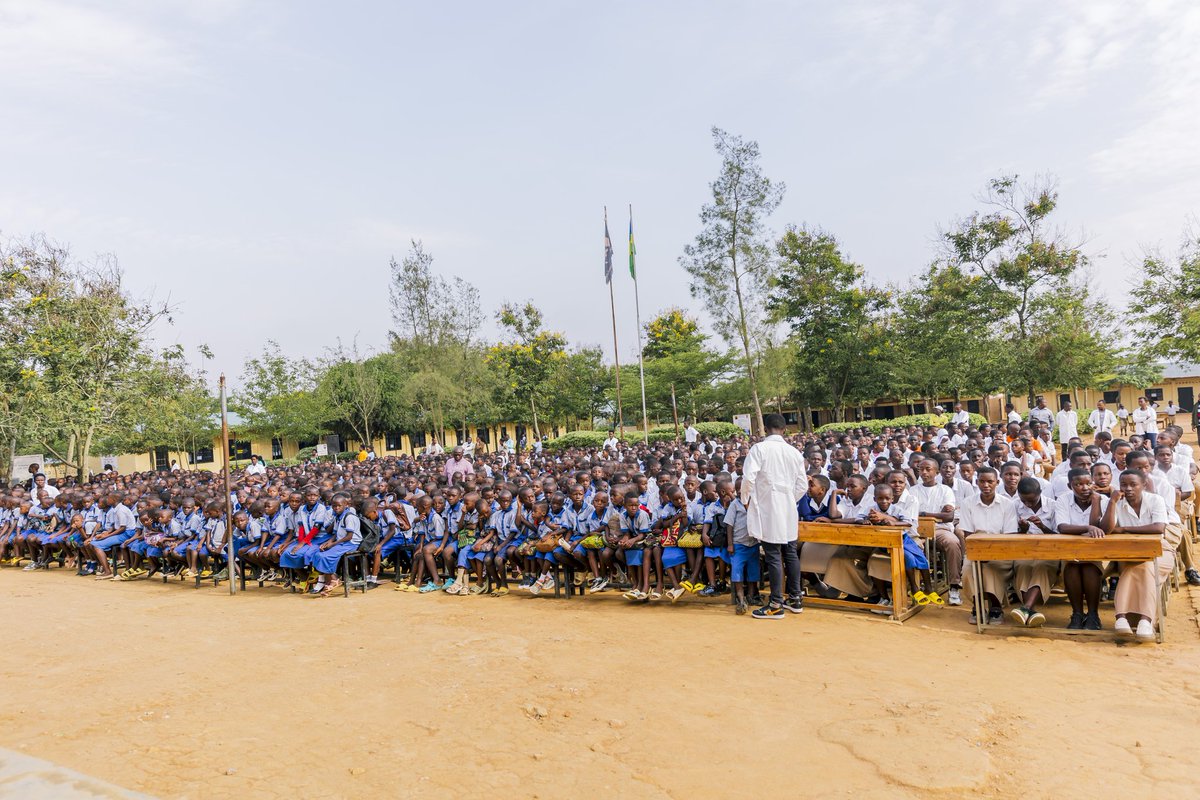
WHO #Rwanda joined @Rwanda_Edu & @RBCRwanda at Bumbogo School to mark World Oral Health Day 2026. Over 2,900 learners received oral health education, screening & hygiene kits.
@WHO is supporting @RwandaHealth integrate oral health into #PHC & school‑based #WASH efforts.
We’ve all seen it: twenty seconds in and kids are convinced they’ve been brushing for ages.
But sticking it out for the full two minutes helps build habits (and smiles) that actually last. Sometimes the longest minutes pay off big for little teeth. ⏰���
➡️Discover all the campaign resources at https://t.co/pZdP0dhhF1
#HappyMouth #WOHD26
At GS Dihiro in Bugesera District, Beata Mukabahire, a dental health advocate at SOS, demonstrated proper oral hygiene practices to students, teachers, and parents as part of the #FresheriKuIshuri campaign.
She explained that teeth should be cleaned using a toothbrush, toothpaste, and water, and that toothbrushes should be replaced every three months or earlier if worn out. She cautioned against brushing with fingers or using water alone.
Beata also advised learners not to rinse immediately after brushing, allowing the toothpaste time to work and protect teeth from decay.
The session reinforced the role of daily hygiene habits in promoting health and cleanliness among students and school personnel in general.
We welcome the signed 5-year, $228M U.S.–Rwanda health cooperation MOU, building on our strong partnership and health gains to strengthen disease surveillance, boost innovation,and advance resilient global health security with shared economic benefits 🇷🇼🇺🇸 https://t.co/ei97mwinWs
🇩🇰🇷🇼 Denmark has opened an Embassy in Rwanda!
As of 1 August 2025, the Project Office in Kigali became the Embassy of Denmark – marking stronger diplomatic ties.
Welcome to Ambassador-Designate @DKAmbRwanda
📸 A Danish coat of arms now stands in Kigali.
#DenmarkinRwanda
CEO of Rwanda Convention Bureau, Janet Karemera, extends a warm welcome to Africa’s top project leaders attending the inaugural PMI Global Summit Series Africa 2025 in Kigali.
🎬 Behind Straw: The Pain and the Jobs We Don’t See
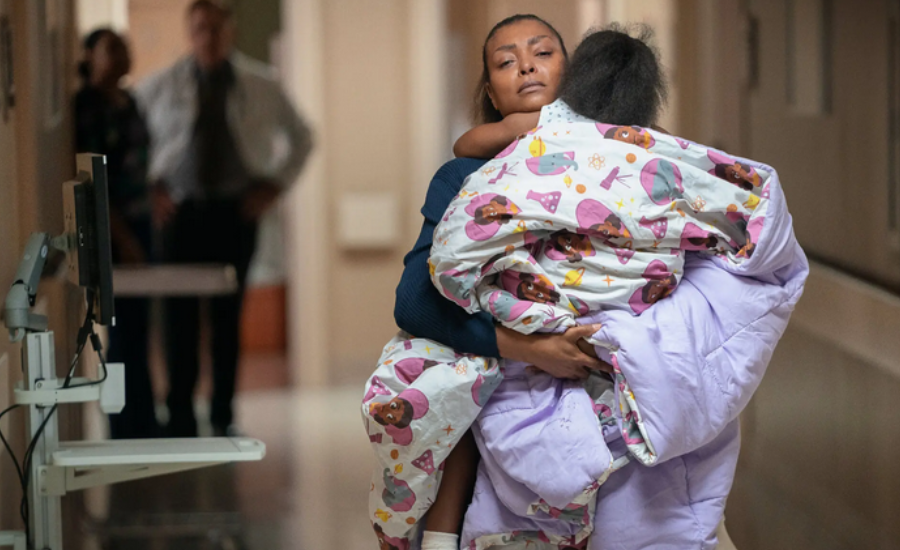
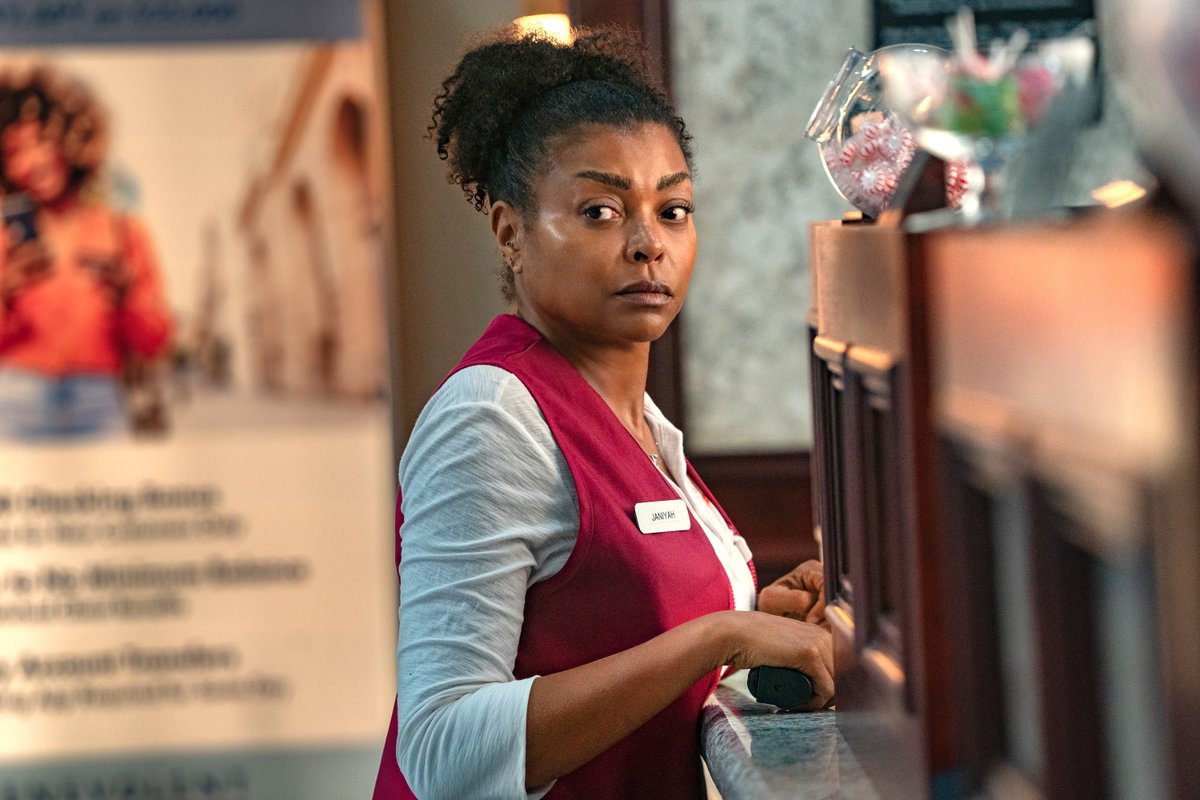
Tyler Perry’s newest film, Straw, now streaming on Netflix, has moved audiences around the world, Rwanda included. Led by an impressive performance from Taraji P. Henson, the film explores the invisible, daily struggles of a single mother navigating poverty, mental health, and institutional injustice.
But behind the compelling narrative is an even greater story, the story of creative labor, of skilled people, and of the film economy. Straw is a triumph not only of storytelling, but also of economic coordination, creative diplomacy, and job creation.
And this is the wake-up call for us: investing in film is not a luxury. It is an economic and diplomatic necessity.
🎥 A Film Is a Business With Hundreds of Jobs Behind It
When we watch Straw, we feel the emotion and admire the performances. But what we often overlook is the web of professionals who made it all possible: screenwriters, directors, producers, editors, assistant directors, cinematographers, grips, gaffers, costume designers, makeup artists, hair stylists, casting agents, location scouts, set designers, lighting technicians, colorists, composers, music supervisors, publicists, sound engineers, dialogue coaches, stunt coordinators, drivers, caterers, data wranglers, accountants, lawyers, insurance brokers, security personnel, marketers, the list goes on.
Behind every frame is a small economy of talent and logistics. From writing the first line of dialogue to color grading the final edit, films require complex workflows that mirror manufacturing or infrastructure projects, only here, the raw materials are creativity, collaboration, and human emotion.
In mature creative economies, one major film production can hire anywhere from 150 to 1,000 people during its development, production, and release. It supports full-time employment, gig-based freelancers, technical trades, and creative entrepreneurs.
This is the real face of the creative economy, not just art, but organized, job-rich, GDP-contributing work. These are the kinds of jobs we can build here in Rwanda, with the right long-term investment.
🇷🇼 Rwanda and the Untapped Power of Creative Diplomacy
Straw has once again placed the United States in the global conversation, not because of a policy or military intervention, but because of a compelling cultural product. This is the quiet but powerful force of soft power, what we call creative diplomacy.
When a country tells its stories with professionalism and emotional resonance, it commands attention, empathy, and respect. Film is a vehicle for national branding, for peacebuilding, for tourism, and for cross-cultural influence.
Rwanda has a unique and deeply human story. Our history, our resilience, our youth, our language, and our music, all of these are ripe for global storytelling. But to get there, we must do more than celebrate talent, we must invest in it.
💼 Hello, Private Sector: Your Role Is Critical
Indeed, we cannot build a vibrant creative economy with public efforts alone. The private sector must step in.
Film is no longer just a cultural activity, it’s a profitable, multidimensional industry with long-term returns:
*️⃣ It drives spending in sectors such as accommodation, catering, transportation, travel, and professional services, one film shoot can boost local economies in hotels, restaurants, and car rentals.
*️⃣ It fuels innovation and tech development, including animation, editing software, and digital distribution platforms.
*️⃣ It stimulates infrastructure: the need for studios, film hubs, editing suites, and rental houses can turn underused spaces into revenue-generating assets.
*️⃣ It fosters global trade and exports through licensing, distribution, and syndication deals.
*️⃣ It builds value chains: from scriptwriting workshops and acting schools to distribution channels and streaming platforms.
*️⃣ It attracts global capital: countries with vibrant film sectors attract co-productions, film grants, and streaming platform investments.
This isn’t an abstract dream, it’s an industry that, when nurtured, can employ thousands and generate millions in economic output. For Rwanda, it’s time to treat film as a strategic priority.
🧭 Investing in Films Is Investing in People
Creative industries don’t just entertain, they educate, heal, employ, and export national identity. When you invest in a film, you are investing in:
*️⃣ A young Rwandan screenwriter whose imagination can challenge global stereotypes and create cultural bridges.
*️⃣ A lighting technician, sound designer, or production assistant, technical professionals who build careers in high-demand creative services.
*️⃣ A fashion student who designs costumes that later get recognized on red carpets and runways.
*️⃣ A drone operator, a carpenter building film sets, a chef feeding the cast, a logistics coordinator organizing shoot days.
*️⃣ A community where the film is shot, which benefits from job creation, infrastructure, and future tourism tied to film locations.
*️⃣ A country positioning itself not just as a destination of resilience, but as a creative leader on the African continent, owning its stories, its voice, and its future.
📣 Now Is the Time
We cannot afford to remain consumers of other people’s stories. Rwanda has the talent, the history, and the creative energy. What we need now is intentional investment, not only from government, but from private enterprise, and from visionary institutions.
Let Straw serve as inspiration, but also as a Wake-Up Call!
Let’s not wait for the world to tell our story.
Let’s fund it.
Let’s produce it.
And let’s show it ourselves.
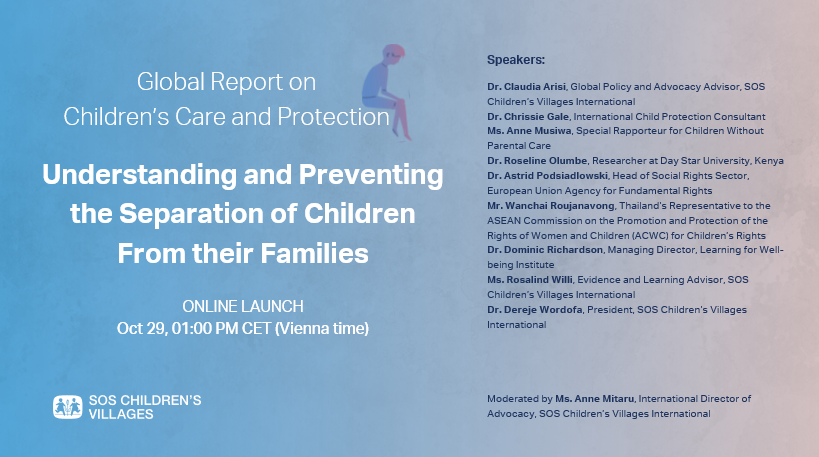
Wakwifatanya na SOS Children's Villages mu gikorwa cyo kumurika raporo ivuga ku kwita ku bana ndetse no kubarengera.
Ushaka kwiyandikisha mu buryo bwa online wanyura kuri link ikurikira
👉https://t.co/DjuOBCfq1k
#ChildCareProtectionReport24#NoChildAlone#DayofCare
Today, Denmark’s Minister for Foreign Affairs, Lars Løkke Rasmussen, announced the opening of new embassies, including in Rwanda (in 2025). This happens, as the Danish government has launched its new Strategy for strengthened Danish engagement with African countries.
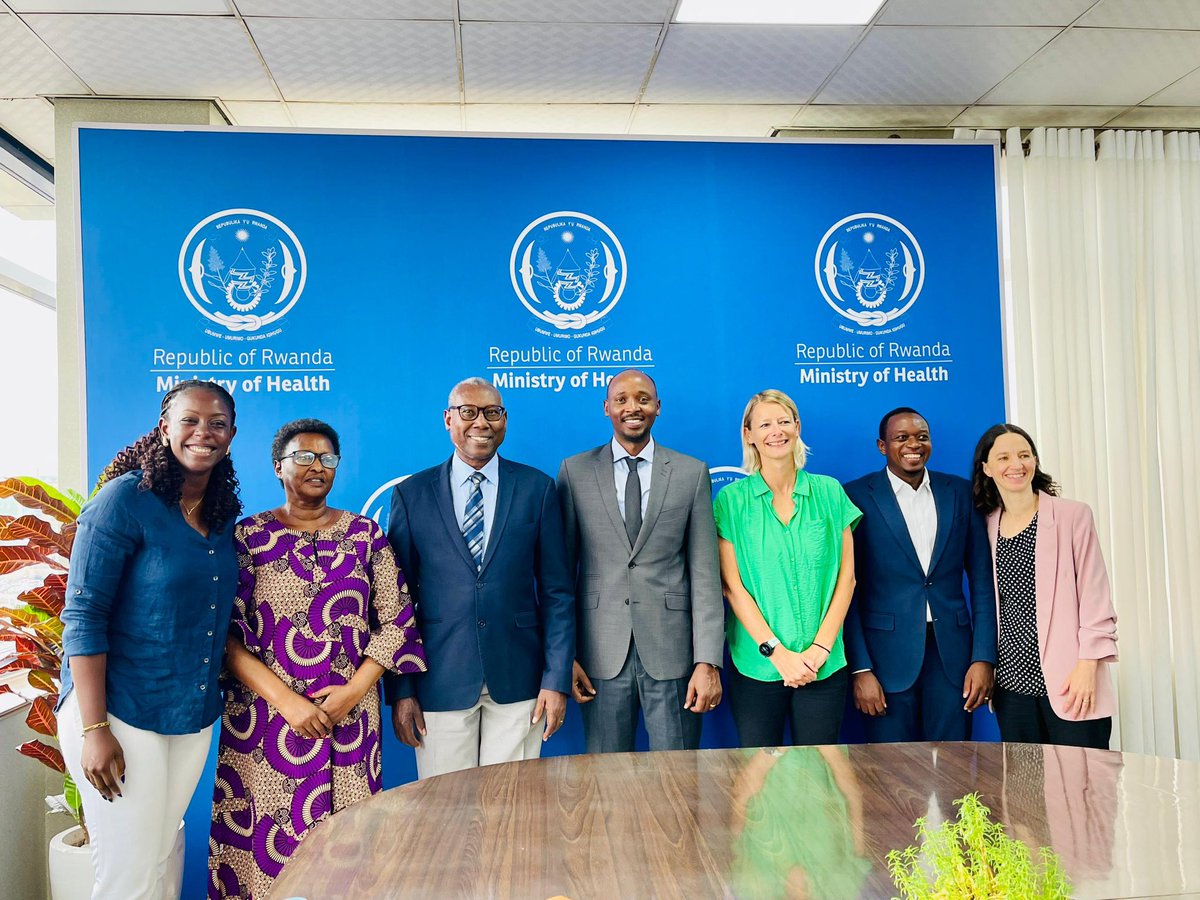
Today, Delegates led by CEO of @ncdalliance Ms. Kate Dain together with delegates from @RwandaNCDA led by Chairperson Prof. @DrMucumbitsiJ met with Dr. @nsanzimanasabin, Minister of @RwandaHealth to discuss on the ongoing preparations of the 4th Global NCDA Forum 2024. #NCDAF2024