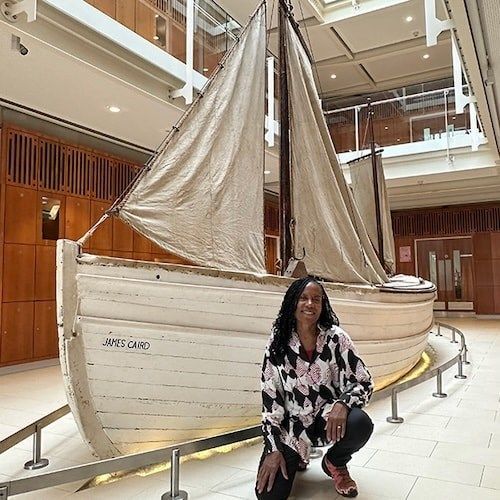
@GlacierThwaites @LernerBooks I presented my first #poster today on the 1940 United States #Antarctic expedition discovering farther south than Captain Cook did in 1774! Gibbs first Black man on #Antarctica https://t.co/dp5uf1jPRI
Leadership lessons from Antarctica ❄️
Join me + #LeilaniRaashidaHenry for a conversation on resilience, ancestry & navigating extreme conditions – both in life & leadership.
🎧 https://t.co/NIzECziTz6
#Leadership#Podcast#BusinessElevation
Alok Jha speaks to Leilani Raashida Henry about her father, George Washington Gibbs Jr, the first black man to set foot on Antarctica.
🎧 Search ‘A Voyage to Antarctica' on all major podcast platforms
🙏 This season is kindly supported by @HX_Expeditions
It’s exciting to learn about animals making a huge difference in #carbon capture! Bison, whales and sea otters for example 🙌🏾. #environment https://t.co/KYSfTKCd71
Your baby doesn’t need screen time. 📱 📺 💻
You probably know that.
But did you know that YOUR screen time also holds the potential to influence their development?
In research from the University of Texas at Austin recently published in the journal Child Development, investigators synced recordings of mothers and their babies with mom’s smart phone usage records.
What they found was that during periods of parental phone usage, verbal interactions between mothers and their babies dropped by 16%. (During comparatively shorter bursts of phone usage lasting less than 2 minutes, these interactions decreased even more - by 26%.)
The bottom line: adult phone usage decreases one-on-one stimulation between infants and parents and exposes infants to less language.
Screen time can be a touchy topic, I’ve found. And in today’s society it seems increasingly unrealistic to suggest that homes will be completely screen free - for parents or children. I’m a realist here.
But perhaps the most interesting data point to come from this study is the average amount of parental smart phone usage they found among study participants:
4.4 HOURS per 12 hours studied.
That’s a lot of screen time.
The message here isn’t that parents need to (or realistically can) eliminate all smart phone usage. Many wouldn’t have that luxury even if they tried, due to work or other caregiving responsibilities.
So what can be done? The authors suggest some important first steps:
Being mindful of the impact phones can actually have on our our interactions/caregiving, and
Remaining aware of how easily we can become consumed by our phones, despite our best intentions.
After all, every minute we spend interacting with a screen is a minute that might otherwise be spent in the kind of brain-building, face-to-face interaction modeled so well by Campbell Williams in this lovely video she shared recently to TT (campbellwilliams_).
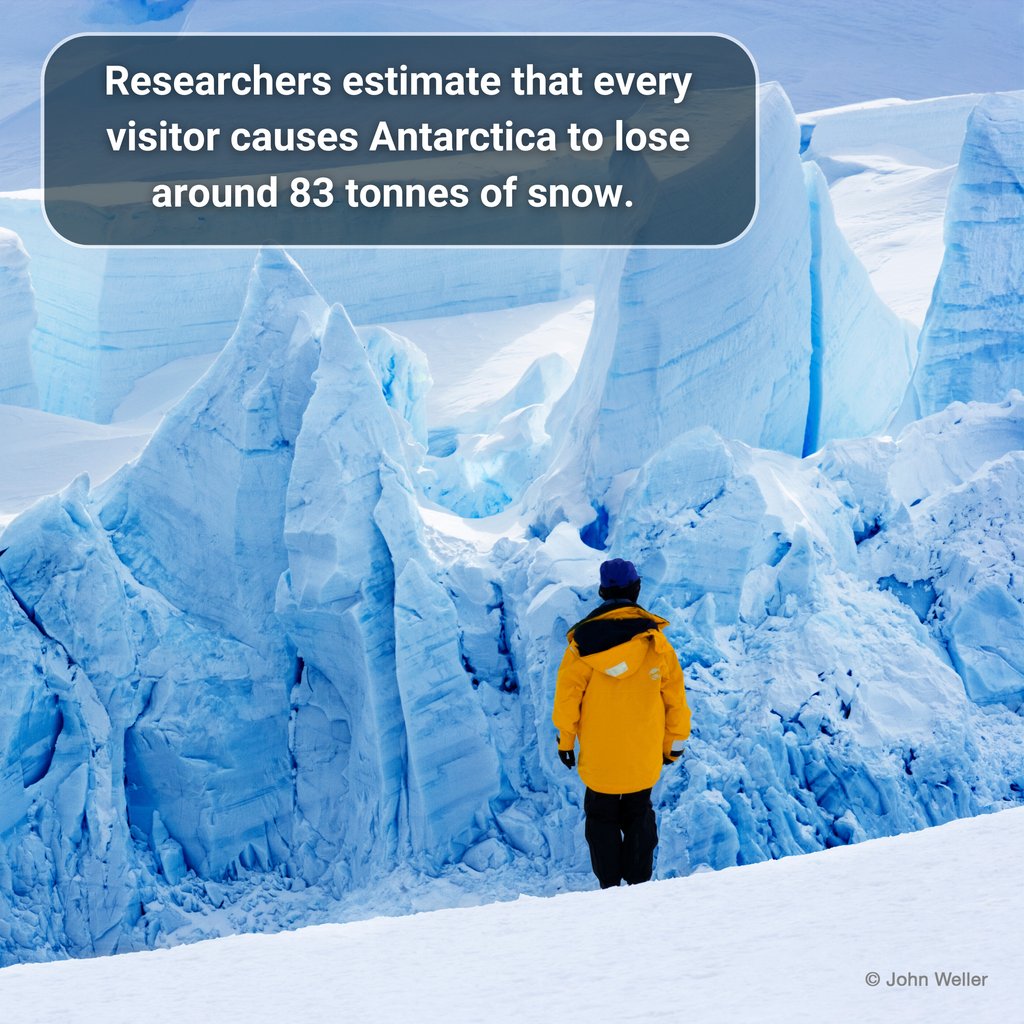
Antarctica’s fragile ecosystems are under pressure from booming tourism - 122,000 visitors in 2024. ASOC calls for a precautionary approach to protect this shared heritage from threats like pollution & invasive species. #ProtectAntarctica 🇦🇶 Learn more: https://t.co/GmoDsZ01Zs
🌊🔬 With recent rollbacks on krill protections at CCAMLR, the launch of the KRILLGUARD project is more critical than ever. This research will use advanced DNA technology to study how Antarctic krill are adapting to climate change. Read more: https://t.co/JFlwUzAhPO
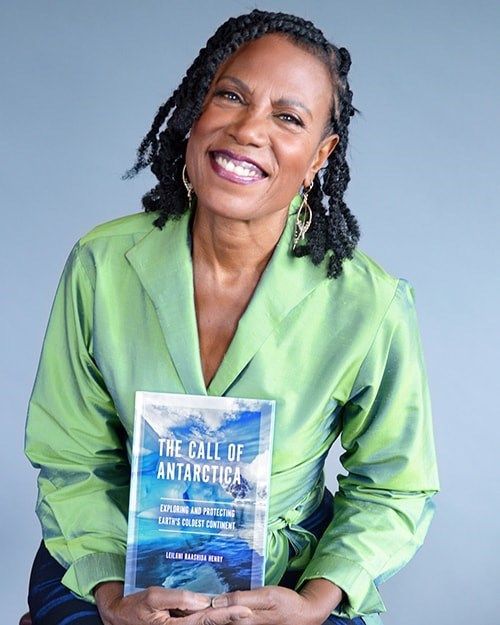
We chat with Leilani Raashida Henry (@beandlive) about her father, George W Gibbs Jr – the first black man to set foot on Antarctica – and how his diaries inspired her book.
🔗 Read Leilani's interview: https://t.co/9IMIUwhDKr
We chat with Leilani Raashida Henry (@beandlive) about her father, George W Gibbs Jr – the first black man to set foot on Antarctica – and how his journal inspired her book.
🔗 Read Leilani's interview: https://t.co/9IMIUwhDKr