The year was 2013.
The idea of a private military contractor had already been etched into our collective consciousness through countless mentions of PMC operators on CNN, Blackwater and Erik Prince. But very few of us could imagine that an Indian could build a private organisation capable of operating and training at the highest levels.
That was around the time @harifoxtrot began his journey.
Over the years, Hari has trained alongside some of the world’s most renowned Tier-One special mission units and operated at the highest levels in some of the world’s most challenging environments. The locations, I’ll leave to your imagination. 😉
Hari was also a founding member of the Black Scorpions PMC group and is the founder of Unit 21 Group, a tactical training organisation focused on advanced tactical skills and combat medicine.
He has also worked extensively in the development and delivery of advanced tactical training for Indian special forces.
What makes his journey particularly remarkable to me is that he built this path from India, at a time when the idea of an Indian private tactical/contracting capability operating at this level was barely even discussed.
This is the man who became my instructor, mentor and one of the biggest influences on my own tactical journey.
And this is just the beginning of his story.
AK-to-Pistol Transition - On The Go
Another transition drill, this time with the AK—and this one is done on the move. Walking alone makes shooting more difficult, and transitioning from a rifle to a pistol adds another challenge because of the AK’s length and weight.
The goal is to build a strong mind-body connection, so the transition becomes instinctive rather than something you consciously think through.
The man pushing from behind ensures you can’t slow down or stop while making the switch. The pressure stays on, and so does the movement.
Carbine-to-Pistol Transition
A well-executed transition can save your life. Moving to the pistol will always be faster than reloading your primary weapon, whether it’s a carbine or rifle. The Russians teach a technique often described as “Minus one - Plus one”—as the muzzle of one weapon moves down, the other comes up to replace it, minimizing the gap between platforms.
Here’s an example of the technique in action.
Weapon sights ❌
Proper communication headsets ❌
Ergonomic plate carriers ❌
Battle belts cross ❌
Sidearms ❌
Bright gorget patches ✅
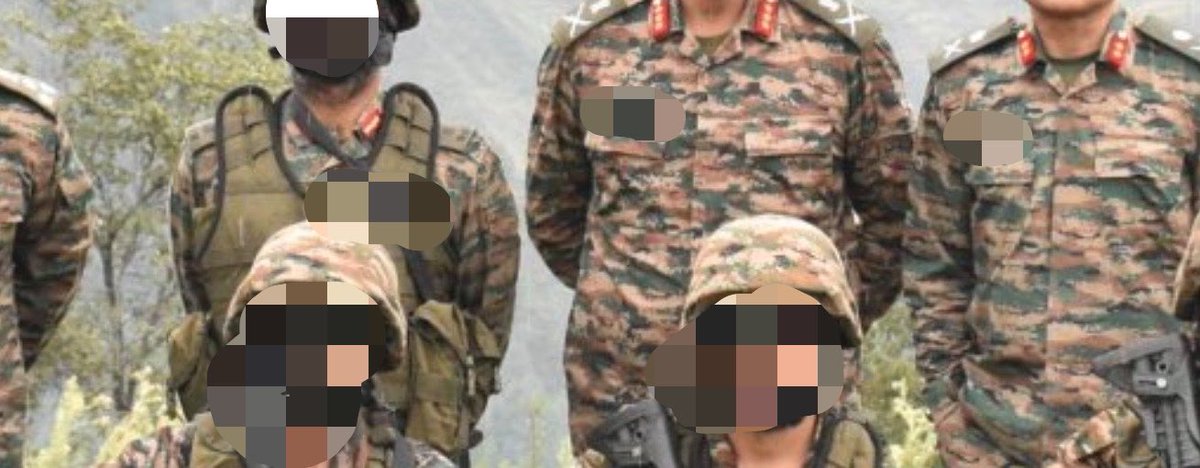
Elbow pads in the field slipping so useful they are worn nearer their wrists ✅
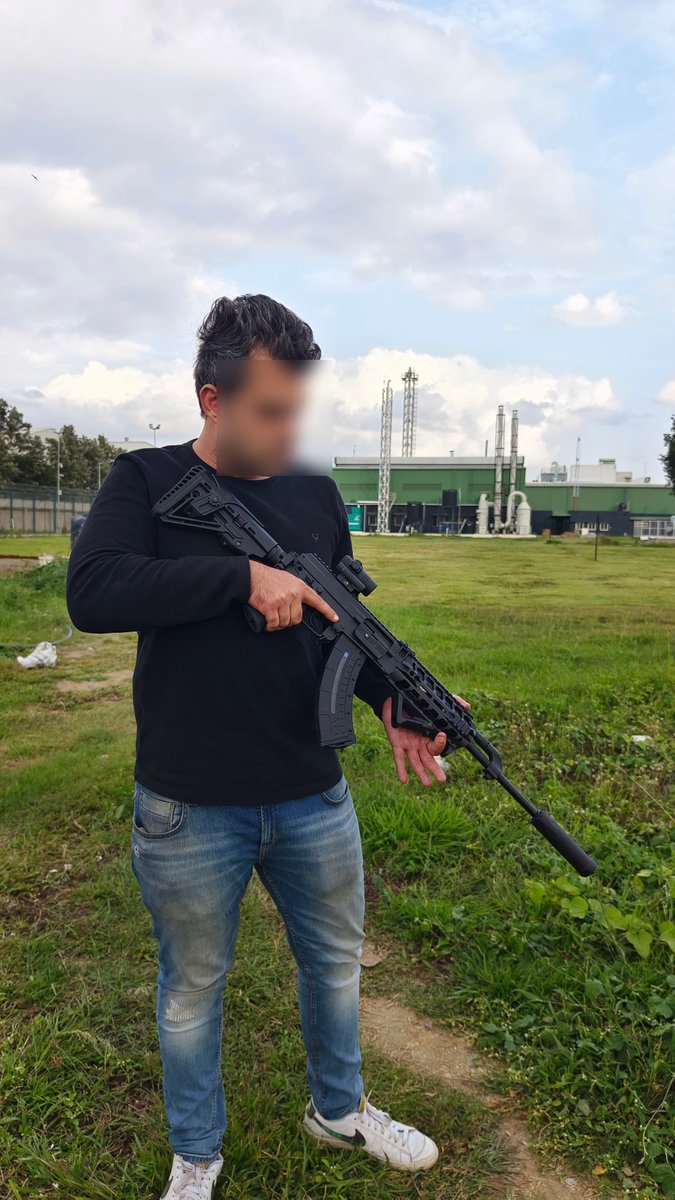
Years ago, SSS had a dream: to give Indian soldiers a homegrown AK variant with zero foreign dependency. Today, that dream stands as the P72. 🇮🇳
Pic credit :- @TWhitewalkerr
Years ago, SSS had a dream: to give Indian soldiers a homegrown AK variant with zero foreign dependency. Today, that dream stands as the P72. 🇮🇳
Pic credit :- @TWhitewalkerr
Before apexes, thresholds and corner clearing, come the fundamentals of CQB.
Weapon handling.
Muzzle discipline.
Economy of movement.
Target identification.
Controlled, accurate double-taps.
These skills have to be developed and demonstrated at the individual level first.
Only once an operator has mastered these fundamentals can he become an effective member of a stack.
Here is one such foundation building drill.
Before apexes, thresholds and corner clearing, come the fundamentals of CQB.
Weapon handling.
Muzzle discipline.
Economy of movement.
Target identification.
Controlled, accurate double-taps.
These skills have to be developed and demonstrated at the individual level first.
Only once an operator has mastered these fundamentals can he become an effective member of a stack.
Here is one such foundation building drill.