Why did you pay IPPIS arrears of some and refused to pay the rest. Some of us will be great in the future and drag you later. I thought this profession is meant to be noble? You people are corrupt and useless.
@MDCNOfficial
When you think you’ve seen it all… A baby was born with 7 fingers, 7 toes, and facial deformities affecting the eye and mouth. 🥲
As a mother, how would you handle this moment?
Lymphatic filariasis (elephantiasis) is a parasitic disease that damages the lymphatic system, leading to severe swelling, sometimes affecting the genitals.
In rare, extreme cases reported among the Bubal tribe, men can develop massive scrotal swelling, with sizes reaching 70–80 cm and weighing up to 9–12 kg.
Hantavirus Alert: First Case Confirmed in Israel.
Here is what you need to know about Hantavirus.
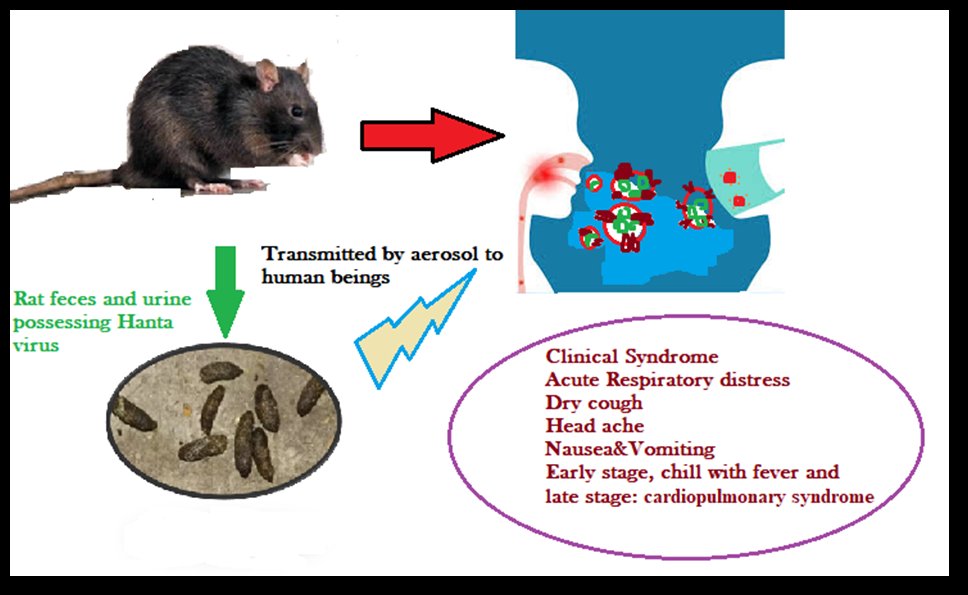
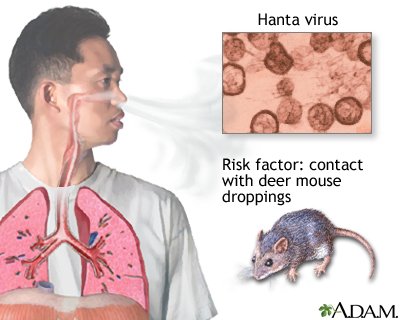
Hantavirus is a serious rodent-borne virus causing two main syndromes: Hantavirus Pulmonary Syndrome, which leads to severe lung issues, or Hemorrhagic Fever with Renal Syndrome, which affects the kidneys. It spreads mainly by inhaling dust from rodent urine, droppings, or saliva. It does not spread easily from person to person.
Symptoms start flu-like: fever, fatigue, muscle aches, headaches, and nausea. The illness can rapidly worsen to breathing difficulty, low blood pressure, or organ failure. Early supportive care is critical.
*Breaking News:* Israel has reported its first diagnosed case. The patient was infected during a trip to Eastern Europe several months ago. This comes amid heightened global attention, including a recent cruise ship outbreak with confirmed cases and deaths.
*Prevention:* Avoid rodent-infested areas. Ventilate enclosed spaces before cleaning. Wear a mask when necessary, and never sweep droppings dry. There is currently no widely available vaccine.
Stay safe, especially when traveling. Seal homes to prevent rodent entry and seek medical help early if symptoms appear.
Repost for awareness
Hantavirus Alert: First Case Confirmed in Israel.
Here is what you need to know about Hantavirus.
Hantavirus is a serious rodent-borne virus causing two main syndromes: Hantavirus Pulmonary Syndrome, which leads to severe lung issues, or Hemorrhagic Fever with Renal Syndrome, which affects the kidneys. It spreads mainly by inhaling dust from rodent urine, droppings, or saliva. It does not spread easily from person to person.
Symptoms start flu-like: fever, fatigue, muscle aches, headaches, and nausea. The illness can rapidly worsen to breathing difficulty, low blood pressure, or organ failure. Early supportive care is critical.
*Breaking News:* Israel has reported its first diagnosed case. The patient was infected during a trip to Eastern Europe several months ago. This comes amid heightened global attention, including a recent cruise ship outbreak with confirmed cases and deaths.
*Prevention:* Avoid rodent-infested areas. Ventilate enclosed spaces before cleaning. Wear a mask when necessary, and never sweep droppings dry. There is currently no widely available vaccine.
Stay safe, especially when traveling. Seal homes to prevent rodent entry and seek medical help early if symptoms appear.
Repost for awareness
This is a woman trying to create an artificial gap tooth from a quack.
She felt it will beautify her more.
This simple procedure can cause her to lose her life.
How? Read the following post, book mark this and repost.
Scaling and polishing is a routine dental procedure that provides a thorough professional cleaning of your teeth. It effectively removes plaque and calculus (tartar) that build up on the teeth and along the gum line.
Studies show that everyone develops plaque. If it is not removed regularly, plaque hardens into calculus (tartar). At this stage, your toothbrush can no longer remove it, no matter how well you brush.
Because plaque and calculus form in every mouth, failing to address them increases the risk of several oral health problems, including:
- Gum disease (gingivitis and periodontitis)
- Tooth decay
- Bad breath (halitosis)
- And, eventually, tooth loss
In addition, the bacteria trapped in plaque and calculus can enter the bloodstream and contribute to other health issues in the body.
Recommendation:
To maintain optimal oral health, it is advised that you visit your dentist for scaling and polishing twice a year. This simple preventive measure helps keep your teeth and gums healthy and protects your overall well-being.
Repost and quote for awareness
Scaling and polishing is a routine dental procedure that provides a thorough professional cleaning of your teeth. It effectively removes plaque and calculus (tartar) that build up on the teeth and along the gum line.
Studies show that everyone develops plaque. If it is not removed regularly, plaque hardens into calculus (tartar). At this stage, your toothbrush can no longer remove it, no matter how well you brush.
Because plaque and calculus form in every mouth, failing to address them increases the risk of several oral health problems, including:
- Gum disease (gingivitis and periodontitis)
- Tooth decay
- Bad breath (halitosis)
- And, eventually, tooth loss
In addition, the bacteria trapped in plaque and calculus can enter the bloodstream and contribute to other health issues in the body.
Recommendation:
To maintain optimal oral health, it is advised that you visit your dentist for scaling and polishing twice a year. This simple preventive measure helps keep your teeth and gums healthy and protects your overall well-being.
Repost and quote for awareness
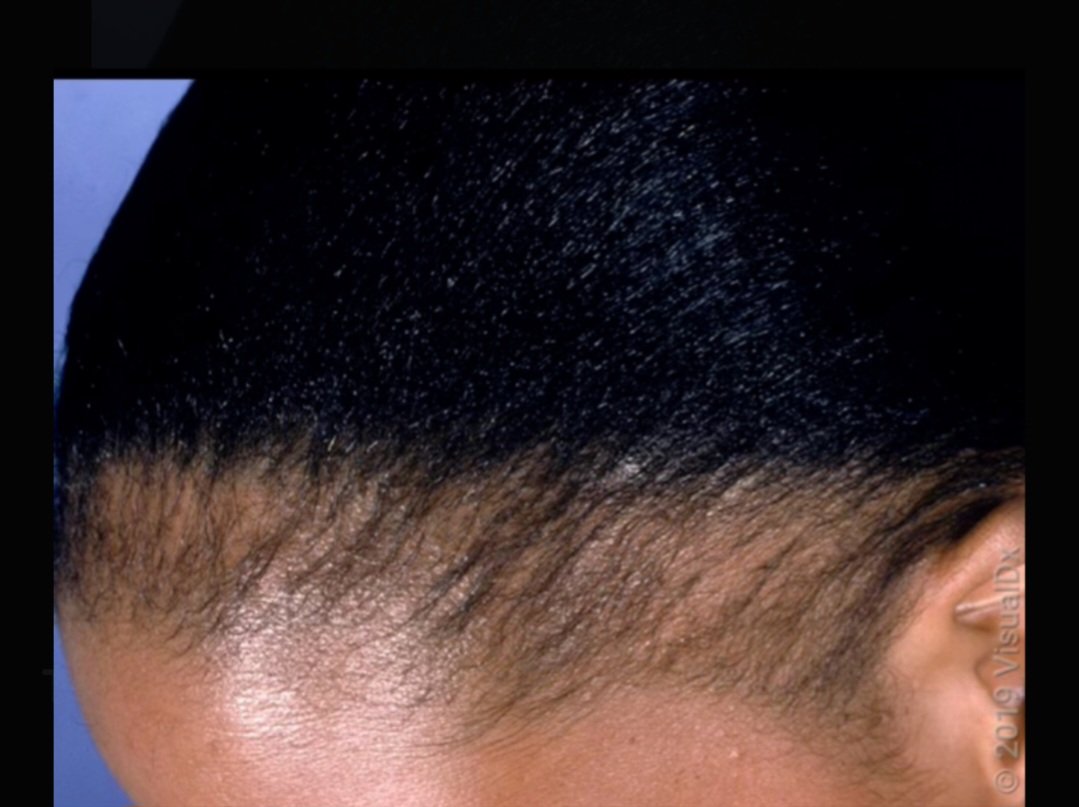
Have you noticed more women losing their hair and turning to wigs or shaving their heads?
It might interest you to know that hair loss in women (alopecia) has many underlying causes.
While it can be distressing, understanding the reasons is the first step toward addressing it.
Check the next post, bookmark and repost
Some time ago, a female patient presented with severe abdominal pain. She reported that she had been taking some medications which provided only slight relief.
The pain was intermittent but worsened until the day she came to the hospital.
After clinical examination, she was advised to be admitted. She agreed and immediately paid one-quarter of the deposit, promising to settle the balance before nightfall.
However, after receiving initial medication and showing improvement, she changed her mind. She insisted she no longer wanted admission and demanded to be discharged to go home.
When this was resisted, she became violent and was eventually asked to leave.
Do you think she shouldn't have been attended to until full payment?
Some time ago, a female patient presented with severe abdominal pain. She reported that she had been taking some medications which provided only slight relief.
The pain was intermittent but worsened until the day she came to the hospital.
After clinical examination, she was advised to be admitted. She agreed and immediately paid one-quarter of the deposit, promising to settle the balance before nightfall.
However, after receiving initial medication and showing improvement, she changed her mind. She insisted she no longer wanted admission and demanded to be discharged to go home.
When this was resisted, she became violent and was eventually asked to leave.
Do you think she shouldn't have been attended to until full payment?
I’ve seen different people using bleaching cream. Even some parents use it for their children. This is very dangerous and has serious side effects because of the harmful ingredients.
Here are the side effects of bleaching:
1. Mercury poisoning— Causes kidney damage/failure, neurological problems (tremors, memory loss), nervous system harm, and risks to unborn babies.
2. Hydroquinone risks— Causes permanent dark patches (ochronosis), rashes, irritation, skin thinning, and swelling.
3. Steroid side effects— Causes skin thinning, stretch marks, acne, easy bruising, infections, and hormonal imbalances.
4. Increased skin cancer risk — Due to reduced melanin and extreme sun sensitivity (photosensitivity).
5. Other long-term issues — Liver/kidney strain, scarring, uneven/patchy skin, infections, premature aging, and irreversible skin damage.
Repost and share for awareness.
Do you know that there was an infection that infected 500 million people , about 1/3 of the world’s population ,killing more than 20 million people?
It was the 1918 Spanish Flu (H1N1 influenza), which struck right in the middle of World War I. The virus likely started in a U.S. Army camp in Kansas and spread like wildfire through overcrowded troop ships, trenches, and cities.
Wartime censorship hid the truth in fighting nations, so neutral Spain’s open reports gave it the “Spanish Flu” name.
The deadliest wave hit in fall 1918. Healthy young adults suddenly dropped dead within days from severe pneumonia and suffocation. Hospitals and morgues were overwhelmed, public gatherings were banned, and people wore masks everywhere.
By 1920 it faded, but it killed far more people than the entire First World War. A reminder of how a tiny virus can dwarf even a global war.