Being the first week of June, all I could think having published on this topic was “Such late den emergence. I hope they managed to maintain some condition.”
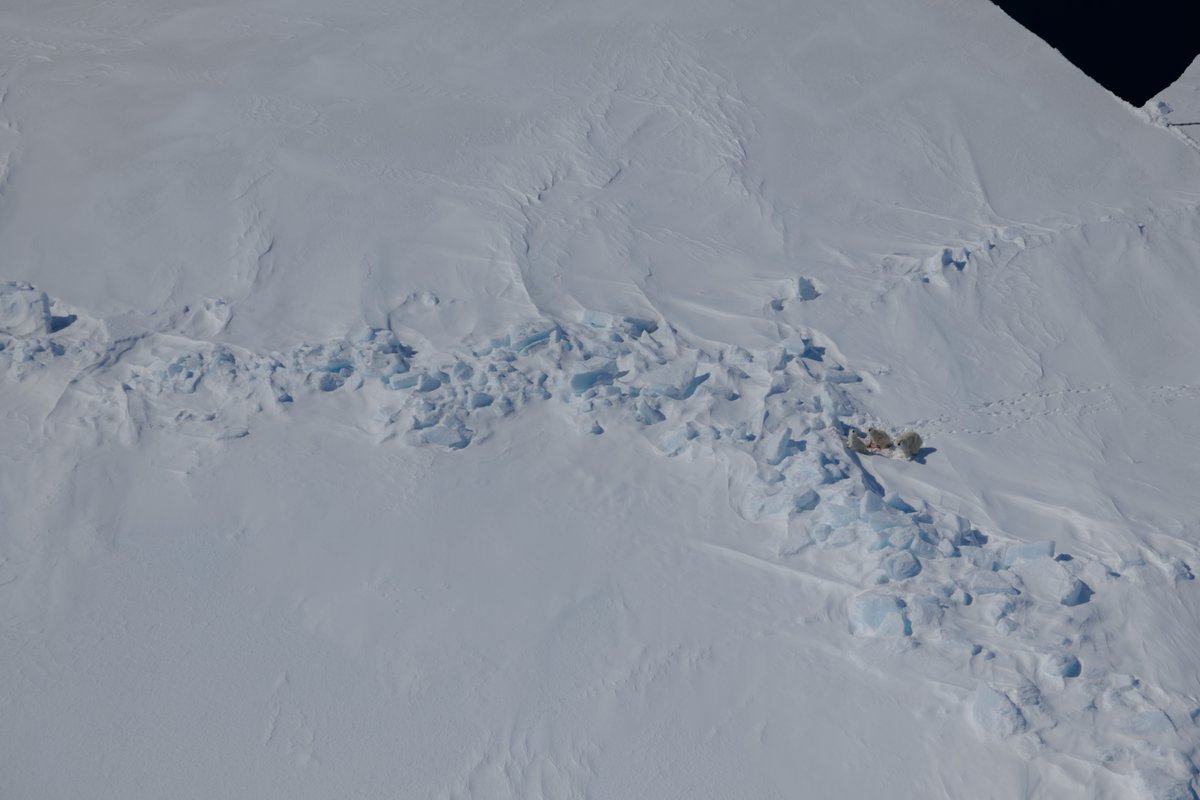
Lunchtime for a mom with 2 cubs-of-the-year. We're not sampling family groups so we just flew by these bears. They were sitting on top of a seal kill & weren't too interested in us. The cubs are a good size for being just 1.5 months out of the den - a good mom!
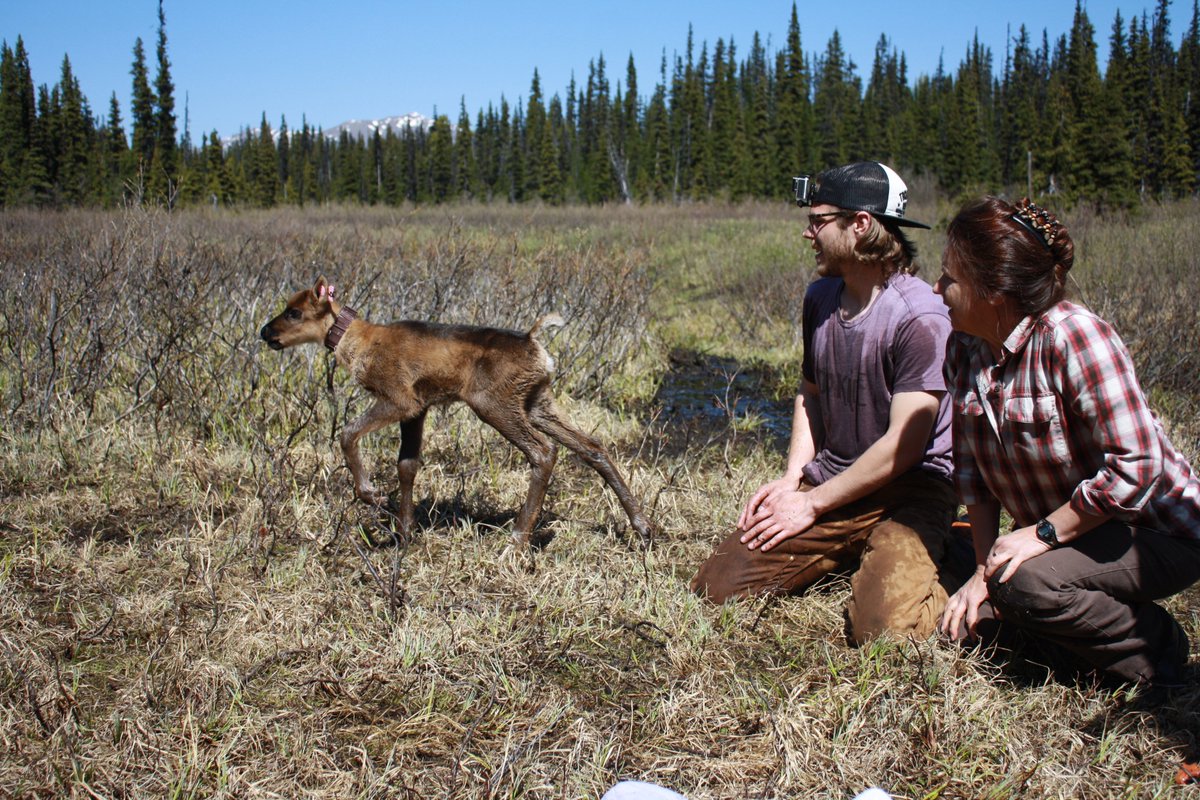
"There's no other place where we've tripled a herd of #caribou in such a short time," said #UBC scientist @ClaytonTLamb who worked with two First Nations on the comeback of the Klinse-Za herd.
https://t.co/LXXbNaTnHJ
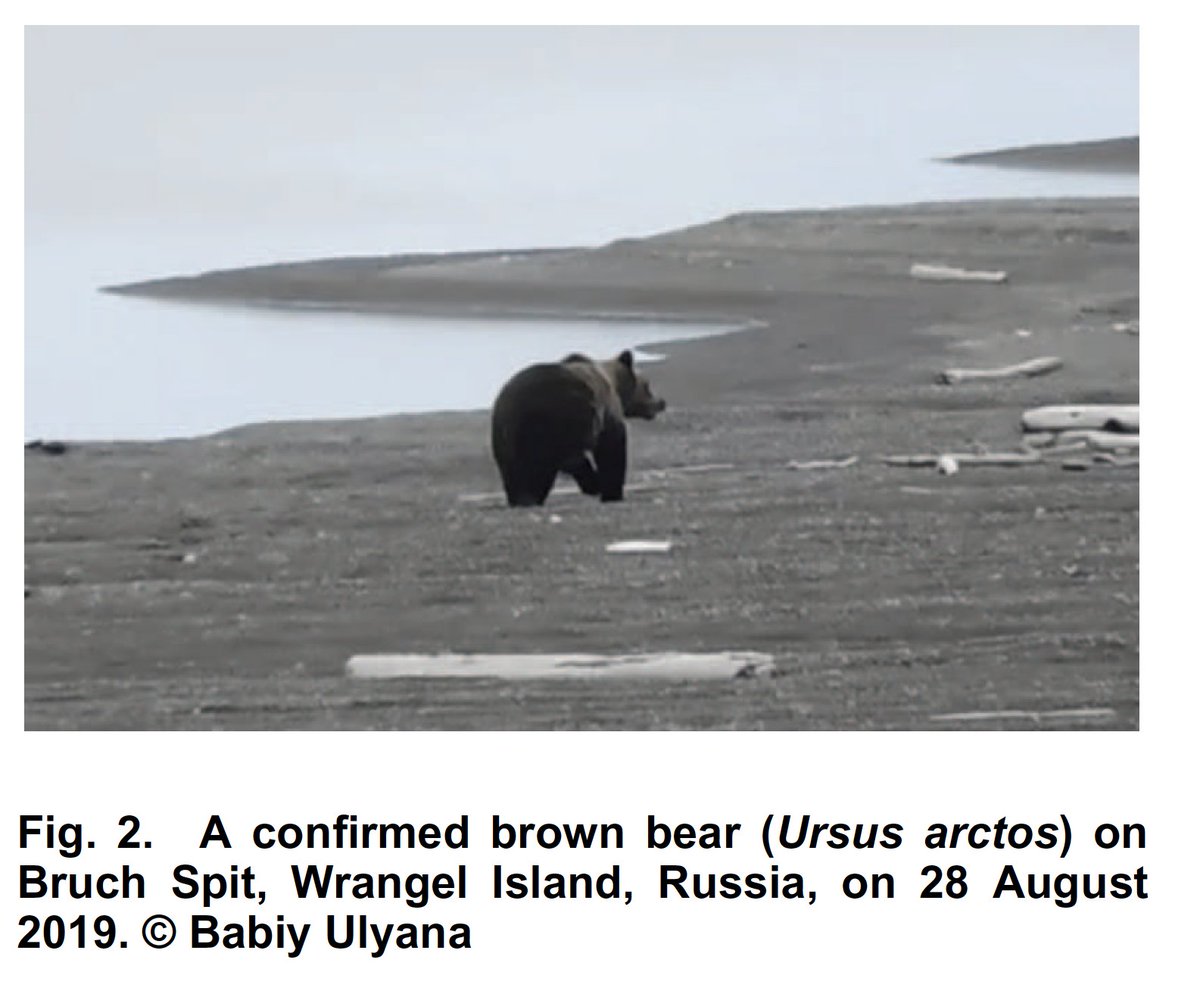
New paper in Ursus provides 1st evidence of brown bears on Wrangel Island, Russia. That bear crossed a lot of sea ice to get to the core of polar bear habitat.
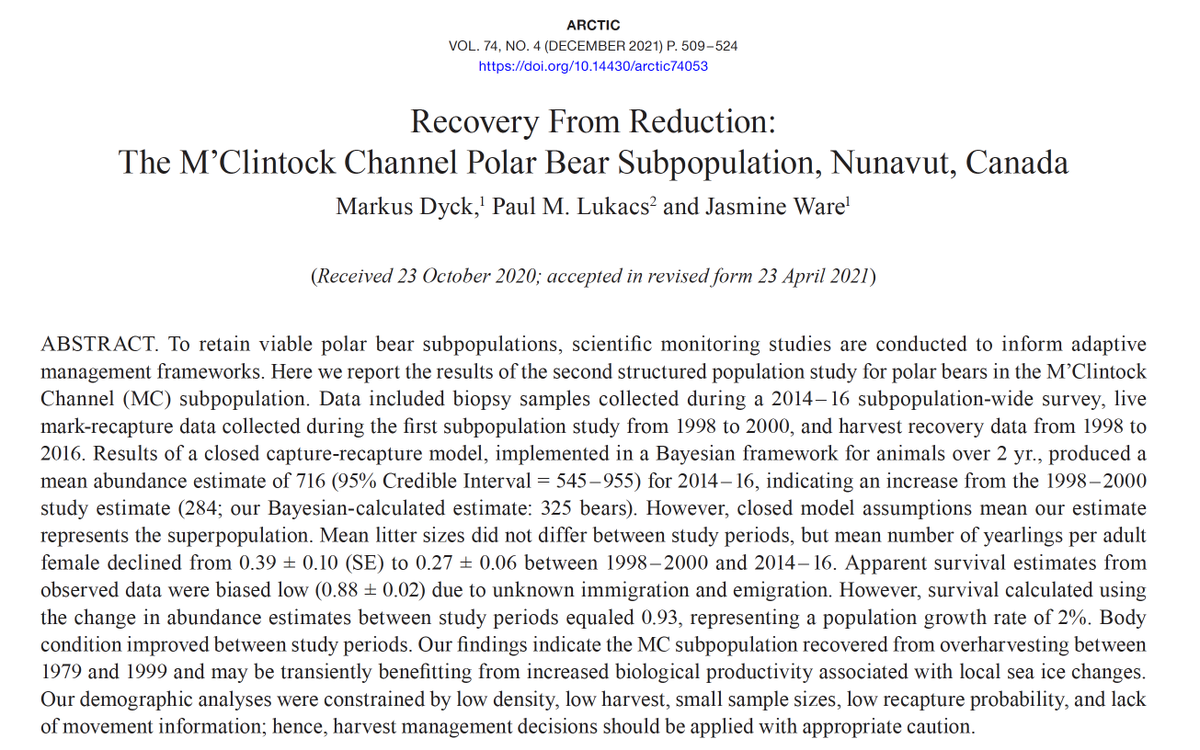
New polar bear paper shows population recovery from severe over-harvest over 18 years by growing at 2%. Project led by Markus Dyck who died in a helicopter crash last year: he made a difference & is missed.
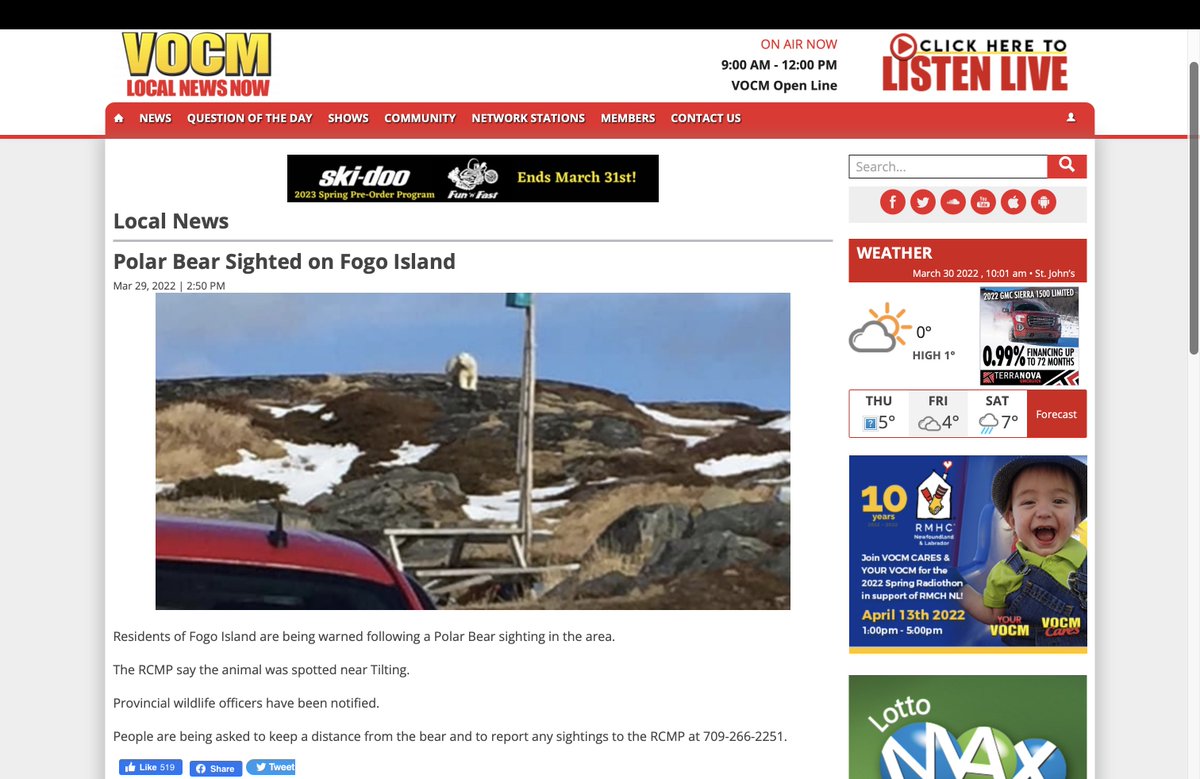
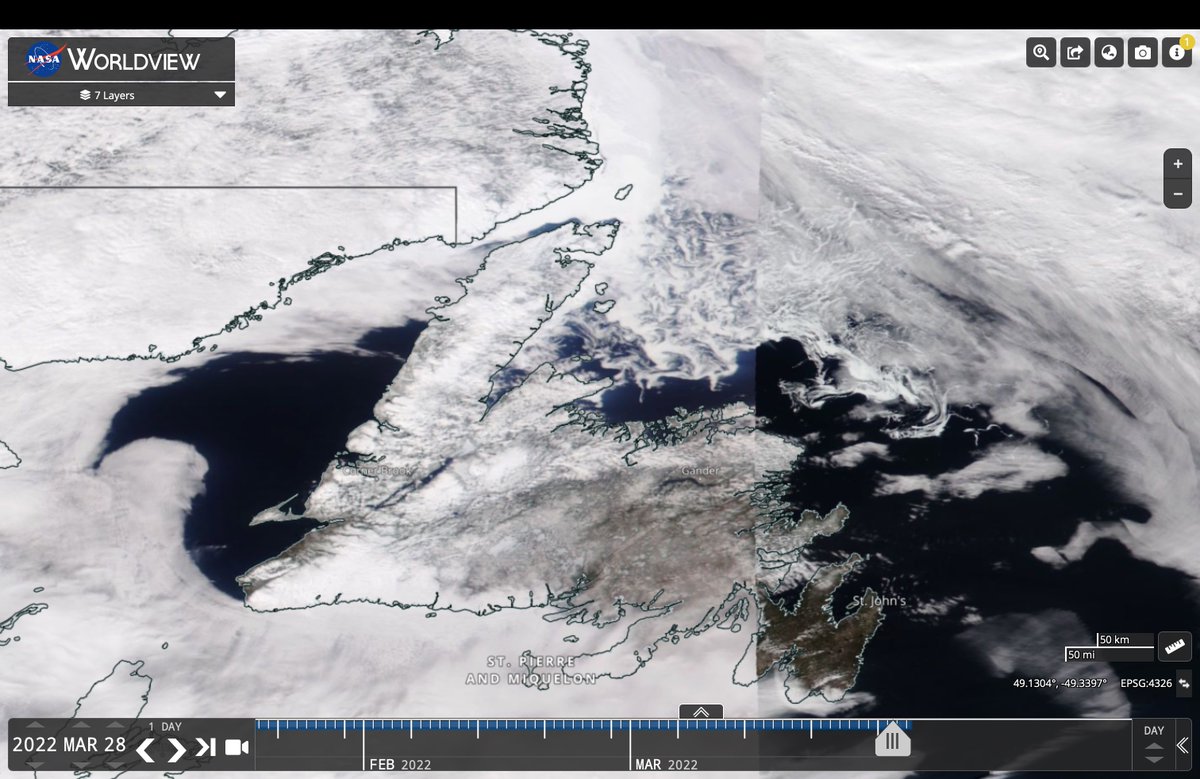
Polar bear on Fogo Island Newfoundland. It may find its way back to sea ice but there's a lot of water between land & where this bear should be. Bears in Newfoundland are common but we rarely know their fate. Long ago, bears could have feasted on Great Auks on Fogo Island.
The disappearing ice in the Barents Sea is quite remarkable for March - this is the area within polar bear habitat with the most rapidly disappearing ice cover (>30 days of ice cover lost / decade).
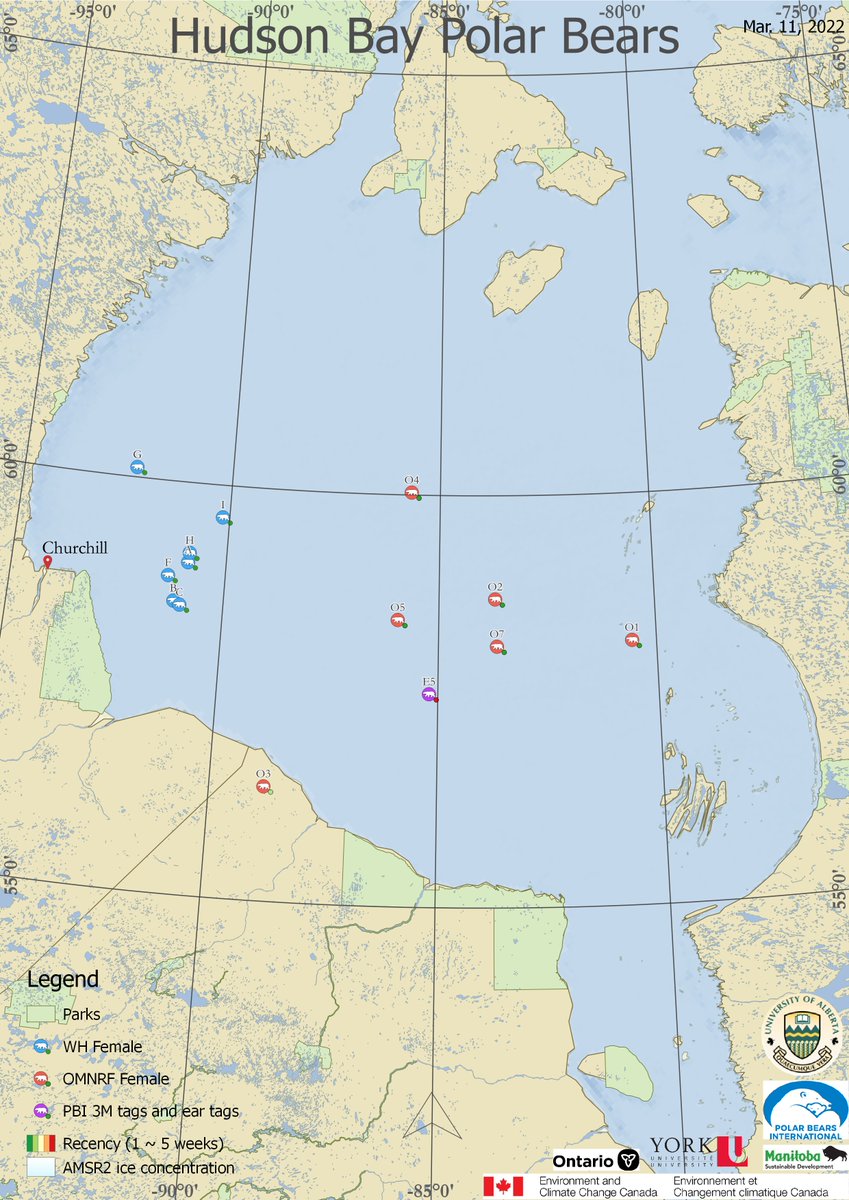
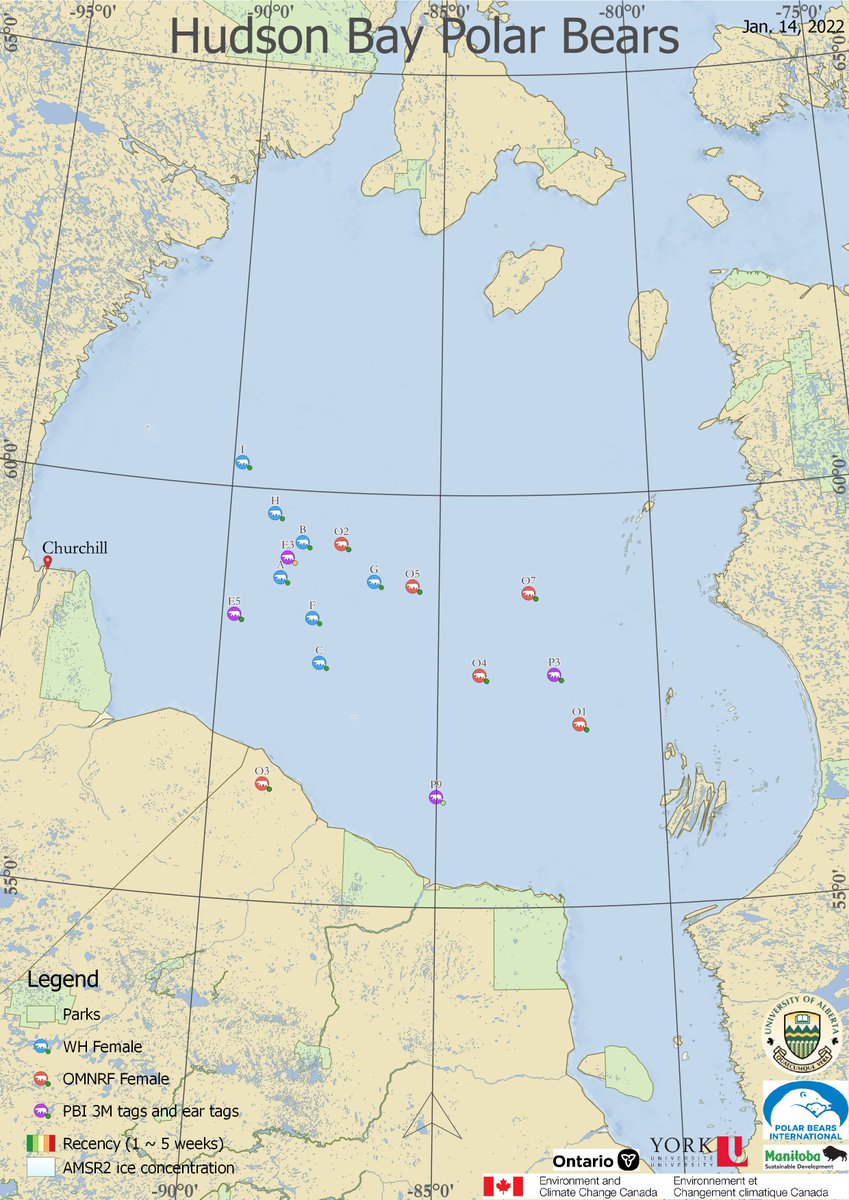
Satellite tracked polar bears are split east & west: blue bears were collared just south of Churchill & orange ones east & closer to Ontario. They're well separated. Most are still quite far south compared to past years. Maybe they've found good hunting conditions?
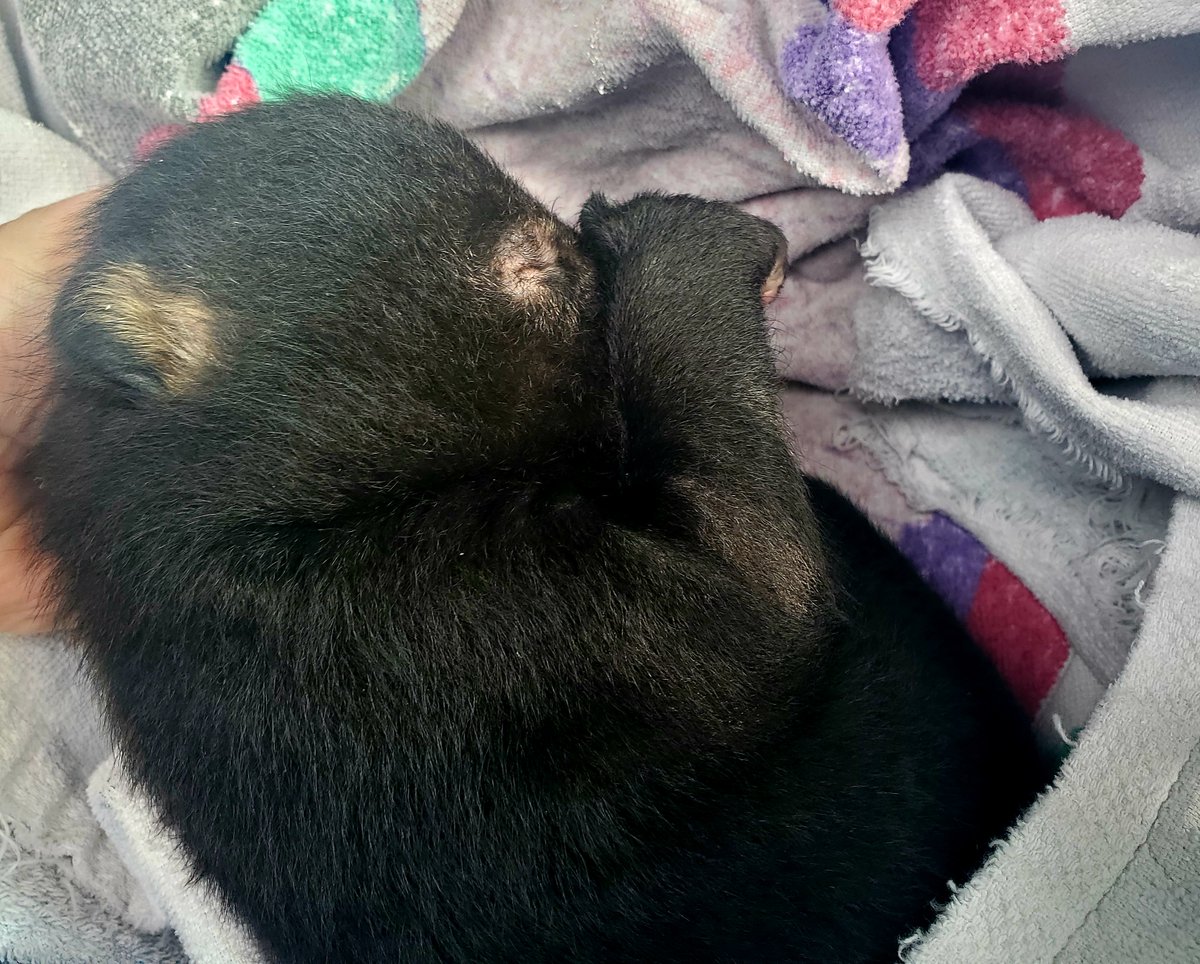
Biologists at @ncwildlife say if you find a bear den, leave it alone. Black bears are very resourceful in finding places to shelter late December through April as cold weather lingers and cubs are born.
Read more: https://t.co/ORXoPMY2Jt
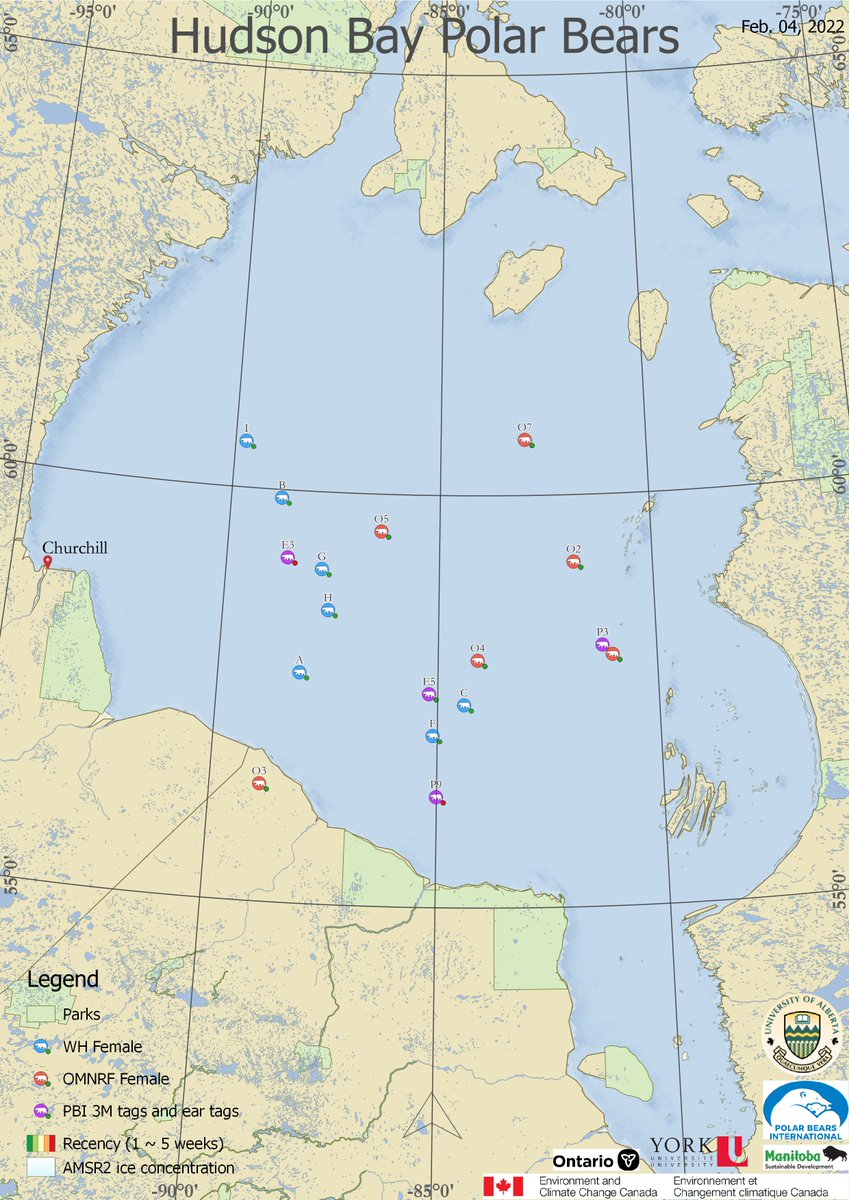
Hudson Bay polar bears are spread far & wide. Seal hunting isn't great in mid-winter. Most bears won't put on weight until spring so an early break-up is always a challenge for the bears.
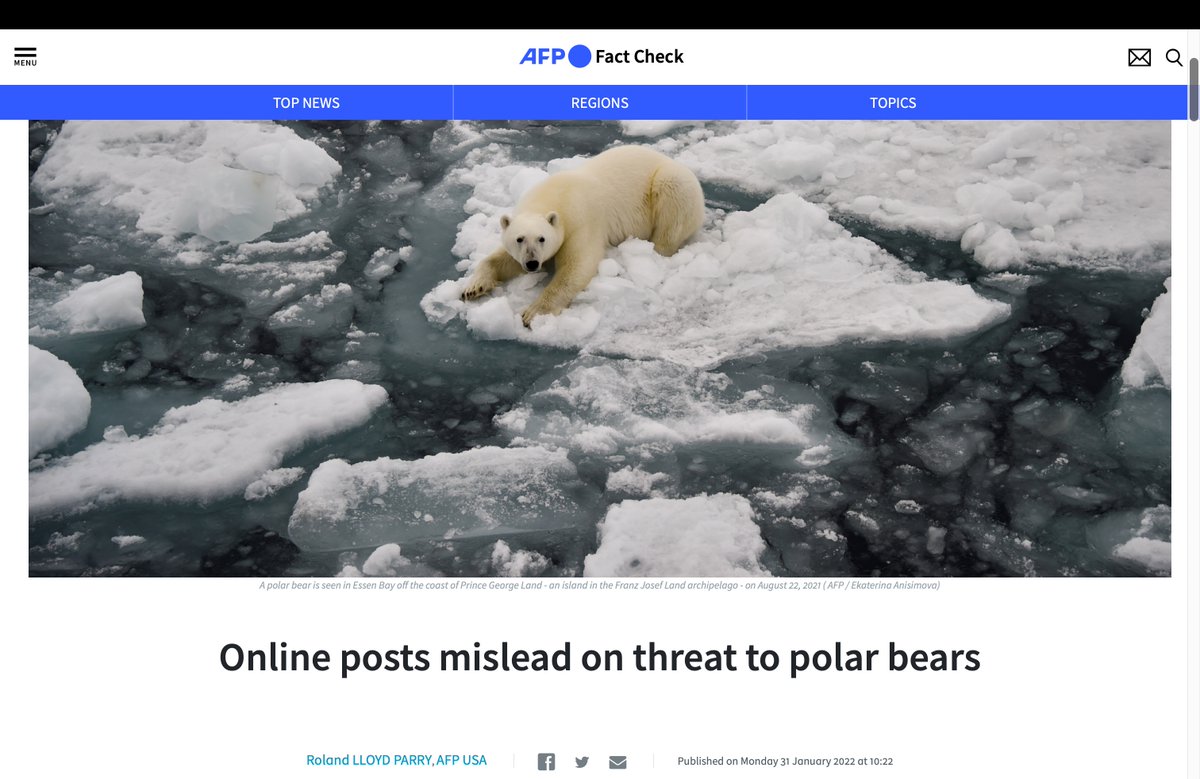
A new article examining the ongoing antics of climate change deniers & polar bears. They still try to confuse with misrepresentation of facts. However, the threat of climate change to polar bears is clearer with every peer-reviewed paper.
https://t.co/mbOwgzlrtG
Hudson Bay polar bears are well offshore & with luck, killing seals. Winter is a tough time for the bears & they're in an energy maintenance mode until seals pup in spring. The rapid energy gain window for the bears starts in April & continues until ice melt.