Welcome to Beaura ✨
Handmade jewelry crafted with love, designed to shine with your aura. 💕
Explore bracelets, necklaces & more — each piece tells a story.
DM to order 🦋
#beaura#handmadejewelry
A funeral. A ceremony. A message.
More than a farewell, state funerals can reflect power, symbolism, and political messaging. From the Qur’anic verses recited during the arrival of foreign delegations to the ceremony’s key moments, every moment tells a story.
Join us as we unpack _Khamenei’s Funeral: The Optics of Power_ exploring its symbolism, succession dynamics, political messaging, and what it could reveal about Iran and the wider region.
🗓 9 July | ⏰ 9:30pm
🎙 X Space
Iran to limit Hormuz transit to 15 ships per day under ceasefire
——
Iran will allow only 15 ships per day to pass through the Strait of Hormuz under its ceasefire deal with the United States, according to Russia’s TASS news agency, citing a senior Iranian source.
#Iran #StraitOfHormuz #MiddleEast #Geopolitics #Oil #Energy #GlobalMarkets #BreakingNews #WorldNews
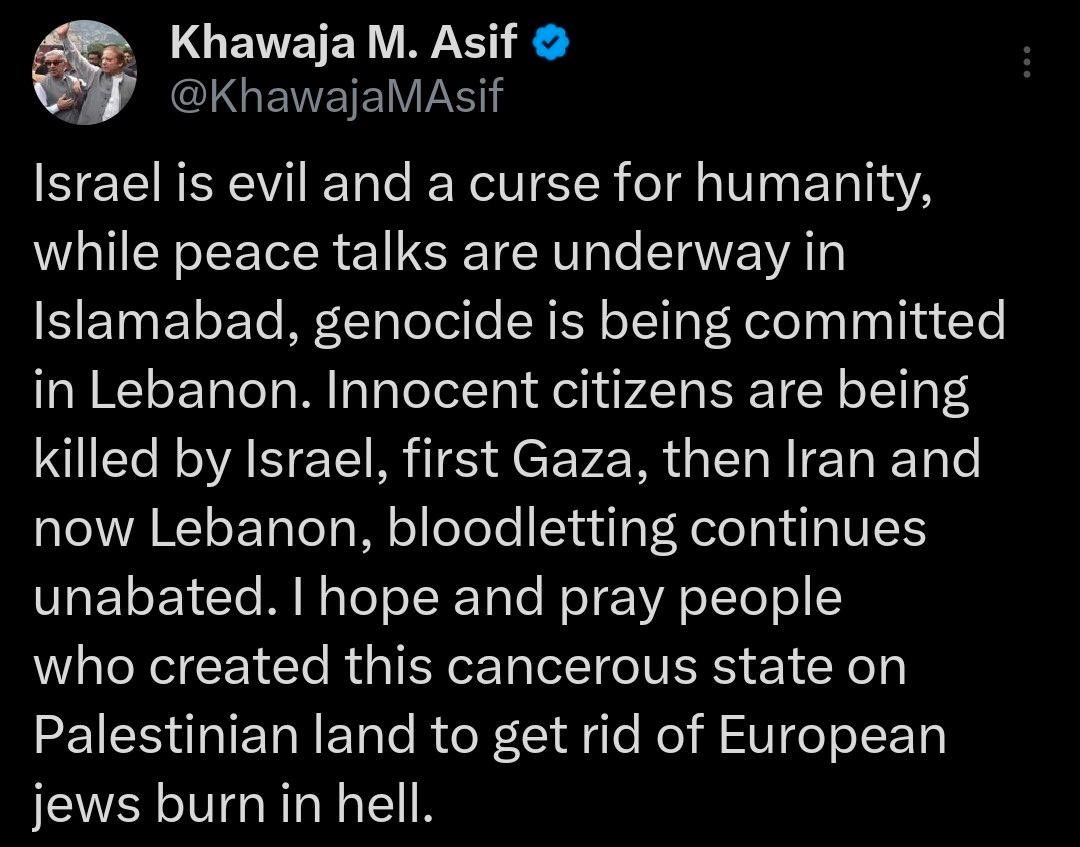
Khawaja Asif Flags Worsening Middle East Crisis, Calls Out Cycle of Violence
Pakistan’s Defence Minister Khawaja Muhammad Asif has strongly condemned the continued loss of civilian lives amid escalating tensions across the Middle East, warning that violence is spreading across multiple fronts.
He noted that while diplomatic efforts and peace talks are underway in Islamabad, the humanitarian situation continues to worsen in Lebanon. Referring to earlier devastation in the Gaza Strip and rising tensions involving Iran, Asif described the situation as an ongoing cycle of violence in which civilians are paying the highest price.
In his remarks, Asif also criticized the historical foundations of the conflict, expressing anger over the creation of the state of Israel on Palestinian land and holding its backers responsible for the continuing instability in the region. He concluded with a deeply charged statement reflecting frustration over what he described as prolonged injustice and suffering.
The All Parties Hurriyat Conference (APHC) has said that state institutions in Indian illegally occupied Jammu and Kashmir have broken all records of human rights violations. According to the organization, India has maintained its control over the region against the will of the Kashmiri people through the use of force, while also attempting to dominate not only the land but also the minds and hearts of the population through harsh and repressive policies. The continued silence of the international community has further worsened the situation, as a result of which the basic rights of the Kashmiri people are being affected.
In Indian illegally occupied Kashmir, several stringent laws have been imposed that grant extensive powers to state institutions, including PSA, AFSPA, UAPA, NSA, and others. Under these laws, include prolonged arrest without fair trial, extrajudicial killings, torture, enforced disappearances, destruction of homes, and severe restrictions on freedom of expression.
In India, there is a growing trend of Hindutva extremism based on racial and religious lines, under which Muslims—particularly Kashmiris—are being targeted. Similar broader pattern is being followed by Hindutva ideology as has been observed in the case of Zionist practices in the context of Palestine.
In a constitutional and secular state whose laws guarantee equal freedom and rights to all citizens, are these principles being upheld, or are these laws being used in contradiction to their intended purpose? Does the international community appear to be failing in its responsibilities, first in Palestine, then in Iran and Lebanon, and now in Kashmir?
#india #JammuAndKashmir #InternationalLaw #HumanRights
New Bangladesh, Old Ties?
Despite a revolution meant to redefine the nation, Dhaka's new leadership appears to be rapidly returning to a familiar "Delhi-first" playbook. With Foreign Minister Khalilur Rahman's recent visit to New Delhi, many are left asking: Is the "New Bangladesh" just following an old script?
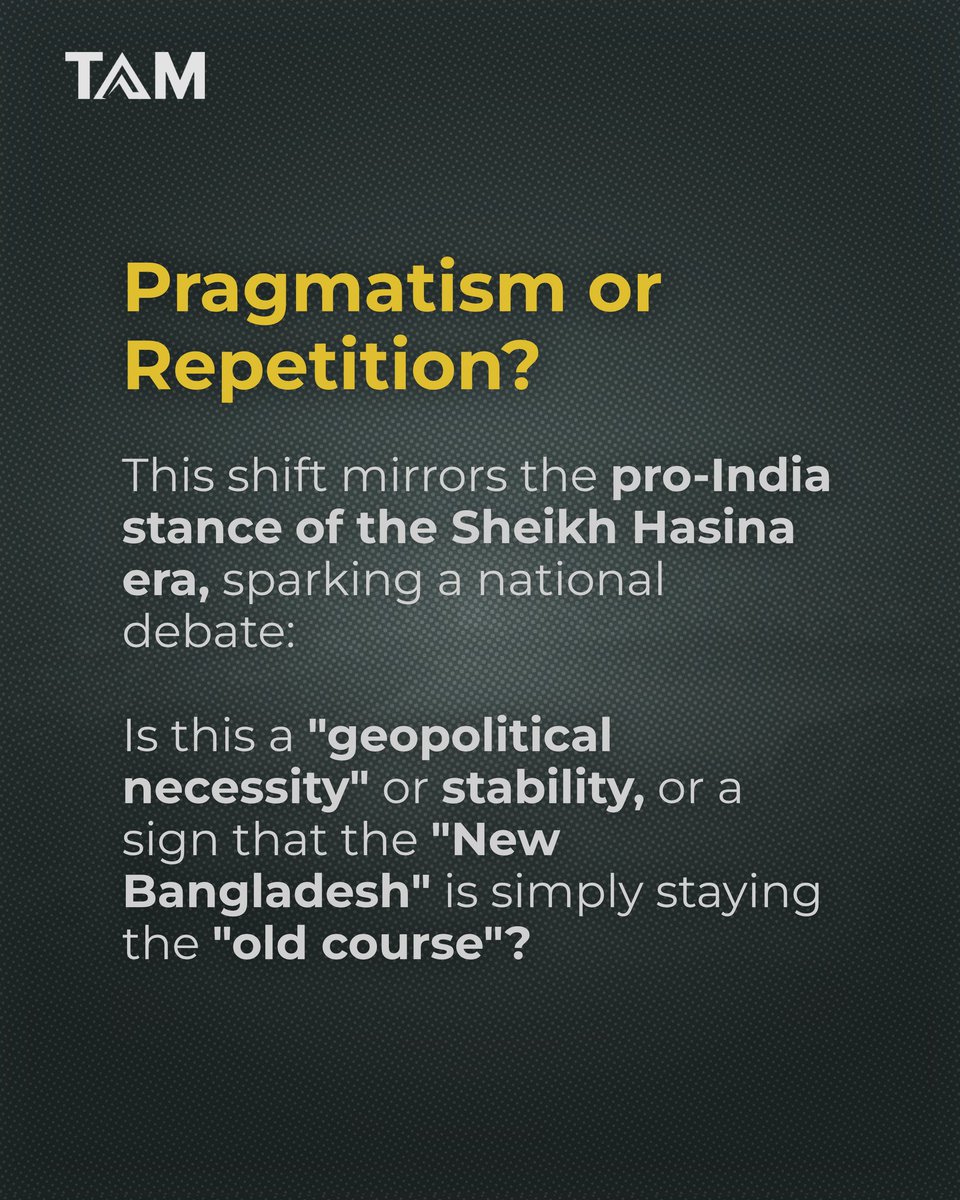
From leaning on India for energy security to fast-tracking the Ganga Water Sharing Treaty, the current administration's moves closely mirror the pro-India stance of the Sheikh Hasina era.
This brings up a crucial national debate: Is this renewed engagement a pragmatic geopolitical necessity for regional stability and economic growth, or is the "New Bangladesh" simply staying the old course?
#Bangladesh #India #SouthAsianPolitics
On Friday, April 10, Israeli occupying forces carried out a series of airstrikes targeting the southern Lebanese town of Kfar Rumman and the city of Nabatieh.
On April 7, just a day after the anticipated ceasefire between the US and Iran, Israel intensified its attacks on Lebanon. These strikes caused significant casualties, in response to which a day of mourning was observed across Lebanon yesterday.
Israel and the United States claim that Lebanon is not included in this ceasefire, whereas Iran and Pakistan argue that the agreement also includes a ceasefire in Lebanon and a halt to the bombardment there. However, Washington is expected to attempt to broker a ceasefire between Israel and Lebanon.
Will the United States succeed in stopping Israeli bombardment and establishing a ceasefire between the two countries? Or will it be a so-called ceasefire in name only���similar to the Gaza peace plan—after which Israeli attacks and war crimes continue?
#Lebanon #Israel #washington #Airstrikes #MiddleEast #ceasefire #HumanRights
STRAIT OF HORMUZ SHIPPING RESTRICTIONS
Shipping through the Strait of Hormuz remains heavily restricted, with current vessel movements largely limited to Iran-linked or Iran-approved ships.
Recent tracking data indicates that normal commercial traffic has dropped sharply, with most international carriers avoiding the route due to ongoing security tensions and operational uncertainty. In practice, only a small number of vessels with coordination or affiliation linked to Iran have been observed transiting in recent days.
The Strait, which is one of the world’s most critical oil transit points, continues to operate under tight control conditions, with shipping firms reporting disrupted schedules and heightened risk assessments.
The situation highlights sustained pressure on global maritime routes, as access remains conditional and far below normal transit levels, affecting regional and international trade flows.
#StraitOfHormuz #MaritimeSecurity #Iran #GulfRegion #EnergySecurity #MiddleEast
IRAN-US TALKS CENTERED ON 10-POINT PROPOSAL
A senior Iranian diplomat has stated that upcoming negotiations between Iran and the United States will be based on Iran’s 10-point ceasefire proposal, which will serve as the framework for discussions.
The diplomat Majid Takht-Ravanchi, Iran’s Deputy Foreign Minister for Political Affairs. He made the remarks during a meeting with ambassadors and representatives of foreign missions and international organizations in Tehran.
He said Iran’s approach to talks is “responsible,” but stressed that negotiations must not be based on pressure, misinformation, or conditions that could lead to renewed military escalation.
He further emphasized that any agreement must include clear guarantees to prevent future attacks and ensure that dialogue is not used as a cover for renewed aggression.
According to his statement, Iran has consistently maintained that it welcomes diplomacy, but rejects negotiations conducted under coercion or military pressure.
He also described recent developments as part of a broader conflict environment involving attacks on Iranian territory and infrastructure, which Tehran views as violations of international law.
The statement comes in the backdrop of a rapidly escalating conflict environment. Earlier phases of the confrontation saw reported strikes targeting multiple categories of infrastructure inside Iran, including schools, hospitals, nuclear-related sites, industrial zones, oil facilities, and bridges, alongside continued military exchanges between involved parties.
The Strait of Hormuz has also faced disruption concerns, raising fears over global energy supply stability and broader economic impact due to its strategic importance in international oil transit.
With ceasefire arrangements described as fragile and reports of continued strikes even during de-escalation attempts, questions remain over the durability of any negotiated settlement.
If talks proceed without balance or mutual guarantees, concerns persist that agreements could become one-sided or fail to address underlying security and political disputes, potentially leading to renewed escalation once temporary pauses collapse.
The key uncertainty now is whether diplomacy can move forward on equal terms for both sides, or whether continued pressure-based approaches will keep the region locked in recurring cycles of conflict and instability.
#Iran #Iran #UnitedStates #Ceasefire #MiddleEast #InternationalRelations
GHAZIABAD INCIDENT
In Uttar Pradesh’s Ghaziabad district, a 15-year-old boy named Faizan was stabbed and later died from his injuries in the Loni area.
According to local reports, the victim, a minor from a low-income family, had stepped out near his home when he was attacked and stabbed multiple times. Police have detained two suspects in connection with the incident.
The case has sparked concern over recurring incidents of violence affecting vulnerable communities and raised questions about law enforcement effectiveness and public safety.
Observers note that such incidents contribute to broader debates on minority security, rule of law, and the need for stronger protection mechanisms for civilians, particularly children, in sensitive areas.
#Ghaziabad #UttarPradesh #LawAndOrder #IndiaNews #HumanRights #MinoritySafety
IRAN CONDITIONS TALKS WITH US AMID REGIONAL TENSIONS
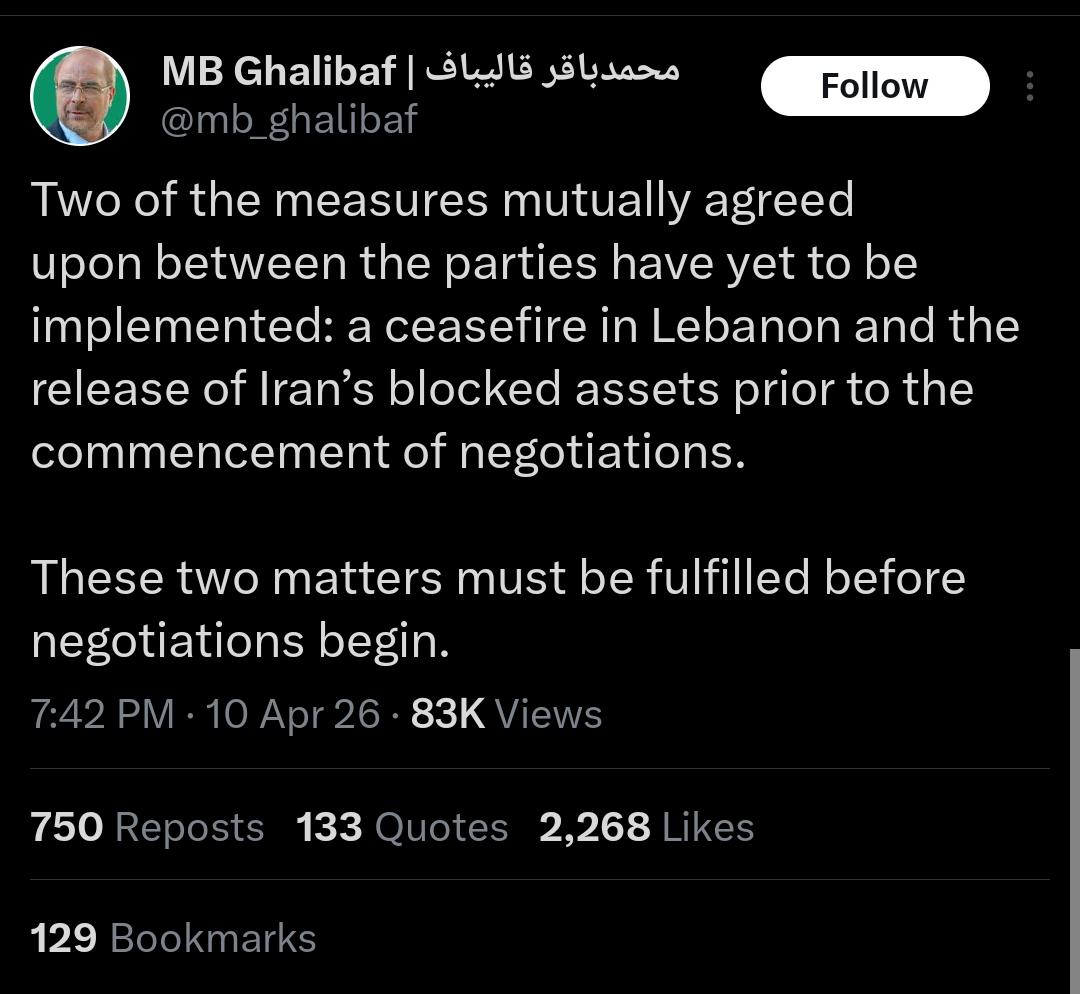
Mohammad Baqer Ghalibaf, who is expected to lead the Iranian delegation in upcoming discussions in Pakistan, has stated that negotiations with the United States should only proceed under specific conditions.
According to his statement, any talks would first require a ceasefire in Lebanon and the release of Iranian frozen or blocked assets before formal engagement with the US begins.
The remarks highlight Iran’s position that diplomatic negotiations cannot move forward without addressing what it describes as ongoing regional military pressure and financial restrictions.
The statement raises broader questions about the current state of the conflict and diplomatic environment, particularly how negotiations can proceed if hostilities in Lebanon are still ongoing and regional tensions remain active.
It also brings attention to unresolved issues surrounding frozen Iranian assets and wider sanctions, which continue to remain a central point of dispute between Tehran and Washington.
At the core of the situation is a key question: how can meaningful negotiations take place while military escalation and economic restrictions are still in effect across the region, and without clear steps toward de-escalation on all sides?
#Iran #MiddleEast #Ceasefire #Lebanon #Sanctions #Geopolitics #RegionalTensions
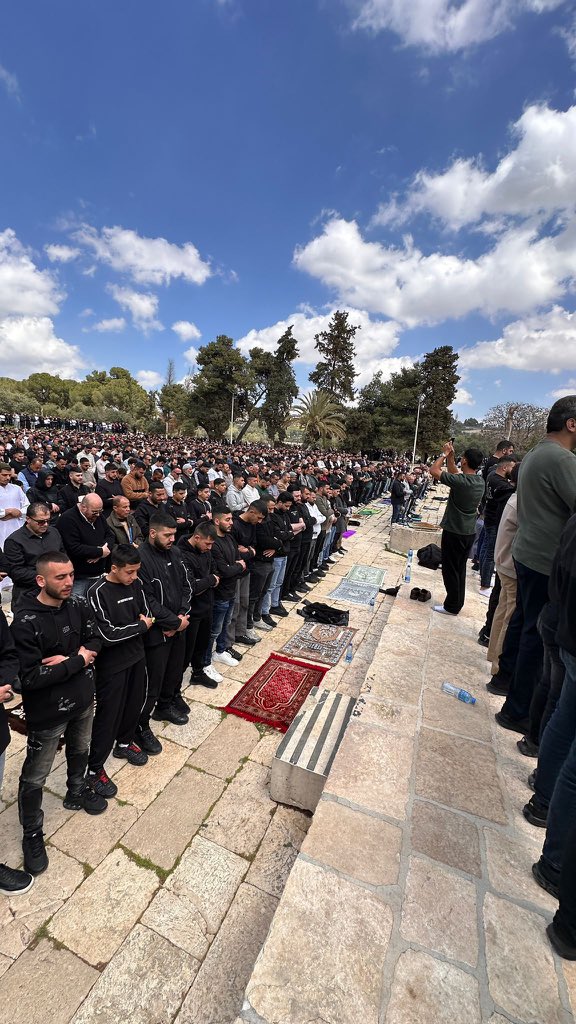
MASS FRIDAY PRAYERS AT AL-AQSA MOSQUE
More than 100,000 Palestinians performed Friday prayers at Al-Aqsa Mosque, according to local reports.
Large crowds gathered across the mosque compound, with worshippers filling prayer areas in one of the most significant weekly congregations at the site.
The event reflects continued high levels of public presence at Al-Aqsa amid ongoing regional tension.
#AlAqsaMosque #Jerusalem #Palestine #MiddleEast
PAKISTAN NAVY CONDUCTS RESCUE OPERATION IN ARABIAN SEA
Pakistan Navy has confirmed that it successfully evacuated 18 crew members from a merchant vessel in distress in the North Arabian Sea.
According to the military statement, the ship issued an emergency distress call before the navy launched a swift response operation and carried out the evacuation at sea.
All rescued crew members were brought to safety following the operation, which highlights ongoing maritime safety and emergency response efforts in regional waters.
#PakistanNavy #ArabianSea #NavalOperations #MaritimeSecurity
ROCKET IMPACTS IN NORTHERN ISRAEL
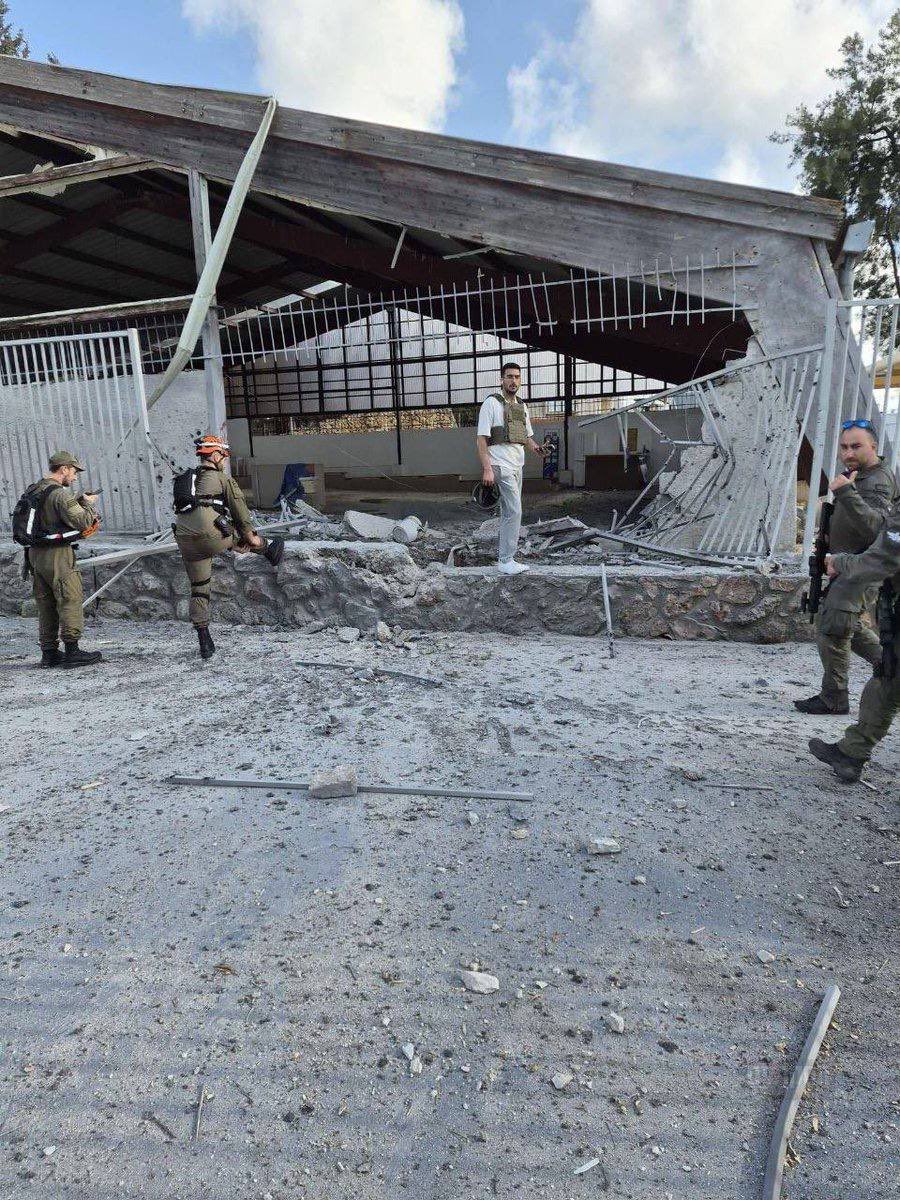
Missiles launched by Hezbollah have impacted areas in Nahariya, northern Israel.
Explosions were heard and impacts were recorded in the city and surrounding areas, as cross-border exchanges between the two sides continue to escalate.
Authorities have not yet released full details regarding damage or casualties.
The incident comes amid ongoing hostilities along the Lebanon-Israeli border, where exchanges of fire have intensified in recent days.
#Israel #Lebanon #MissileAttack #CrossBorderClashes #MiddleEast
ROCKETS SPOTTED OVER OCCUPIED PALESTINIAN TERRITORY
Rockets fired by Hezbollah have been spotted in the skies over Israeli-occupied Palestinian areas.
The launches mark another escalation in cross-border exchanges, with aerial activity visible across multiple locations amid ongoing tensions between Lebanon and Israel.
The situation continues to evolve as both sides remain on high alert, with further developments expected as the confrontation intensifies.
#Lebanon #Israel #OccupiedPalestine #RocketAttack #MiddleEast #BorderTensions
NETANYAHU EXPELS SPAIN FROM GAZA CEASEFIRE HUB
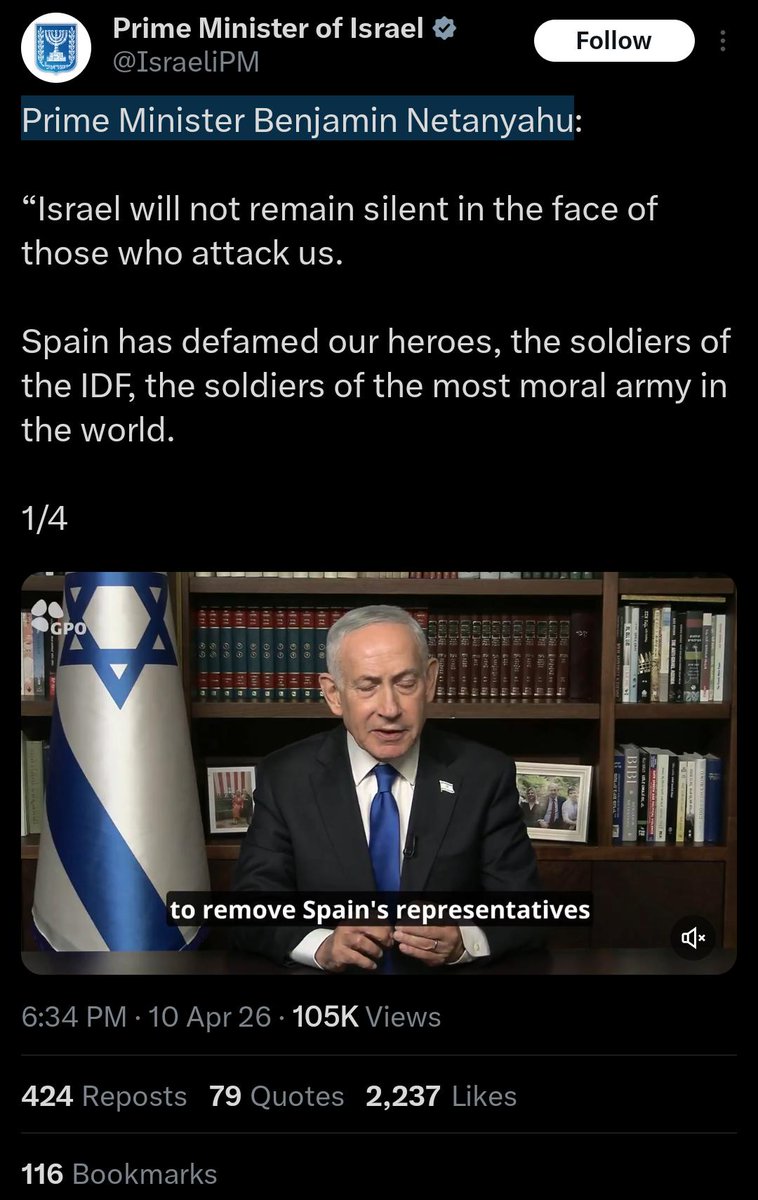
Israeli Prime Minister Benjamin Netanyahu has announced the removal of Spain from a civil-military coordination center established under a ceasefire framework linked to Donald Trump’s peace plan.
The decision comes amid Spain’s continued criticism of Israel’s military actions in Gaza, Iran, and Lebanon, as well as its policies in the occupied West Bank.
Netanyahu defended the move, accusing Spain of hostility and stating that Israel would not tolerate what he described as diplomatic attacks.
The development raises broader concerns, if countries voicing criticism over ongoing conflicts and humanitarian issues are removed from coordination platforms, what does that mean for the credibility of such “peace” mechanisms?
Does participation depend on alignment with one side, or on raising all aspects of the conflict, including humanitarian crises, occupation, and regional escalation?
#Netanyahu #Spain #MiddleEast #Diplomacy #Israel
On Friday afternoon, 10 April, Iran’s designated ambassador to Lebanon, Mohammad Reza Sheibani, held a telephone conversation with Iranian Foreign Minister Abbas Araghchi. During the call, he briefed him on the overall situation in Lebanon and the ongoing continuous Israeli attacks.
Araghchi, while condemning the Israeli attacks and crimes, expressed solidarity with Lebanon on behalf of the Iranian government and people, along with support for Lebanon.
Araghchi also said during the discussion that the Iran–US ceasefire-related understanding also includes Lebanon. He further stated that the United States must uphold its commitments, which, according to him, also involve Lebanon being part of this ceasefire agreement.
#Lebanon #Iran #Israel #MiddleEast #Ceasefire #Diplomacy
Iranian Delegation Arrives in Islamabad, Received by Top Pakistani Leadership
Islamabad — A high-level Iranian delegation arrived in the capital on an official visit, marking a significant development in ongoing diplomatic engagements between the two neighboring countries.
Upon arrival, the delegation was received by Pakistan’s Chief of Army Staff, Field Marshal Asim Munir, along with Foreign Minister Ishaq Dar and Interior Minister Mohsin Naqvi.
The reception underscores the importance Islamabad places on its ties with Tehran, particularly at a time of heightened regional tensions and evolving geopolitical dynamics. Officials are expected to hold discussions on bilateral cooperation, security matters, and regional stability during the visit.
Further details regarding the delegation’s agenda and outcomes of the meetings are expected to be released following formal talks.