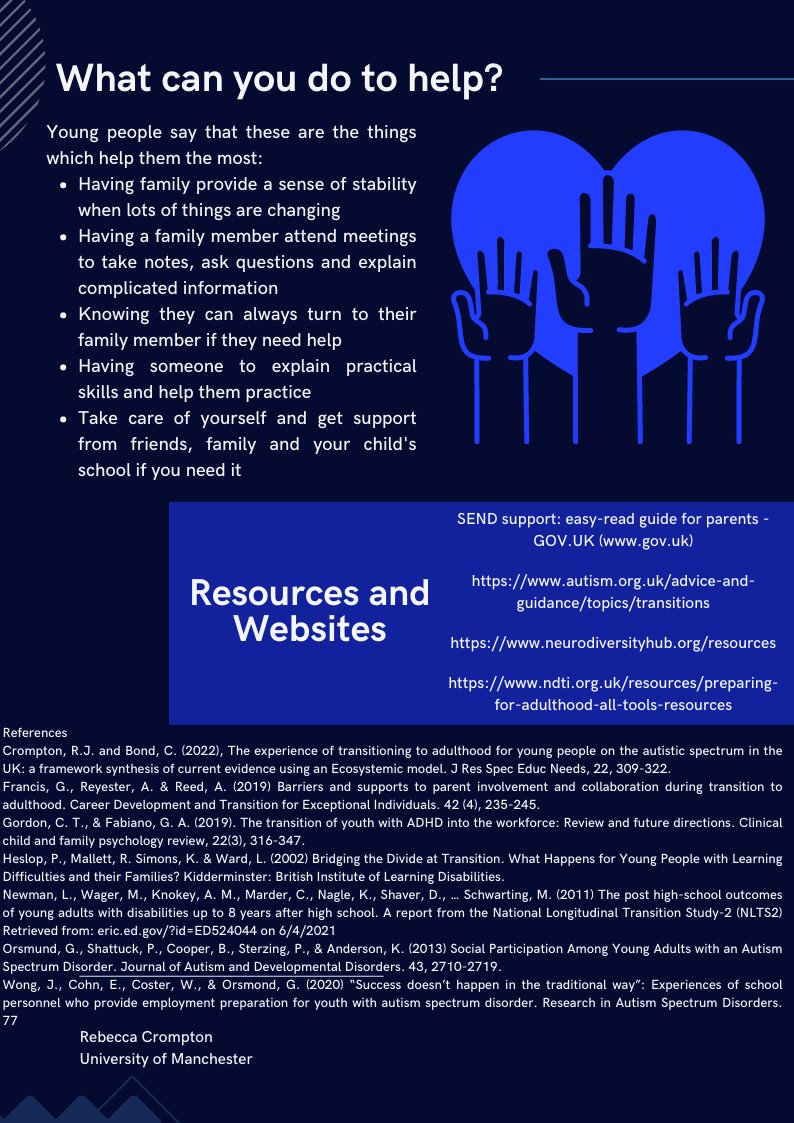
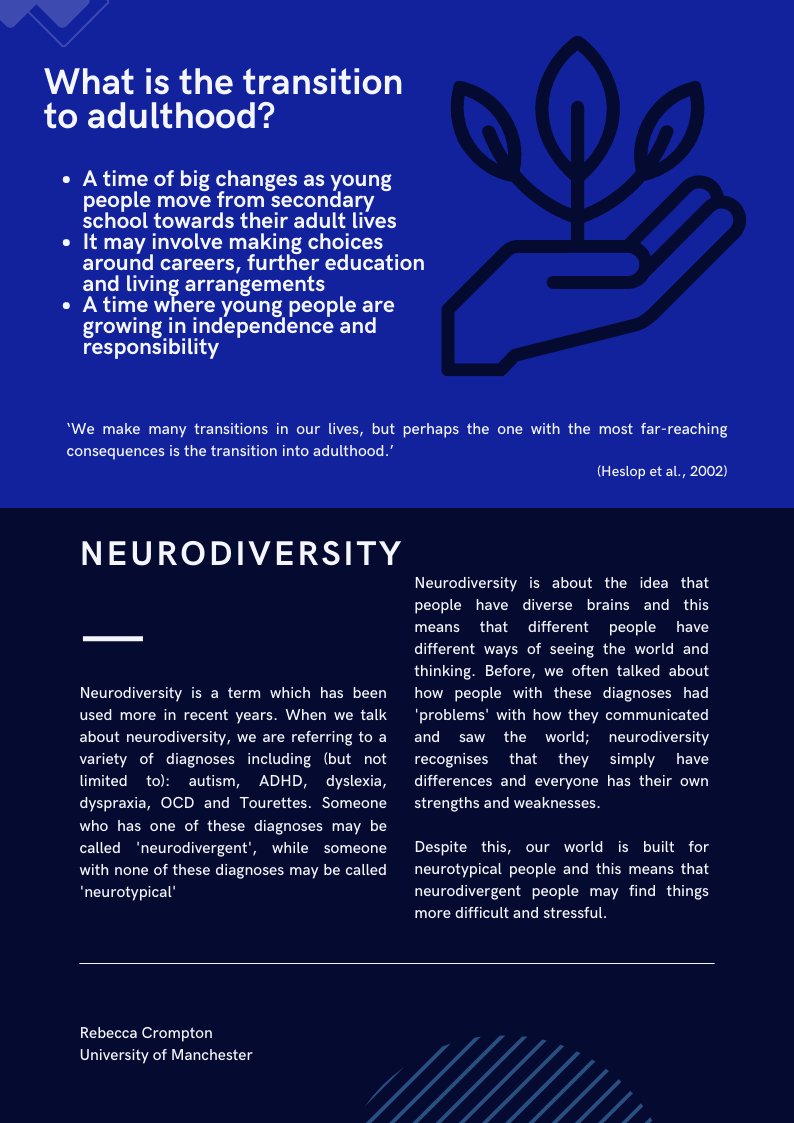
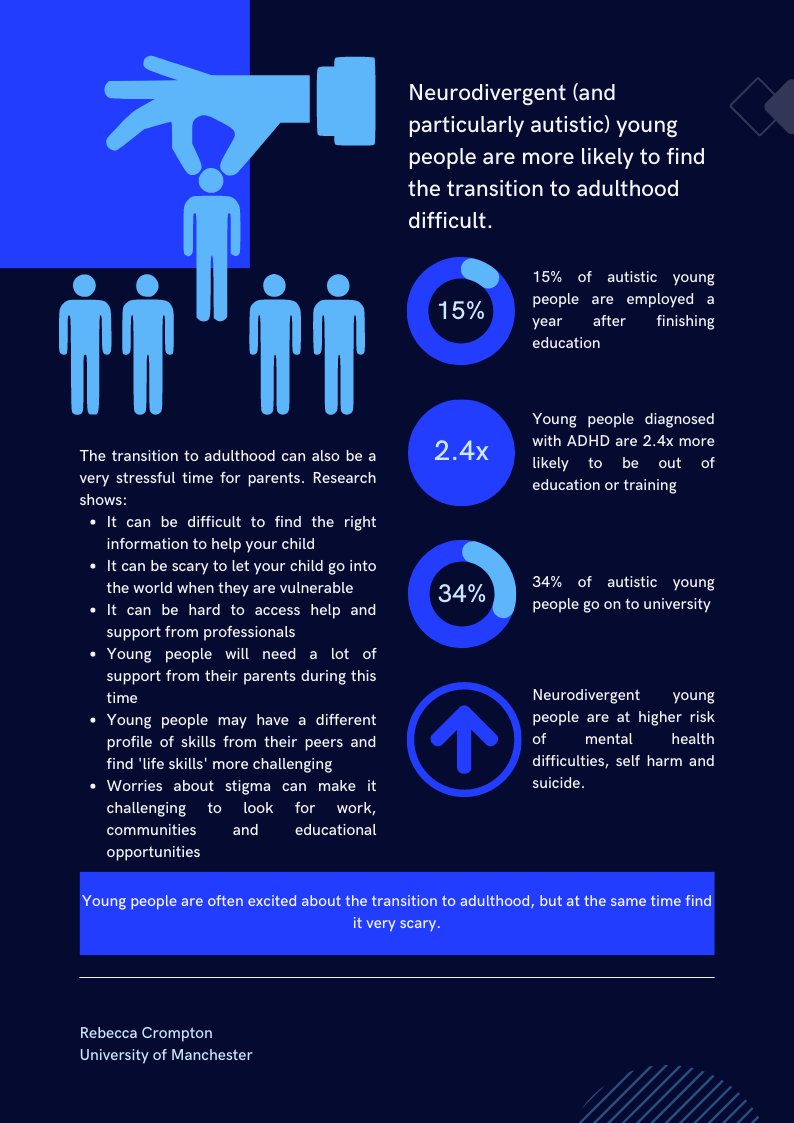
As part of my thesis project on the #transitiontoadulthood for #neurodivergent young people, I've tried to summarise my findings into three guides. These are very light touch and intended to be conversation starters - please use & share if useful!
@LoTheAEP Ime young people know what they need pretty well, what they often need is someone to advocate for them to adults who will often dismiss their experience or question their priorities.
@LoTheAEP Helping school to understand, "spoons theory" is talked about in chronic illness space and helpful to understand energy management.
In terms of school - encourage flexibility & supporting the YP to prioritise.
'This crisis has been 10 years in the making; both councils and the government could have anticipated the issues and planned for the future, when the Children and Families Act was brought in ... .' @LGOmbudsman@edpsyuk@AEPsychologists#twittereps
https://t.co/OcMonGxXUf
#twittereps -this may be of interest…. Feel free to retweet to reach others.
Up to half of adopted and children in kinship care are struggling to take their seat in the classroom despite major government drive to tackle school absence https://t.co/0BKLDPt63e
The desire for therapy assumes that a young person can easily open up to a stranger, that they can put their thoughts and feelings into words, and that they have a coherent sense of their life story. Relationships in school and the community can be far more natural and powerful.
Hi #twittereps@AdrianneLReid and I are undertaking research exploring bullying within the EP profession
We are seeking as many qualified EPs as possible to complete our survey.
Please consider participating
Survey and further info here: https://t.co/v9nuq3mQNk
Please share
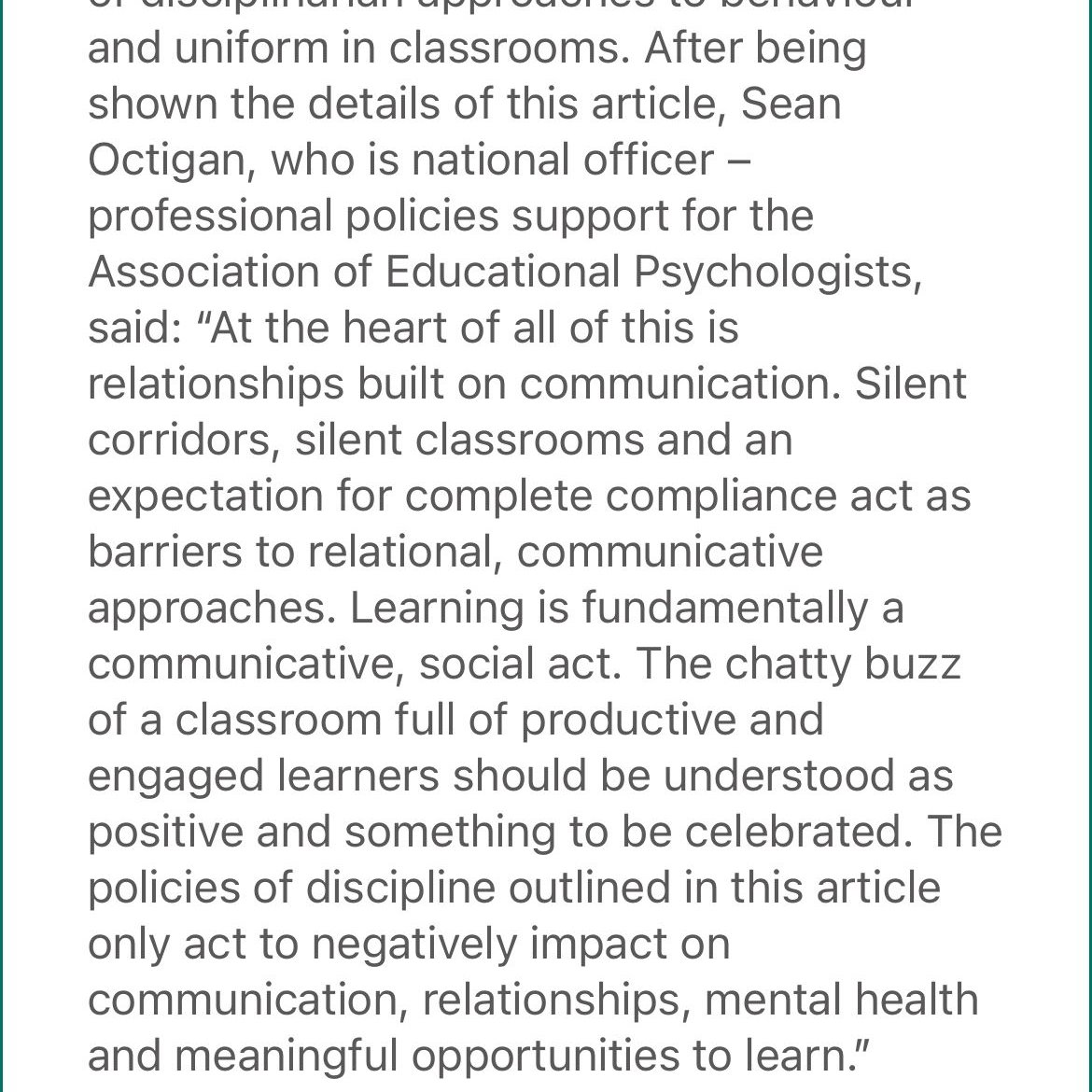
🗣️"Learning is fundamentally a communicative, social act.."
Educational Psychologist & AEP Professional Officer, Sean Octigan is quoted in this recent article exploring the impact of silence as a 'default' and strict behavioural policies in schools.
#TwitterEPs#EduTwitter
Important large scale, multi-national, and naturalistic study. Key finding: Children who hear more adult talk speak more (and SES, gender, and multilingualism have minimal impact)
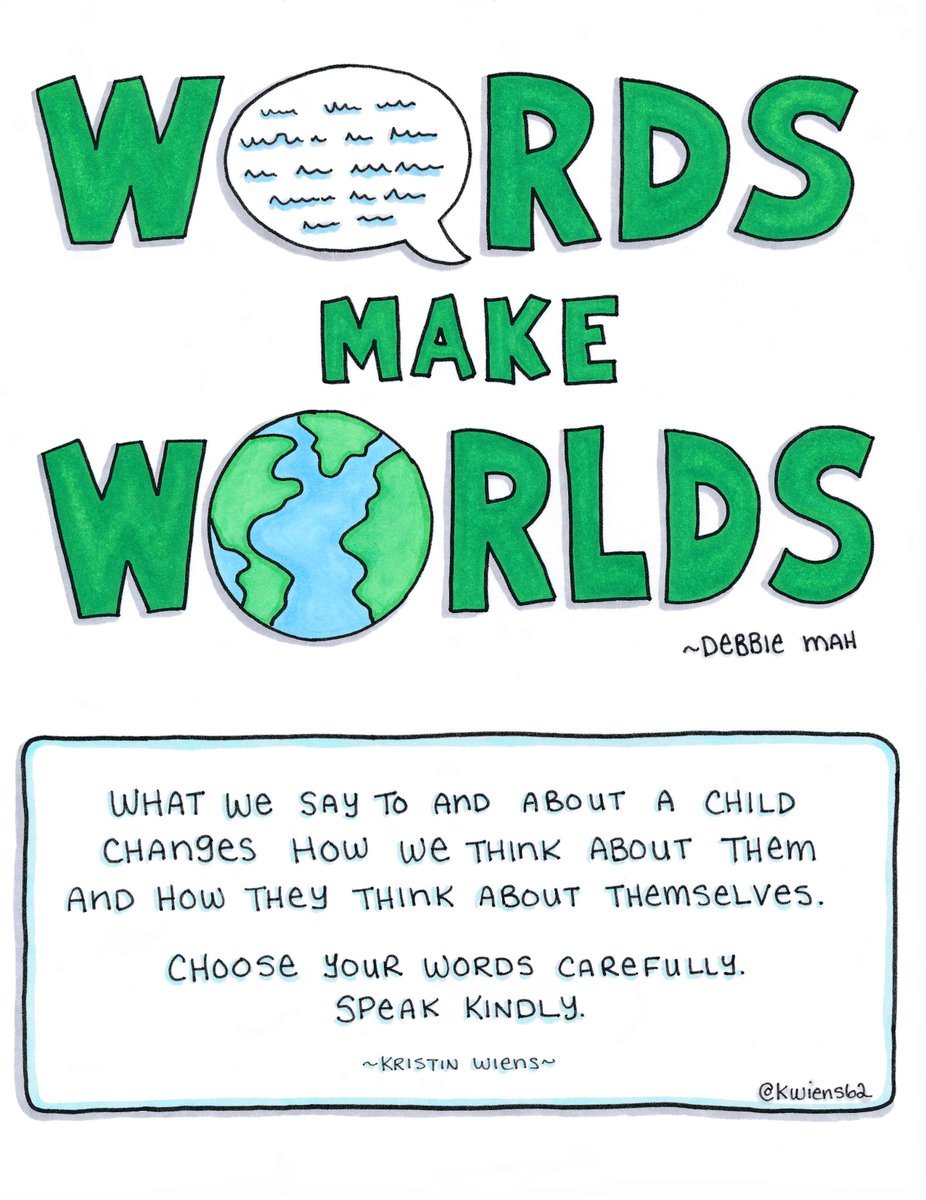
One of our Assistant EPs has been developing some training around harmful and helpful language in education drawing upon trauma informed principles. We love this graphic developed by @kwiens62 👏🗣️#twittereps