So delighted to have won the @CefasGovUK Publication of the Year for work done during my PhD with @ueaenv and Cefas. Big thanks to my coauthors @clequere, Erik Buithenhuis, @SophiePitois & Mark Gibbons for their contributions and also getting this paper cited in the latest IPCC!
Continuing our celebrations, our student award goes to @becci_wright and co-authors for their paper: Role of jellyfish in the plankton ecosystem revealed using a global ocean biogeochemical model in Biogeosciences https://t.co/qegP5iCxQY #CefasScience
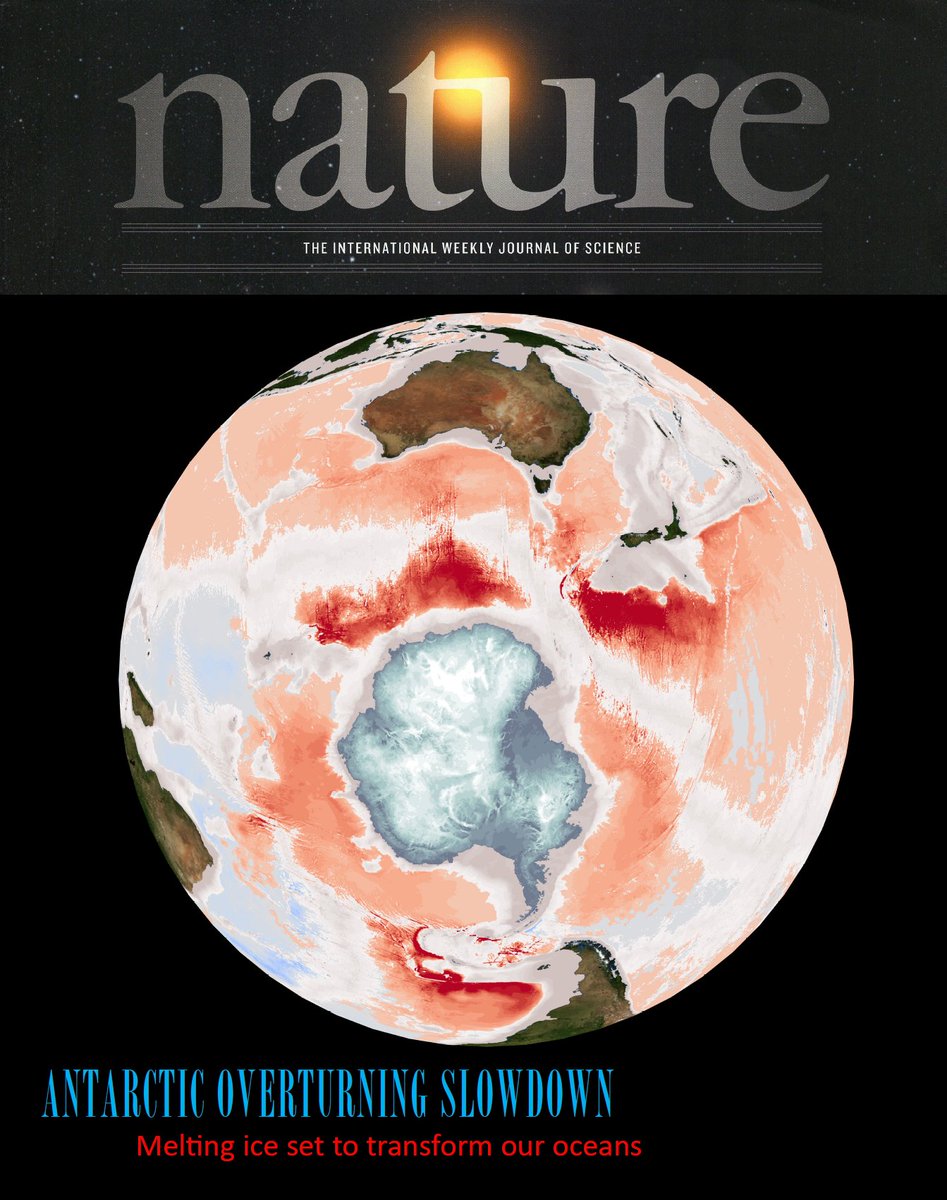
👉👉 Out today in @nature our new paper showing how meltwater increases around Antarctica are set to dramatically slowdown the Antarctic overturning circulation, with a potential collapse this century. https://t.co/p3au6k4zcK A🧵on how this work came about and what we found...
How much has each country contributed to climate change through historical #emissions of #carbon dioxide, #methane and nitrous oxide?
Today, our new 'living' dataset for tracking national contributions to #warming is published in @ScientificData
https://t.co/Bhsiwbzw5R
Another day, another report warning the UK is failing in its response to climate change
Govt has delivered 0/45 outcomes needed to prepare England for current & future warming, says new @theCCCuk report covered by @daisydunnesci
https://t.co/o8BMc0G1Ko
Oil leak from Perenco pipeline under Poole Harbour.
This onshore oil well (the largest in Western Europe) producing 14000 barrels a day, was supposed to be guaranteed 100% safe.
Poole Harbour is an internationally important wildlife site.
https://t.co/KneXoPYmw7
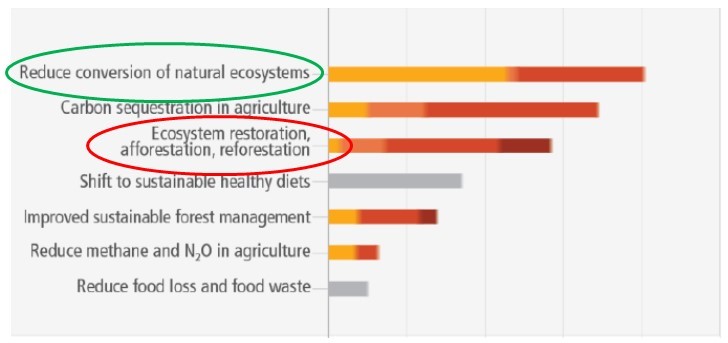
Second, protecting existing forests is more important than planting trees
A forest of mature trees is also an irreplaceable community of beings that provides essential services, while a plantation of saplings is not
3/3
First, BECCS (growing trees or logging forests to burn for energy) has very limited potential compared to solar and wind
Since it also destroys nature and competes for land with food, it is bad news. Burning trees is not a climate solution
2/
This amazing figure from yesterday's #IPCC report shows the potential of different approaches to mitigate climate change
It exposes two common misconceptions about 'natural climate solutions'
1/
I need a metaphor for our wilful blindness in the face of ecological crisis and the full spectrum failure of the media industry.
We can do that. How big do you want it?
So big you can see it from the fucking moon.
Done. https://t.co/2eeG8LwWA8
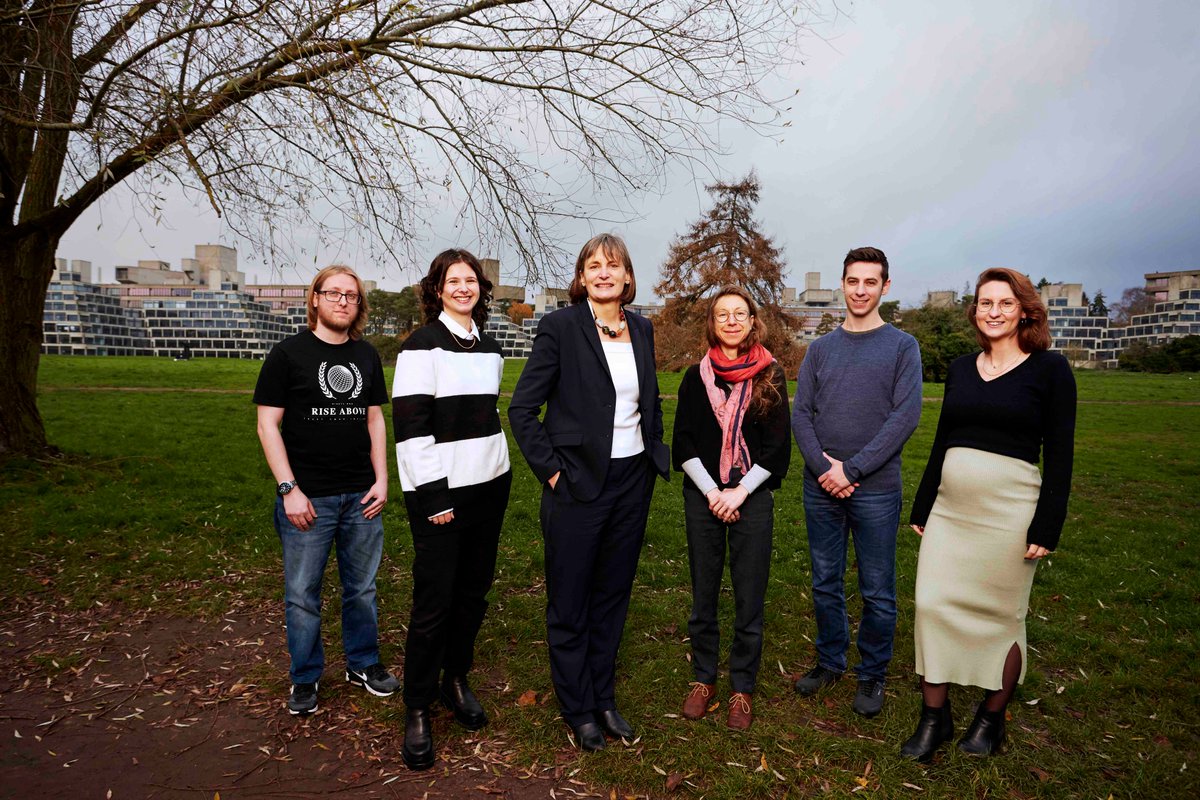
I'm sharing this excellent picture of my outstanding research group @ueaenv, conducting research on ocean carbon - climate interactions. Thanks to photographer @DebbieRowePhoto and the @royalsociety for this gift.
Next Sunday 29 January, I'll be the castaway on BBC's Desert Island Discs. Thanks @laurenlaverne for inviting me on the programme to talk about how I became a #climate scientist and oceanographer and share some of my favourite tracks.
https://t.co/P88FcWTgwf
For STEM scientists: Job opportunity in modelling marine #microplastics and their impact on productivity and #carbon, open to scientists of any STEM with experience in computer modelling + interest in #climate.
@4C_H2020@RoSES_ocean
https://t.co/EZNn90vXdg
deadline: 8 Feb 2023
Here is a fantastic model illustrating the protective role of mangroves (from the exhibit hall of #AGU2022). Will keep it in mind for lectures on sea-level rise mitigation.
Last Friday, the annual Global Carbon Budget (GCB) was published - making international headlines & warning us that there's no sign of a drop in CO2 emissions
But what is the GCB and why does it matter? 🧵
@gcarbonproject@UniofExeter@GSI_Exeter@uniofeastanglia
With the new 2022 Global Carbon budget released, we can reexamine the age-old question: which emissions scenario are we following today?
Here are observed total CO2 emissions (both fossil and land use emissions) compared to the 2011 Representative Concentration Pathways (RCPs):
🚨🌍 Global Carbon Budget 2022, out now!🌍🚨
It provides the latest update on how we humans have tampered with Earth's remarkable system of #carbon stocks and flows.
So what are the take-homes from our latest update?
@gcarbonproject@PFriedling
What is the fate of all this #CO2 that we've chucked into the atmosphere?
A quirk of our planet's system, which we should all be thankful for, is that only ~half of human emissions remain in the atmosphere (so far).