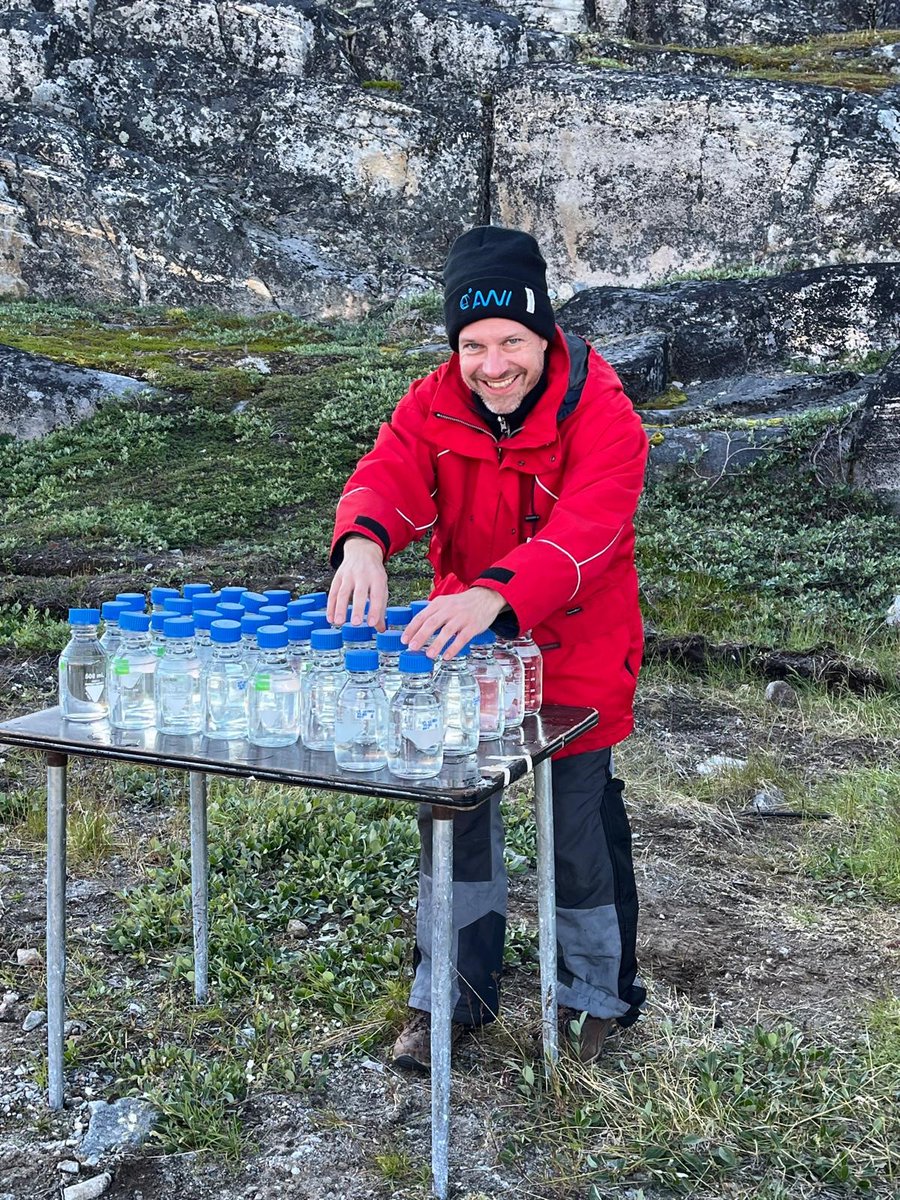
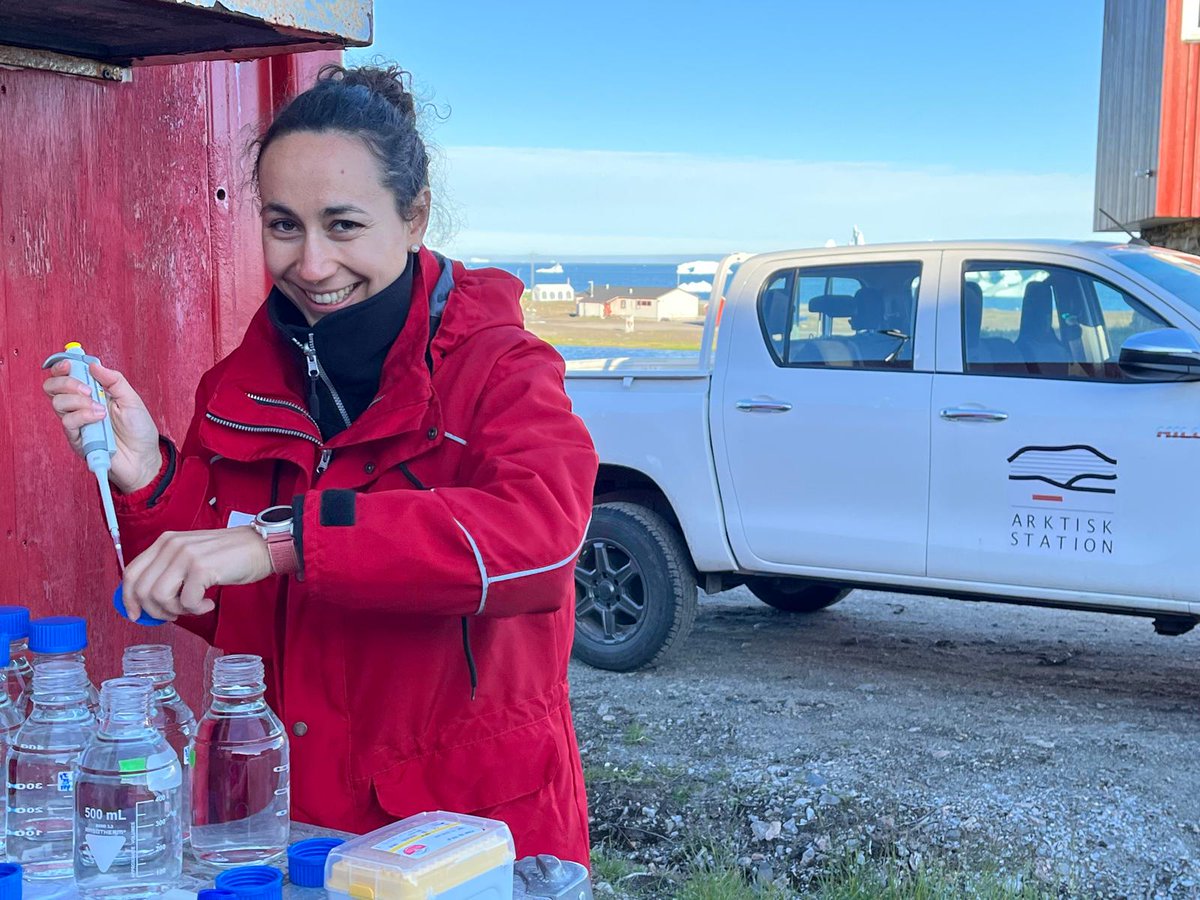
Welcome to the German - Danish marine research project GreenHAB. After a long sampling day, Lutz and Domi are preparing marine growth experiments in an “outdoor lab” with the same temperature as the sea.
@unihh#AWI@UniKonstanz@unidue@UCPH_Research
With a new facility funded by the Gips-Schüle Foundation, researchers at the #UniKonstanz's Limnological Institute can now study the development of biodiversity of bodies of water, such as #LakeConstance. Full story: https://t.co/WWNNgmwfKv
We are looking for 3 postdocs to work on questions of the evolution of symbiosis and intragenotypic variation in the context of species interactions https://t.co/LYh957M4rT
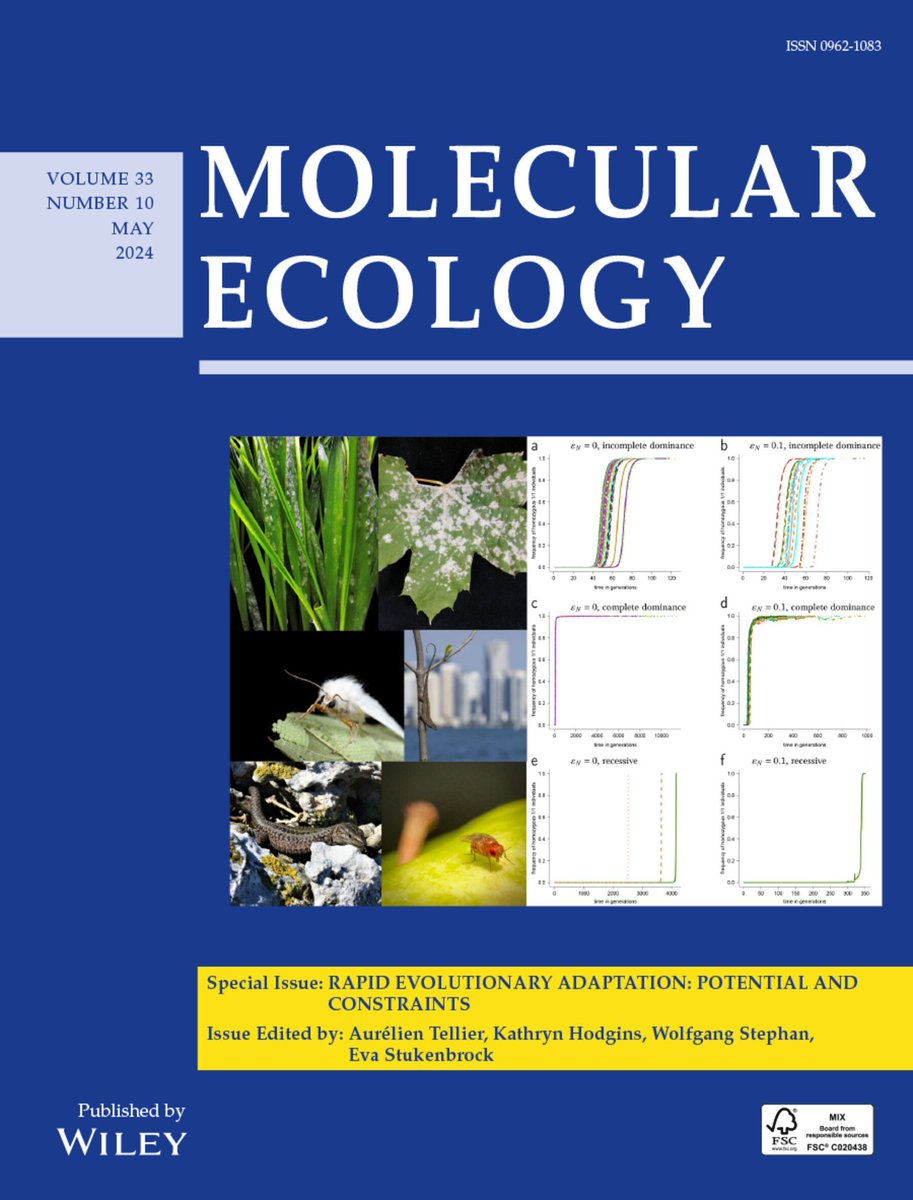
Our latest special issue on rapid adaptation is now published!
Check out the editorial by Tellier, Hodgins, Stephan, & Stukenbrock, 𝑹𝒂𝒑𝒊𝒅 𝒆𝒗𝒐𝒍𝒖𝒕𝒊𝒐𝒏𝒂𝒓𝒚 𝒂𝒅𝒂𝒑𝒕𝒂𝒕𝒊𝒐𝒏: 𝑷𝒐𝒕𝒆𝒏𝒕𝒊𝒂𝒍 𝒂𝒏𝒅 𝒄𝒐𝒏𝒔𝒕𝒓𝒂𝒊𝒏𝒕𝒔 https://t.co/DAEICuyOyk
@WileyEcolEvol
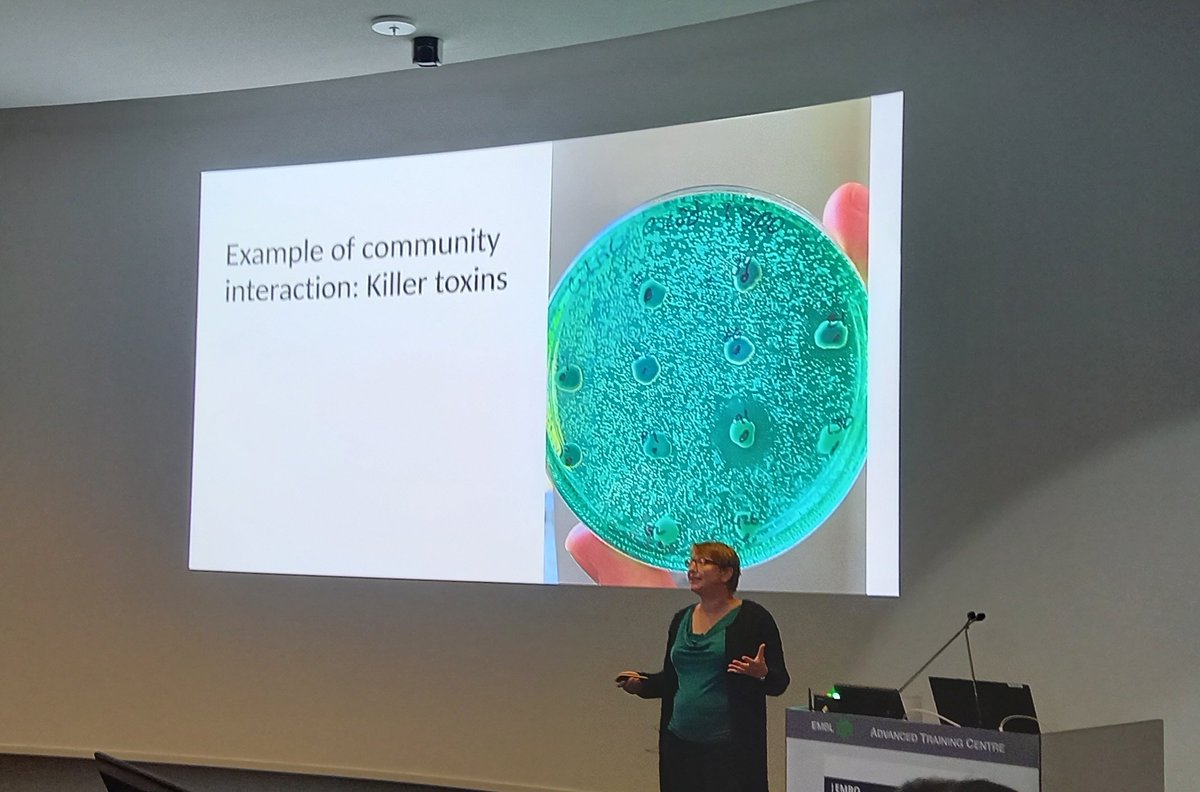
@pjboynton talking about community interactions of fungi in nature. They can not only kill each other, but also facilitate growth of each other. Fascinating!
#EMBOEvoEco
Meet @BecksLab at #SIL100BERLIN: @RichardWilander will present tomorrow 9:20 (room Reservoir) and talk about traits of resurrected phytoplankton from Lake Constance
👋📢 Job Alert! We are looking for a technician and a C. elegans postdoc to study nematode collective behaviour 🪱🔬👩🔬🧑🔬📷💻. Come join our interdisciplinary team in beautiful Konstanz! Please visit https://t.co/t2hFpNFJVm to apply.
It is my absolute pleasure to host @GenMig for our #DSSS @MPI_Bio seminar! Regardless of your affiliation, drop us an email if you want to watch it on Zoom.
Here, @sarahmetzger, Barbara Platzer, @Joe_B_Kelly, @BecksLab and I worked on understanding the conditions under which a freshwater ciliate-algae endosymbiotic interaction could have evolved. (2/5)
This is possible because predator growth depends on the quantity and quality of prey, and degraded environments lead to lower predator density, which reduces selection on inedible prey and increases edible prey.
Summary from the first paper from Rubens PhD thesis as part of #DynaTrait: https://t.co/GIPfpsLEVa Drastic environmental changes can threaten the survival of species, and their continued existence depends on the possibility of evolutionary adaptation to the new environment.
Ruben shows a previously overlooked mechanism that allows predators to survive despite environmental degradation. The predator is saved from extinction by the evolution of its prey. .