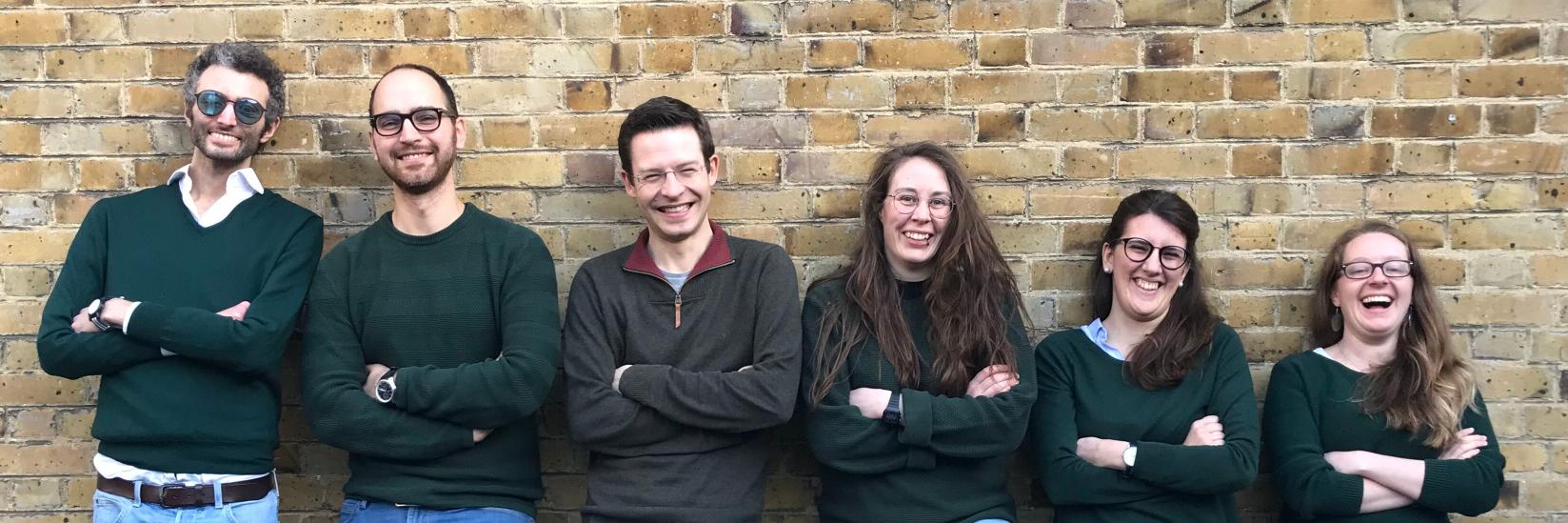
Tonight I had the honour of giving the Roy Cooper Memorial Lecture at the Heart of England Astronomical Society. They asked harder questions than at a conference and had *much* better cakes.
The irony of her name being ROSALIND is blowing my freaking mind.
She’s the FIRST AUTHOR OF THE PAPER. And today she gets to celebrate HER HUSBAND.
And the men wonder why we’re all so FUCKING ANGRY
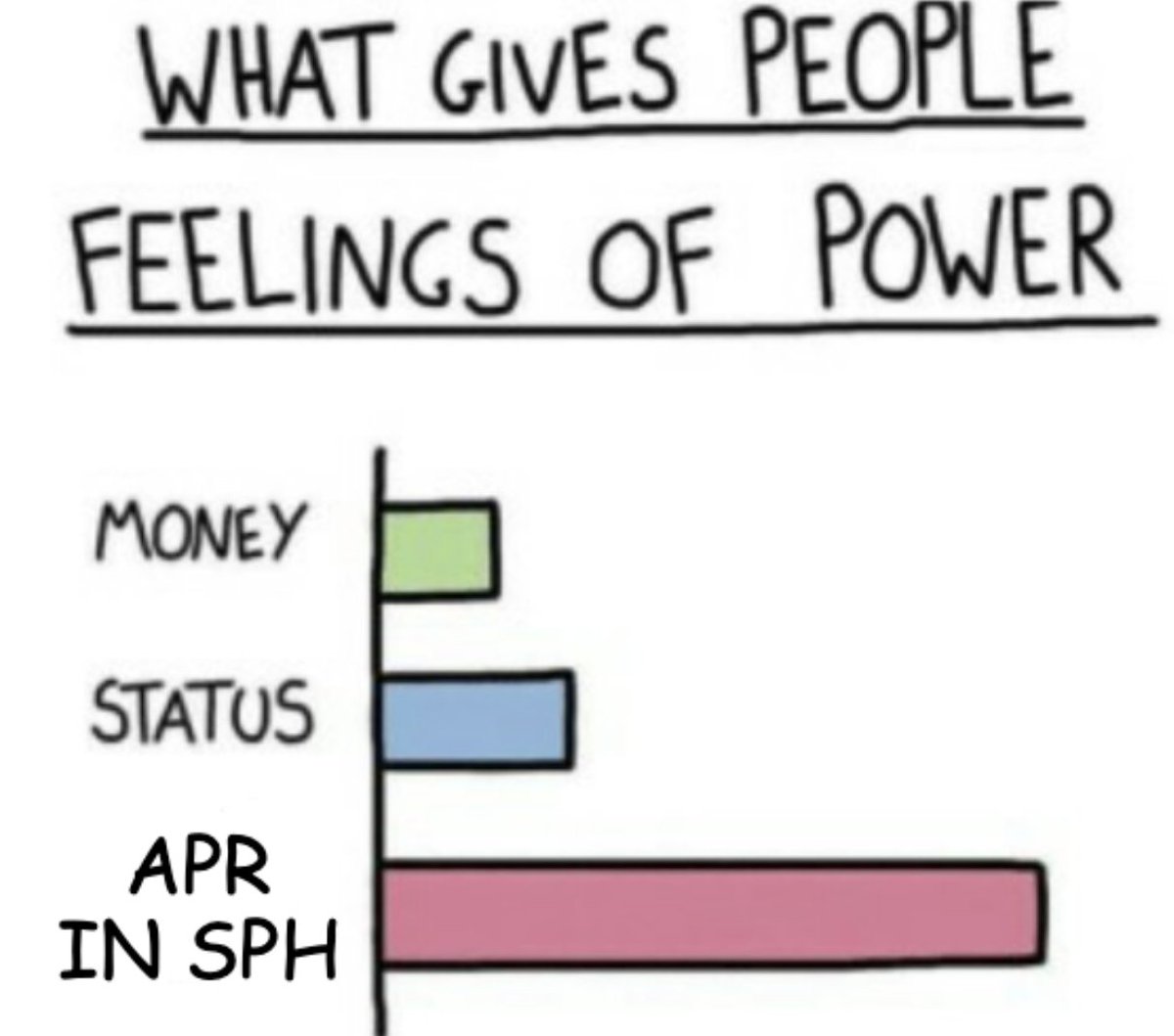
By flipping the traditional narrative for SPH, we will be able to tackle new problems, better resolve old problems and be able to run straightforward simulations much faster. Above all, I hope it's a useful tool for the community. Thanks to @thomas_hilder for the great meme! 7/7
It's Paper Day 🥳
Today @danprice_astro and I share our work on adaptive particle refinement in SPH. Our method allows you to pick a region of your SPH calculation and locally change the resolution. For particular simulations this is a game changer ... 🧵
https://t.co/BhfkInzkvV
See an example of a flyby simulation with different levels of refinement. Our method is in the middle and right hand panels: it achieves the same *or better* resolution around the perturber star but with much less computational expense. 6/
https://t.co/uCSl3liGDP via @YouTube
@AstroKirsten The most likely interpretation is there's a binary star at the centre of the disc but their orbit is misaligned, bringing them above and below the disc plane over time. This changes the location of the shadow not because the disc is changing, but the light source is moving. 2/
Science time! Presented this beauty at the first UK&I Discs meeting, hosted at the University of Warwick. My customised conference badge even has a schematic to help explain our method. This paper will be coming to an arxiv near you soon, keep an eye out!