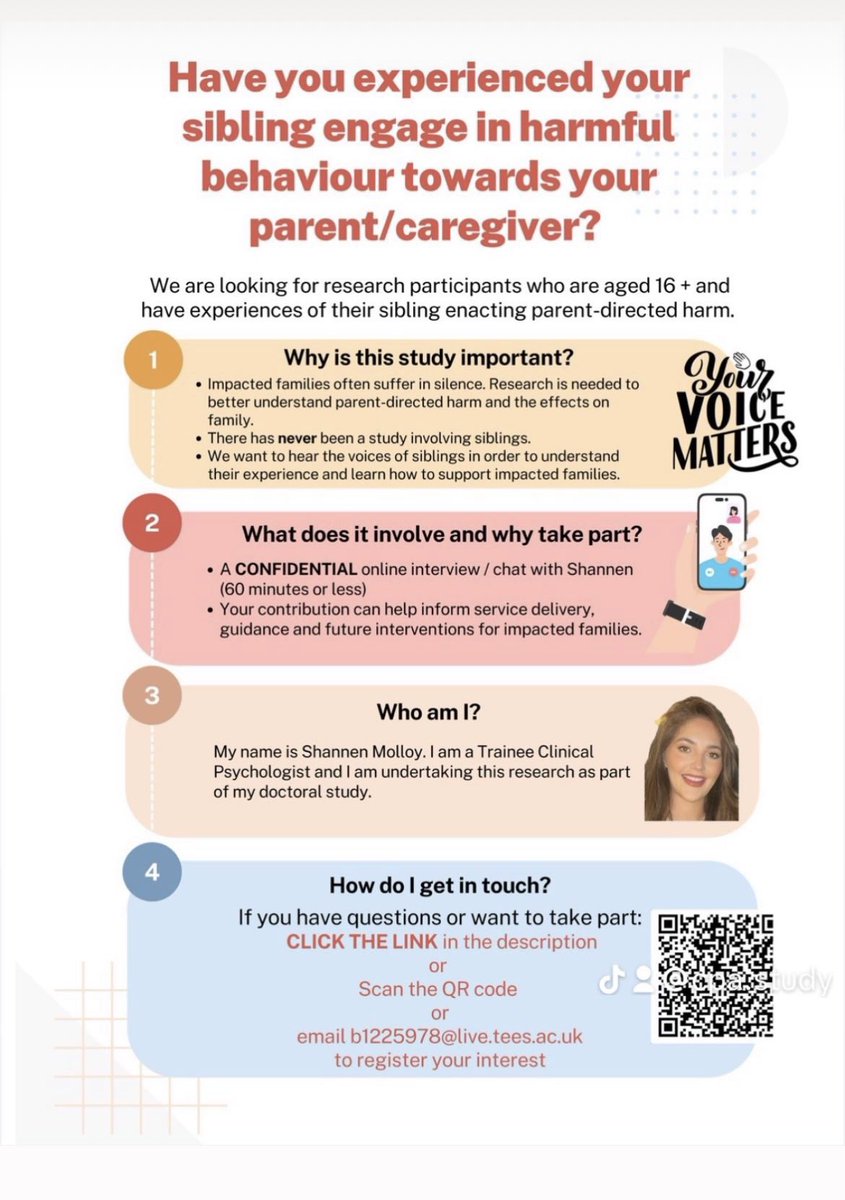
Have you experienced your sibling engage in harmful behaviour towards your parent/caregiver? If so, please take part in this important research so your voice can be heard. All interviews with Shannen are confidential - @cpa_researchstudy
#yourvoicematters#cpa#cpva#siblings
If you find this helpful, please share it with your colleagues :)
As professionals working with children and families, we understand that behaviour is a form of communication. It allows individuals to express their needs, desires, and emotions. However, it is essential to recognise that there is often more to behaviour than what meets the eye. Beneath the surface lies attachment, the gravitational force that pulls us towards one another to survive. This attachment is embedded in our nervous systems and can manifest in our behaviours.
When we only address observable behaviours, it is like placing a plaster on an open wound that requires significant attention. Instead, we must dig deeper to understand what lies beneath these behaviours. Our bodies often communicate our underlying emotions and sensations without conscious thought or effort.
As Professionals, we must pay attention to our bodies and the communication indicators of the family we work with. (this isn't easy) By reflecting on our own nervous system states when confronted with dysregulated behaviours, we can meet the pedson in a state of regulation. This approach helps create a more relational, preventative, and brain-aligned discipline practice.
To achieve this, we can ask ourselves the following questions:
•What am I communicating to the person through my behaviour, gestures, face, posture, and tone?
•Have I checked in with my own nervous system and how it is responding to theother persons behaviour?
•Am I being authentic? Am I in touch with my gut feelings and checking in with myself regularly?
•Which family trigger me the most, and why?
•Do I respond to each person's behaviour in the same way?
•Which family do I redirect most often, and what behaviours do they exhibit?
•What behaviours do I expect to see, and how do I react when they don't occur?
•Which behaviours push my buttons the most?
•At what time of day do I feel the most calm and happy? What is happening during that time?
•At what time of day do I feel most dysregulated?
•What is my definition of calm and connected?
•Which family do I feel closest to, and why?
By exploring these questions, we can better understand our own nervous systems and how we respond to the behaviours of others. This approach helps us create a more effective and compassionate discipline practice that considers the underlying emotions and needs of those we are trying to help :)
Are you a parent experiencing violence & aggression from your child/young person? Do you find yourself walking on egg shells for fear of what they might do?
Visit https://t.co/FH5MW8xEu7 for services that can help.
#CPAAwarenessDay#childtoparentabuse#YouAreNotAlone
To any parent who is struggling with a violent or aggressive child....there is support available. You are doing the best you can right now. You deserve a 👑
https://t.co/pD68u5zLdX is an awesome resource to check out. They have a directory
#CPAAwarenessDay#childtoparentabuse
Today is #worldfriendship day. Having good quality friendships can be a protective factor against bullying. Let’s give a shout out to all the great friends out there!
If your friend’s language or behaviour was crossing a line, would you know how to step in?
My new campaign, Say #Maaate to a Mate, is a single word to stop misogynistic language in its tracks.
Get involved 👇🏽
https://t.co/cQzpAAeZeG
Ohh this is super interesting. I never thought of it in that way. How would you frame it so it teaches empathy n not emotional manipulation? I grew up hyper aware of my mothers feelings n constantly tried to please her...wouldn't want to be sharing strategies that harm 😕
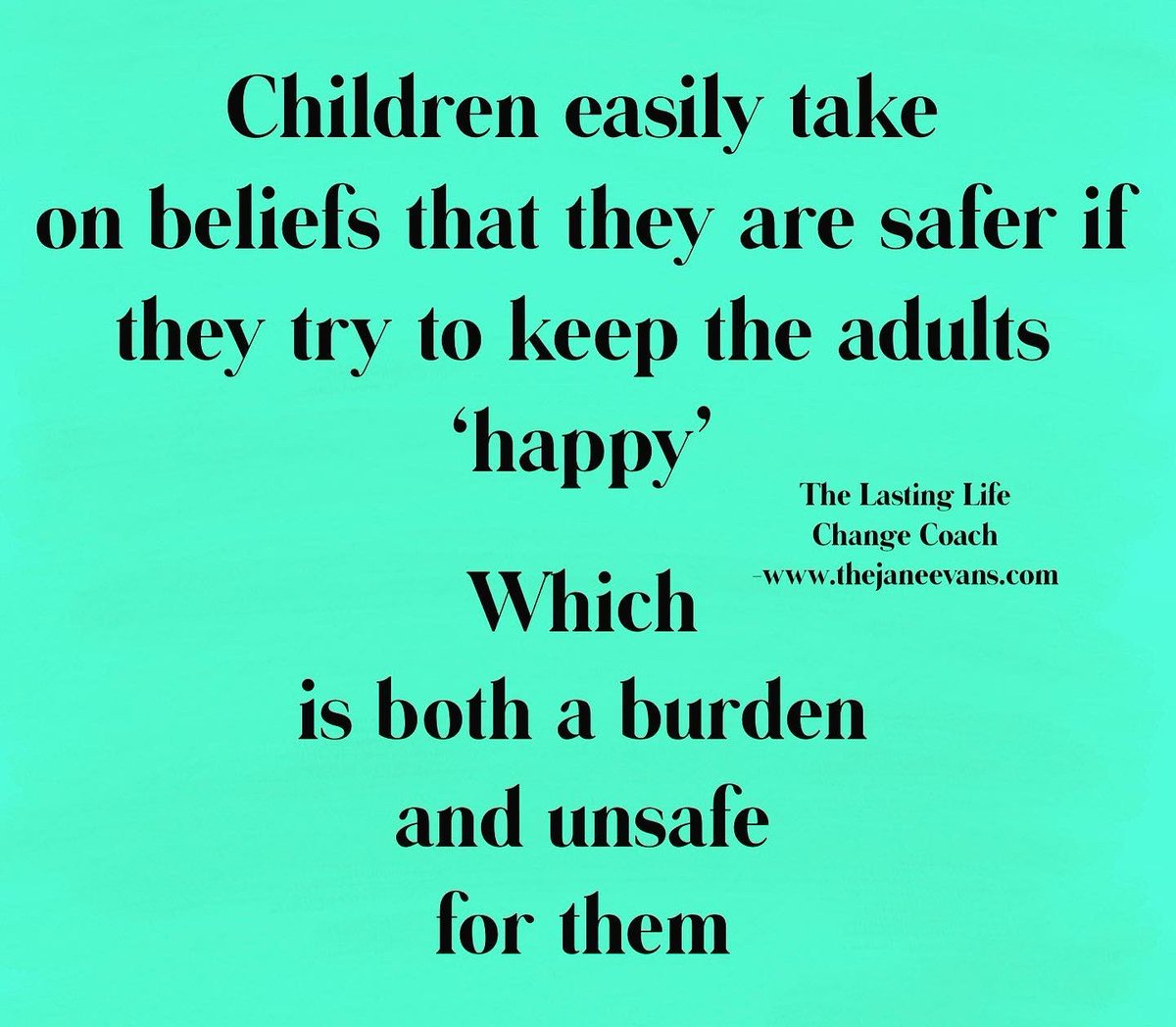
How easily can we accidentally (or intentionally) make children feel they are responsible for OUR feelings
Which is a burden they don’t need or deserve ever.
Gratitude to Responsive Parenting Inspirations
#parenting#parents#emotions#emotionalhealth#coach#coaching
@janeparenting2 Ohh this is super interesting. I never thought of it in that way. How would you frame it so it teaches empathy n not emotional manipulation? I grew up hyper aware of my mothers feelings n constantly tried to please her...wouldn't want to be sharing strategies that harm 😕