📢 The new issue of Behavioral Ecology is out! 📢
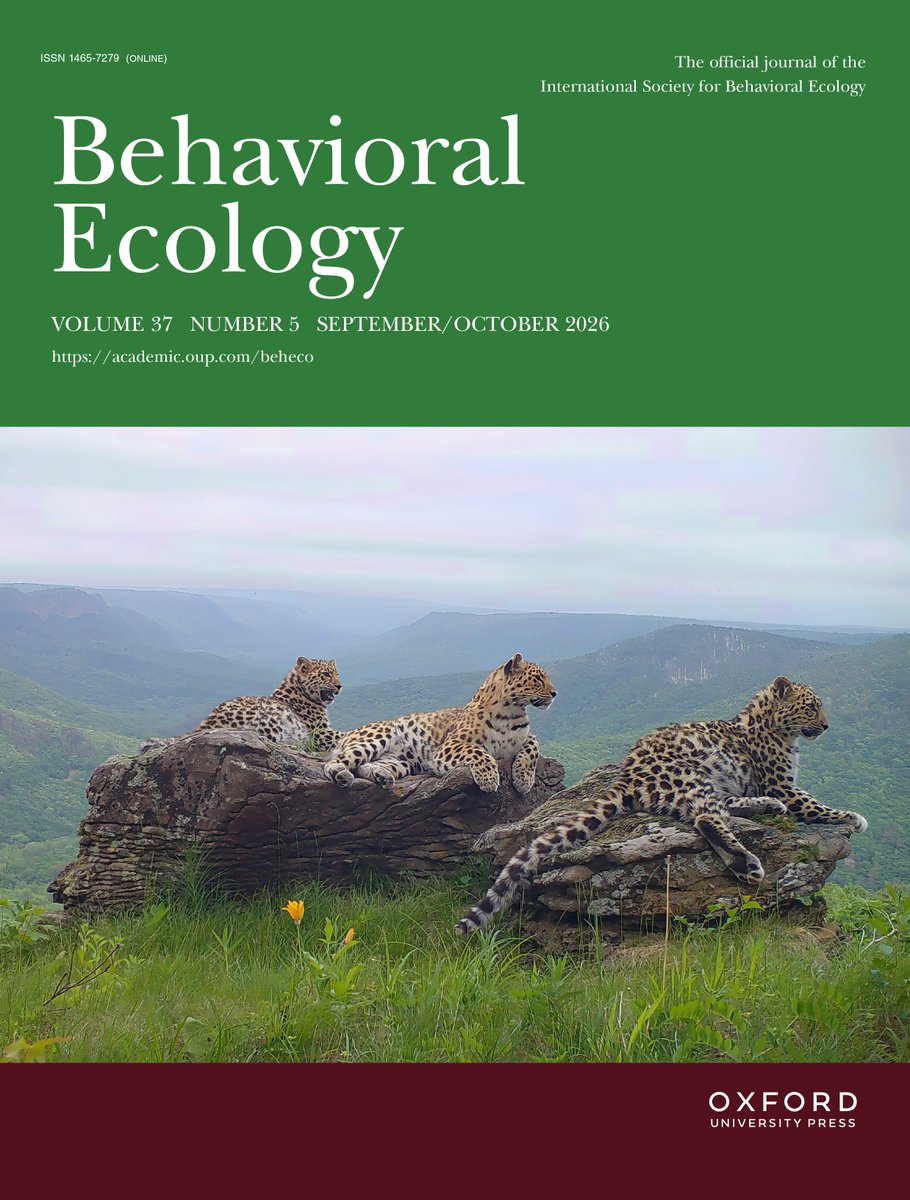
Volume 37, Issue 5, September/October 2026
Read about all new research here ⬇️
https://t.co/6IWTDHqfnl
Cover set up by Viktor Storozhuk.
Regular monitoring camera trap, FSBI ‘Land of the Leopard’
#Behavior#Ecology#Animal
Species-specific behaviors drive the initiation and maintenance of snapping shrimp-goby mutualisms
#BehavioralEcology#AnimalCooperation
https://t.co/3j1iUClit9
Maternal experience with predation risk enhances antipredator behavior of their offspring in a wolf spider
#BehavioralEcology#AntipredatorBehavior
https://t.co/6NL2UfNK2l
Maternal flexibility in Galápagos sea lions mitigates climate impacts but not population decline
#BehavioralEcology#ClimateChange
https://t.co/PsSyhmxFQr
Attraction to water and polarization in dragonflies and damselflies along a light pollution gradient
#BehavioralEcology#LightPollution
https://t.co/h0gSaxAhqk
🍂 What did October bring to Behavioural Ecology?
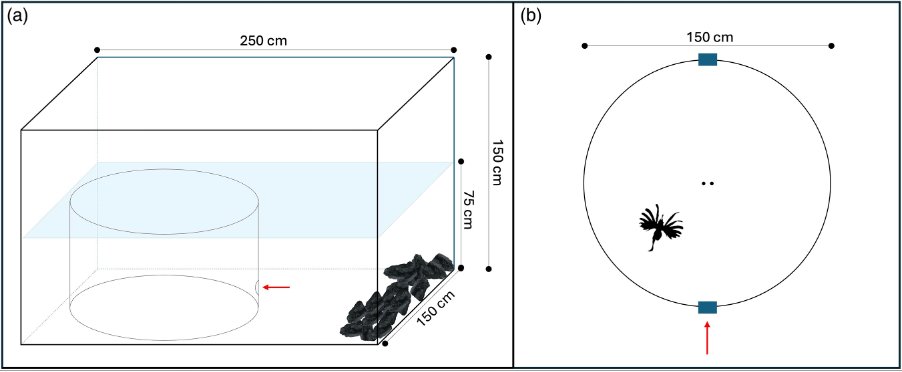
From lizard family relationships to bees avoiding floral mimics and lionfish manipulating their prey with water jets.
Explore more research in Behavioral Ecology:
📖 https://t.co/6IWTDHqNcT
#BehavioralEcology#AnimalBehavior
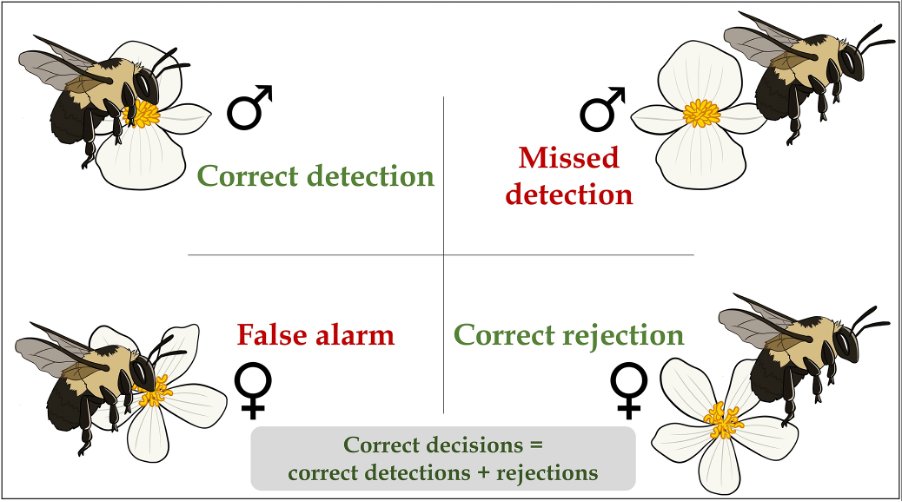
Bees attend primarily to aversive costs, not pollen rewards, to avoid exploitation by floral mimics
#BehavioralEcology#Pollinators
https://t.co/Nxz6REwPK0
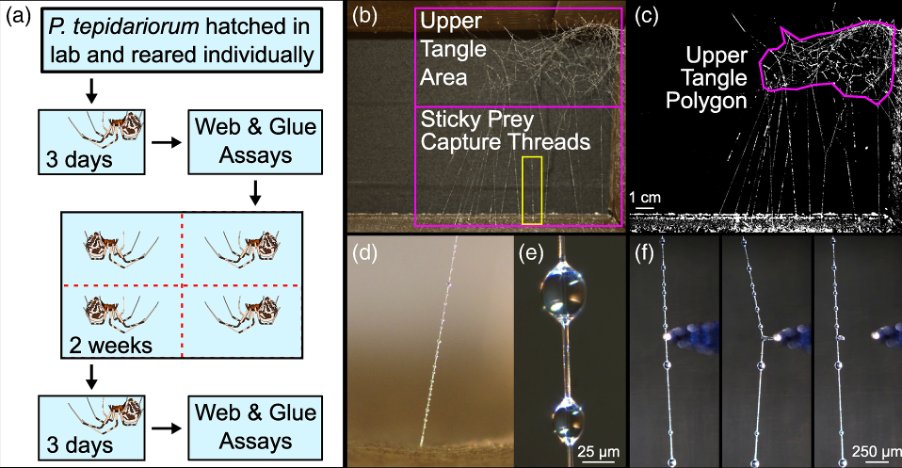
Competition reduces web investment without altering silk properties in the common house spider
#BehavioralEcology#SpiderBehavior
https://t.co/R4WA80teA1
Why did babblers reduce territory ?
Started as intial observation during first two years of phd, culminating into what, when, how & why.
Here chapter 3 out in @BehavEcol
First publication is always special♥️
None possible without @minivets Thanks @lab_behavioural
No effect of a widespread pharmaceutical pollutant on behavior, physiology, or morphology in guppies
#BehavioralEcology#Ecotoxicology
https://t.co/0VNk8z3a9E