@chrisdadiva Hello Chris 👋
I'm once again requesting to have a conversation with you. Please could you initiate one since I'm not able to do so from my end.
I'd appreciate. Thank you.
German has a word for the early morning hour, before the day asks anything of you. 🇩🇪
𝗠𝗼𝗿𝗴𝗲𝗻𝘀𝘁𝘂𝗻𝗱𝗲.
𝘔𝘰𝘳𝘨𝘦𝘯 = morning. 𝘚𝘵𝘶𝘯𝘥𝘦 = hour.
Germans built a proverb around it:
𝘔𝘰𝘳𝘨𝘦𝘯𝘴𝘵𝘶𝘯𝘥 𝘩𝘢𝘵 𝘎𝘰𝘭𝘥 𝘪𝘮 𝘔𝘶𝘯𝘥.
The morning hour has gold in its mouth.
You are in yours right now.
𝗟𝗲𝗮𝗿𝗻 𝗚𝗲𝗿𝗺𝗮𝗻 𝗦𝗶𝗺𝗽𝗹𝘆 🇩🇪
@chrisdadiva Hello 👋
I just followed you and I'd love to send you a DM on something important. Please could initiate one since I'm not able to do so from my end?
I would appreciate.
20 ways to say "I am..." in German 🇩🇪
✅ Ich bin bereit ➖ I'm ready
⏰ Ich bin spät dran ➖ I'm late
⬅️ Ich bin zurück ➖ I'm back
📍 Ich bin hier ➖ I'm here
😜 Ich scherze ➖ I'm joking
😴 Ich bin müde ➖ I'm tired
😍 Ich bin verliebt ➖ I'm in love
🤒 Ich bin krank ➖ I'm sick
🤔 Ich denke ➖ I think
🕰️ Ich warte ➖ I wait
🥶 Mir ist kalt ➖ I'm cold
🥵 Mir ist heiß ➖ I'm hot
🥰 Ich bin glücklich ➖ I'm happy
😢 Ich bin traurig ➖ I'm sad
😡 Ich bin wütend ➖ I'm angry
🤗 Ich bin zufrieden ➖ I'm satisfied
🤓 Ich bin neugierig ➖ I'm curious
🤭 Ich bin überrascht ➖ I'm surprised
🤐 Ich bin still ➖ I'm quiet
😎 Ich bin entspannt ➖ I'm relaxed
𝗟𝗲𝗮𝗿𝗻 𝗚𝗲𝗿𝗺𝗮𝗻 𝗦𝗶𝗺𝗽𝗹𝘆 🇩🇪
Yes. No.
Germans have a colloquial word for everything in between.
𝗝𝗲𝗶𝗻. 🇩🇪
Ja (yes) + Nein (no) = Jein.
One of the most honest and practical words in the language – used when the answer is somewhere in between.
Why use two words like "kind of," "sort of," or "it depends" when 𝗝𝗲𝗶𝗻 does it perfectly?
Nobody explains why German has three genders. 🇩🇪
So here is the actual reason.
It is not logical in the way you want it to be, but it is not random either.
German grammatical gender is a classification system, not the biological one you know.
Old Germanic languages grouped nouns into categories based on form and cultural association. Over centuries, those categories became what we now call masculine, feminine, and neuter.
Some patterns survived and they're worth knowing:
𝗠𝗮𝘀𝗰𝘂𝗹𝗶𝗻𝗲 (𝗱𝗲𝗿):
Days, months, seasons, compass directions, most weather phenomena, most alcoholic drinks, car brands.
𝘥𝘦𝘳 𝘔𝘰𝘯𝘵𝘢𝘨, 𝘥𝘦𝘳 𝘞𝘪𝘯𝘵𝘦𝘳, 𝘥𝘦𝘳 𝘞𝘦𝘴𝘵𝘦𝘯, 𝘥𝘦𝘳 𝘞𝘦𝘪𝘯
𝗙𝗲𝗺𝗶𝗻𝗶𝗻𝗲 (𝗱𝗶𝗲):
Most nouns ending in -ung, -heit, -keit, -schaft, -ion, -tät, -ik.
𝘥𝘪𝘦 𝘡𝘦𝘪𝘵𝘶𝘯𝘨, 𝘥𝘪𝘦 𝘍𝘳𝘦𝘪𝘩𝘦𝘪𝘵, 𝘥𝘪𝘦 𝘕𝘢𝘵𝘪𝘰𝘯
𝗡𝗲𝘂𝘁𝗲𝗿 (𝗱𝗮𝘀):
Infinitives used as nouns, diminutives ending in -chen and -lein, most metals and scientific terms.
𝘥𝘢𝘴 𝘓𝘦𝘳𝘯𝘦𝘯, 𝘥𝘢𝘴 𝘔ä𝘥𝘤𝘩𝘦𝘯, 𝘥𝘢𝘴 𝘎𝘰𝘭𝘥
The honest truth though:
These patterns cover roughly 70-80% of cases.
The remaining 20-30% you just have to learn them together with the noun. Best approach.
This is why every serious German teacher will tell you: never learn a noun without its article.
Not 𝘛𝘪𝘴𝘤𝘩. Always 𝘥𝘦𝘳 𝘛𝘪𝘴𝘤𝘩.
The gender is part of the word.
Learning it this way from day one helps save you from future situations where you'll find yourself guessing the gender of a noun.
𝗟𝗲𝗮𝗿𝗻 𝗚𝗲𝗿𝗺𝗮𝗻 𝗦𝗶𝗺𝗽𝗹𝘆 🇩🇪
Most people think of Germany and see efficiency.
Cold winters. Autobahn. Beer festivals.
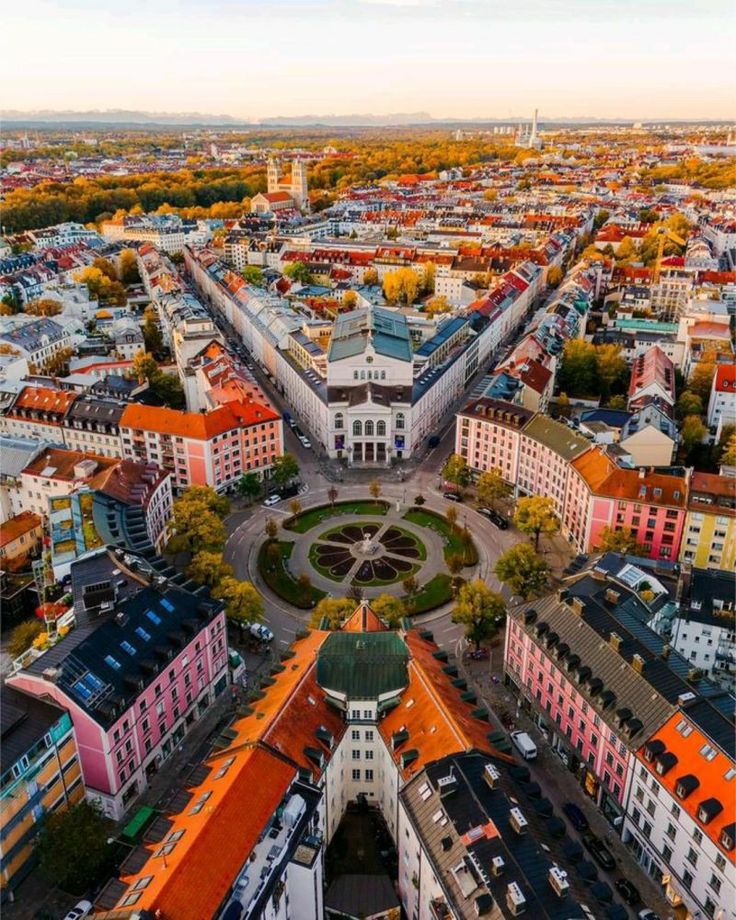
They've never seen what this country actually looks like. 🇩🇪
Here are the 5 most beautiful cities in Germany.
Each one will make you want to book a flight tonight. 🧵
Monday. 🇩🇪
From how -ig is actually pronounced
to an ancient Germanic assembly
hiding in Tuesday -
the language keeps going deeper the more you look.
That's the whole point.
Rest well.
𝗚𝘂𝘁𝗲 𝗡𝗮𝗰𝗵𝘁. 🌙