I have been working on something special alongside my incredible team: @iam_berchy, @jaynesisXBT, @Blessyn___, and @Chinnybest0.
I am excited to announce that @dritch__ is officially live for testing at https://t.co/0MW0oTDKN2. We are still actively building and refining behind the scenes, but we want the community to jump in, test the platform, and share your feedback.
What is Dritch?
Dritch is a decentralized Peer-to-Peer marketplace built on the Arc chain. We are removing the middlemen from P2P trading to give you a platform secured by smart contract escrow and powered by true decentralization. No KYC. No gatekeeping. Just connect your wallet and trade.
Core Features:
Smart Escrow: Funds are securely locked in a smart contract until both parties confirm. No manual intervention needed.
Direct Trading: Connect directly with other traders, set your price, choose your payment method, and trade on your terms.
On-chain Transparency: All orders, fills, and confirmations are fully verifiable and recorded on-chain.
Multi-asset Support: Trade Arc-native assets like USDC and EURC.
Low Fees: Built on the Arc chain for speed and efficiency, minimizing transaction costs.
Reputation System: Your trading history lives on-chain, allowing you to build a verifiable reputation and establish trust.
The Trading Flow:
A transparent, trustless experience from start to finish.
1. Post order: Sellers publish a sell order with the asset, price, and accepted fiat payment method.
2. Buyer deposits: The buyer sends crypto into escrow and initiates the fiat payment to the seller outside the network.
3. Seller confirms: The seller verifies the fiat transfer and approves the release, adding a secure layer of payment validation.
4. Settlement: The smart contract instantly releases the crypto to the buyer.
We are pouring our energy into making this the most seamless decentralized trading platform possible. Head over to https://t.co/0MW0oTDKN2, connect your wallet on the Arc chain, and let us know your thoughts. Your feedback will directly shape the future of Dritch.
The Foundation Excel
Let's begin with explaining what these softwares can do starting with Excel.
Don't laugh, but the most important tool in a Data Scientist's arsenal was invented in 1985. We are starting with Microsoft Excel.
Beginners always want to jump straight into Python and Artificial Intelligence. But if you walk into any Fortune 500 company today, the entire business is running on spreadsheets.
Why do Data Scientists still use Excel?
Because it is the ultimate sandbox. When you receive a quick dataset and your boss asks, "Can you just give me the average sales for Q3?", writing a Python script is a waste of time. Excel allows you to instantly visualize, filter, and summarize data in seconds using Pivot Tables.
The Limitation:
Excel is brilliant for ad-hoc analysis, but it has a fatal flaw: it maxes out at exactly 1,048,576 rows. In the age of Big Data, companies generate millions of rows of data every single day.
When your data gets too big for a spreadsheet, Excel breaks. And that is exactly when we bring in our next tool.
Some keyboard Shortcut of the Day (Excel):
Hold `Ctrl + Arrow Keys` (or `Cmd + Arrows` on Mac). This instantly jumps your cursor to the very edge of your data block. It will save you thousands of hours of scrolling.
Note: I will be posting every hour take your time to read through.
Imagine owning a product but still coming back to X for distribution. That's called knowing where the attention lives. 😂
Meta built the product. X supplied the audience. Damn it💀
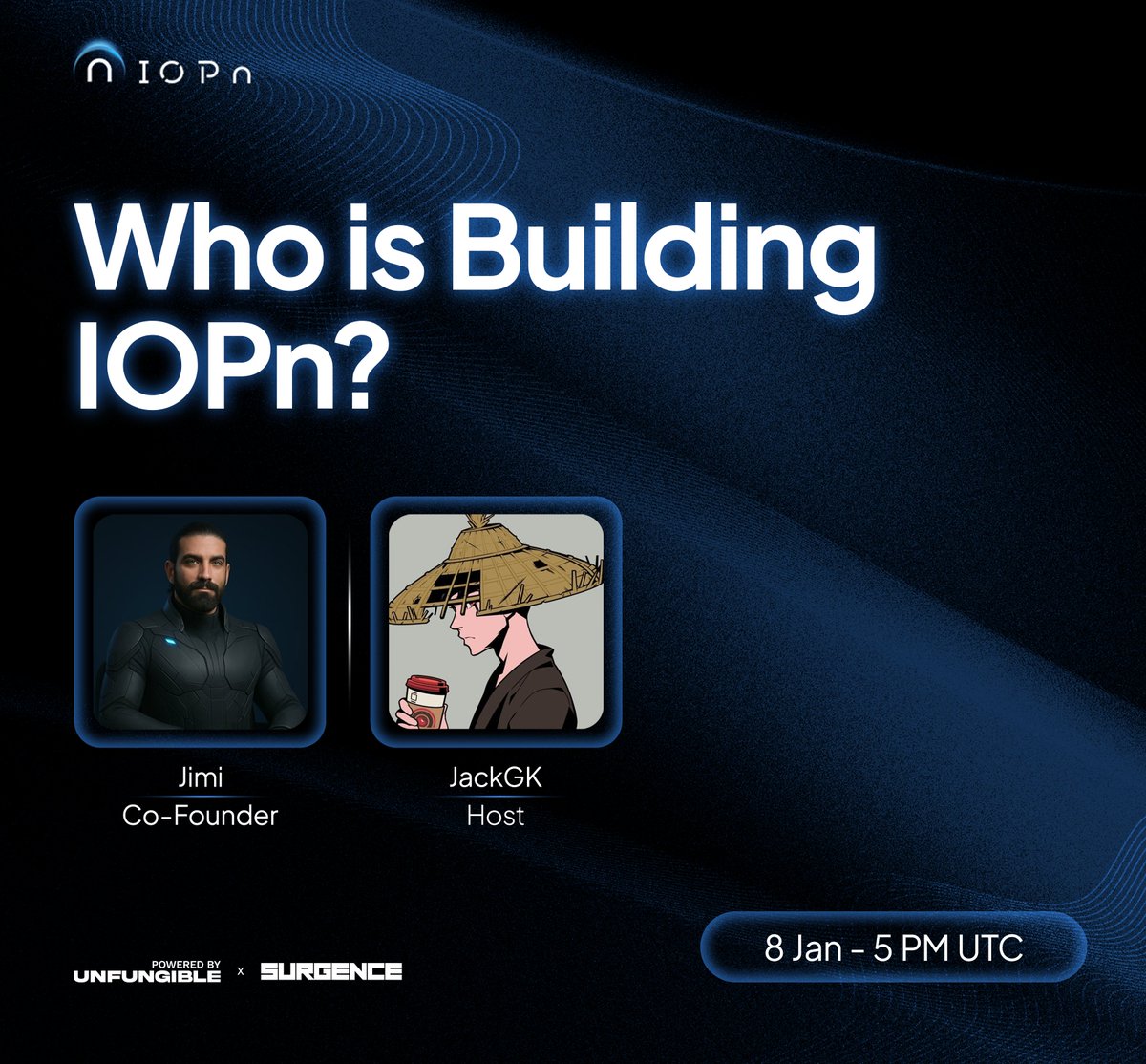
Meet the people building IOPn.
Our COO, @JimiIOPN, and the team share thoughts, ideas, and values shaping the Internet of People.
Set your reminders below. ⬇️
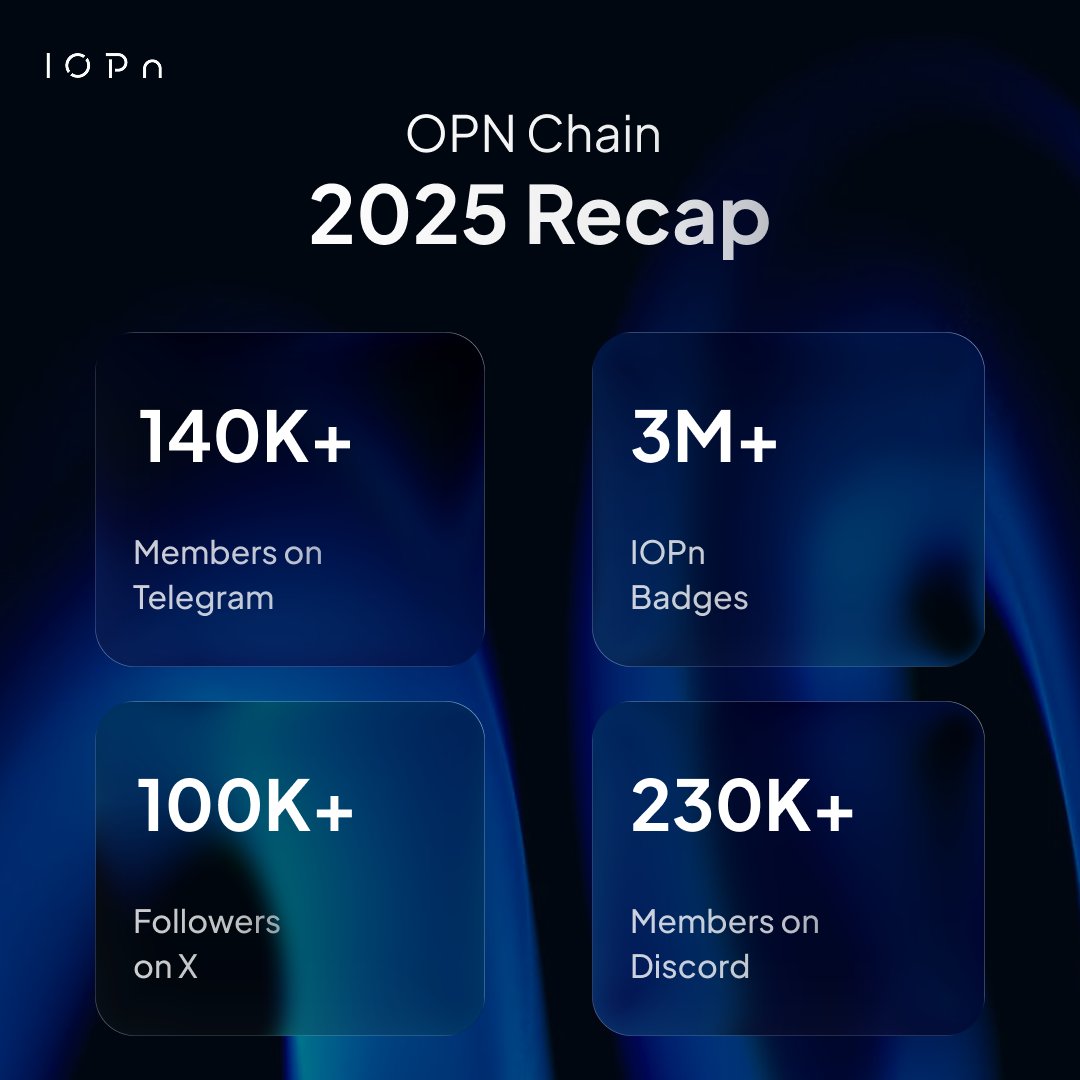
2025 was about laying the foundation.
Each milestone brought us closer to our vision of a sovereign movement.
This year, we take the next step forward.
Accelerate ⋂
Part 6
REAL AIRDROP MISTAKES THAT COST PEOPLE $10K–$100K (AND HOW TO AVOID THEM)
This part is not theory.
These are real, repeated mistakes that quietly erase massive value from otherwise good farmers.
Most people don’t lose because they’re late.
They lose because they self-sabotage.
Let’s go deep.
1. FARMING WITH A SHORT-TERM MINDSET
Many people enter Web3 expecting:
• Daily wins
• Fast payouts
• Guaranteed rewards
Airdrops don’t work like that.
What actually happens:
• Months of silence
• No announcements
• No confirmation
• Sudden snapshot
• Unexpected reward
How people lose:
They quit weeks before rewards.
How to avoid it:
Treat airdrops like:
• Early startup investing
• Sweat equity
• Time-based exposure
If you can’t commit months, don’t start.
2. OVERUSING MULTIPLE WALLETS
This one alone has wiped out huge allocations.
People assume:
“More wallets = more money.”
Projects assume:
“Sybil attack.”
What gets flagged:
• Identical behavior across wallets
• Same interaction sequence
• Same timing
• Same funding source
Real outcome:
• All wallets disqualified
• No appeal
• No explanation
Correct approach:
• One strong wallet per ecosystem
• Only add more if you understand behavior modeling.
Quality > quantity.
3. DOING ONLY MINIMUM TASKS
Many users:
• Bridge once
• Swap once
• Leave forever
They technically “qualified”, but received dust.
Why this hurts:
•Projects rank wallets.
Minimum activity = minimum allocation.
Fix:
• Revisit protocols
• Use multiple features
• Interact across time
• Participate in governance
Show belief, not curiosity.
4. IGNORING TESTNET FEEDBACK OPPORTUNITIES
Testnet users often get:
• Separate reward pools
• Bonus multipliers
• Early access benefits
Most people:
• Do tasks
• Leave feedback blank
Big mistake.
What to do instead:
• Report at least one bug
• Suggest one improvement
• Fill surveys honestly
• Join testnet discussions
Being helpful beats being active.
5. PANIC DUMPING AIRDROPS
This has cost people life-changing money.
What happens:
• Token launches
• Price spikes
• People dump instantly
• Ecosystem grows
• Token 5–20x later
Smarter approach:
• Sell small portion
• Hold remainder
• Stake or delegate
• Watch adoption
Many airdrops reward continued users again.
6. FALLING FOR FAKE CLAIM LINKS
Scammers wait for:
• Claim announcements
• Excitement
• Confusion
Then strike.
Common scams:
• Fake X accounts
• Sponsored replies
• Clone websites
• Fake Discord announcements
Protection rules:
• Only use official links
• Verify contracts
• Never rush
• Never sign blind transactions
One mistake can wipe everything.
7. ABANDONING PROJECTS TOO EARLY
Some projects take time.
People leave when:
• UI is bad
• Network is slow
• No hype
But that’s often the best phase.
Best time to stay:
• Quiet development
• Low usage
• No influencers
• Frequent updates
Polish comes last. Rewards come early.
8. NOT TRACKING PARTICIPATION
Many people forget:
• Which wallet they used
• What actions they took
• When they interacted
Then can’t verify eligibility.
Solution:
• Track wallets
• Save tx links
• Note dates
• Keep project notes
Organization = money.
9. CHASING EVERY TREND
Every cycle has noise.
Examples:
• NFT mint hype
• Meme cycles
• Points mania
Chasing everything leads to:
• Burnout
• Gas waste
• Zero depth
Fix:
• Stick to your pipeline
• Ignore hype
• Let trends mature
Depth wins.
10. MENTAL BURNOUT
This is silent but deadly.
Burnout leads to:
• Sloppy actions
• Security mistakes
• Emotional decisions
• Quitting early
How to prevent it:
• Fixed routine
• Limited projects
• Rest periods
• No FOMO chasing
Airdrops reward patience, not obsession.
Airdrops are not a cheat code.
They are a long-term alignment game.
The biggest winners:
• Act early
• Stay quiet
• Move intentionally
• Think long-term.
Missed any section check @metaversemavin highlights.
Hope this helps.
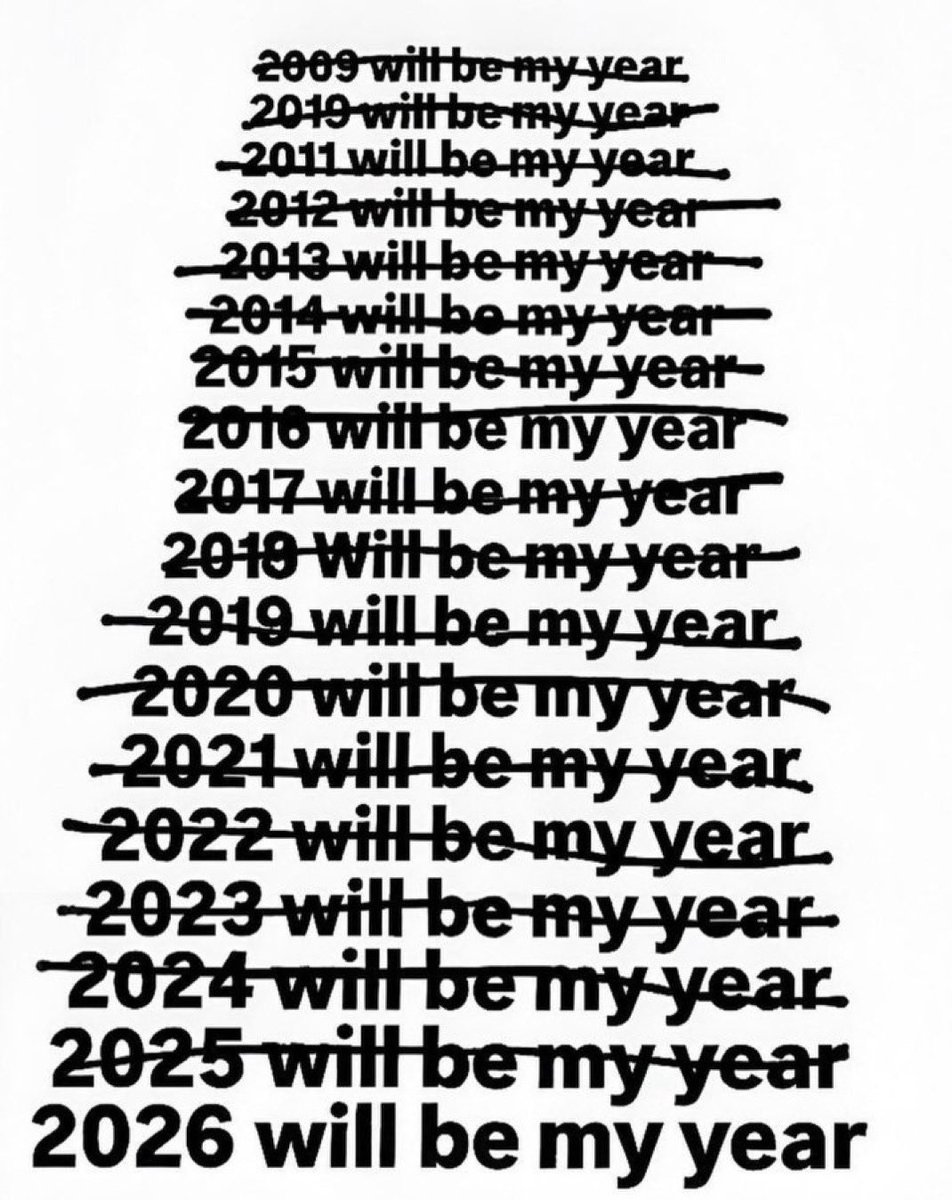
2024 was the lesson. 2025 was the growth. 2026 is the harvest.
Don't enter the new year with the same habits that kept you stuck this year. The version of you that wins in 2026 requires a different level of focus.
Who's ready to outwork their 2025 self?