@EnigmasEnX Es obvio que tienen carencia de células de la sustancia gris, creen que un video barato puede derrumbar millones y millones de piedras y rocas usadas en su construcción
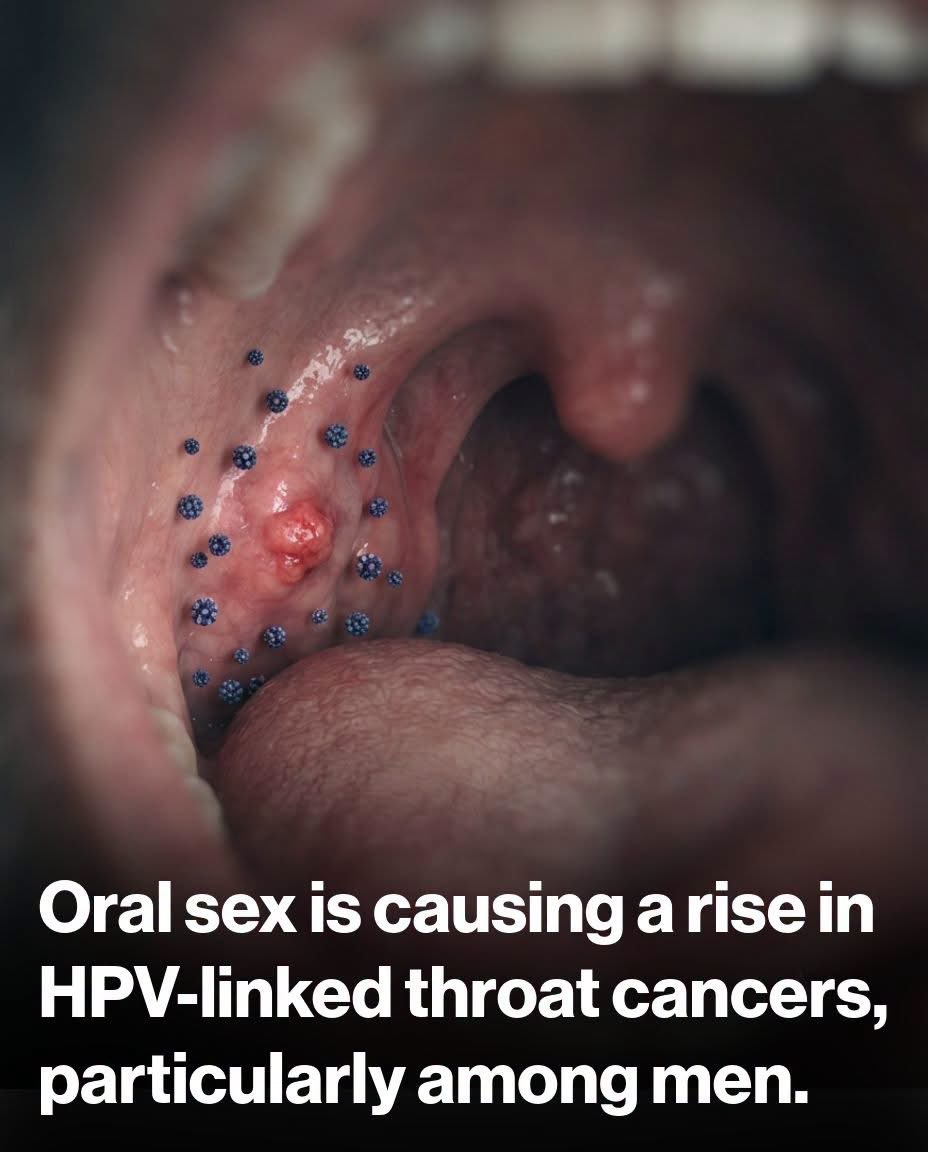
Human papillomavirus (HPV), a common sexually transmitted infection, has emerged as a leading cause of oropharyngeal cancers affecting the back of the throat, base of the tongue, and tonsils.
These cancers, once primarily linked to tobacco and alcohol use, are now increasingly driven by HPV transmission through oral sex.
The virus spreads when infected genital areas contact the mouth or throat during sexual activity, allowing high-risk strains like HPV-16 to infect oral tissues.
Over years or decades, persistent infections can trigger cellular changes leading to malignancy. Incidence has risen notably since the 1980s, particularly among men, who account for over 80 percent of cases in the United States.
About 10 percent of men carry oral HPV compared to 3.6 percent of women, reflecting differences in immune response and sexual behaviors.
Factors such as multiple oral sex partners, earlier initiation of such activity, and higher numbers of lifetime partners significantly elevate risk.
This shift coincides with broader changes in sexual practices over recent decades, resulting in HPV surpassing traditional causes for throat cancers in many developed nations.
Men in their 50s and 60s, often without smoking histories, now represent a growing patient group as the virus's long latency period manifests.
While most HPV infections clear naturally, persistent cases underscore the importance of prevention through vaccination before sexual activity begins.
Regular dental checkups can aid early detection, though symptoms like persistent sore throat or lumps often appear late. Public health efforts focus on awareness to curb this trend.
Source: Centers for Disease Control and Prevention (CDC) - HPV and Oropharyngeal Cancer.