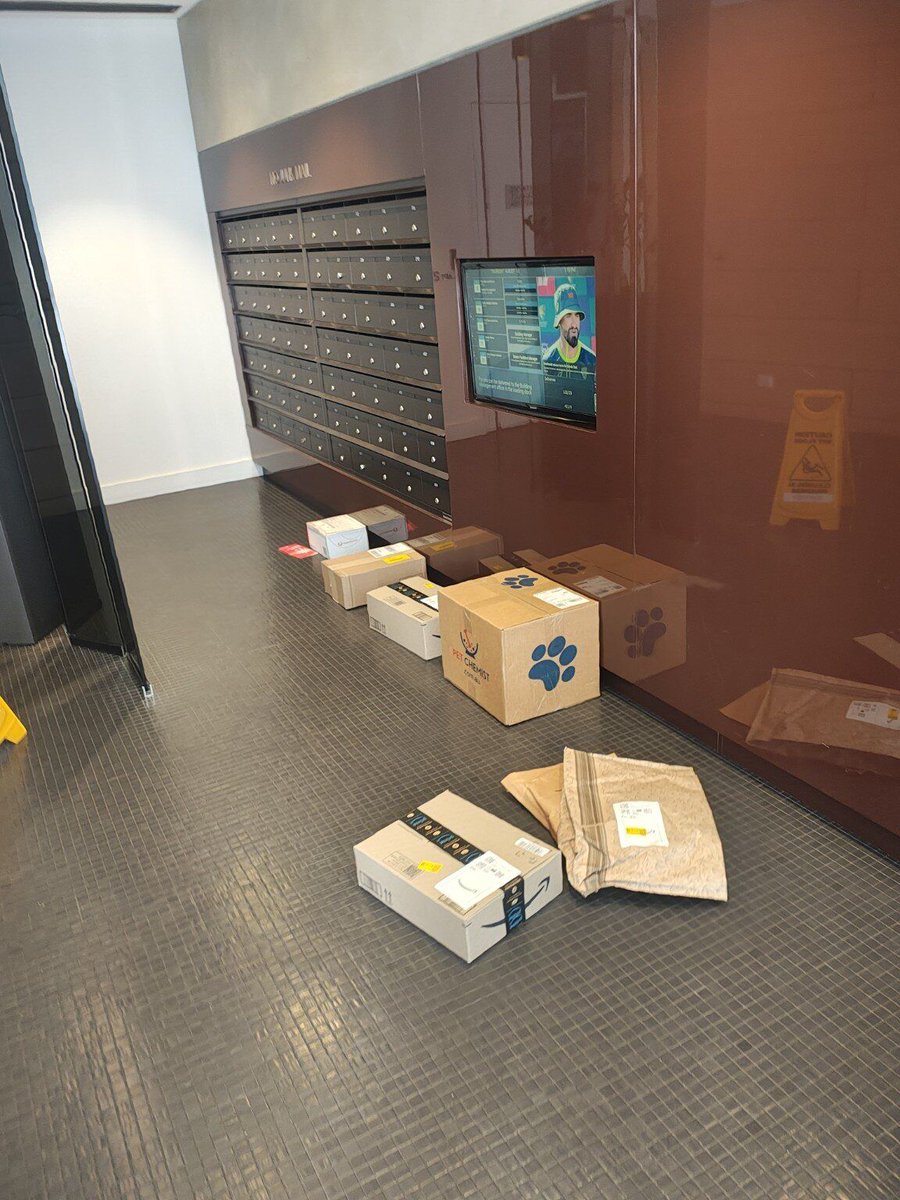
The delivery changed. The building didn’t.
Letterboxes were built for letters and small mail.
Now the same space has to absorb boxes and multiple parcels.
When the system changes but the building doesn’t, the floor becomes the overflow.
That’s The Last Inch.
@praveenjatta That distinction is useful. What would you look for to tell whether the human review is actually meaningful rather than just procedural? Is it override behaviour, recorded reasoning, or something else?
@praveenjatta That framing helps. Reconstructability feels like the practical test: can you show what the system saw, what it decided, and where a human intervened?
One street address. 42 separate lobbies, plus standalone entrances.
You can reach the right address and still be nowhere near the right delivery point.
That’s the Last Inch.
https://t.co/rvFTUHwwnU
@IkechukwuD35328 Laundry is a great service-design test because the handoffs are so visible. What surprised you most once you mapped the customer journey: drop-off, status updates, payment or collection?
@MultifamilyMad@Stealx Hallways are one of those spaces everyone uses and nobody owns emotionally until they feel neglected. What’s the smallest common-area change you’ve seen create an outsized reaction?
@Gormogons@PolitiBunny That’s the uncomfortable last-mile question in almost every network. Once the shared infrastructure is built, the final exceptional connection can cost more than dozens of ordinary ones. How should that cost be allocated fairly?
@trdny When capital is this available for multifamily, what operating evidence is carrying the most weight in underwriting now: occupancy, retention, expense control or resident-service performance?
@tirishreddy@GodariYetakaram Exactly. Capacity at the source can look healthy while the user still experiences failure at the end. Which constraint between canal release and farm delivery is creating the biggest loss?
@dissectmarkets@carlquintanilla@WSJ Construction spending tells us what is being built, but not whether the operating model works once residents move in. Are you seeing the same strength in lease-up and retention data?
@SeeSurance Once a measure becomes the target, people optimise the visible number and move the cost elsewhere. What companion measure would make MLR harder to game without making the reporting system unmanageable?
@Wyr3d21@pbannistuk@phresh_arrow The hard part is deciding which decisions need a human. If every step needs approval, the automation collapses. If none do, the risk moves somewhere nobody is watching. Consequence and reversibility seem like the starting point.
@AustinJustice Stolen postal keys complicate the normal delivery discussion. Better placement can reduce opportunity, but it cannot solve compromised access credentials. Which intervention has actually reduced incidents locally?
@joeybaum13 If 95% is no longer the natural resting point, does the operator response become price first, or do retention and day-to-day service start carrying more weight than they did during lease-up?
@RIslam775 Rollback is the layer I see skipped most often. What does rollback mean when the agent changed an external system or communicated with another person rather than only changing data?
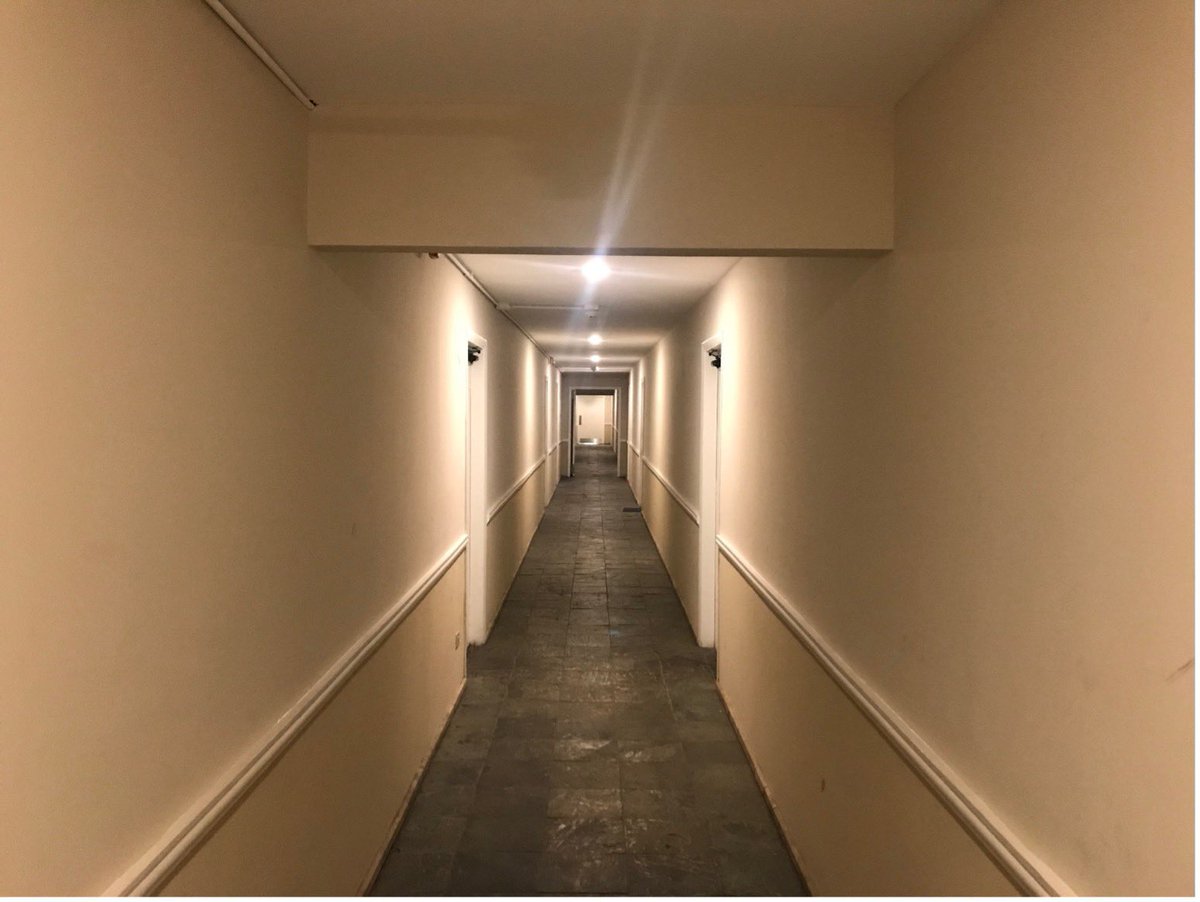
This hallway probably did more for the perception of this property than the roughly $15,000 to $20,000 spent renovating each unit
Before and after from one of my favorite properties in Mundelein, IL
I was obsessive about the lighting
3 rounds of testing
8 different bulbs
Different color temperatures, lumens and beam angles
Every detail matters