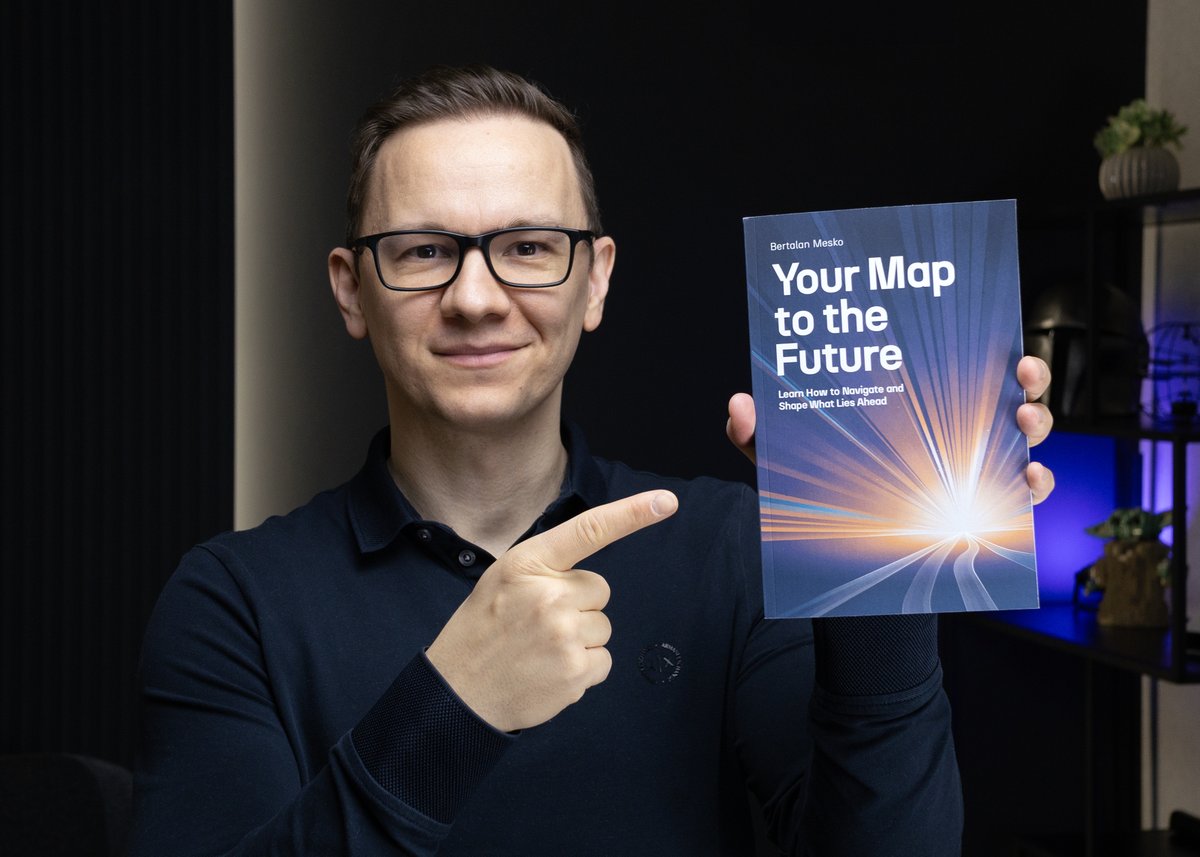
I cannot express my happiness and excitement about a book I’ve been working on for so long!
Here is Your Map to the Future: Learn How to Navigate and Shape What Lies Ahead!
In this book, I make science-based futures methods, that only experts including me at The Medical Futurist have been using for decades, accessible to everyone!
This heavily illustrated book describes how starting from the traps of short-term thinking and presentism, we can finally expand our time perspective and learn to observe and examine the future as we have been doing with the past.
Doing this is crucial in addressing today’s most pressing issues, from climate change to the rise of AI.
I cannot wait to hear what you think about it and if you could also leave an Amazon review, that would be fantastic! Thank you!
I’m looking forward to beginning this journey with you!
Here is the Amazon link: https://t.co/UFpiimPNVX
"Imagine this being the entrance to the hospital where you first saw your baby’s heartbeat… and nine months later, where you became a mom."
It's a series of 14 bronze sculptures by the artist Damien Hirst situated outside the Sidra Medical and Research Center in Doha, Qatar.
It's called The Miraculous Journey and shows the development of a human foetus in the womb.
The story behind it is that the chairperson of Qatar Museums visited Hirst's studio in Gloucestershire, England, and was shown drawings from 2005 that Hirst had made of prenatal development. The chairperson imagined situating them in front of the Sidra Medical Center. It cost around 20 million USD.
Do you think it is a hospital design element that helps pregnant mothers?
Source: gaidakue on IG
Here is a practical, no-hype course showing how to use AI safely in clinical work. Learn what to use, what to avoid, and how to stay in control, so you can save time, improve care, and stay relevant in the age of AI.
We designed it for medical professionals who want practical guidance on how to navigate AI in their daily work, stay relevant, and make informed decisions about using or evaluating AI tools.
BUT! The course is available to everyone with a desire to understand the context around artificial intelligence and its impact on the near future of healthcare.
Check it out on Thinkific: https://t.co/wDwSAlWbLU
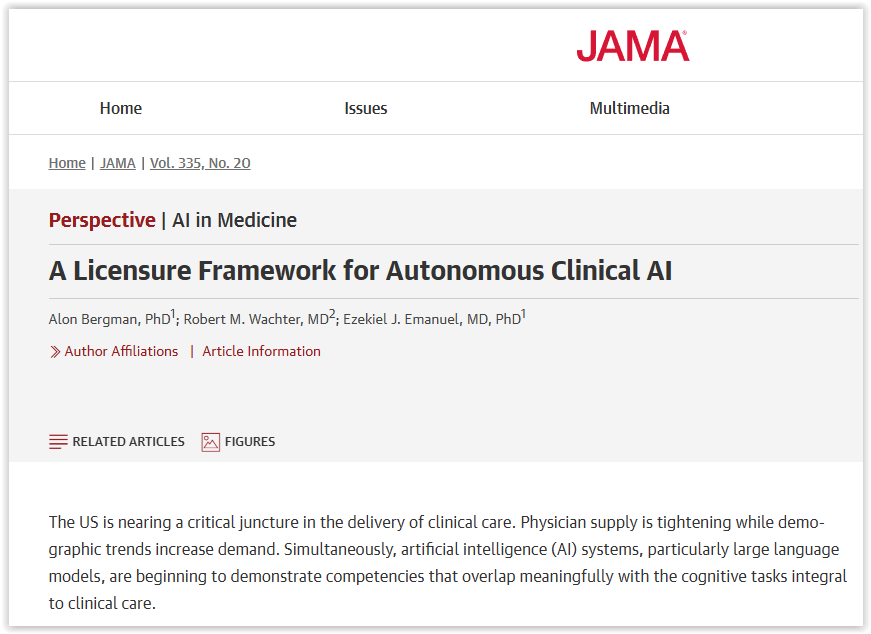
When will regulators allow AI to prescribe medications?
This is a key question in today's AI era and it's going to happen due to worldwide doctor shortages and a growing number of patient needs, not because anyone would choose an AI over a physician.
A new JAMA viewpoint paper described the framework that would allow that.
For example, regulators shouldn't regulate individual products (especially when adaptive AI changes a million times a day while being used) but companies creating them. All the current elements of the regulatory cycle are included in the proposed framework.
"𝑅𝑎𝑝𝑖𝑑𝑙𝑦 𝑎𝑑𝑣𝑎𝑛𝑐𝑖𝑛𝑔 𝑎𝑢𝑡𝑜𝑛𝑜𝑚𝑜𝑢𝑠 𝑐𝑙𝑖𝑛𝑖𝑐𝑎𝑙 𝐴𝐼 𝑝𝑟𝑒𝑠𝑒𝑛𝑡𝑠 𝑎 𝑟𝑒𝑔𝑢𝑙𝑎𝑡𝑜𝑟𝑦 𝑐ℎ𝑎𝑙𝑙𝑒𝑛𝑔𝑒 𝑡ℎ𝑎𝑡 𝑡ℎ𝑒 𝐹𝐷𝐴’𝑠 𝑐𝑢𝑟𝑟𝑒𝑛𝑡 𝑓𝑟𝑎𝑚𝑒𝑤𝑜𝑟𝑘, 𝑏𝑢𝑖𝑙𝑡 𝑓𝑜𝑟 𝑑𝑟𝑢𝑔𝑠 𝑎𝑛𝑑 𝑑𝑒𝑣𝑖𝑐𝑒𝑠, 𝑝𝑜𝑜𝑟𝑙𝑦 𝑎𝑑𝑑𝑟𝑒𝑠𝑠𝑒𝑠. 𝑇ℎ𝑎𝑡 𝑓𝑟𝑎𝑚𝑒𝑤𝑜𝑟𝑘 𝑎𝑠𝑠𝑢𝑚𝑒𝑠 𝑠𝑡𝑎𝑡𝑖𝑐 𝑝𝑟𝑜𝑑𝑢𝑐𝑡𝑠, 𝑛𝑎𝑟𝑟𝑜𝑤 𝑖𝑛𝑑𝑖𝑐𝑎𝑡𝑖𝑜𝑛𝑠, 𝑎𝑛𝑑 𝑐𝑙𝑒𝑎𝑟 𝑚𝑎𝑛𝑢𝑓𝑎𝑐𝑡𝑢𝑟𝑒𝑟 𝑎𝑐𝑐𝑜𝑢𝑛𝑡𝑎𝑏𝑖𝑙𝑖𝑡𝑦, 𝑎𝑠𝑠𝑢𝑚𝑝𝑡𝑖𝑜𝑛𝑠 𝑡ℎ𝑎𝑡 𝑎𝑢𝑡𝑜𝑛𝑜𝑚𝑜𝑢𝑠 𝑐𝑙𝑖𝑛𝑖𝑐𝑎𝑙 𝐴𝐼 𝑑𝑒𝑓𝑖𝑒𝑠."
Source: JAMA https://t.co/TP6ue3ovOj
I'm trying to avoid saying I said so, but many years ago, when the first tech giants showed interest in healthcare, I described how they couldn't succeed without the help of healthcare institutions, and at the same time, how those institutions need tech giants' technological expertise to excel in an increasingly tech-filled healthcare.
We even published a study about that: https://t.co/5QbKeFqPCJ
Now Microsoft is teaming up with Mayo Clinic to build an AI model trained specifically on medical data, including records, research and the expertise of the hospital’s clinicians, which they say will help both patients and providers.
"𝑀𝑎𝑦𝑜 𝐶𝑙𝑖𝑛𝑖𝑐 𝑤𝑖𝑙𝑙 𝑜𝑤𝑛 𝑡ℎ𝑒 𝑚𝑜𝑑𝑒𝑙, 𝑎𝑛𝑑 𝑡ℎ𝑒 𝑜𝑟𝑔𝑎𝑛𝑖𝑧𝑎𝑡𝑖𝑜𝑛𝑠 ℎ𝑜𝑝𝑒 𝑖𝑡 𝑤𝑖𝑙𝑙 𝑒𝑣𝑒𝑛𝑡𝑢𝑎𝑙𝑙𝑦 𝑝𝑜𝑤𝑒𝑟 𝐴𝐼 𝑡𝑜𝑜𝑙𝑠 𝑓𝑜𝑟 𝑐𝑙𝑖𝑛𝑖𝑐𝑖𝑎𝑛𝑠 𝑎𝑡 𝑡ℎ𝑒 ℎ𝑒𝑎𝑙𝑡ℎ 𝑝𝑟𝑜𝑣𝑖𝑑𝑒𝑟’𝑠 ℎ𝑜𝑠𝑝𝑖𝑡𝑎𝑙𝑠 — 𝑤𝑖𝑡ℎ 𝑡ℎ𝑒 𝑝𝑜𝑡𝑒𝑛𝑡𝑖𝑎𝑙 𝑡𝑜 𝑙𝑖𝑐𝑒𝑛𝑠𝑒 𝑡ℎ𝑒 𝑡𝑒𝑐ℎ𝑛𝑜𝑙𝑜𝑔𝑦 𝑡𝑜 𝑜𝑡ℎ𝑒𝑟 ℎ𝑒𝑎𝑙𝑡ℎ𝑐𝑎𝑟𝑒 𝑖𝑛𝑠𝑡𝑖𝑡𝑢𝑡𝑖𝑜𝑛𝑠.
𝑇ℎ𝑒𝑦 𝑎𝑙𝑠𝑜 𝑎𝑖𝑚 𝑡𝑜 𝑏𝑢𝑖𝑙𝑑 𝑎𝑛 𝐴𝐼 ℎ𝑒𝑎𝑙𝑡ℎ𝑐𝑎𝑟𝑒 𝑎𝑠𝑠𝑖𝑠𝑡𝑎𝑛𝑡 𝑡ℎ𝑎𝑡 𝑝𝑎𝑡𝑖𝑒𝑛𝑡𝑠 𝑐𝑎𝑛 𝑒𝑛𝑔𝑎𝑔𝑒 𝑤𝑖𝑡ℎ 𝑡ℎ𝑟𝑜𝑢𝑔ℎ 𝑡ℎ𝑒 ℎ𝑜𝑠𝑝𝑖𝑡𝑎𝑙’𝑠 𝑜𝑛𝑙𝑖𝑛𝑒 𝑝𝑜𝑟𝑡𝑎𝑙. 𝑇ℎ𝑒 𝑚𝑜𝑑𝑒𝑙 𝑐𝑜𝑢𝑙𝑑 𝑎𝑙𝑠𝑜 𝑖𝑚𝑝𝑟𝑜𝑣𝑒 ℎ𝑜𝑤 𝑀𝑖𝑐𝑟𝑜𝑠𝑜𝑓𝑡’𝑠 𝐶𝑜𝑝𝑖𝑙𝑜𝑡 𝑐𝑜𝑛𝑠𝑢𝑚𝑒𝑟 𝐴𝐼 𝑐ℎ𝑎𝑡𝑏𝑜𝑡 𝑎𝑛𝑠𝑤𝑒𝑟𝑠 ℎ𝑒𝑎𝑙𝑡ℎ-𝑟𝑒𝑙𝑎𝑡𝑒𝑑 𝑞𝑢𝑒𝑠𝑡𝑖𝑜𝑛𝑠."
Source: CNN https://t.co/0QjRSynoRp
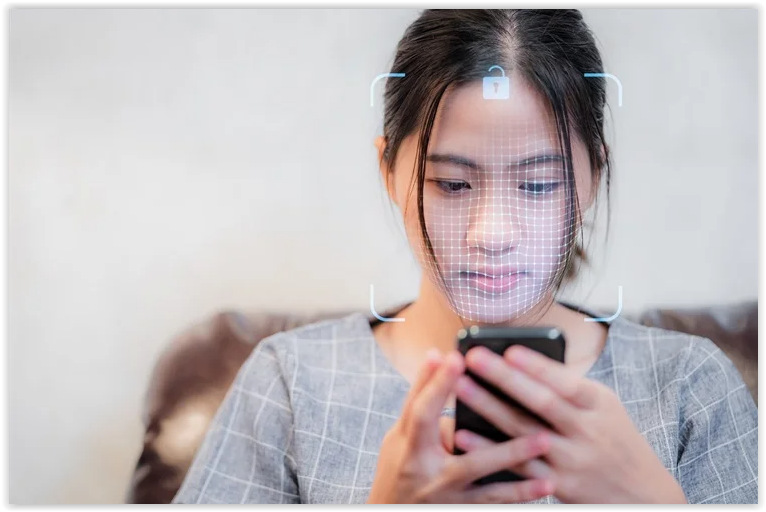
First, there were wearable devices measuring vital signs like heart rate with PPG technology. Then came apps that used the phone's camera with the flashlight on to measure the same, but it was inconvenient and unreliable.
Now, the phone's front camera, which you use while unlocking the phone, is being used for the same! Smart idea!
"𝐴 𝑠𝑚𝑎𝑟𝑡𝑝ℎ𝑜𝑛𝑒 𝑐𝑜𝑢𝑙𝑑 𝑠𝑜𝑜𝑛 𝑎𝑢𝑡𝑜𝑚𝑎𝑡𝑖𝑐𝑎𝑙𝑙𝑦 𝑡𝑟𝑎𝑐𝑘 ℎ𝑒𝑎𝑟𝑡 ℎ𝑒𝑎𝑙𝑡ℎ 𝑤ℎ𝑖𝑙𝑒 𝑝𝑒𝑜𝑝𝑙𝑒 𝑢𝑠𝑒 𝑖𝑡 𝑛𝑜𝑟𝑚𝑎𝑙𝑙𝑦, 𝑤𝑖𝑡ℎ𝑜𝑢𝑡 𝑟𝑒𝑞𝑢𝑖𝑟𝑖𝑛𝑔 𝑎 𝑠𝑚𝑎𝑟𝑡𝑤𝑎𝑡𝑐ℎ, 𝑓𝑖𝑡𝑛𝑒𝑠𝑠 𝑡𝑟𝑎𝑐𝑘𝑒𝑟, 𝑜𝑟 𝑎 𝑑𝑒𝑙𝑖𝑏𝑒𝑟𝑎𝑡𝑒 ℎ𝑒𝑎𝑟𝑡-𝑟𝑎𝑡𝑒 𝑐ℎ𝑒𝑐𝑘.
𝐼𝑛 𝑎 𝑙𝑎𝑟𝑔𝑒 𝑠𝑡𝑢𝑑𝑦 𝑝𝑢𝑏𝑙𝑖𝑠ℎ𝑒𝑑 𝑖𝑛 𝑡ℎ𝑒 𝑗𝑜𝑢𝑟𝑛𝑎𝑙 𝑁𝑎𝑡𝑢𝑟𝑒, 𝑟𝑒𝑠𝑒𝑎𝑟𝑐ℎ𝑒𝑟𝑠 𝑐𝑟𝑒𝑎𝑡𝑒𝑑 𝑎 𝑃𝑎𝑠𝑠𝑖𝑣𝑒 𝐻𝑒𝑎𝑟𝑡-𝑅𝑎𝑡𝑒 𝑀𝑜𝑛𝑖𝑡𝑜𝑟𝑖𝑛𝑔 (𝑃𝐻𝑅𝑀) 𝑠𝑦𝑠𝑡𝑒𝑚 𝑡ℎ𝑎𝑡 𝑢𝑠𝑒𝑠 𝑡ℎ𝑒 𝑝ℎ𝑜𝑛𝑒’𝑠 𝑓𝑟𝑜𝑛𝑡 𝑐𝑎𝑚𝑒𝑟𝑎 𝑡𝑜 𝑑𝑒𝑡𝑒𝑐𝑡 𝑏𝑙𝑜𝑜𝑑 𝑓𝑙𝑜𝑤 𝑐ℎ𝑎𝑛𝑔𝑒𝑠 𝑖𝑛 𝑎 𝑝𝑒𝑟𝑠𝑜𝑛’𝑠 𝑓𝑎𝑐𝑒."
It seems like passive vital sign monitoring is slowly becoming possible. You obtain important health data without even knowing it.
Source: https://t.co/5Ur6l7jAjs
AI and Digital Health are booming. In this book, we explain why now it's a good time to invest in Digital Health and give recommendations on where to invest by looking at the top 24 technological trends we find the most promising.
1 . Digital Health By The Numbers
2. Where To Invest? The Top 24 Digital Health Technologies
3. Key Learnings from Successful and Failed Startups
Check it out on Leanpub! https://t.co/HDlyqD9rCx
After all my longevity experiences, MP Check, based in Israel, reached out to offer their service: a longevity screening coming to my home!
I had to give it a try. A medical professional came to my studio in Budapest and did the whole screening process in one hour.
They did all these during that time:
Lipid profile, Blood Chemistry, HBA1C
Urine Test
Blood pressure, 6/12-lead ECG, Heart Echo
Hearing Test
Spirometry
FIT test
Heart Stress Test - Ischemia HRV Based
Aortic Aneurysm Screening
Then I received results and a PDF report, as well as the opportunity to discuss my questions with a physician.
From individuals using digital health devices and at-home lab tests to getting a comprehensive longevity package like the one I had and shared with you last year, this approach stands in the middle.
I can imagine companies "bringing healthcare" to their offices this way, where one physician can screen a dozen people a day.
I'll write a detailed article, and we will release a video soon too so you can see how the screening went in person.
In this new video, I describe why China is the No. 1 country in healthcare AI today.
China has been working on the broader application of AI in the country’s health sector.
AI hospitals, robots, and digital health applications are all around the place. Even smaller provinces are joining the race for better care.
Check it out on my YouTube channel: https://t.co/6QsJkeeKjf
The idea of robot companions at home, either as pets or helping the elderly, has been around for over a decade. No product could become mainstream, and now the head of Roomba wants to make it happen.
"𝐶𝑜𝑙𝑖𝑛 𝐴𝑛𝑔𝑙𝑒, 𝑐𝑜-𝑓𝑜𝑢𝑛𝑑𝑒𝑟 𝑜𝑓 𝑖𝑅𝑜𝑏𝑜𝑡, ℎ𝑎𝑠 𝑙𝑎𝑢𝑛𝑐ℎ𝑒𝑑 𝐹𝑎𝑚𝑖𝑙𝑖𝑎𝑟 𝑀𝑎𝑐ℎ𝑖𝑛𝑒𝑠 & 𝑀𝑎𝑔𝑖𝑐 (𝐹𝑀&𝑀) 𝑡𝑜 𝑑𝑒𝑣𝑒𝑙𝑜𝑝 "𝐶𝑜𝑛𝑠𝑢𝑚𝑒𝑟 𝑃ℎ𝑦𝑠𝑖𝑐𝑎𝑙 𝐴𝐼" 𝑓𝑜𝑐𝑢𝑠𝑒𝑑 𝑜𝑛 𝑒𝑚𝑜𝑡𝑖𝑜𝑛𝑎𝑙 𝑖𝑛𝑡𝑒𝑙𝑙𝑖𝑔𝑒𝑛𝑐𝑒.
𝑇ℎ𝑒 𝑐𝑜𝑚𝑝𝑎𝑛𝑦’𝑠 𝑓𝑖𝑟𝑠𝑡 𝑝𝑟𝑜𝑡𝑜𝑡𝑦𝑝𝑒, 𝑎 𝐹𝑎𝑚𝑖𝑙𝑖𝑎𝑟, 𝑖𝑠 𝑎 𝑞𝑢𝑎𝑑𝑟𝑢𝑝𝑒𝑑 𝑑𝑒𝑠𝑖𝑔𝑛𝑒𝑑 𝑤𝑖𝑡ℎ 𝟤𝟥 𝑑𝑒𝑔𝑟𝑒𝑒𝑠 𝑜𝑓 𝑓𝑟𝑒𝑒𝑑𝑜𝑚 𝑎𝑛𝑑 𝑎 𝑡𝑜𝑢𝑐ℎ-𝑠𝑒𝑛𝑠𝑖𝑡𝑖𝑣𝑒 𝑐𝑜𝑎𝑡 𝑡𝑜 𝑓𝑎𝑐𝑖𝑙𝑖𝑡𝑎𝑡𝑒 ℎ𝑢𝑚𝑎𝑛 𝑏𝑜𝑛𝑑𝑖𝑛𝑔."
The robot is expressive through its face, eyes, posture, and movement, and it features edge AI processing and can follow a user from room to room.
Would you buy such a robot companion? If so, for what use?
China has approved the world’s first invasive brain-computer chip, and the man who was paralyzed from the neck down after a car accident could write his name and move his hand again.
They could beat Neuralink in the first approval, maybe because this is less invasive than Neuralink's chip, which directly penetrates the cortex.
The brain implant is a coin-sized device called NEO and was developed by Neuracle Technology (Shanghai) with researchers at Tsinghua University in Beijing.
"𝐷𝑢𝑟𝑖𝑛𝑔 𝑎 𝑝𝑟𝑜𝑐𝑒𝑑𝑢𝑟𝑒 𝑡ℎ𝑎𝑡 𝑡𝑜𝑜𝑘 𝑗𝑢𝑠𝑡 𝑜𝑣𝑒𝑟 𝑎𝑛 ℎ𝑜𝑢𝑟 𝑎𝑛𝑑 𝑎 ℎ𝑎𝑙𝑓, 𝑡ℎ𝑒 𝑑𝑒𝑣𝑖𝑐𝑒’𝑠 𝑠𝑒𝑛𝑠𝑜𝑟𝑠, 𝑤ℎ𝑖𝑐ℎ 𝑐𝑜𝑙𝑙𝑒𝑐𝑡 𝐷𝑜𝑛𝑔’𝑠 𝑏𝑟𝑎𝑖𝑛 𝑠𝑖𝑔𝑛𝑎𝑙𝑠, 𝑤𝑒𝑟𝑒 𝑝𝑙𝑎𝑐𝑒𝑑 𝑜𝑛 ℎ𝑖𝑠 𝑑𝑢𝑟𝑎 𝑚𝑎𝑡𝑒𝑟, 𝑡ℎ𝑒 𝑡𝑜𝑢𝑔ℎ 𝑜𝑢𝑡𝑒𝑟 𝑙𝑎𝑦𝑒𝑟 𝑜𝑓 𝑡𝑖𝑠𝑠𝑢𝑒 𝑡ℎ𝑎𝑡 𝑐𝑜𝑣𝑒𝑟𝑠 𝑎𝑛𝑑 𝑝𝑟𝑜𝑡𝑒𝑐𝑡𝑠 𝑡ℎ𝑒 𝑏𝑟𝑎𝑖𝑛. 𝑇ℎ𝑒 𝑠𝑖𝑔𝑛𝑎𝑙𝑠 𝑎𝑟𝑒 𝑡𝑟𝑎𝑛𝑠𝑚𝑖𝑡𝑡𝑒𝑑 𝑡𝑜 𝑎 𝑐𝑜𝑚𝑝𝑢𝑡𝑒𝑟 𝑏𝑦 𝑎𝑛 𝑖𝑚𝑝𝑙𝑎𝑛𝑡 𝑝𝑙𝑎𝑐𝑒𝑑 𝑜𝑛 𝐷𝑜𝑛𝑔’𝑠 𝑠𝑘𝑢𝑙𝑙.
𝑇ℎ𝑒 𝑐𝑜𝑚𝑝𝑢𝑡𝑒𝑟 𝑡ℎ𝑒𝑛 𝑡𝑟𝑎𝑛𝑠𝑙𝑎𝑡𝑒𝑠 𝑡ℎ𝑒 𝑠𝑖𝑔𝑛𝑎𝑙𝑠 𝑖𝑛𝑡𝑜 𝑐𝑜𝑚𝑚𝑎𝑛𝑑𝑠 𝑓𝑜𝑟 𝑎 𝑠𝑜𝑓𝑡 𝑟𝑜𝑏𝑜𝑡𝑖𝑐 𝑔𝑙𝑜𝑣𝑒 𝐷𝑜𝑛𝑔 𝑤𝑒𝑎𝑟𝑠 𝑑𝑢𝑟𝑖𝑛𝑔 𝑡ℎ𝑒 𝟤.𝟧-ℎ𝑜𝑢𝑟 𝑡𝑟𝑎𝑖𝑛𝑖𝑛𝑔 𝑠𝑒𝑠𝑠𝑖𝑜𝑛𝑠 ℎ𝑒 𝑐𝑜𝑚𝑝𝑙𝑒𝑡𝑒𝑠 𝑒𝑎𝑐ℎ 𝑑𝑎𝑦 𝑡𝑜 ℎ𝑒𝑙𝑝 ℎ𝑖𝑚 𝑙𝑒𝑎𝑟𝑛 𝑡𝑜 𝑔𝑟𝑎𝑏."
Source: MIT Review https://t.co/sUhgB6plVK?
In Leiden, the Netherlands, Rijksmuseum Boerhaave has a demonstration of what it would have looked like to have surgery on your hand centuries ago.
I wish such (by the way, not so complicated) technologies would gain the attention of medical schools.
Imagine studying anatomy on your own hand through this immersive experience.
I know the Apple Vision Pro and HoloLens can do better, but they are very expensive. This is not.
The wearable health tracker landscape that spans 19 device categories across various body parts.
What's left? Which body part of health wearable category has not found its market yet?
The dream I pursued during my PhD in genomics was to use blood tests to determine whether patients would respond to extensive and expensive therapies before even starting them. We demonstrated this in autoimmune conditions and biological therapies.
Now the same strategy works in breast cancer:
"𝑀𝑖𝑙𝑙𝑖𝑜𝑛𝑠 𝑜𝑓 𝑝𝑒𝑜𝑝𝑙𝑒 𝑤𝑖𝑡ℎ 𝑏𝑟𝑒𝑎𝑠𝑡 𝑐𝑎𝑛𝑐𝑒𝑟 𝑐𝑜𝑢𝑙𝑑 𝑠𝑎𝑓𝑒𝑙𝑦 𝑎𝑣𝑜𝑖𝑑 𝑐ℎ𝑒𝑚𝑜𝑡ℎ𝑒𝑟𝑎𝑝𝑦 𝑎𝑠 𝑠𝑐𝑖𝑒𝑛𝑡𝑖𝑠𝑡𝑠 ℎ𝑎𝑣𝑒 𝑑𝑒𝑣𝑒𝑙𝑜𝑝𝑒𝑑 𝑎 𝐷𝑁𝐴 𝑡𝑒𝑠𝑡 𝑡ℎ𝑎𝑡 𝑐𝑎𝑛 𝑑𝑖𝑠𝑡𝑖𝑛𝑔𝑢𝑖𝑠ℎ 𝑏𝑒𝑡𝑤𝑒𝑒𝑛 𝑝𝑎𝑡𝑖𝑒𝑛𝑡𝑠 𝑤ℎ𝑜 𝑎𝑟𝑒 𝑙𝑖𝑘𝑒𝑙𝑦 𝑡𝑜 𝑏𝑒𝑛𝑒𝑓𝑖𝑡 𝑓𝑟𝑜𝑚 𝑡ℎ𝑒 𝑡𝑟𝑒𝑎𝑡𝑚𝑒𝑛𝑡 𝑎𝑛𝑑 𝑡ℎ𝑜𝑠𝑒 𝑤ℎ𝑜 𝑎𝑟𝑒 𝑛𝑜𝑡, 𝑎𝑐𝑐𝑜𝑟𝑑𝑖𝑛𝑔 𝑡𝑜 𝑡𝑟𝑖𝑎𝑙 𝑟𝑒𝑠𝑢𝑙𝑡𝑠.
𝑇ℎ𝑒 𝑖𝑛𝑡𝑒𝑟𝑛𝑎𝑡𝑖𝑜𝑛𝑎𝑙 𝑠𝑡𝑢𝑑𝑦 𝑓𝑜𝑢𝑛𝑑 𝑡ℎ𝑎𝑡 𝑚𝑜𝑟𝑒 𝑡ℎ𝑎𝑛 𝑡𝑤𝑜-𝑡ℎ𝑖𝑟𝑑𝑠 𝑜𝑓 𝑖𝑡𝑠 𝑝𝑎𝑟𝑡𝑖𝑐𝑖𝑝𝑎𝑛𝑡𝑠 𝑐𝑜𝑢𝑙𝑑 𝑏𝑒 𝑠𝑝𝑎𝑟𝑒𝑑 𝑡ℎ𝑒 𝑠𝑖𝑑𝑒 𝑜𝑓 𝑒𝑓𝑓𝑒𝑐𝑡𝑠 𝑜𝑓 𝑐ℎ𝑒𝑚𝑜𝑡ℎ𝑒𝑟𝑎𝑝𝑦 𝑎𝑛𝑑 𝑡𝑟𝑒𝑎𝑡𝑒𝑑 𝑤𝑖𝑡ℎ ℎ𝑜𝑟𝑚𝑜𝑛𝑒 𝑡ℎ𝑒𝑟𝑎𝑝𝑦 𝑎𝑙𝑜𝑛𝑒."
This could be a life-changer for patients. It's also a perfect proof of personalized medicine.
Source: BBC https://t.co/eE3TAZlG3I
More than 500 videos about digital health, healthcare AI and the future of medicine for over 212,000 subscribers on The Medical Futurist YouTube channel!
We produce new videos weekly.
Check it out and subscribe for free so you won't miss out on the new content! https://t.co/xOFaLRANQH
A few years ago, I gave a keynote at a dentistry event, and I talked about teledentistry, AI and 3D printing.
In general, I shared the vision with them about how dentistry could adopt digital health technologies and the concept of patients becoming the point of care.
I met a lot of resistance.
Now, seeing the progress of these technologies, all recent dentistry events have started to feature them. One example:
With the DentalMonitoring app and ScanBox pro, patients can send in photos of their teeth and communicate with their dentist securely from home.
It uses AI to ensure the scans are precise and the device is really easy to use.
A photo from a new intensive care rooftop ward at King's College Hospital in south London! What a beautiful concept!
The patient said she "forgot what it feels like to be outside".
The outdoor ward has enough space for six patients (see more photos in the link below), who can be connected to power and oxygen supplies housed in a waterproof box next to each bed.
"𝐸𝑥𝑝𝑜𝑠𝑢𝑟𝑒 𝑡𝑜 𝑓𝑟𝑒𝑠ℎ 𝑎𝑖𝑟 𝑎𝑛𝑑 𝑛𝑎𝑡𝑢𝑟𝑒 𝑐𝑎𝑛 𝑏𝑜𝑜𝑠𝑡 𝑝𝑎𝑡𝑖𝑒𝑛𝑡 𝑤𝑒𝑙𝑙𝑏𝑒𝑖𝑛𝑔 𝑎𝑛𝑑 𝑟𝑒𝑑𝑢𝑐𝑒 𝑡𝑖𝑚𝑒 𝑠𝑝𝑒𝑛𝑡 𝑖𝑛 ℎ𝑜𝑠𝑝𝑖𝑡𝑎𝑙, 𝑟𝑒𝑠𝑒𝑎𝑟𝑐ℎ 𝑠𝑢𝑔𝑔𝑒𝑠𝑡𝑠. 𝐻𝑜𝑠𝑝𝑖𝑡𝑎𝑙 𝑔𝑎𝑟𝑑𝑒𝑛𝑠 ℎ𝑎𝑣𝑒 𝑏𝑒𝑒𝑛 𝑎𝑟𝑜𝑢𝑛𝑑 𝑓𝑜𝑟 𝑠𝑜𝑚𝑒 𝑡𝑖𝑚𝑒 𝑓𝑜𝑟 𝑡ℎ𝑎𝑡 𝑟𝑒𝑎𝑠𝑜𝑛 - 𝑏𝑢𝑡 𝑡ℎ𝑒𝑦 𝑎𝑟𝑒 𝑟𝑎𝑟𝑒𝑙𝑦 𝑎𝑏𝑙𝑒 𝑡𝑜 𝑚𝑒𝑒𝑡 𝑡ℎ𝑒 𝑛𝑒𝑒𝑑𝑠 𝑜𝑓 𝑐𝑟𝑖𝑡𝑖𝑐𝑎𝑙𝑙𝑦 𝑖𝑙𝑙 𝑝𝑎𝑡𝑖𝑒𝑛𝑡𝑠.
𝐷𝑜𝑐𝑡𝑜𝑟𝑠 𝑎𝑡 𝐾𝑖𝑛𝑔'𝑠 𝑠𝑎𝑦 𝑡ℎ𝑒𝑟𝑒 𝑐𝑜𝑢𝑙𝑑 𝑏𝑒 ℎ𝑢𝑔𝑒 𝑏𝑒𝑛𝑒𝑓𝑖𝑡𝑠 𝑓𝑜𝑟 𝑡ℎ𝑒𝑠𝑒 𝑝𝑎𝑡𝑖𝑒𝑛𝑡𝑠 𝑤ℎ𝑜'𝑣𝑒 𝑏𝑒𝑒𝑛 𝑖𝑛 ℎ𝑜𝑠𝑝𝑖𝑡𝑎𝑙 𝑓𝑜𝑟 𝑒𝑥𝑡𝑒𝑛𝑑𝑒𝑑 𝑝𝑒𝑟𝑖𝑜𝑑𝑠. 𝑇ℎ𝑒𝑦 𝑛𝑜𝑤 𝑝𝑙𝑎𝑛 𝑡𝑜 𝑚𝑜𝑛𝑖𝑡𝑜𝑟 𝑝𝑎𝑡𝑖𝑒𝑛𝑡𝑠' ℎ𝑒𝑎𝑟𝑡 𝑟𝑎𝑡𝑒𝑠, 𝑟𝑒𝑠𝑝𝑖𝑟𝑎𝑡𝑜𝑟𝑦 𝑟𝑎𝑡𝑒𝑠 𝑎𝑛𝑑 𝑝𝑎𝑖𝑛 𝑙𝑒𝑣𝑒𝑙𝑠, 𝑡𝑜 𝑠𝑒𝑒 𝑖𝑓 𝑡ℎ𝑒 𝑜𝑢𝑡𝑑𝑜𝑜𝑟 𝑟𝑜𝑜𝑓𝑡𝑜𝑝 𝑤𝑎𝑟𝑑 ℎ𝑒𝑙𝑝𝑠 𝑡ℎ𝑒𝑚 𝑟𝑒𝑐𝑜𝑣𝑒𝑟 𝑚𝑜𝑟𝑒 𝑞𝑢𝑖𝑐𝑘𝑙𝑦."
Source: BBC https://t.co/Ewat8O2QYr
Not only are at-home lab tests still on the rise, but even what they can deliver to patients' homes is getting more comprehensive.
Noom just announced the launch of its at-home Biomarkers Test Kit to Noom members in the US. They are also targeting GLP-1 users to track their progress.
The tests can help establish baseline labs and track improvement in markers like HbA1C, ApoB, triglycerides, and hs-CRP over time.
"𝑇ℎ𝑒 𝑘𝑖𝑡 𝑒𝑛𝑎𝑏𝑙𝑒𝑠 𝑚𝑒𝑚𝑏𝑒𝑟𝑠 𝑡𝑜 𝑐𝑜𝑙𝑙𝑒𝑐𝑡 𝑎 𝑠𝑚𝑎𝑙𝑙 𝑏𝑙𝑜𝑜𝑑 𝑠𝑎𝑚𝑝𝑙𝑒 𝑎𝑡 ℎ𝑜𝑚𝑒 𝑖𝑛 𝑢𝑛𝑑𝑒𝑟 𝑡𝑒𝑛 𝑚𝑖𝑛𝑢𝑡𝑒𝑠, 𝑠𝑘𝑖𝑝 𝑡ℎ𝑒 𝑙𝑎𝑏 𝑣𝑖𝑠𝑖𝑡, 𝑎𝑛𝑑 𝑟𝑒𝑐𝑒𝑖𝑣𝑒 𝑐𝑙𝑖𝑛𝑖𝑐𝑎𝑙𝑙𝑦 𝑚𝑒𝑎𝑛𝑖𝑛𝑔𝑓𝑢𝑙 𝑟𝑒𝑠𝑢𝑙𝑡𝑠 𝑤𝑖𝑡ℎ𝑖𝑛 𝑎𝑏𝑜𝑢𝑡 𝑎 𝑤𝑒𝑒𝑘 – 𝑝𝑎𝑖𝑟𝑒𝑑 𝑑𝑖𝑟𝑒𝑐𝑡𝑙𝑦 𝑤𝑖𝑡ℎ 𝑎𝑐𝑐𝑒𝑠𝑠 𝑡𝑜 𝑚𝑒𝑑𝑖𝑐𝑎𝑡𝑖𝑜𝑛 𝑎𝑛𝑑 𝑏𝑒ℎ𝑎𝑣𝑖𝑜𝑟 𝑐ℎ𝑎𝑛𝑔𝑒 𝑝𝑟𝑜𝑔𝑟𝑎𝑚𝑠 𝑡𝑜 𝑖𝑚𝑝𝑟𝑜𝑣𝑒 𝑡ℎ𝑜𝑠𝑒 𝑟𝑒𝑠𝑢𝑙𝑡𝑠."
COVID antigen tests first for hundreds of millions of people, DTC genetic tests, simpler lab tests, at-home blood collection devices, robotic blood collection... this field is booming with opportunity for growth.
𝐈𝐭 𝐬𝐞𝐞𝐦𝐬 𝐭𝐡𝐚𝐭 𝐠𝐨𝐢𝐧𝐠 𝐭𝐨 𝐚 𝐥𝐚𝐛 𝐭𝐨 𝐭𝐚𝐤𝐞 𝐚 𝐛𝐥𝐨𝐨𝐝 𝐬𝐚𝐦𝐩𝐥𝐞 𝐭𝐨 𝐦𝐞𝐚𝐬𝐮𝐫𝐞 𝐦𝐚𝐫𝐤𝐞𝐫𝐬 𝐰𝐢𝐥𝐥 𝐬𝐨𝐨𝐧 𝐥𝐨𝐨𝐤 𝐥𝐢𝐤𝐞 𝐚 𝐛𝐚𝐫𝐛𝐚𝐫𝐢𝐜 𝐨𝐥𝐝 𝐡𝐚𝐛𝐢𝐭.
Source: https://t.co/Gx8wTj6GOC
The Evolution of Digital Health Devices https://t.co/4WYg9DEZVI
This short, executive-style e-book explores the transformation of fitness trackers, ECGs, blood pressure monitors, stethoscopes, sleep trackers and smart rings.
Through clear timelines and practical insights, it reveals the trends shaping the next decade of healthcare: continuous monitoring, AI-driven analysis, sensor miniaturisation and clinical integration. A fast, insightful guide to the future of wearables.
For most of medical history, patients had access to almost none of the things physicians relied on. Medical knowledge was difficult to obtain.
Recently, e-Patient Dave deBronkart gave a presentation at the Hungarian Academy of Sciences, where he described four major waves of patient empowerment. I found this framework useful because it explains much of what we now experience in everyday healthcare.
Each wave gave patients access to something that had previously been controlled almost exclusively by healthcare professionals.
Read the full analysis here: https://t.co/aMoP4liQ0A