Bi germî û ji dil @amedskofficial pîroz dikim ku ji bo Lîga Superê bi ser ket. Ev serketin her wiha li hemû piştevan û alîgirên Amedsporê pîroz be. Em bi vê serketina Amedsporê pir şa bûn, hêvîdar in ku ewê hertim bi ser keve û nûnertiya herî baş ya Amedê bike.
Her bijîn, her hebin.
Day by day, the friendship between the Kurdish and Jewish peoples grows stronger.
The number of Kurds who love, support, and stand with Israel continues to rise.
And the result in the end: a strong and solid alliance between Kurdistan and Israel!
🇮🇱💙🙏
A vibrant Kurdish Jewish dance and song in 1960s Jerusalem.
This community is one of the few to have preserved such a rich legacy—including keeping Aramaic, the ancient language of Jesus, alive through the centuries. #History#KurdishJews#Aramaic#Jerusalem
Indiscriminate and inhumane.
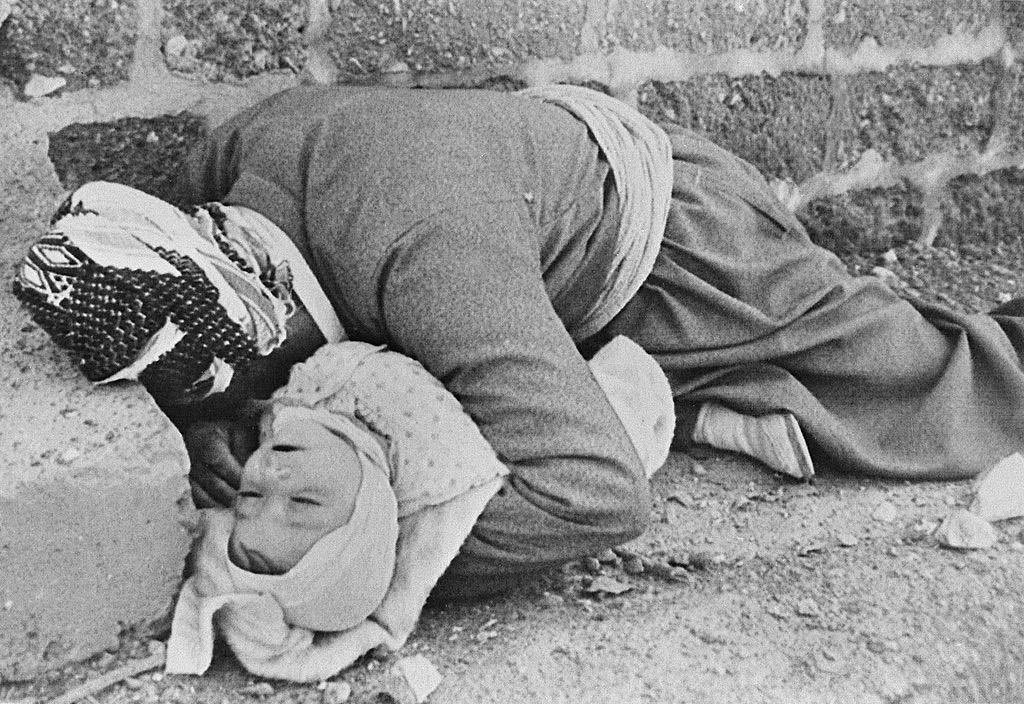
On March 16, 1988 dictator Saddam Hussein attacked the Kurdish city of Halabja with mustard gas and the deadly nerve agent sarin. Over 5,000 people lost their lives and many more were permanently impacted.
Today we remember.
#HalabjaMemorialDay
Today we remember the victims of the Halabja Massacre. On March 16, 1988, the Iraqi regime attacked the Kurdish city of Halabja with chemical weapons, killing around 5,000 civilians and injuring more than 10,000. It was part of the Anfal genocide against the Kurdish people. Thousands of families lost their lives, and many survivors still suffer today from the long-term effects of chemical weapons.
Halabja is not only a symbol of tragedy, but also of Kurdish resilience. Despite genocide, persecution, and injustice, the Kurdish people continue their struggle for dignity, democracy, and self-determination. Remembering Halabja means demanding justice, honoring the victims, and standing with the Kurdish people and their rights. Never forget #Halabja
#Kurdistan ☀️
On March 16, 1988, the Kurdish city of Halabja became the site of one of the gravest crimes ever committed against the Kurdish people.
A strange smell filled the air. It smelled like apples. But that scent was not harmless. It was poison.
On the orders of dictator Saddam Hussein, and carried out by Ali Hassan al-Majid, known to Kurds as “Chemical Ali,” Iraqi forces unleashed chemical weapons over the city of Halabja. In minutes, more than 5,000 Kurdish civilians, including men, women, and children, were killed, and over 10,000 others were left permanently scarred.
Today, we remember Halabja as a symbol of the genocide committed against the Kurdish people and the unimaginable price they have paid simply for existing as Kurds.
The Jewish people remember the Holocaust.
The Kurdish people remember Halabja.
Two ancient nations that know the pain of massacre and the duty to never remain silent.
March 16 Remembrance Day for the Halabja Massacre
The Jewish people, who endured the Holocaust in which six million Jews were murdered, understand deeply the meaning of national tragedy and the pain of peoples who have suffered cruelty and mass killing.
Today we bow our heads in memory of the victims of the Halabja Massacre.
On March 16, 1988, the regime of Saddam Hussein carried out a brutal chemical attack against the Kurdish population of the city of Halabja in northern Iraq.
Thousands of innocent civilians, women, children and the elderly, were suffocated by poisonous gas. According to estimates, between 3,200 and 5,000 people were killed, and 7,000 to 10,000 more were injured, most of them civilians.
It was one of the most horrific crimes committed against the Kurdish people in the 20th century.
Even today we continue to witness persecution and bloodshed in the Middle East. In recent months, the Iranian regime has murdered tens of thousands of people in cold blood, including members of the Kurdish people.
The Jewish people and the Kurdish people, two of the most ancient peoples in the world, know too well the pain of persecution, massacre and attempts at destruction.
And on October 7, more than 1,000 Israeli civilians were brutally murdered by Hamas terrorists, human beasts who committed horrific crimes against women, children and entire families.
Today we light candles in memory of the victims, for remembrance, for justice and for a world in which such crimes will never happen again.
May their memory be a blessing.
Yehuda Ben Yosef
President of the Kurdish Community in Israel
Senior Expert on Kurdish Politics and the Relations Between Israel and the Kurdish People
#Halabja
#HalabjaMassacre
#Kurdistan
#NeverForget
#StandWithKurds
#StandWithIsrael
#HumanRights
#October7
#YehudaBenYosef
38 years later, #Halabja is still our most painful memory. The pictures still break our hearts. The tears still fall. The people of Halabja still carry the physical and emotional scars of that day.
On 16th March 1988, Saddam Hussein’s regime used chemical weapons against a civilian city. In hours, 5,000 Kurds were killed. Twice as many injured. The most horrific crime against humanity since Hiroshima and Nagasaki.
While we remember — the suffering of the people of Kurdistan continues.
#HalabjaMassacre
On this day 38 years ago, the Halabja chemical attack claimed more than 5,000 innocent lives. The pain endures, but so does the resilience of the Kurds and their demand for justice.
Belê, Helebçe beşek bi êş a dîroka me ye ku em qet nikarin ji bîr bikin. Ji êşa gelê xwe, me dîrokeke destanî ya berxwedanê afirand, û ev têkoşîn heta roja îro jî berdewam dike. Ew ê heta hetayê berdewam bike.
Heavy day for Kurds today.
Today we remember the victims of the Halabja chemical attack, one of the most horrific attacks against civilians in modern history.
On this day, March 16th 1988, Halabja in Kurdistan was struck by chemical weapons under the regime of Saddam Hussein. Within hours, thousands of civilians, men, women, and children, lost their lives, and many more were left with lifelong physical and psychological suffering.
The attack was part of the broader campaign against the Kurdish population known as the Al-Anfal campaign, during which entire villages were destroyed and 182.000 Kurdish people were killed (still counting today as we find mass graves).
Halabja today stands as a powerful symbol of both tragedy and resilience. It reminds us of the devastating consequences of being Kurdish, and of the enduring struggle for dignity, justice, and freedom.
Remembering Halabja is not only about honoring the past, it is also reaffirming reminder of the Kurdish people’s struggle for freedom, and their self-determination right.
I am deeply saddened and heartbroken.
How has the world allowed so much violence, persecution, and even genocide to happen to the Kurdish people, and yet when Kurds speak about their rights, we are met with threats, harassment, and hostility?
For generations, Kurds have faced repression from different directions. From the atrocities of the past to ongoing threats today, whether from regimes in the region, from calls for jihad against Kurds by the Syrian regime, or from military pressure and attacks by Turkey.
Even political voices who claim to stand for democracy and freedom, such as Reza Pahlavi, have threatened Kurds. When Kurdish parties seek unity and simply ask for the right to determine their own lives and future, the response has been statements like: “The National Army will handle you.”
All Kurds have ever asked for is dignity, safety, and the right to decide our own future.
Never forget!
Remembering the victims of the chemical attack on Halabja in 1988 reminds us of one of the darkest chapters in Kurdish history. The poison gas used by Saddam Hussein killed thousands and left deep scars that remain in the collective memory of the Kurdish people.
Today, decades later, Kurds in places such as Rojava and Rojhilat once again face war, repression and uncertainty. Yet the memory of Halabja is not only a memory of suffering, it is also a call to defend democracy, dignity and tolerance.
In Kurdistan, a living culture of remembrance ensures that the stories of the victims are passed on to younger generations. Through education, dialogue and commemoration, the past becomes a source of strength and hope for the future.
Em ji bîr nakin! We do not forget.