Nosferatu is a highly influential horror film🔥
In fact, it’s been said that the Vampire genre may not have taken off the way it did, were it not for this film👀
Guess what?
The film is dropping on #Cardano
Oct 31🎃
444 Film NFTs 🎞️
35 ADA🍿
Own film & #Web3 history
Lots of excitement around the Gutes right now... So let's give one away.
To enter: like, repost, and follow us and @ogbook_club. In the comments, tell us something you're grateful for.
#SundayFunday#cardano $BOOK
#Cardano stalled and hit a brief pause begining of this year
but that's not a bug, it's a feature!
It's how the system is set up to work with its current rules of Ouroboros Praos
Let's dig in👇
Ouroboros Praos employs a checkpoint system to prevent long range attacks and maintain the blockchain's integrity.
New parties joining the network require guidance from trusted nodes to synchronize.
While not ideal for decentralization, this is how the system operates presently.
So, why did it stall?
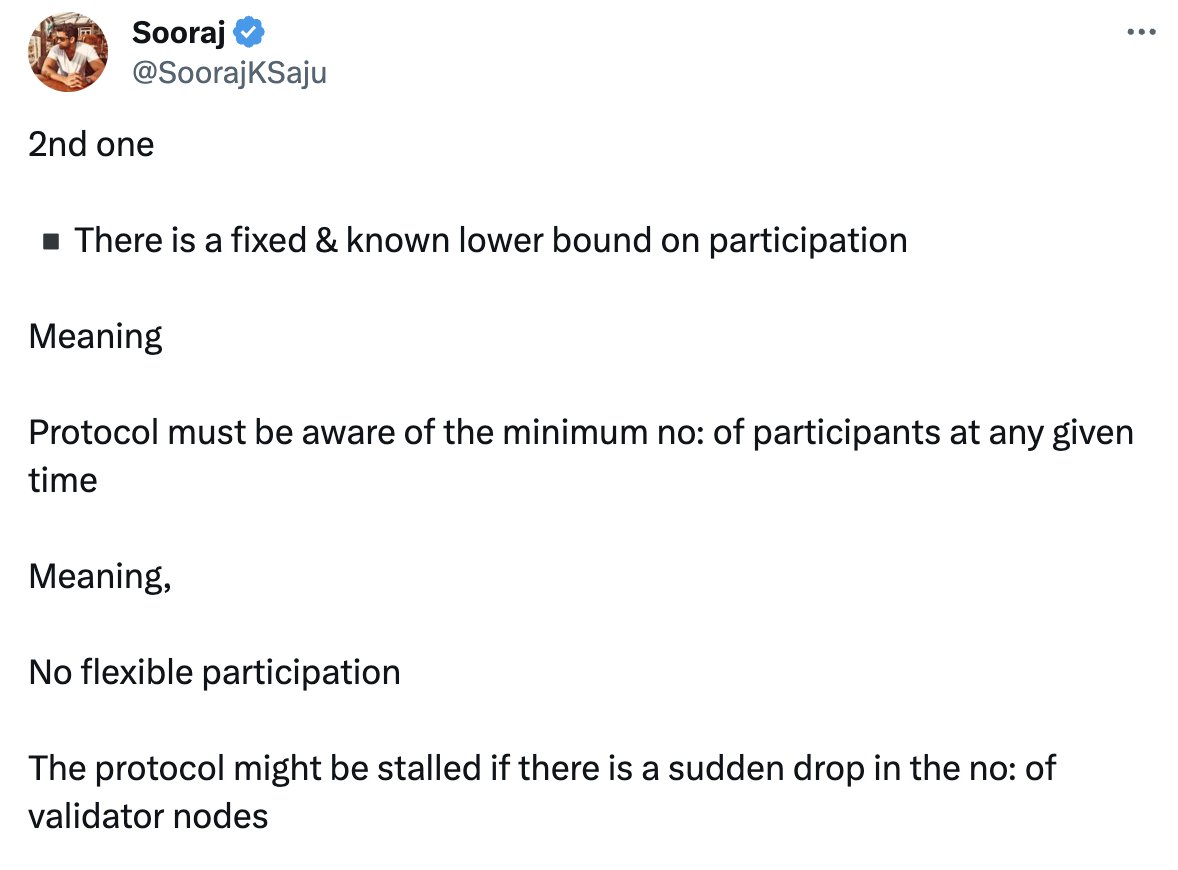
The protocol demands a minimum number of nodes to function.
When this number decreased abruptly, as occurred when over half the nodes went offline due to a bug-triggered event, the system was forced to stall.
Upon the nodes' return to operational status, the protocol resumed and began generating new blocks.
This is where we should talk about Dynamic Availability
Dynamic availability is a feature that allows nodes to join or leave a network freely without causing disruption, offering greater flexibility.
However, due to the limitations just outlined, Cardano's existing consensus protocol does not support dynamic availability.
But this is common trait for all the existing PoS blockchain & Cardano's not alone.
Take Algorand as an example: if more than 30% of its nodes were to suddenly go offline, the system would stall, paralleling what happened with Cardano.
This is a common limitation among all existing PoS blockchains.
But Bitcoin is another story
Even when China kicked out all the miners and the number of nodes plummeted, Bitcoin kept on ticking. Because PoW nakamot consensus enable dynamic availability
Ouroborus genesis upgrade
This capability is coming to #Cardano through the Ouroborus genesis upgrade, its not coming soooon, but its part of the roadmap
Here's my take on the whole thing👇
https://t.co/iytpXeM6ab
Chatting with @IOHK_Charles on a Space in 2 days.
Set a reminder:
https://t.co/nniPWtqiQq
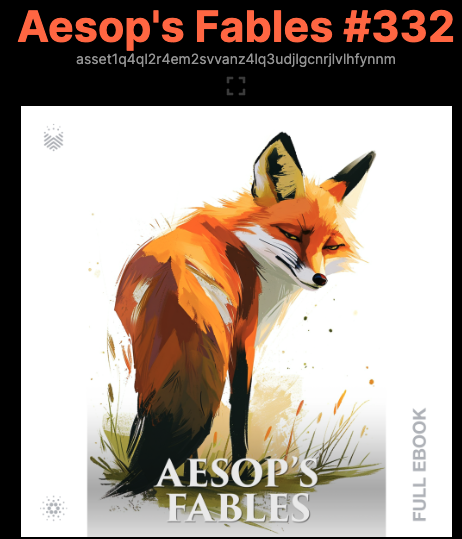
Oh, and help us spread the news. If you do, you're entered to win our first book, a Gutenberg... One with the https://t.co/VZIR3TUZKP and #Cardano logos
Just like & repost to enter
DexHunter Drama: The Tech Explained
In the last day, you may have seen a lot of discussion about @DexHunterIO, custom nodes, and potential "exploits". It can all get pretty technical, so I am here to break it down and explain it all so you can make your own judgements.
Context
@beaumont_dvd, a fantastic developer in the Cardano ecosystem, shared a post expressing concerns around @DexHunterIO's custom nodes they offer as a service.
This post sparked a lot of conversation and debate about how transactions are submitted and who should have access to what.
To understand what the concern is we first need to take a look at the journey of a transaction...
Journey of a Transaction
Your transaction actually does a whole lot of moving around before it is added to the blockchain.
First, your transaction is built. This could either be done in a wallet, on the backend of a dApp, or locally through a script or the CLI. Building a transaction means you specify which inputs are consumed, what outputs are created and where they go.
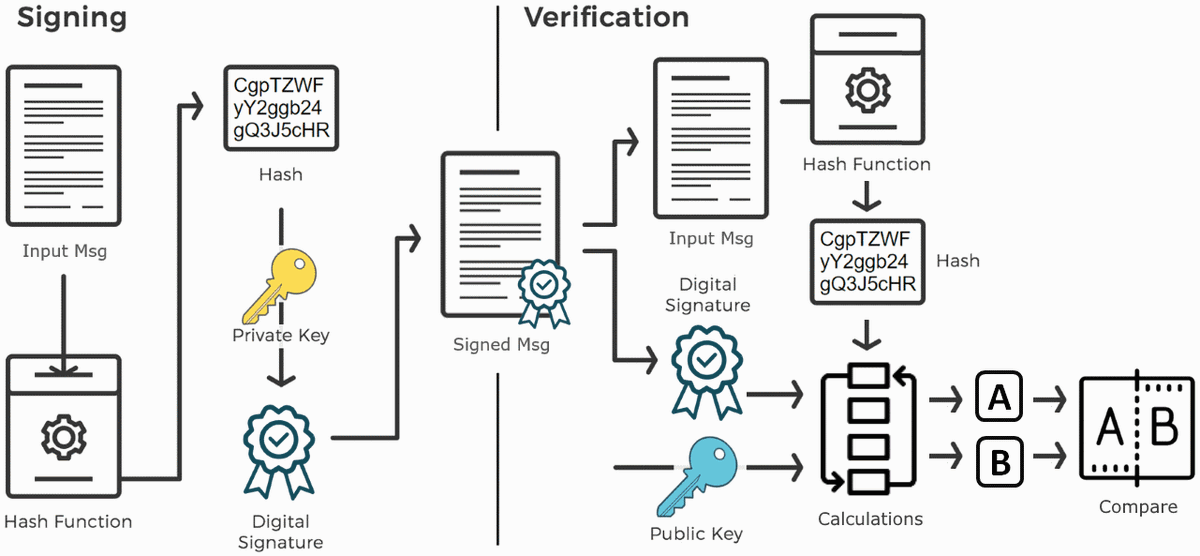
Once the transaction is built, you must sign it with your private keys. This signature ensures that no one can modify your transaction or spend your funds without your permission.
The signed transaction is submitted to a cardano node. The node may be controlled by the wallet, the dApp, a custom node you run, or another service such a blockfrost. This is where things can get a little confusing.
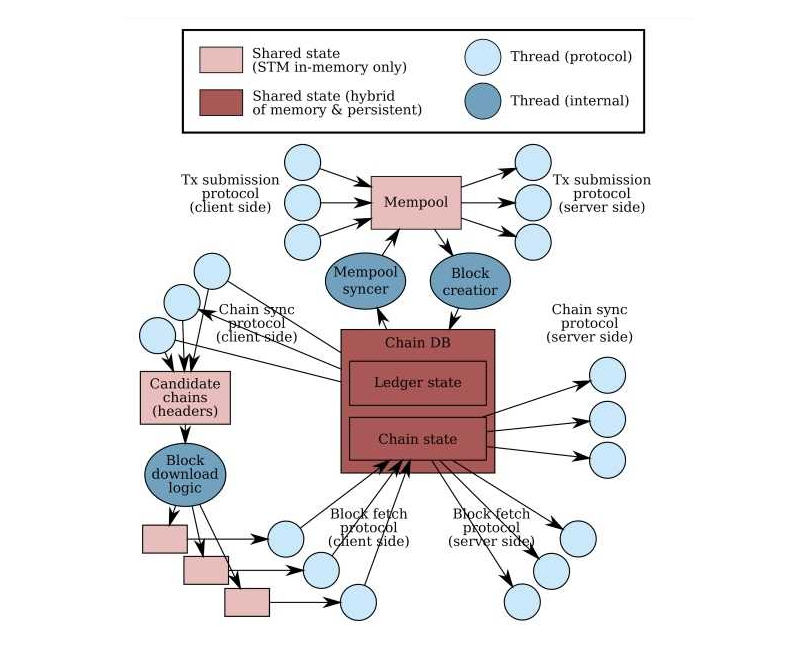
Once a node receives a transaction, it is validated and then added to the mempool.
A mempool is essentially a waiting room for transactions before they are added to a block. Each node has it's own mempool, and they are not necessarily the same across nodes.
Nodes communicate with each other and broadcast these transactions in the mempool to one another, where it goes through the same validation process. This repeats until, eventually, the node that is elected to produce blocks for a given slot receives it and adds it to the blockchain.
So... What's the Problem?
These transactions in the mempool are unencrypted meaning the node operator can read them. For example, you can view the mempool on @cardanoscanio.
Dave is suggesting that @DexHunterIO, using their custom nodes, can identify DEX trades and build transactions to "frontrun" those trades to make a profit.
This is technically TRUE. But, it is in NO WAY unique to DexHunter. Any node operator can monitor their mempool, identify DEX trades and build transactions to frontrun those trades.
There is some benefit to being the node that receives the tx submission from the user, since they could, in theory, not broadcast the transaction until they've broadcasted their own.
That said, a user could easily submit a transaction to multiple nodes and, in doing so, ensure their transaction is not censored. Again, it is also not unique to DexHunter. Any dApp or wallet that uses custom nodes could do this.
There is some level of trust required when you're using software or infrastructure that is managed by someone else. Either, you trust your wallet or you trust the dApp.
DexHunter Specific Solution
DexHunter has designed a network of nodes distributed across the globe that, due to some custom load balancing logic, may help speed up propagation time, or the time it takes for your transaction to reach other nodes.
This is an optional feature that you can enable/disable on DexHunter, and instead submit through your wallet's nodes. That way, if you don't trust the DexHunter nodes, you can still use the platform to execute complex DEX transactions.
Summary
Dave raised some interesting and valid concerns with mempool monitoring on Cardano. It is possible to read transactions from the mempool and act on that knowledge before a transaction hits the chain.
DexHunter already understood that concern and provided an option to use your own nodes. This is an interesting discussion to have, but it is, in my opinion, not one that should be about DexHunter specifically.
Our team experimenting with animated covers & planning for subscription models.
And no, we don't have a deal with @WIRED- this is just an example.
With new mediums, we unlock new opportunities.
The future is 🔥.
#web3#blockchain#ai
🚨 Our first bundled book (eBook & print) will be with the hip-hop legend @MrChuckD! 🚨
We'll release more details when we finalize the date for the mint and Twitter Space.
This book is incredible and some will even be signed by Chuck!
#Cardano#onPolygon#hiphop
You can now search for policies & display their assets.
Newest assets are shown first & the page is refreshed automatically to follow mints.
This feature wouldn't be possible without @nftcdn_io, so please consider supporting the Catalyst proposal: "Make NFTCDN free to use".