@calleymeans@AmeriBev We analyzed over 13,000 products: 62% of SNAP-eligible foods are ultra-processed—and it jumps to 77% for beverages…
https://t.co/GCItys8fov
@MichaelMossC@CivilEats We had a look at products sold at Walmart for SNAP recipients—62% are ultra-processed. Hard to make good choices in an unhealthy food environment …
https://t.co/GCItys8fov
It seems he never said it. But we checked the USDA database on packaged foods:
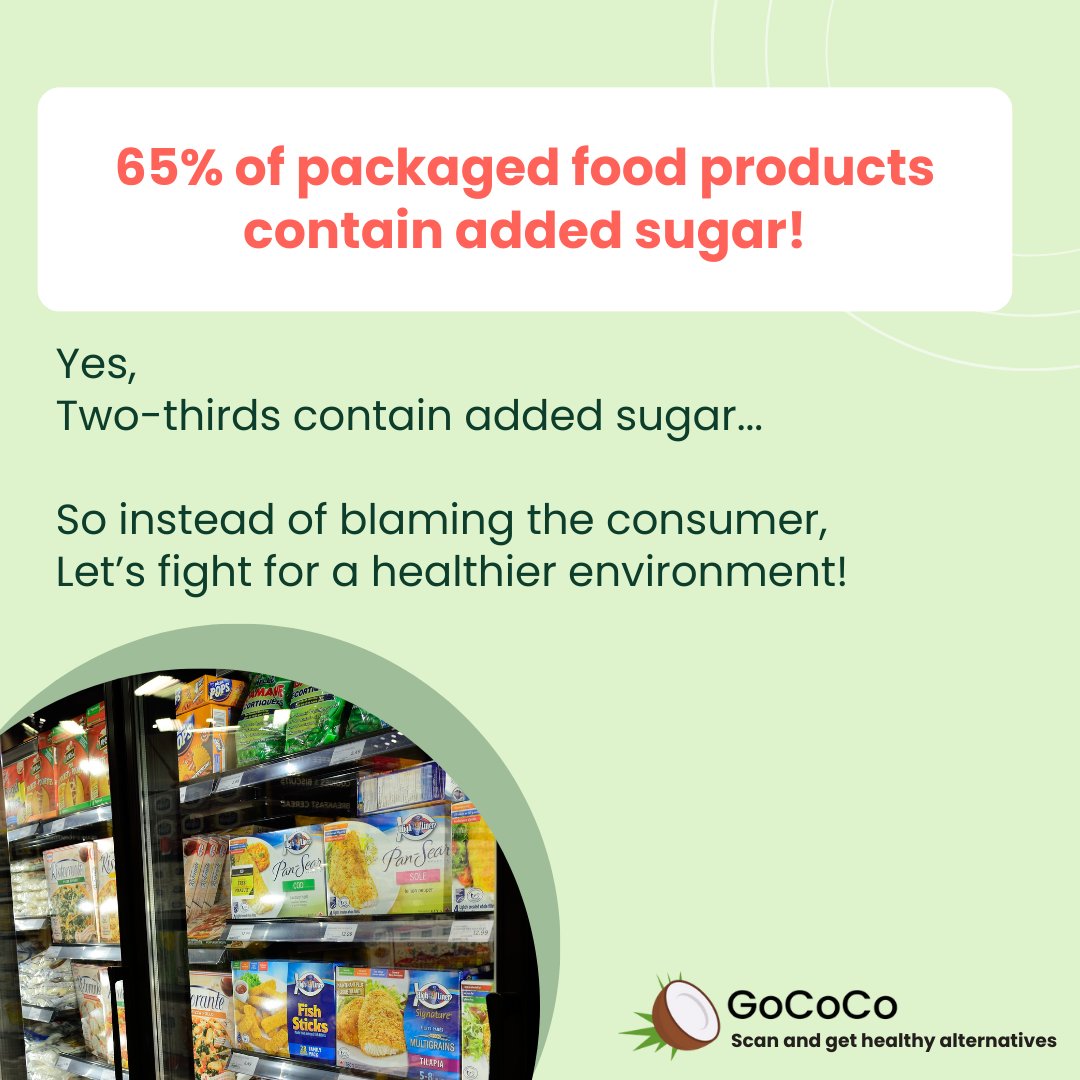
65% of products contain added sugar...
High Fructose Corn Syrup is used in 10% of cases.
Cleaner junk food vs. less junk food available: the former is probably a good step (as long as the industry doesn’t claim that a product with sugar becomes healthy), but the latter is still better!
Latest analysis of the USDA database: Two-thirds of packaged products in the U.S. contain added sugar... I’m not convinced the diabetes epidemic is the consumer’s fault.
So, replacing high-fructose corn syrup with sugar is nice.
Reducing sugar consumption is better!
#AmericanDiabetesMonth
Time is pretty relative! Is 15 minutes of prep or 30 minutes a lot?
For me, what takes the most time is figuring out what to eat and checking if I have the ingredients.
Then, of course, there’s cleaning up the kitchen afterward!
So it’s more the “What are we eating tonight?” question that bothers me than the actual prep time!
My guess is they won’t be using the Chilean warning labels!
We looked at what would happen if they were applied by analyzing 400,000 USDA products.
- 71% should carry a health warning! (So nearly 3 out of 4 U.S. packaged foods)
- 42% are high in calories
- 37% are high in sugar
- 36% are high in sodium
- 26% are high in saturated fat
...
@JohnNCoupland Interesting question! Some data here :
https://t.co/TETXwaRSMI
Nearly one-third of smartphone owners report having used a calorie tracking app, and nearly 20 million U.S adults have downloaded popular calorie tracking apps, such as My Fitness Pal (Fox & Duggan, 2018)
@humankarp@calleymeans@thefoodbabe@drjoshaxe@drwillcole Unfortunately, we're not talking about one product.
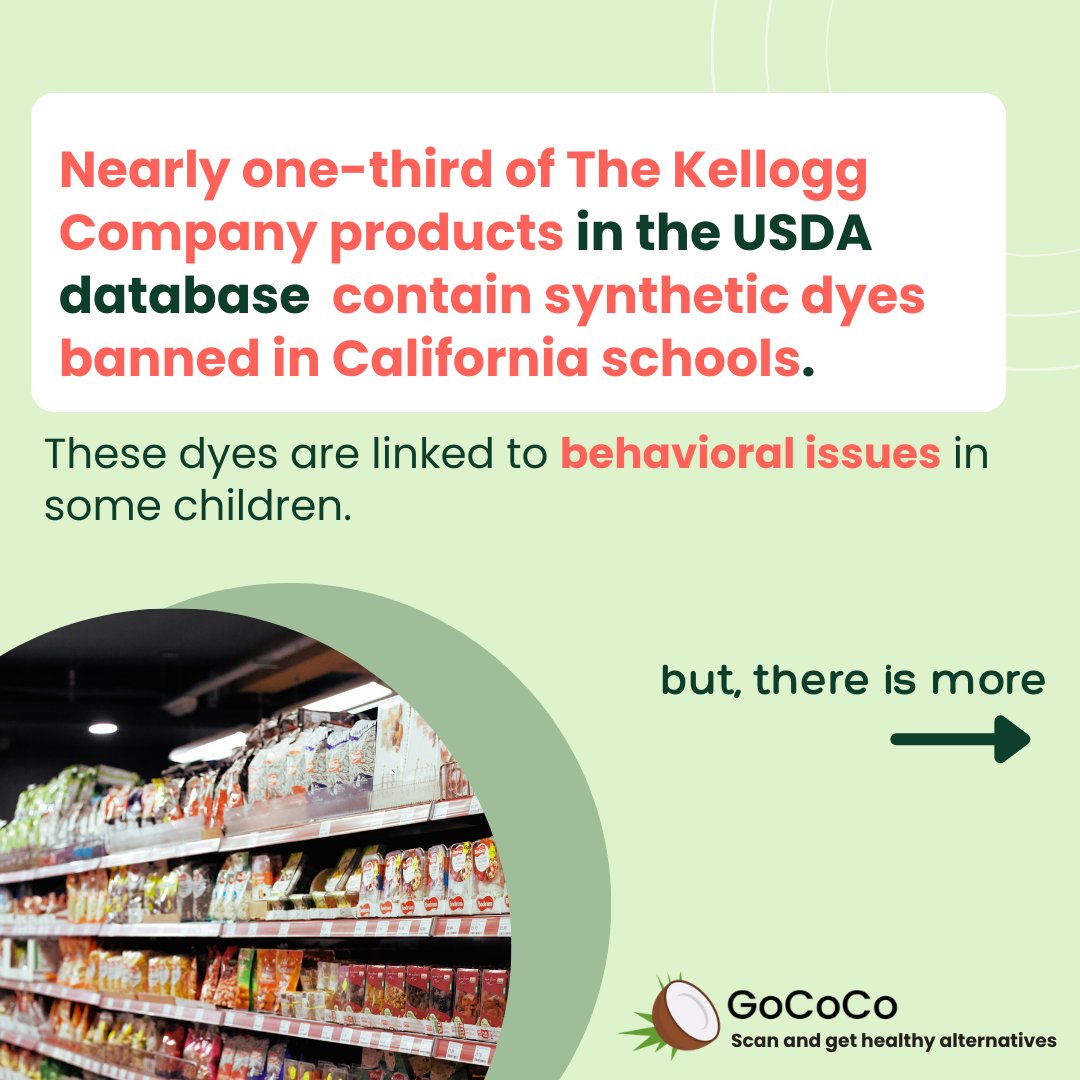
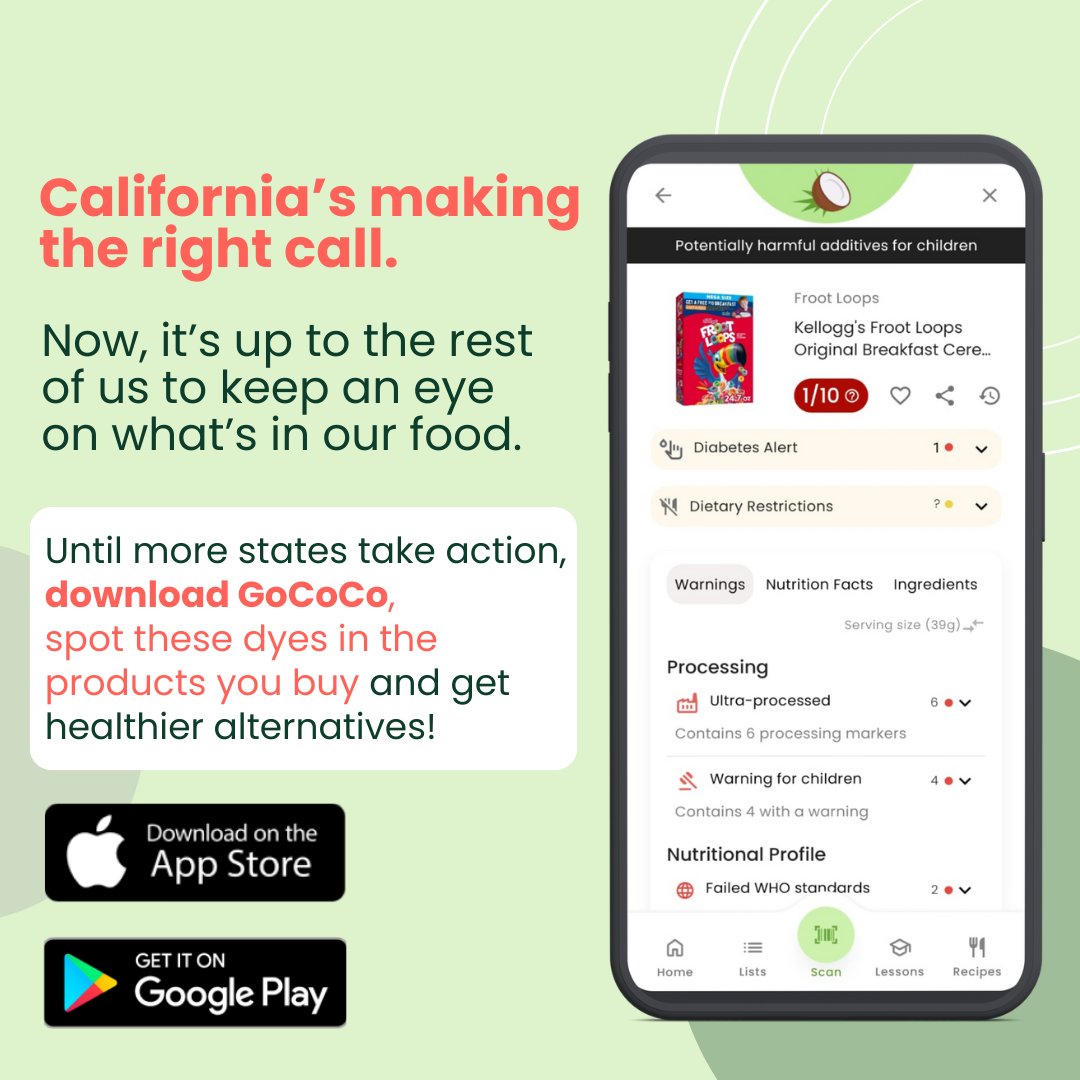
Nearly one-third of The Kellogg Company products in the USDA database contain synthetic dyes banned in California schools ...
https://t.co/Qgl6qKHAA2
How many U.S. products use the 6 synthetic dyes banned in California schools? We decided to figure it out 👇
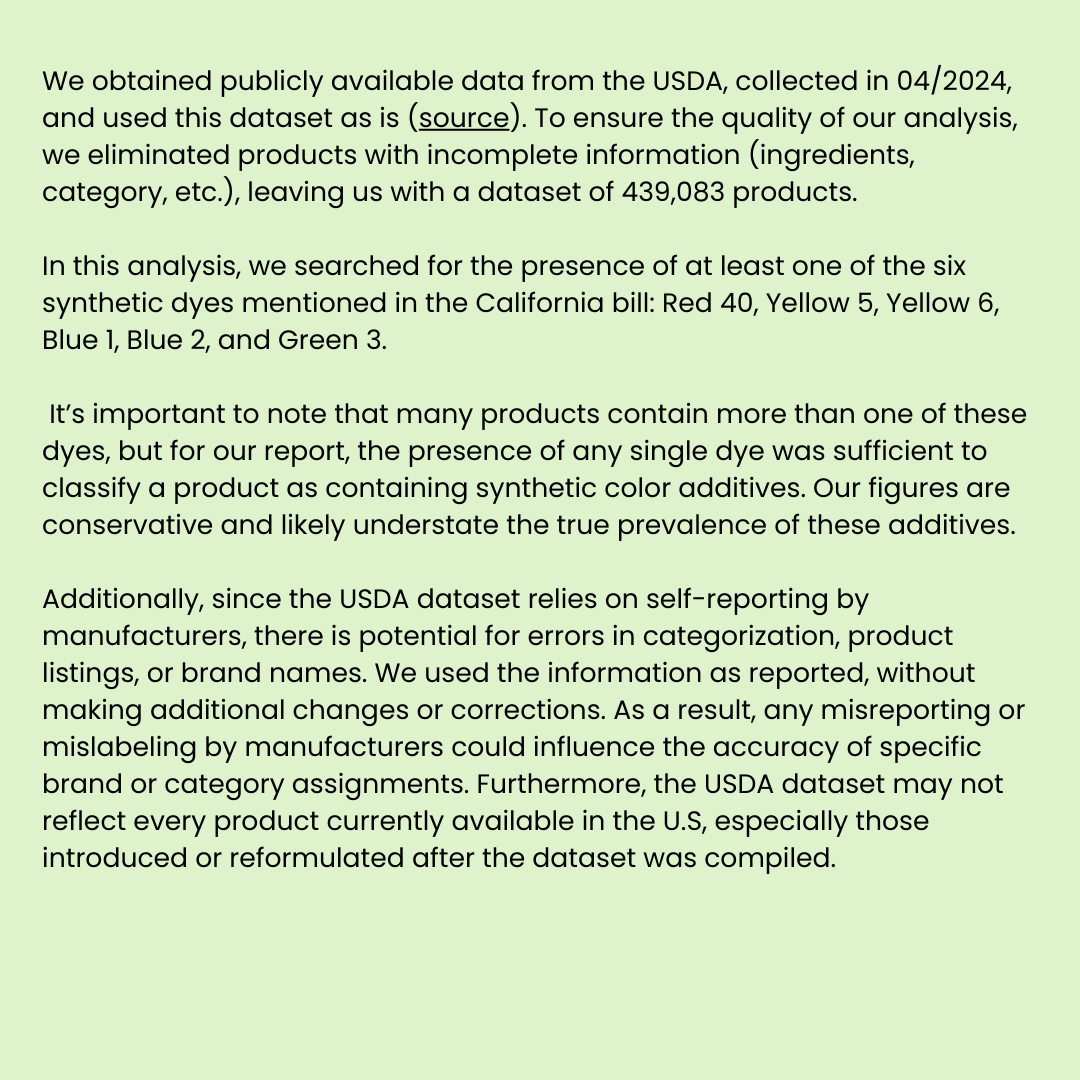
So, we analyzed the USDA database of 400,000+ products, focusing on these dyes that are linked to behavioral issues in some kids.
The results? Not so surprising! (or maybe they are 👎).
#ultraprocessedfood #HealthyKids
@calleymeans
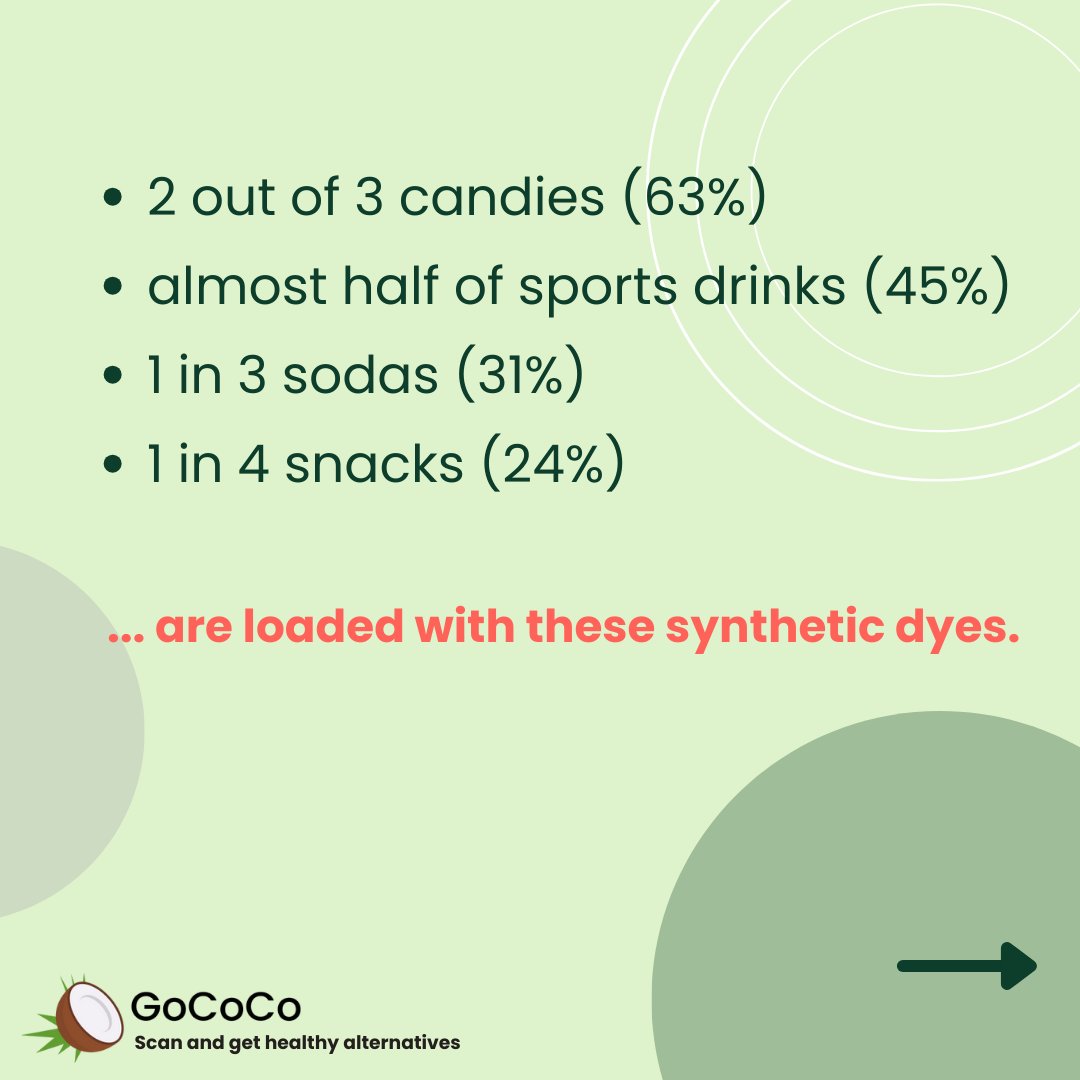
- 2 out of 3 candies (63%)
- almost half of sports drinks (45%)
- 1 in 3 sodas (31%)
- 1 in 4 snacks (24%)
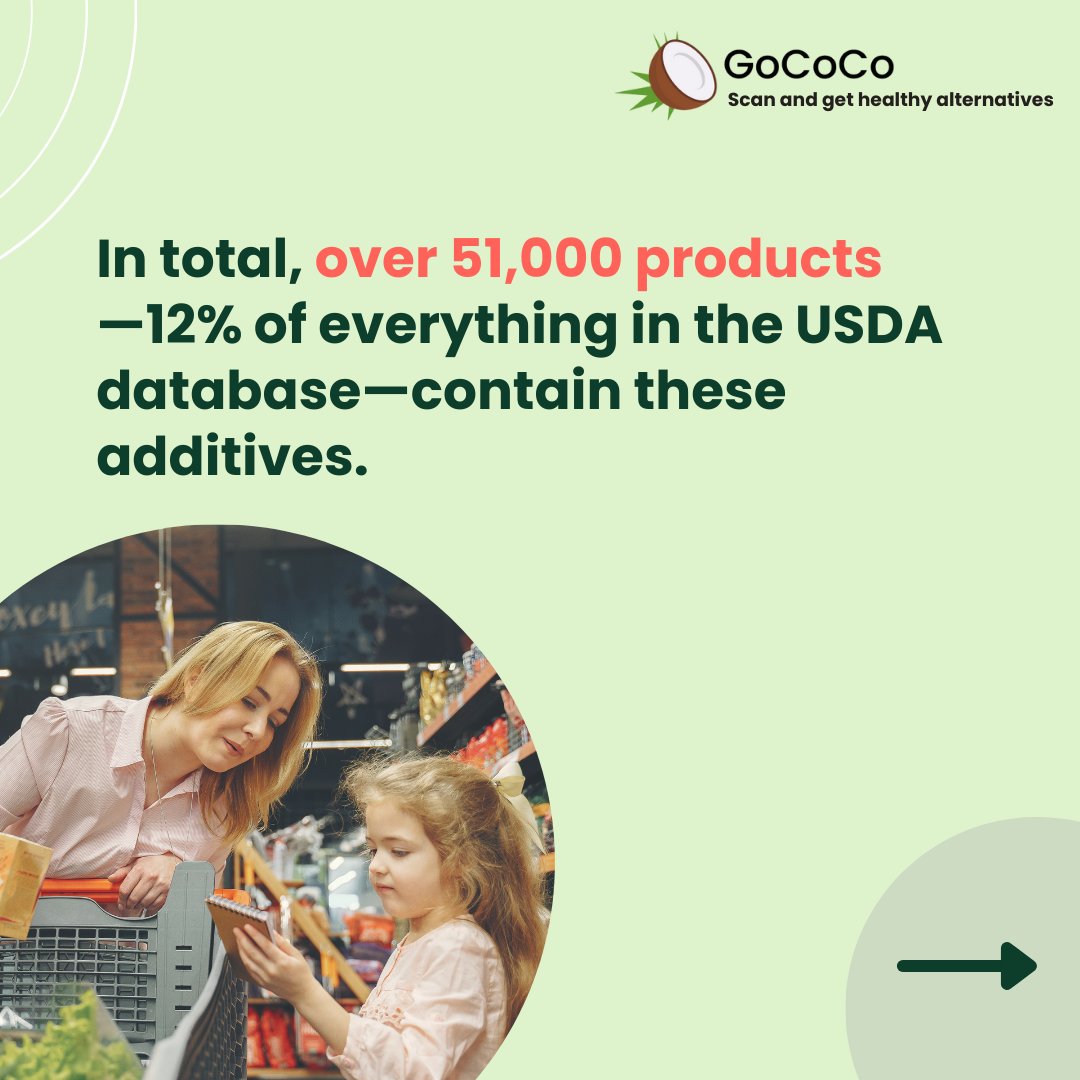
In total, over 51,000 products—12% of everything in the USDA database—contain these additives.
Instead of blaming individuals for their choices, let’s shift the focus to the real problem—the toxic food environment
@food_fight_usa
How many U.S. products use the 6 synthetic dyes banned in California schools? We decided to figure it out 👇
So, we analyzed the USDA database of 400,000+ products, focusing on these dyes that are linked to behavioral issues in some kids.
The results? Not so surprising! (or maybe they are 👎).
#ultraprocessedfood #HealthyKids
@calleymeans
Yes, it’s much simpler and more economical to do! That’s why the industry can accept regulations related to HFSS, but it will never accept Nova, which is a red line.
Replacing sugar with sweeteners: yes.
Removing flavors, sweeteners, and coloring: never.
The Nova classification (which isn’t perfect) poses an existential risk for many.