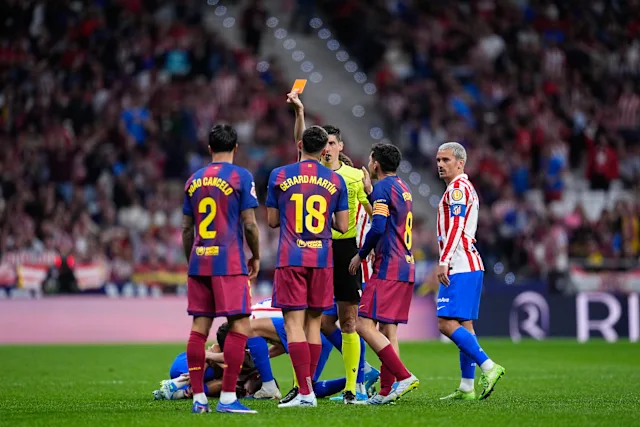
There's something about autumn.
Football is back. Champions League nights. European cups under the lights.
Tennis is in its last stretch. The hard-court swing, then the finish.
Basketball is already rolling. NBA and EuroLeague both live.
Then the rest of the calendar piles on.
NFL in full swing. MLB into the postseason. NHL about to tip off.
F1 heading into the title run. Rugby internationals. Boxing cards that actually matter.
Same season. More action. More variance.
Don't let the noise write your process. Log the plays that count.
5 things your bet history knows:
1. Which league pays you vs which feels good
2. How fast your discipline cracks
3. Whether stake climbs after a loss
4. The setup you keep abandoning
5. The leak you've been calling bad luck
Your edge is in your numbers.
You finish the night even after three bad beats. Feels like recovery.
Then you check the stakes — last bet was twice the first two combined.
You didn't claw it back. You got lucky on a bigger risk.
That pattern has a short half-life.
Set the unit before the session.
Today, Argentina and Spain close out 39 days of World Cup variance.
Late goals. Bad beats. Great reads that lost. Bad bets that somehow won.
Tonight crowns a champion.
Your bet history tells the deeper story.
Never judge your process by one result.
The WC draw betting "system" is pure variance, not edge.
Kid flat-bets $100 on every single draw. 40 matches, +$3K profit.
Looks smart? Maybe....
13 draws (~33%) + huge outliers (Spain 0-0 Cabo Verde alone = +$1,300) did the heavy lifting. Strip those & it's near break-even/loss.
Historical WC group draws ~24-28%. Bookie margin = negative EV long run.
Flat betting every draw blindly? Not sustainable. Law of Large Numbers wins eventually.
Don't mistake luck for skill. 💸
Most bettors aren't broken by the market.
They're broken by themselves.
One tilt session after three straight losses.
One oversized bet to "make it back."
One week with no floor and no ceiling.
The picks were probably fine.
The structure around them wasn't.
Survive the down months intact.
That's the whole strategy.
Your win rate looks fine. Your bankroll says otherwise.
That gap is data.
Win rate above 50% but still down on the month = you're winning small and losing big.
Consistent picks, wildly inconsistent results = stake sizes all over the place.
Strong month, one blowup, back to zero = no structure around variance.
The picks aren't the problem.
The size of each bet is.
Fix that first.
Everything else is noise.
You started the year with 20 units. You're down to 7.
No single disaster. No bad beat that wiped you out.
Just a dozen bets where the stake didn't match the edge.
That's how most bankrolls die.
Not in a crash, but in a slow bleed nobody notices until it's too late.
The picks weren't the problem. The sizing was.
Protect the stack.
The edge means nothing if you're not around to use it.
Here's what most bettors never log:
What happened to their bet after a red card.
Not just the result. The whole picture.
Which minute it came in. Which team. Home or away.
The scoreline at the time. Whether they cashed out or held. What the odds did. What they decided and why.
Do that 20 times and patterns start showing up that no tipster will ever tell you.
That's not luck. That's a system.
What did you actually LOG from yesterday's bets?
Not your gut feeling. Not a rough guess.
But a real record - stake, reasoning, result, and why you made that call.
If you ask yourself this every morning, your patterns become obvious faster than you think.
3 Truths About Betting:
1. Winning isn't about picking more.
It's about understanding why you picked.
2. Sharp bettors don't chase more action.
They chase clearer data.
3. You don't need a perfect record to grow - you need a documented one.
Hardest truth you need to accept as a bettor: no matter how sharp your research, no matter how solid your reasoning, a bet can still lose - and there is nothing you can do except log it, learn from it, and keep building your edge.