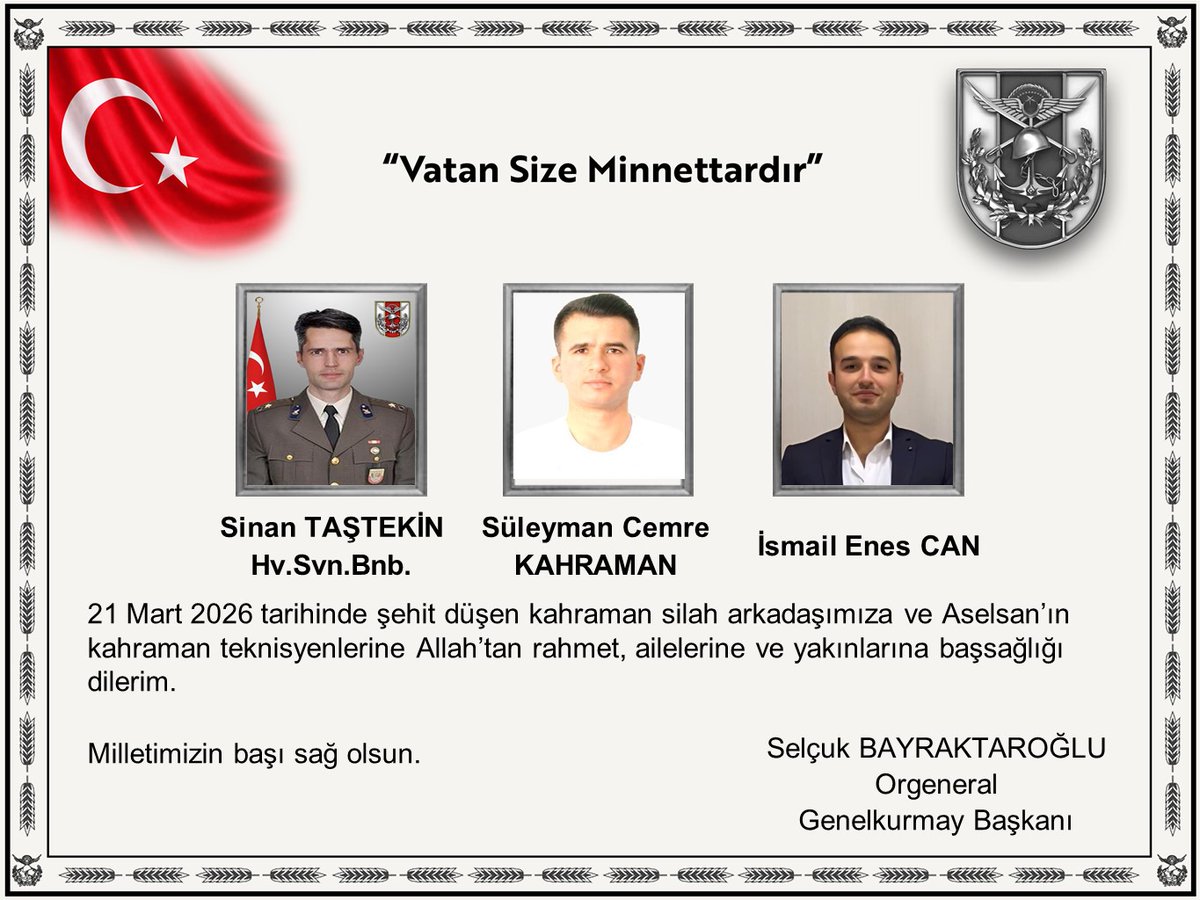
Ömer Halisdemir samimiyetini gösterdi, ölüme giderken geri durmadı ve şehit oldu. Bu yolda mücadele vermiş herkesten Allah razı olsun, Allah onlara rahmet eylesin.
New York Mayor Mamdani published the text given to him by the Armenian lobby without examining it. No Armenians were killed on April 24.
Until World War I, Armenians rebelled approximately forty times. During World War I, taking advantage of the Ottoman Empire’s engagements with the Russian army in the East, they took the final step toward independence. They significantly impaired Ottoman supply and provisioning lines. In addition, by forming armed bands, they started to massacre civilian Turks, Kurds, Circassians, and Arabs living in Eastern Anatolia.
When the Ottoman government, despite all its efforts, was unable to prevent the onslaughts of Armenian terrorists, it published the Circular of April 24, which closed Armenian committees such as Dashnaksutyun and Hunchak, and led to the arrest of individuals confirmed to be associated with these organizations.
No conflicts occurred during the arrests of April 24, and no prominent Armenian was killed. However, the arrest of the leadership cadre of the committees rendered the potential rebellion leaderless and ineffective.
Prominent Armenians did not heed the warnings of Talat Pasha and other statesmen to give up their dream of independence. Armed bands continued their massacres. They killed thousands of Muslims by supporting the Russian army during the siege of Van, which ended with its invasion on May 15. In response to this situation, the Ottoman government was forced to enact deportation measures on 27 May. As the late historian İlber Ortaylı stated, the Armenian deportation of 1915 was not a precaution against a possible rebellion. Rather, the Act of Deportation in 1915 was a response to an actual rebellion and collaboration with the enemy army, and it was inevitable under the circumstances of the time.
It was planned that 924,158 people would be deported. However, not all of them were deported. Approximately 650,000 Armenians were deported and transported. Six months later, the deportations were halted. Therefore, the number of deported Armenians was lower. Also, after the Armistice of Mudros in 1918, a significant portion of the deported Armenians had returned to Anatolia.
When deportation became inevitable, security measures were taken for the lives and property of the deported Armenians. However, due to either the persecutions of Armenians against the Muslim populace in the hinterland or the personal inadequacies of some individuals, some unwanted events occurred. The Ottoman government investigated the crimes committed during the deportation and punished those responsible.
BÜYÜK TÜRK DENİZCİSİ TURGUT REİS'İN TORUNUYLA
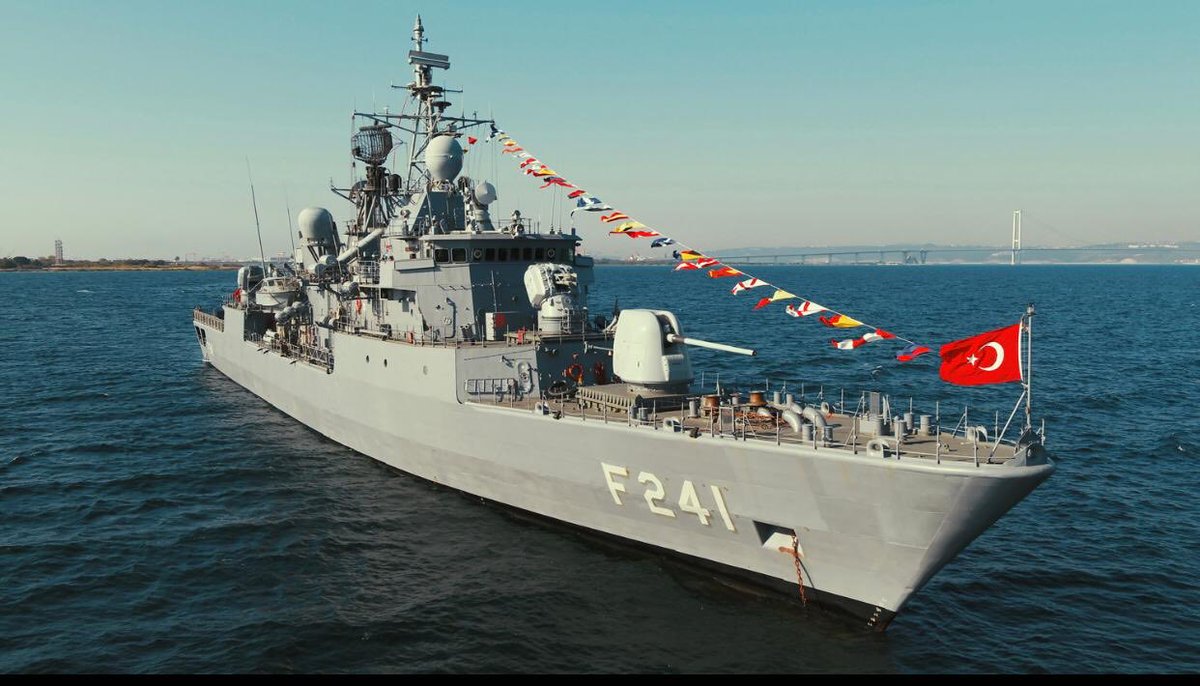
En büyük Türk Denizcilerimizden Libya Fatihi Turgut Reis'in soyu Tunus'ta yaşıyor. Turgut Reis, Osmanlı kaynaklarında "Turgut Reis, Turgutça", Avrupa literatüründe "Dragut”, Arapça'da Dargus şeklinde tanınır. 'Turgut Reis'in ismi günümüzde Türk Bahriyesi'nde bir fırkateynimizin ismi olarak yaşıyor.
Tunus'ta Büyükelçimiz Ahmet Misbah Demircan'la birlikte Turgut Reis'in soyundan gelen Yusuf Dargus ile bir araya gelip, büyük Türk denizcisini konuştuk.
AŞIRI YAYILMA VE DEVAMLI SAVAŞLAR ABD'Yİ ÇÖKÜŞE GÖTÜRÜYOR
ABD, II. Dünya Savaşı’ndan sonra süper güç oldu. Gücünü korumak için daha fazla yayılarak, daha fazla savaş ve çatışmalara fütursuzca girerek, yüzbinlerce insanın ölümüne sebep oldu. Ancak aşırı yayılması yeni düşmanlarla karşılaşmasını ve savaşlarının maliyetinin artmasını beraberinde getirdi. ABD’nin İsrail’in yönlendirmesiyle ölçüp biçmeden İran’ı bombalamaya başlaması dünyayı büyük bir kaosa soktu. ABD, şimdiye kadar Afganistan, Kore, Vietnam ve Irak’taki gibi orta ölçekli savaşlarda çok ciddi sorun yaşadı. İran’la savaş ise bunun son örneği.
https://t.co/dnmn6bF2mA