Stars form inside nebulae made of hydrogen, helium, and dust. As gravity pulls material together, nuclear fusion ignites, and the star’s mass determines how it will evolve over millions or billions of years.
Low- and medium-mass stars expand into red giants and shed their outer layers, leaving behind white dwarfs. Extremely massive stars become red supergiants and end their lives in supernova explosions, ejecting material into space.
If the remaining core after a supernova exceeds about three times the Sun’s mass, gravity overwhelms all forces and collapses the core into a black hole.
Source: NASA – Stellar Evolution and Black Holes
Another article from one of our teams: AlO formation by radiative association considering both 18O and the excited 1D state of atomic oxygen.
https://t.co/rS5fVoemJg
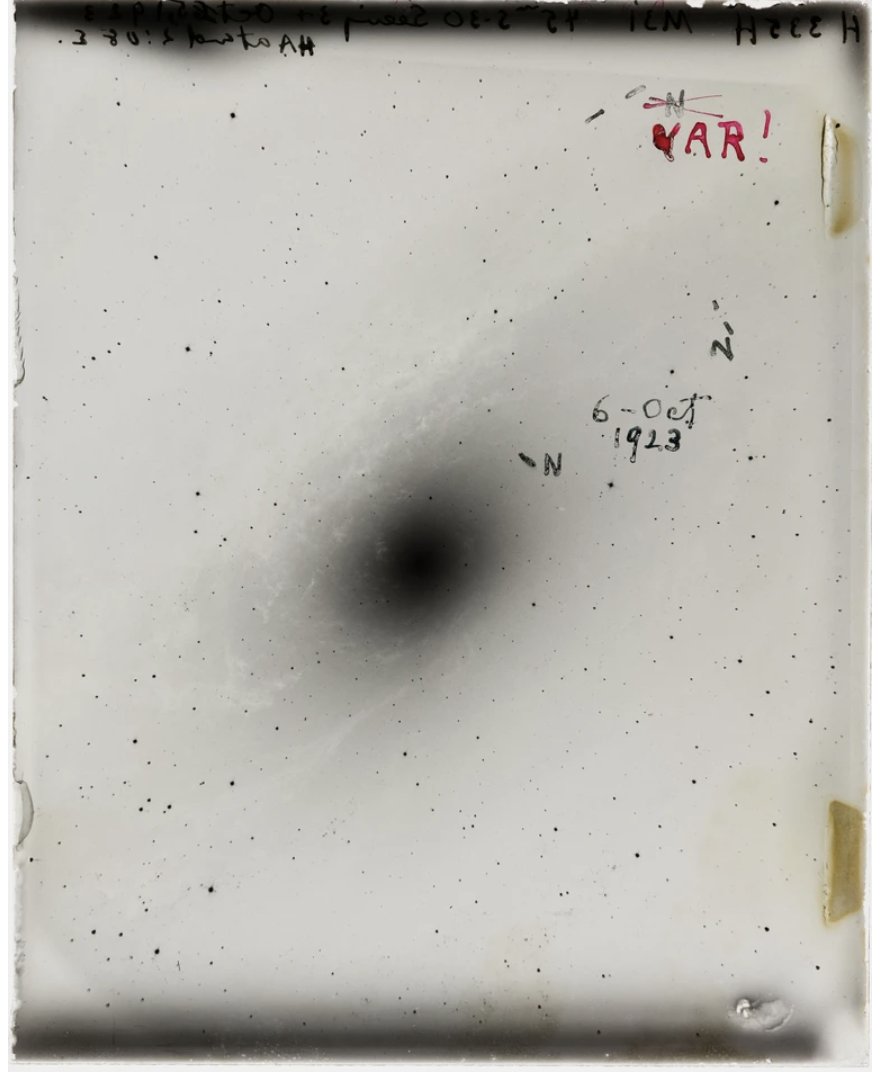
This night 102 years ago, Hubble discovered that there're stars outside our galaxy by observing a Cepheid variable star 1 million light years away
Until barely a century ago, no human ever knew whether there was more than one galaxy in the Universe. Think about that!
Therefore, the ice chemistry of SiO is completely different from that of CO. This is further proof that extrapolating the chemistry of elements along the same group is very dangerous, especially when moving from the second to the third period.
Another article from the team of our project. Quite interestingly, SiO can directly react with the water molecules of ice, starting a process that finally leads to Si(OH)4 or H2Si(OH)2.
https://t.co/mBERamjuDE
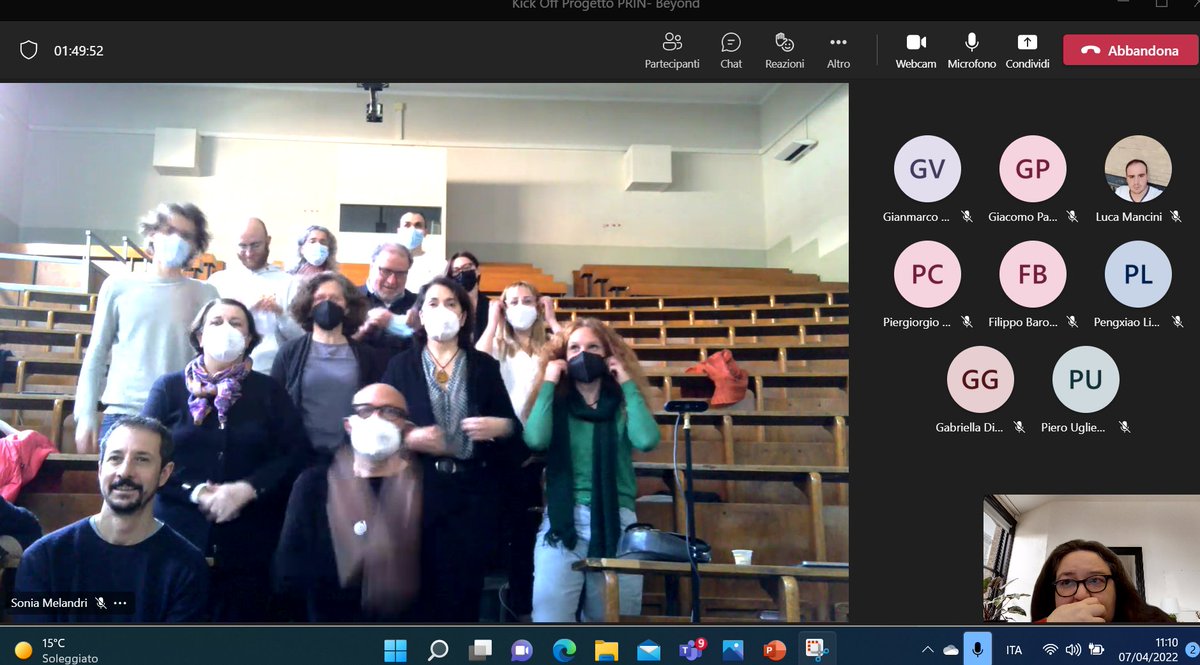
Our project is over after three years. It was a great adventure; we accomplished a lot and had fun. Just today, another of our works was published, the first by Gabriella Di Genova (one of our PhD students) as the first author.
https://t.co/tUIi2NjwSX
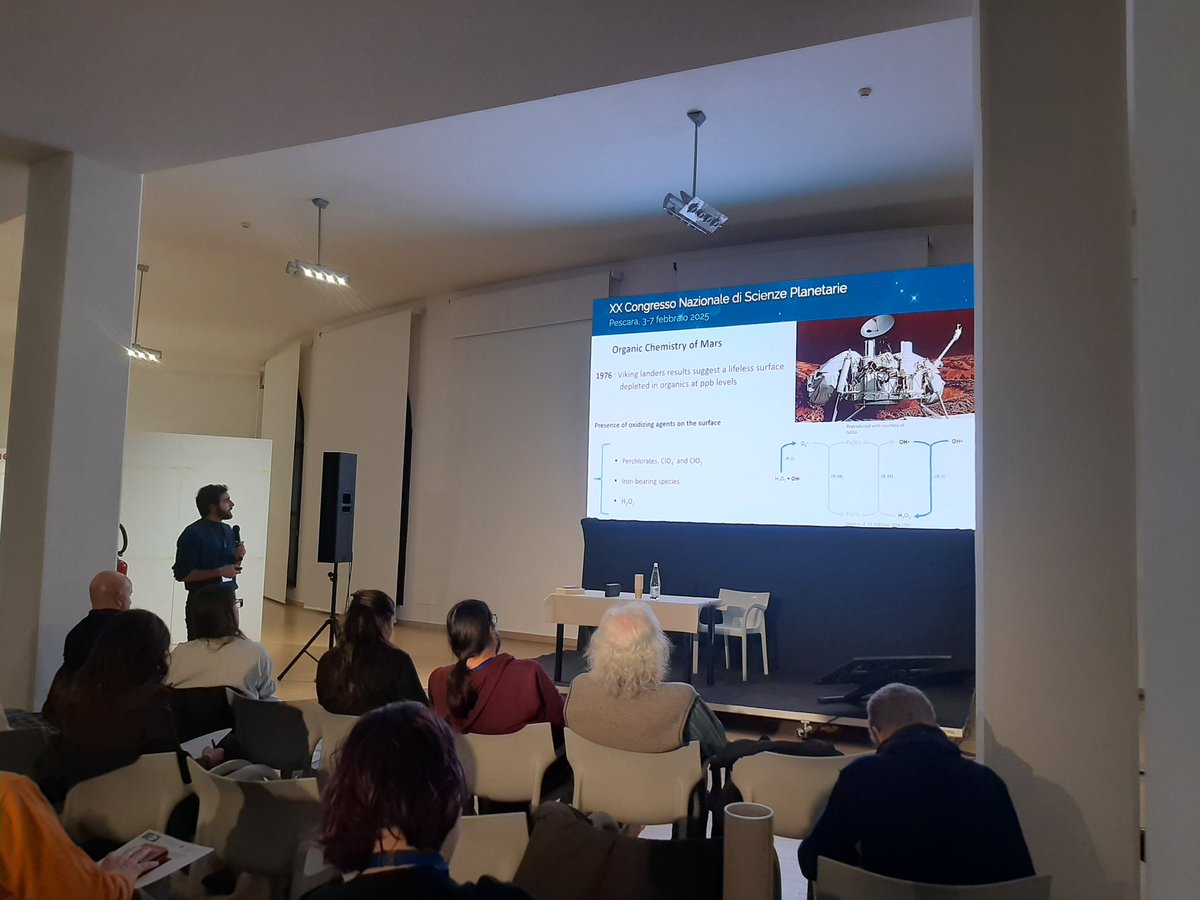
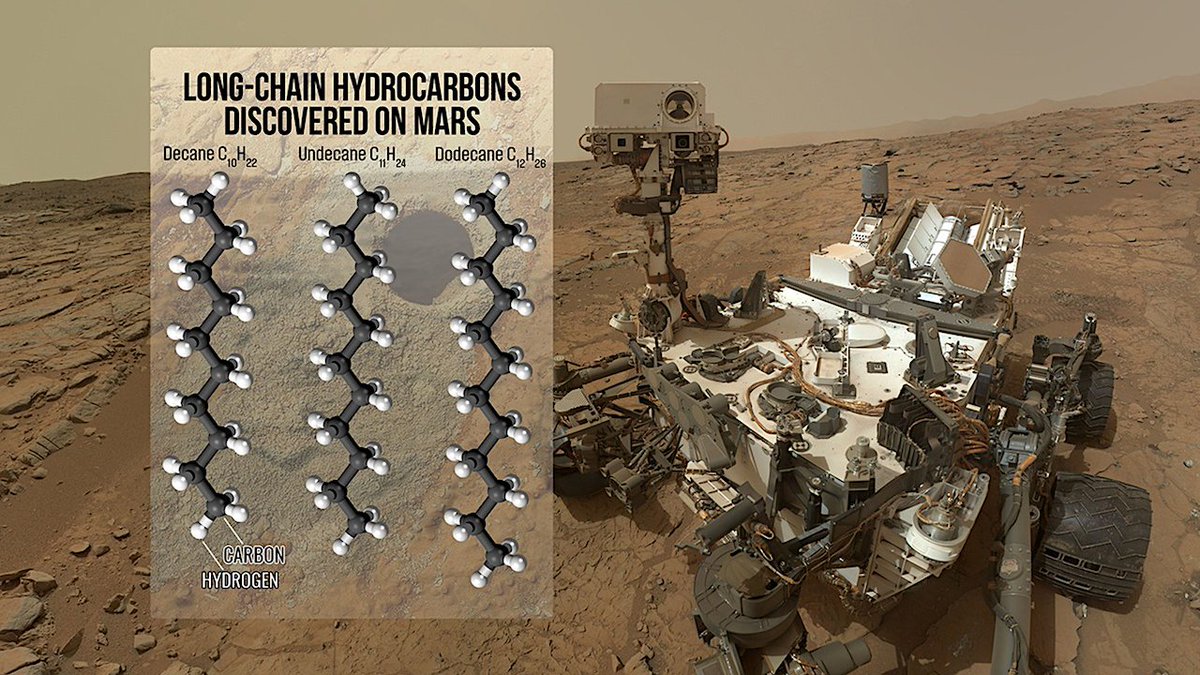
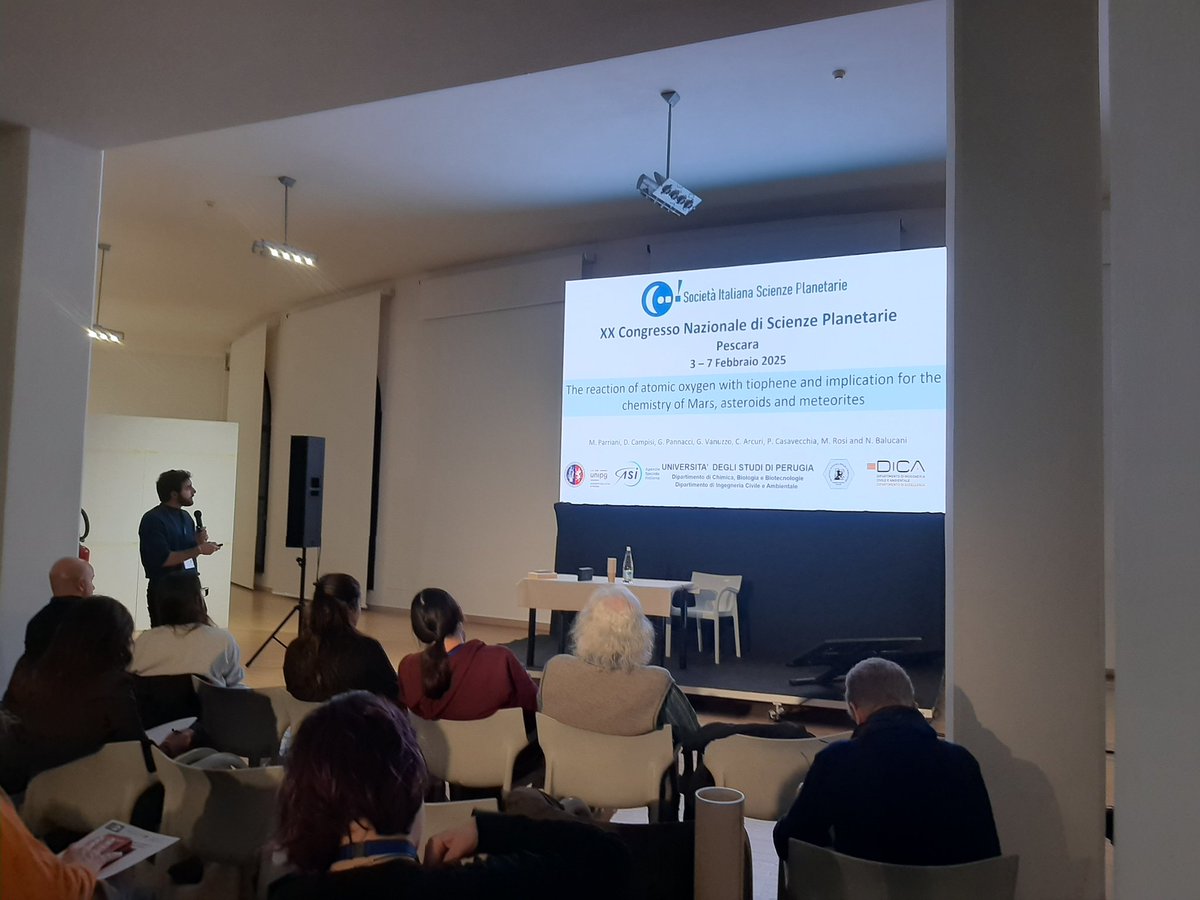
Oggi Marco Parriani ha presentato le nostre ricerche sulla reazione dell'ossigeno atomico con il tiofene, un composto aromatico eterociclico recentemente identificato nella pirolisi dell'argillite del cratere Gale di Marte, durante il XX Congresso Nazionale di Scienze Planetarie
Silicon carbide, an interesting material also found in meteorites. Does it resist chemical attack by atomic oxygen? Not exactly... Check here 👇
https://t.co/pBIFppuAFK
Posted this on the "other site" but wanted to share here:
I made a new gif for a new site tracking JWST observations of exoplanets (still a work in progress): https://t.co/WS9WyAswMz
What an exciting ~3 years it has been! ✨🔭✨
Another paper from one of our teams: how can phosphorus interact with organic molecules in an abiotic world?
@labccmg
Atomistic Insights on Prebiotic Phosphorylation of Methanol from Schreibersite (Fe2NiP) Corrosion: Ab Initio Computational Study | https://t.co/HaRPLEEbh8