A real single-family office isn't a fund or an advisor, it's a private team: CPAs, estate planners, tax attorneys, a CIO, all under one roof for one family. Entry point is usually nine figures. Below that, you rent the same functions instead of owning them.
Palau ran its dollar-backed stablecoin as a design pilot with Ripple's Central Bank Digital Currencies platform, with up to 200 volunteers testing real use cases in a controlled period. Small country, but a documented, government-run pilot on the XRP Ledger.
Want a truly anonymous payment? Cash or gold. That's the list. Every major 'privacy coin' has a backdoor, Monero would likely fold to a federal subpoena. Anonymous payments on a public, permanent ledger is a contradiction. The data sits there forever.
If you own any XRP, I think you're already ahead of a whole lot of people. The harder part is knowing what number actually ends the pressure
For some that's covering the mortgage without checking the balance. For others it's never taking a meeting they don't want
What's yours?
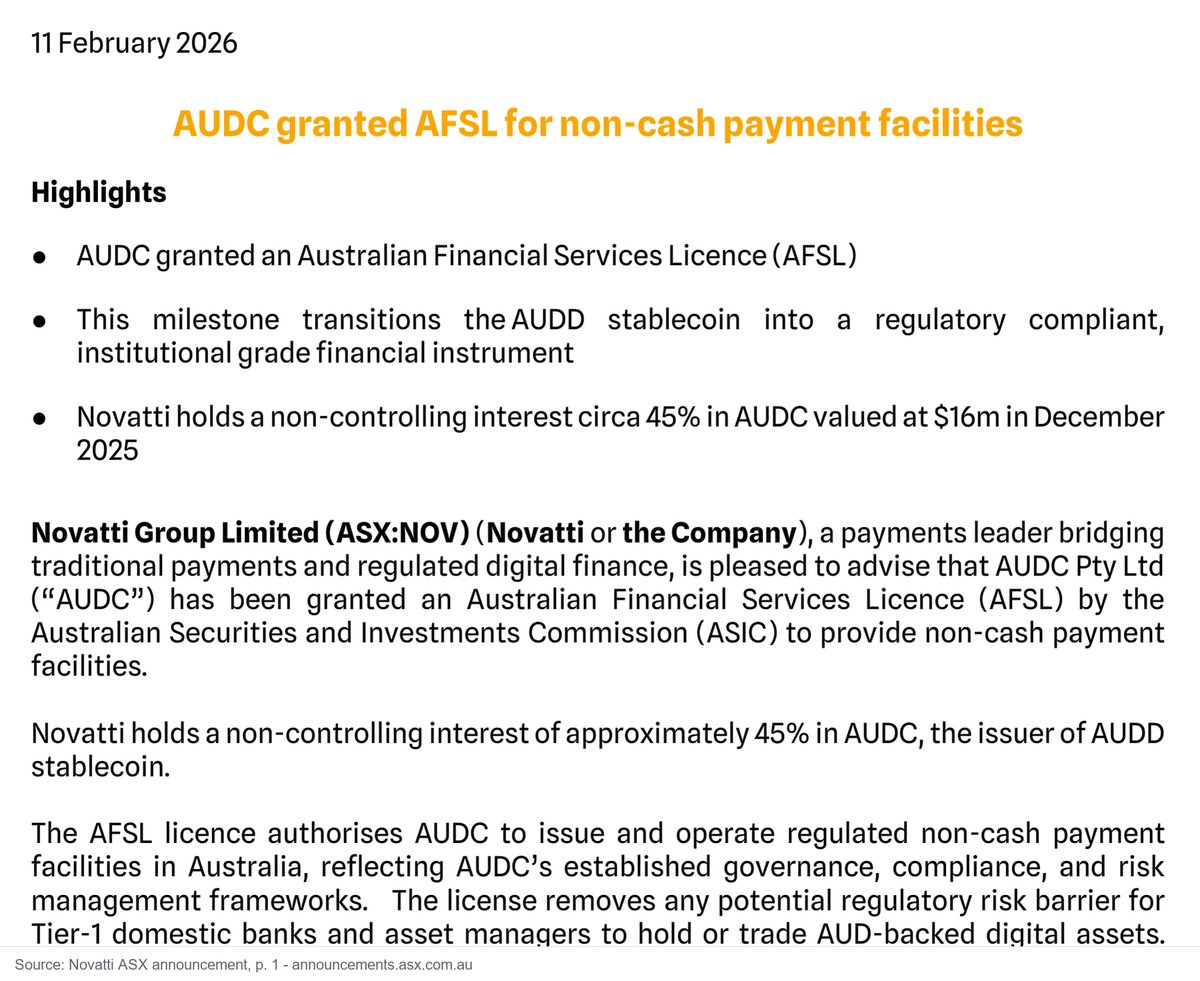
AUDD, an Australian dollar stablecoin, was granted an AFSL by ASIC for non-cash payment facilities. That's an Australian regulator licensing a specific stablecoin issuer under its own securities framework.
Most series LLCs don't hold up in court. Tennessee is the only state with case law actually backing the structure, file one elsewhere and a judgment can pierce straight through. People hype new state statutes, but statutes aren't precedent. Case law is.
Hal Finney did inheritance right. As his health declined from ALS, he laid out the handoff of his Bitcoin years ahead. That foresight is rare.
The usual version: kids inherit a position they don't understand, under pressure, and make hasty calls.
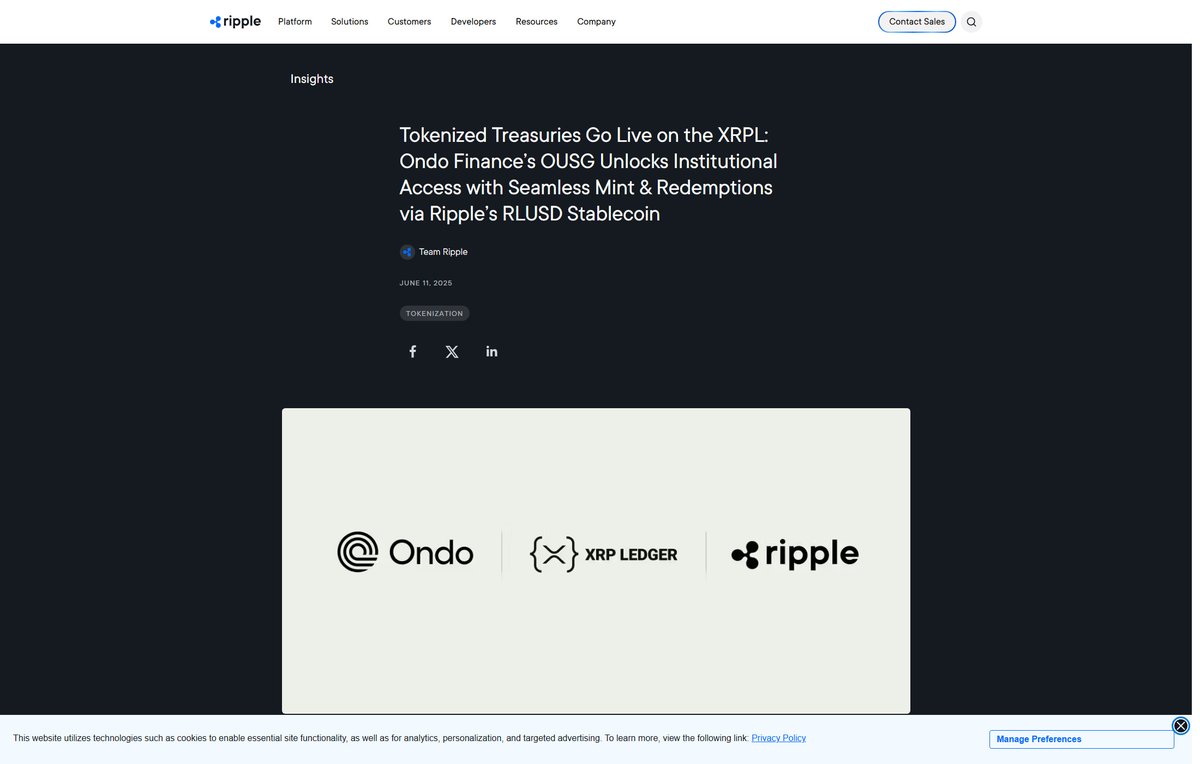
Ondo Finance brought its tokenized U.S. Treasury fund, OUSG, onto the XRP Ledger, with minting and redemption running through Ripple's RLUSD stablecoin. That's a real fixed-income product settling on XRPL, not a pilot.
No matter what anyone says, facts don' change:
XRP is decentralized
XRP is deflationary
The XRPL has a built-in DEX (first launched in 2012)
The XRPL supports tokens, stablecoins, and RWAs (first blockchain to introduce tokenization)
The XRPL's features are native to the L1
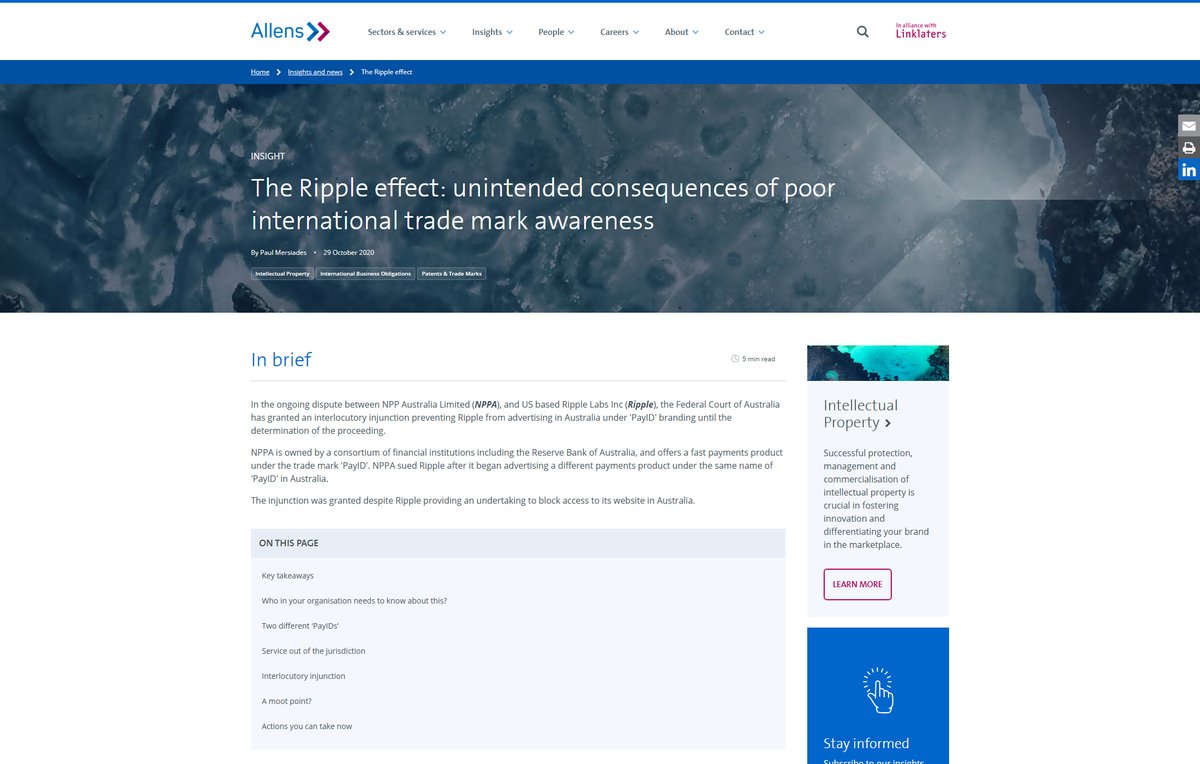
Ripple's PayID ran into an Australian trademark dispute with NPP Australia back in 2020, a real legal fight over a real payment identifier. Building the cross-border rail means clearing legal terrain too, not just technical terrain.