We’re sharing a new preprint showing wet lab validation of intrinsic protein design capabilities of the GPT-6 family of models.
Our models can design new protein shapes and sequences using reasoning and code, without calling specialized biology models to generate them.
https://t.co/cFfB0QHXub
@MZ_GOV_PL W reumatologii nowa podstawa postępowania. Koniec z długimi pobytami diagnostycznymi. Mam nadzieję, że oddziały się ja to przestawią (kiedy byłem kierownikiem w Płońsku, też starałem się takie rozwiązania stosować, a było to ponad 4 lata temu).
A nasal spray for erectile dysfunction?
Intranasal vardenafil reaches peak blood concentrations 4–6 times faster than oral tablets.
However, faster absorption does not necessarily translate into faster clinical efficacy - effectiveness within 10 minutes has yet to be established.
Doctors should spend more time treating patients, not processing information.
So I built RheumaNext v2 - a digital rheumatology ecosystem designed to reduce administrative burden while keeping clinical decisions in physicians’ hands.
Built by a rheumatologist, for rheumatology.
Here’s what the future could look like. 👇
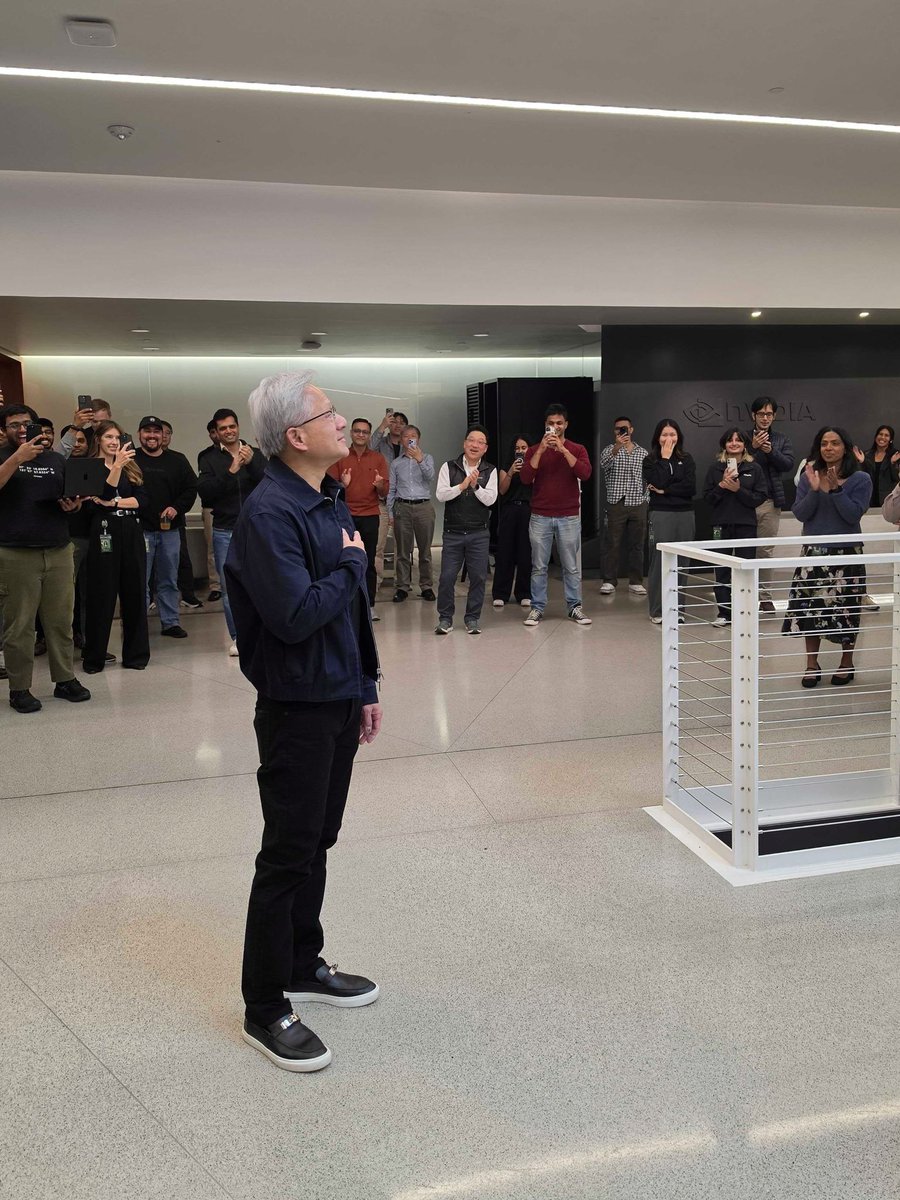
It was the worst of times, it is the best of times. It was the season of Darkness, it is the season of Light. It was the Winter of despair, it is the Spring of hope.
Today is, perhaps, the end of the beginning.
Summer is coming. Congrats to humanity. 💚💚💚
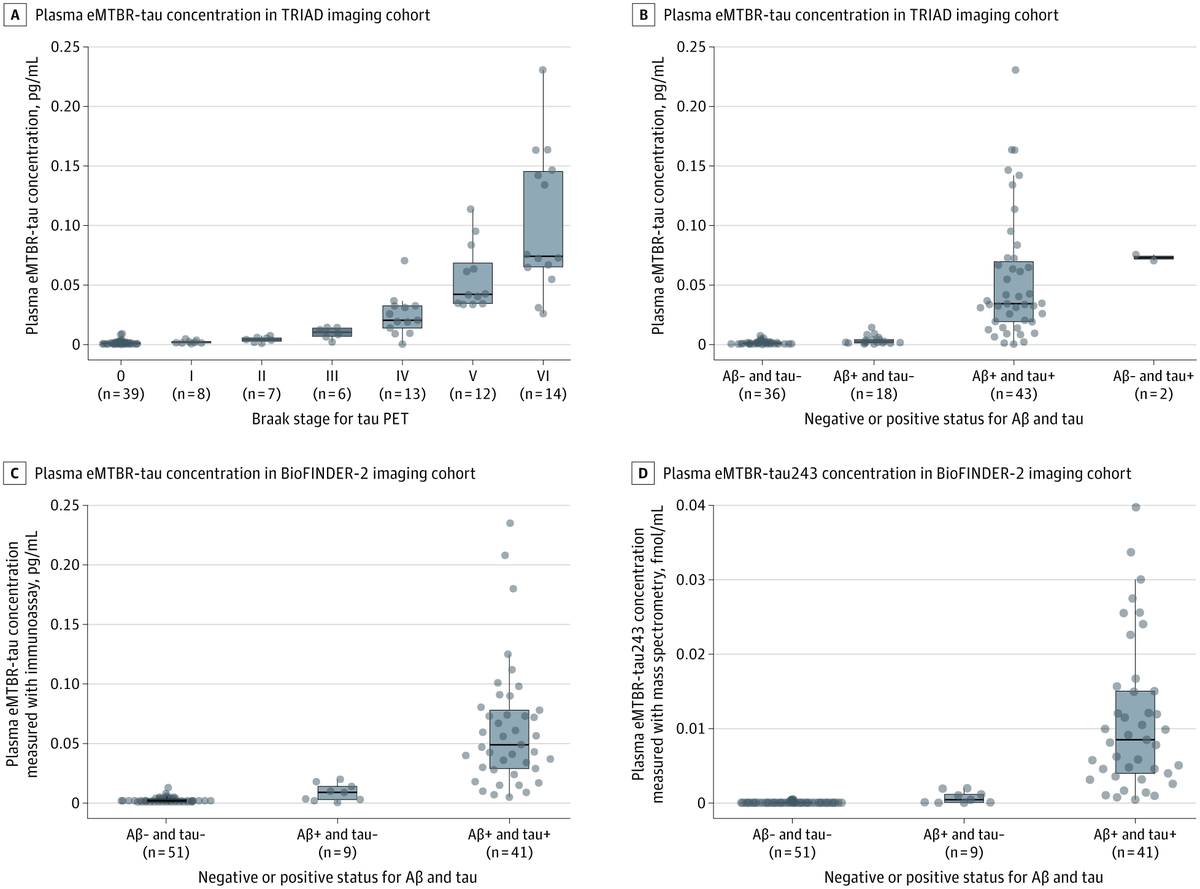
A new blood test could help assess the progression of Alzheimer’s disease.
A novel biomarker, eMTBR-tau, may enable the detection of advanced tau pathology through a simple blood test, complementing existing p-tau217 measurements.
Remarkably, eMTBR-tau levels were 25–50 times higher in the most advanced stage of tau pathology (Braak VI) compared with early stages (Braak I–II).
A promising step toward more accessible Alzheimer’s disease staging, although clinical utility still requires validation.
Why does our brain make mistakes when switching between tasks?
New research suggests that uncertainty about which task we should perform can cause different information representations in the brain to overlap, increasing the likelihood of systematic errors.
A miniature ultrasound implant could enable real-time monitoring of spinal cord injuries.
Implantable ultrasound technology may allow more precise monitoring after spinal cord injury and earlier detection of complications.
However, feasibility has been demonstrated - not clinical benefit.