This is the wildest World Cup story yet. If someone in Toronto sells a ticket above face value they get fined $25,000 yet the city of Toronto bought 3,500 World Cup tickets early and then sold them to taxpayers at a markup as a “revenue generation strategy.” What the hell man.
India’s fertility rate has fallen below replacement for the first time in the country’s history, declining from a TFR of 2.3 to 1.9 in just a decade.
Delhi’s fertility rate now sits at 1.2, lower than Finland’s.
Follow: @AFpost
That is Elon Musk in the left and Tim Cook on the right, but who is seated in the middle?
She is Zhou Qunfei.
Touch your phone screen right now.
That glass was probably made by Zhou Qunfei’s Lens Technology.
She dropped out at 16, polished watch lenses for under a dollar a day, and wrote a resignation letter so honest about the problems yet grateful for the chance that her boss promoted her instead.
At 22 she started a tiny workshop with $3,000 and family in a small apartment. She kept learning and mastering advanced glass techniques.
She solved Motorola’s “impossible” shatterproof glass problem. Supplied the first iPhone. Built a company with 75,000+ employees making over a billion screens a year for Apple, Samsung, Huawei, and Tesla.
She still walks the factory floor.
A few weeks ago she sat between Elon Musk and Tim Cook at a Beijing state banquet.
Zhou Qunfei today is known as China’s “Glass Queen.”
She is the founder and chairwoman of Lens Technology, the company whose advanced glass and components are used in iPhones, Samsung devices, Huawei phones, Tesla vehicles, and an expanding range of electric cars, humanoid robots, AI hardware, and aerospace products.
As of late May 2026, her net worth is estimated at $19.7–20.3 billion (Forbes and Bloomberg), making her one of the richest self-made women in the world and among the wealthiest women in China. Her wealth comes mainly from her controlling stake in Lens Technology, whose market value has recently been around $26 billion.
From a dollar a day to that table through relentless learning, honest communication, staying close to the work, and doing what others said couldn’t be done.
She didn’t wait to be invited. She made herself impossible to ignore.
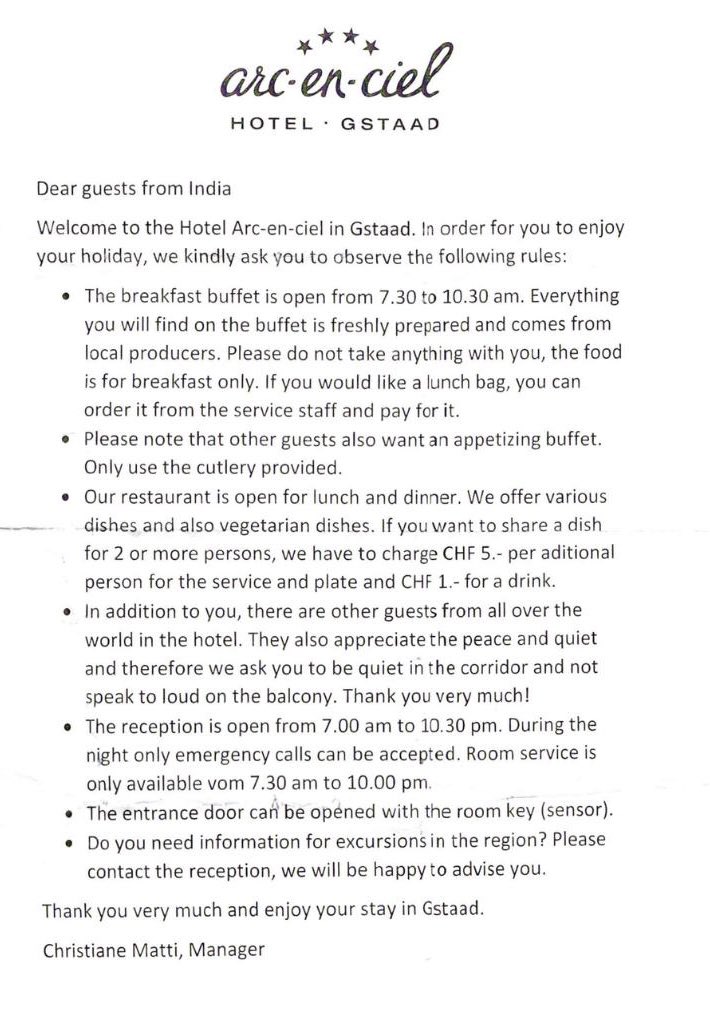
A Swiss hotel once displayed a list of special rules exclusively for Indian guests which I personally saw and was appalled.
Today, videos of garba in restaurants, loud conversations in airports, and turning aircraft cabins into picnic spots keep doing the rounds. Even in Davos, an Indian businessman blasted Punjabi music in a club so the whole town could hear it, calling it “soft power” but to everyone’s annoyance.
Japan earned global admiration through their courtesy and civic sense. If India wants to be a true global superpower, the world should remember Indians for its excellence, consideration and respect for others.
Our civic sense seriously needs to be upgraded.
Voltaire passed away today in 1778.
There are two quotes of his I always come back to:
"I disapprove of what you say, but I will defend to the death your right to say it."
and
“Those who can make you believe absurdities can make you commit atrocities.”
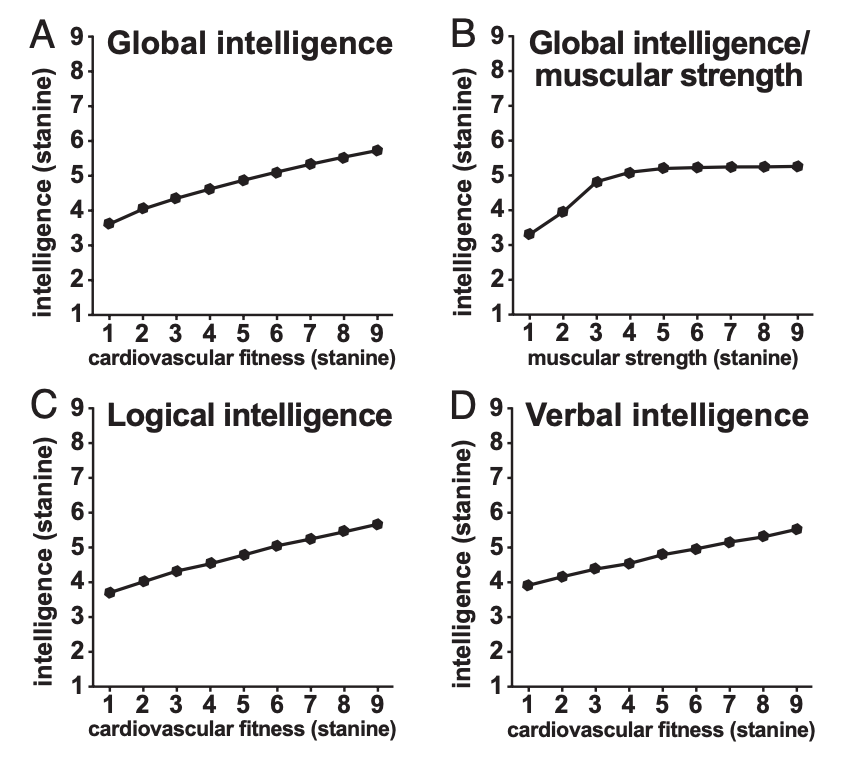
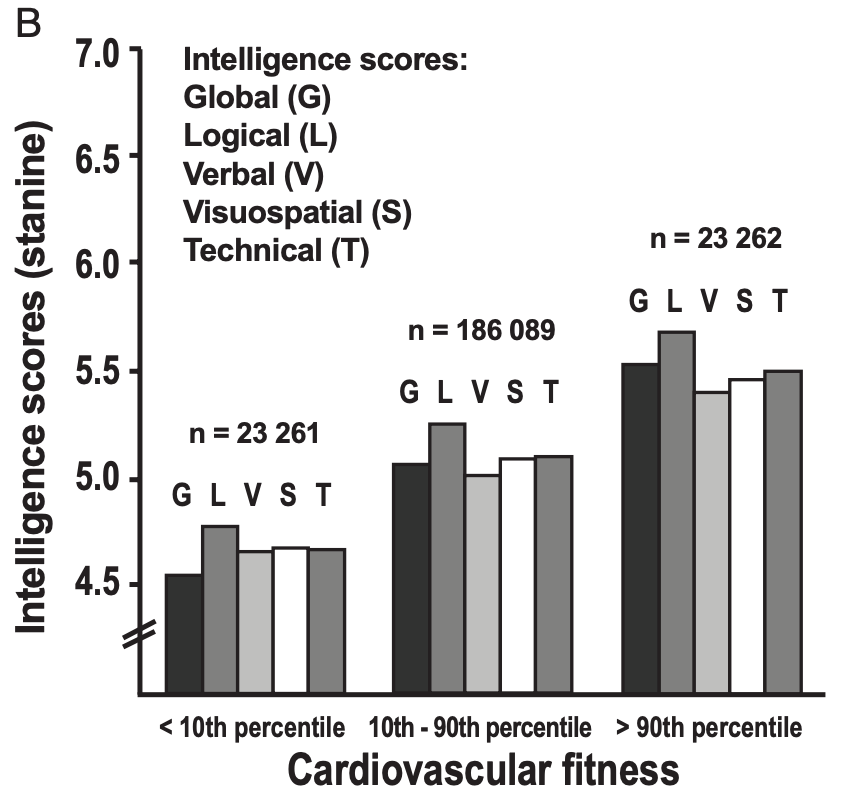
Scientists measured cardiovascular fitness in 1.2 million 18-year-olds, then followed them for 10-36 years.
The fitter they were, the more likely they were to:
1) score higher on intelligence tests
2) earn a university degree
3) reach a higher-status job
Do your cardio.
In some very real sense, Ozempic was invented in 1990. Pfizer ran the human trials and just never published them.
They showed it lowered blood glucose in diabetics, slowed gastric emptying, and killed hunger; the same 3 things that make Ozempic work today.
The joint venture agreement said internal data stayed internal, and that was that. Pfizer killed the program in 1991. The reasoning, as far as I can tell, was that nobody would ever want an injectable diabetes drug besides insulin.
So, the license went back to the hospital in Boston that held the patents.
Novo picked it up in 1992 and spent the next two decades building liraglutide, then semaglutide.
It's insane that data sat in a filing cabinet for 30+ years.
I only know this because Jeffrey Flier, one of the Harvard scientists in the room, finally wrote it up. He's in his late 70s and didn't want the history to die with him.
This makes you wonder what else is in those filing cabinets.
Ozempic could've existed 27 years ago.
Recently, many friends have been asking me about XPENG GX. I took some time to sort out my thoughts and filmed this video.
Everything I want to say is here.
Dedicated to every restless soul. For you. For the times.
🚨 Anthropic just showed a 24-minute workshop on how to actually do prompts for Claude.
Taught by the people who built it.
Free. No registration. No paywall.
I've seen $300 courses that don't cover what they teach in the first 8 minutes.
Watch it and bookmark it now.
This illustration of the regional effects on the map on a simple binary scale (Dry/Wet) across seasons is very useful.
It seems an almost certainty of a moderate #elnino and a high likelihood of a strong event - what can be done to prepare for this at global scale?
@Rainmaker1973 I wanted to measure the probabilities of a super El Niño this winter, so I built an aggregator.
In the last 4 weeks the probabilities have been rising.
https://t.co/5bVOUyZ7fl
https://t.co/c4PlsMUuTU
A powerful El Niño may be brewing for 2026: one of the strongest in recorded history.
Scientists are raising the alarm that one of the planet’s most disruptive climate patterns could return with force next year. Multiple climate models now suggest a major El Niño event is likely to develop in 2026, with some projections indicating it could rival or even surpass the devastating 1877 event — widely regarded as one of the most extreme on record.
El Niño occurs when a large area of unusually warm water builds up across the equatorial Pacific. This excess heat alters global atmospheric circulation, triggering widespread shifts in weather patterns far beyond the ocean itself.
The impacts of a strong El Niño are often severe and far-reaching. Past events have caused simultaneous crop failures, intense heat waves, prolonged droughts, catastrophic flooding, coral bleaching, and fishery collapses across several continents. The 1877 super El Niño, for example, contributed to massive famines and an estimated tens of millions of deaths in regions including India, China, Brazil, and parts of Africa.
What makes a potential 2026 event particularly concerning is that it would unfold on an already warming planet. Global ocean temperatures have been running unusually high for an extended period, and many areas are already facing water stress, extreme heat, and climate-related crises. Adding a powerful El Niño on top of this background warming could push systems to the breaking point.
While El Niño affects different regions in different ways, bringing heavy rains and floods to some areas and severe drought and heat to others, its global footprint tends to strain food production, water resources, energy systems, and public health simultaneously.
Forecasters emphasize that predictions can still change, and the final strength of the event remains uncertain. However, growing agreement across climate models has increased confidence that a significant El Niño is forming.
["Atmospheric Code Red: 2026 Super El Niño Now Trending Toward Record-Breaking Intensity." Severe Weather Europe]
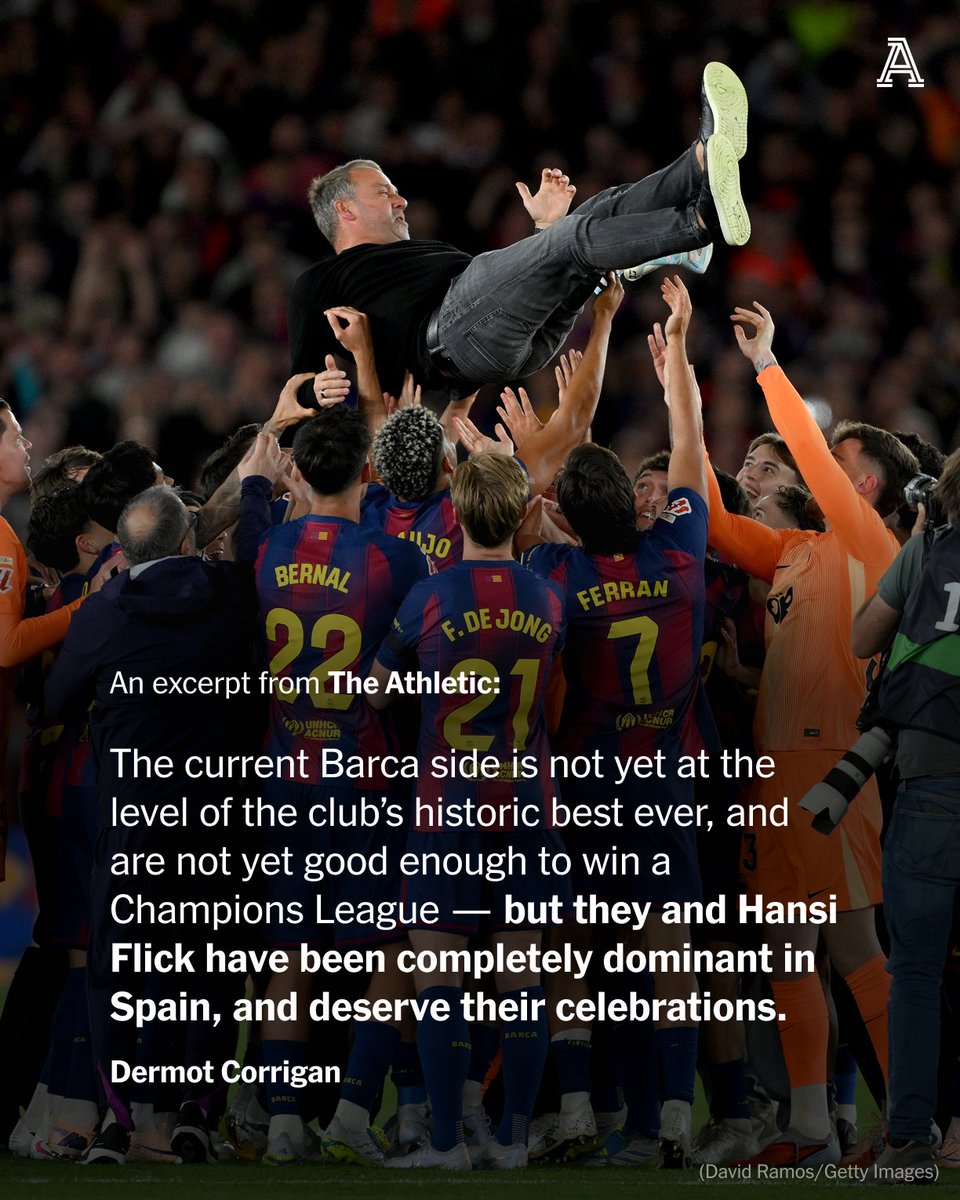
Barcelona are La Liga champions once again — and they made history in wrapping up their title defence with victory over wounded rivals Real Madrid in El Clasico.
Never before had Barca won La Liga in El Clasico. Madrid achieved that 94 years ago, when meetings between the two clubs were not quite so charged, to pick up the 1931-32 title, their first league success.
Celebrations are sure to continue late into the night in Catalonia, and players and coaching staff flooded the pitch at the final whistle. For Madrid, a punishing season has now effectively come to an end — marking a second consecutive campaign without a major trophy.
🔗 https://t.co/ng9q1lg1Jx
Experts now consider strength training the single most potent habit for aging gracefully and extending lifespan.
Far from being just for athletes or bodybuilders, lifting weights—or any form of resistance exercise, including body-weight moves—has emerged as one of the most powerful tools for healthy aging. It does far more than add muscle: it fortifies bones, revs up metabolism, and sharply lowers the odds of diabetes, heart disease, and other chronic conditions.
As we get older, strength training switches on bone-forming cells, fights the natural loss of muscle mass known as sarcopenia, and keeps metabolism humming efficiently. For women, it’s especially valuable, helping offset the rapid bone-density decline triggered by menopause.
The benefits extend well beyond the physical. Regular resistance work improves balance and coordination, dramatically cutting the risk of falls—the top cause of injury among older adults. It also protects the brain by enhancing insulin sensitivity, dialing down inflammation, and reducing dementia risk.
The good news? You don’t need heavy barbells or punishing workouts. Even moderate, consistent strength training delivers profound gains in both quality of life and longevity. In the words of one leading researcher, “Building and maintaining muscle may be the single best investment you can make in your future health and independence.”
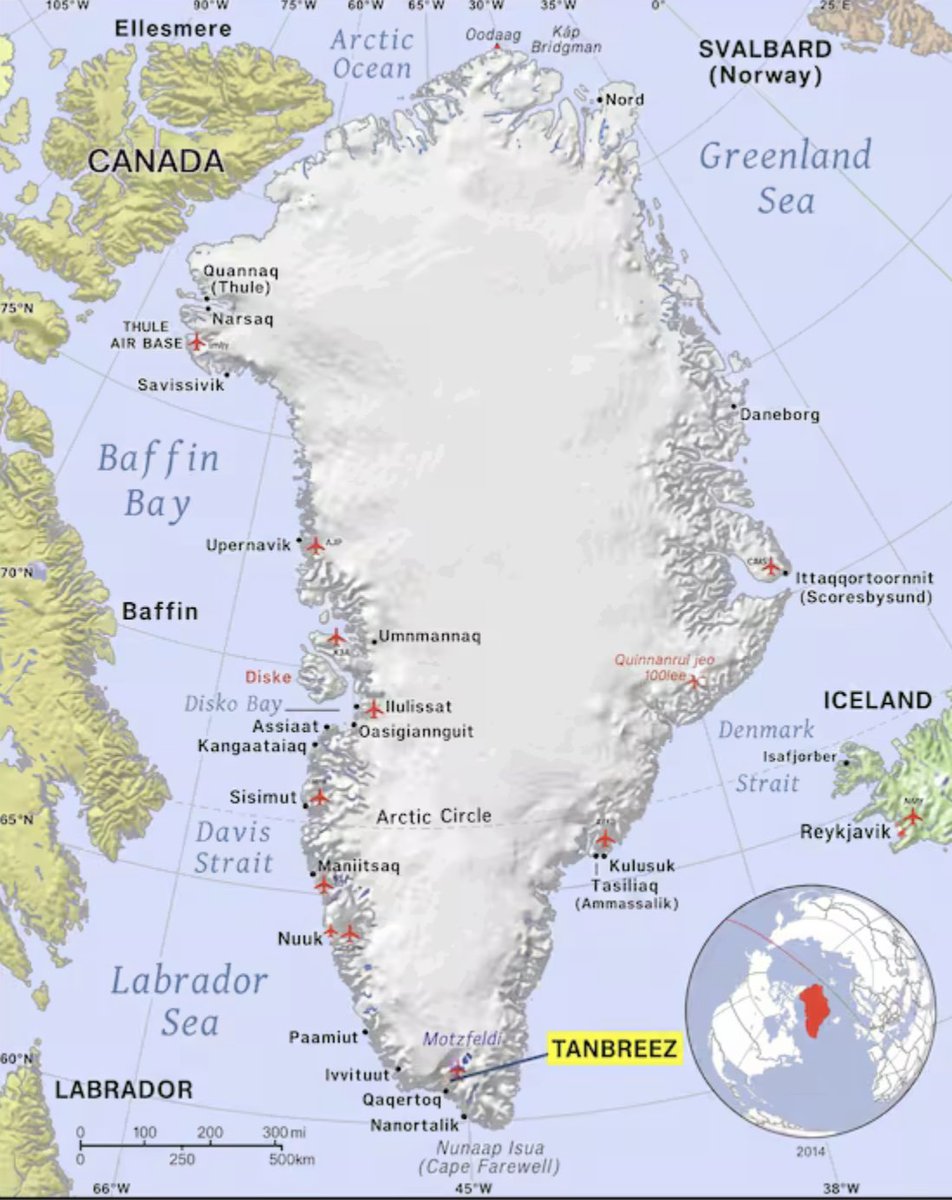
The US just secured control of one of the largest heavy rare earth deposits on earth outside China.
It's in Greenland.
American mining company Critical Metals Corp has received formal approval from the Greenland government to acquire 70% of the Tanbreez deposit in southern Greenland.
Estimated resource: 4.7 billion tonnes of rare earth bearing material.
27% of those rare earths are heavy rare earth elements (dysprosium, terbium, yttrium ) the ones used in EV motors, wind turbines, and advanced military systems.
For context:
Mountain Pass, California (the main US deposit): 0.49% heavy rare earths
Bayan Obo, China's largest deposit: 1.13%
🚨Tanbreez: 27%
It also has exceptionally low uranium and thorium content 10–20 ppm uranium, under 100 ppm thorium.
That matters because radioactive contamination has killed other Greenland projects.
Tanbreez already holds a mining licence valid until 2050 one of only 2 sites out of 140+ active licences on the island to have received it.
The supply chain logic is straightforward:
Extract in Greenland → process in the US → supply defence and advanced technology sectors
Production is expected to begin 2027–2028, starting at 85,000 tonnes of rare earth oxides per year, scalable to 425,000 tonnes.
Project value estimated at $3 billion.
China controls 85% of global rare earth processing capacity.
The US currently imports 80% of its rare earths from China.
You've had your best ideas in the shower or on a walk. Almost never at your desk. Stanford ran four experiments to figure out why.
Marily Oppezzo and Daniel Schwartz, Stanford 2014, Journal of Experimental Psychology. The result settles a debate Nietzsche started in 1889 when he wrote "all truly great thoughts are conceived by walking."
Walking is the lever. The outdoors stacks on top.
Across the studies, 81% of participants got a creativity boost on the divergent thinking task while walking. Only 23% got a boost on the convergent thinking task.
That asymmetry is the part nobody talks about.
Divergent thinking is "how many uses can you think of for a brick." Idea generation. The expansive messy phase. Convergent thinking is "what one word connects falling, movie, dust" (answer: star). The narrow phase where one right answer exists.
Walking unlocks the first. Walking barely moves the second.
Experiment 2 added the residual effect. Sit and work. Get up and walk. Sit back down. The creative boost transfers to the chair. The lift outlasts the walk.
Experiment 4 is where it gets weird. Stanford rolled people outside in wheelchairs to control for the outdoors. Four conditions: sit inside, walk on a treadmill inside, walk outside, or get rolled outside in a wheelchair. Same outdoor stimulation, no walking. Walking outside produced the most novel and highest-quality analogies. The walking effect and the outdoor effect were separable, but walking carried the load.
The mechanism is in the locomotion, not the trees.
The protocol that falls out of this:
1. Walk during the brainstorm. Divergent phase.
2. Sit during the evaluation. Convergent phase.
3. Walk first, then sit. The transfer is one-directional.
Most people do the opposite. They sit through the brainstorm trying to force ideas out, then walk away from the desk frustrated when they can't pick the right one.
Your desk is for finishing ideas. Walks are for finding them.
A single bird has just accomplished one of the most extraordinary feats in the animal kingdom — flying nearly one-third of the way around the Earth without stopping to eat, drink, or rest.
The record-breaker is a five-month-old Bar-tailed Godwit that flew nonstop from Alaska to Tasmania, Australia. Covering 8,425 miles in just over 11 days, it set a new record for the longest nonstop flight ever documented in any bird.
What makes this journey even more astonishing is that it was the young godwit’s very first migration. The entire route took place over the open Pacific Ocean, with no chance to land. Despite that, the bird navigated thousands of miles of featureless water with pinpoint accuracy.
This incredible endurance is made possible by remarkable physiological adaptations. Before takeoff, the godwit packs on enormous fat reserves — nearly half its body weight — to fuel the flight. At the same time, many of its internal organs, including parts of the digestive system, temporarily shrink to lighten the load and maximize energy efficiency.
Unlike many seabirds that depend heavily on gliding, this godwit flapped continuously for the entire journey, battling shifting winds and weather systems the whole way.
Researchers at the Pūkōroro Auckland Shorebird Centre say discoveries like this are transforming our understanding of migratory birds. Their astonishing endurance, navigation skills, and energy management demonstrate biological capabilities that can match — and in some ways surpass — even the most advanced human engineering.
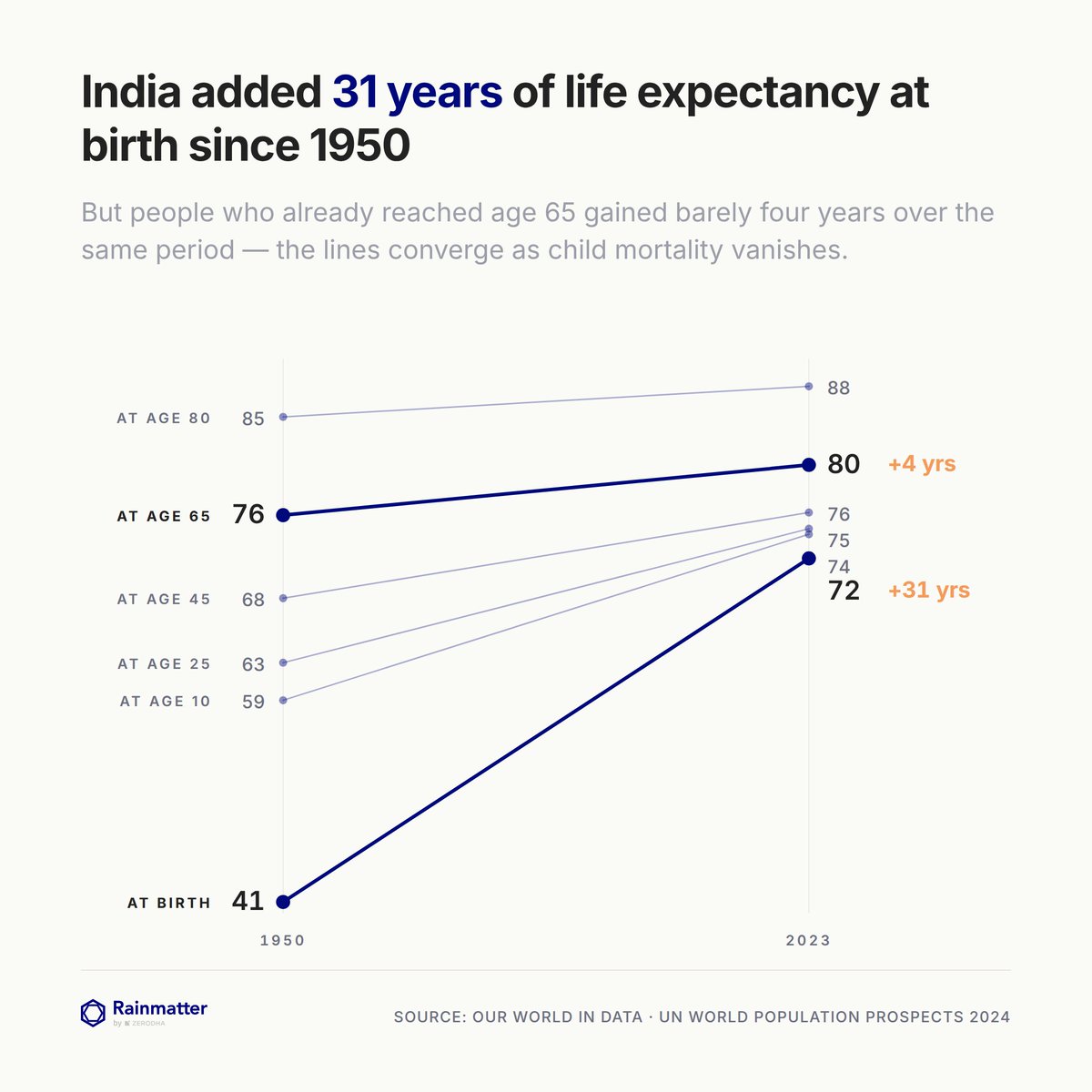
Basically the result of vaccines mostly eliminating child mortality id think.
The subtitle though is the real nuance - that's where we have work to do - preventing / treating the main lifestyle diseases
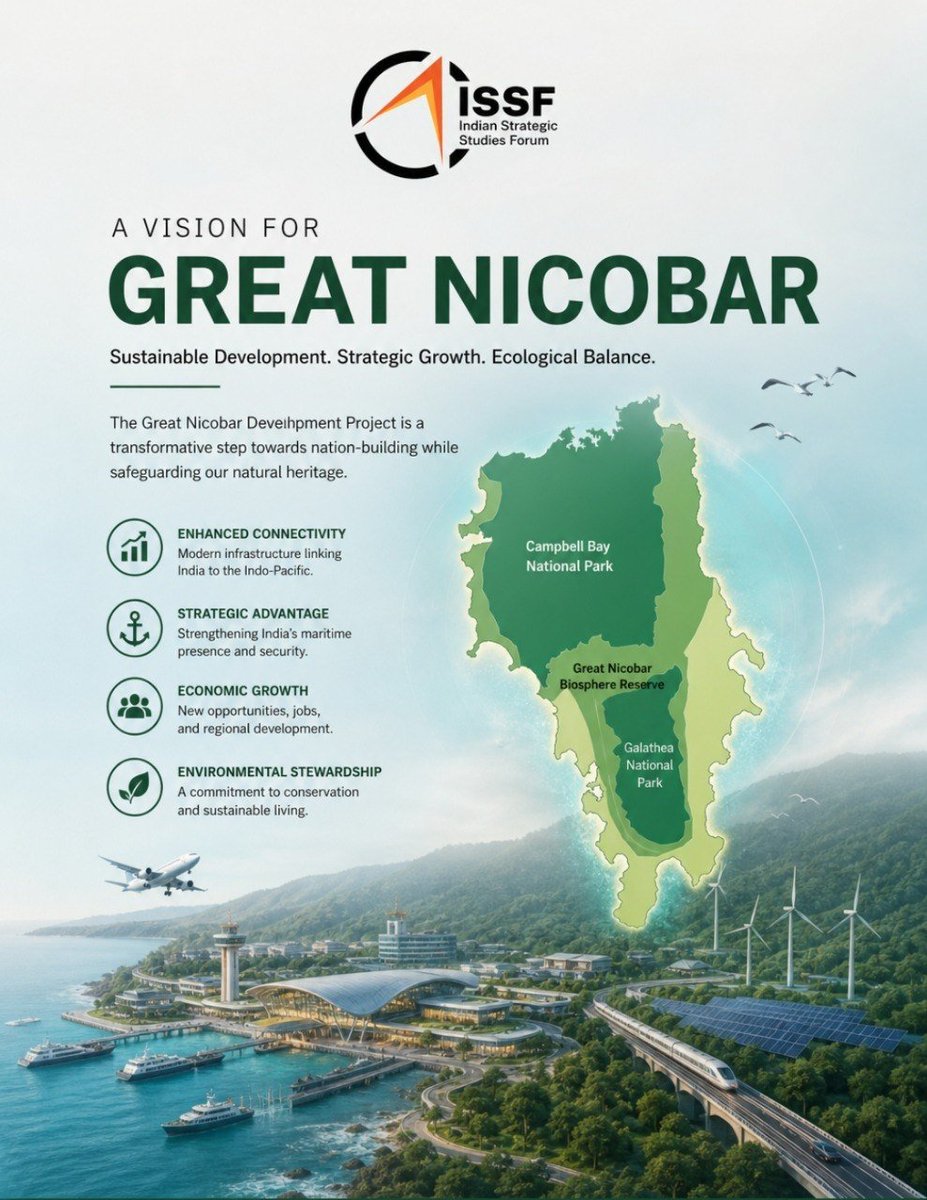
The Great Nicobar Project: India’s Ultimate Maritime Masterstroke 🇮🇳⚓
There is a coordinated PR campaign targeting the ₹72,000 Crore Great Nicobar Island (GNI) project.
Cutting through the political noise, the reality is stark: this is the most critical infrastructure project for India’s survival and dominance in the 21st century.
Here are the hard facts. 🧵👇







![Rainmaker1973's tweet photo. A powerful El Niño may be brewing for 2026: one of the strongest in recorded history.
Scientists are raising the alarm that one of the planet’s most disruptive climate patterns could return with force next year. Multiple climate models now suggest a major El Niño event is likely to develop in 2026, with some projections indicating it could rival or even surpass the devastating 1877 event — widely regarded as one of the most extreme on record.
El Niño occurs when a large area of unusually warm water builds up across the equatorial Pacific. This excess heat alters global atmospheric circulation, triggering widespread shifts in weather patterns far beyond the ocean itself.
The impacts of a strong El Niño are often severe and far-reaching. Past events have caused simultaneous crop failures, intense heat waves, prolonged droughts, catastrophic flooding, coral bleaching, and fishery collapses across several continents. The 1877 super El Niño, for example, contributed to massive famines and an estimated tens of millions of deaths in regions including India, China, Brazil, and parts of Africa.
What makes a potential 2026 event particularly concerning is that it would unfold on an already warming planet. Global ocean temperatures have been running unusually high for an extended period, and many areas are already facing water stress, extreme heat, and climate-related crises. Adding a powerful El Niño on top of this background warming could push systems to the breaking point.
While El Niño affects different regions in different ways, bringing heavy rains and floods to some areas and severe drought and heat to others, its global footprint tends to strain food production, water resources, energy systems, and public health simultaneously.
Forecasters emphasize that predictions can still change, and the final strength of the event remains uncertain. However, growing agreement across climate models has increased confidence that a significant El Niño is forming.
["Atmospheric Code Red: 2026 Super El Niño Now Trending Toward Record-Breaking Intensity." Severe Weather Europe]](https://pbs.twimg.com/media/HIR0XFaW0AAFfR8.jpg)