For the Son of man is come to seek and to save that which was lost.
Luke 19:10 KJV
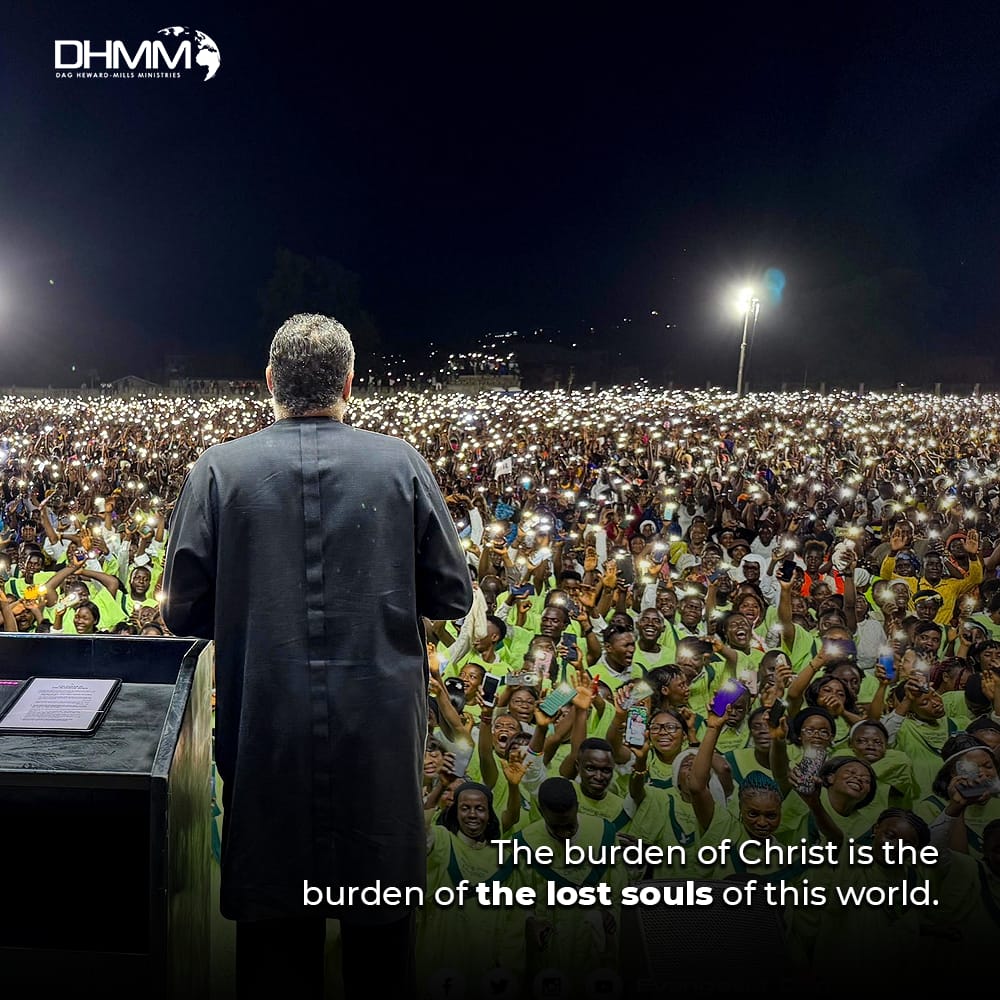
The heartbeat of God is the salvation of souls. If you want to be close to God's heart, you must be involved in soul winning.
A 176km, six-lane expressway will connect our two biggest cities. US$1.7 billion is already ring-fenced at the Bank of Ghana.
Faster journeys, safer roads, lower transport costs.
Baruch Hashem Adonai will be out by 12 Midnight!
Video premieres tomorrow Friday on youtubeby 6pm(Wat)
Let’s gather around the family altar tonight and prepare to receive this prophetic sound that heralds the Lord’s coming.
When He enters, joy invades.
Kindly tell everyone
Dr Kwame Nkrumah's Childhood🇬🇭
The Young Dreamer of Nkroful
In the quiet village of Nkroful, on Ghana's coast, a little boy named Kwame Nkrumah was born in 1909. His mother, Nyaniba, called him her "special child," because he was always curious, always asking questions about the world.
Kwame loved to sit under the tall palm trees, listening to the elders tell stories of bravery and wisdom. While other children ran about playing, Kwame often sat still, his eyes wide, imagining a future where his people were free and strong.
At school, young Kwame showed a bright mind. He carried his slate and chalk proudly and often walked long distances just to attend lessons. He loved reading and writing, but he also loved helping his friends learn. His teachers noticed he was not only clever but also a leader among the children.
At home, Kwame worked on the farm, helping his mother with small chores. But in his heart, he dreamed of more than village life. He wanted to know what lay beyond the horizon, beyond Nkroful, beyond even the Gold Coast.
No one in the village knew then that this quiet, curious boy would one day grow to lead his nation into independence. But even as a child, Kwame Nkrumah's spirit was restless — his mind reaching for the future, his heart beating for his people.
@Cassielforson@UKinGhana@HCThompson001 Your meeting with H.E. Harriet Thompson highlights a pivotal moment for Ghana’s economic trajectory, and it’s encouraging to see the focus on both fiscal responsibility and social welfare in the 2025 Budget. Ghana’s economy has indeed faced significant challenges
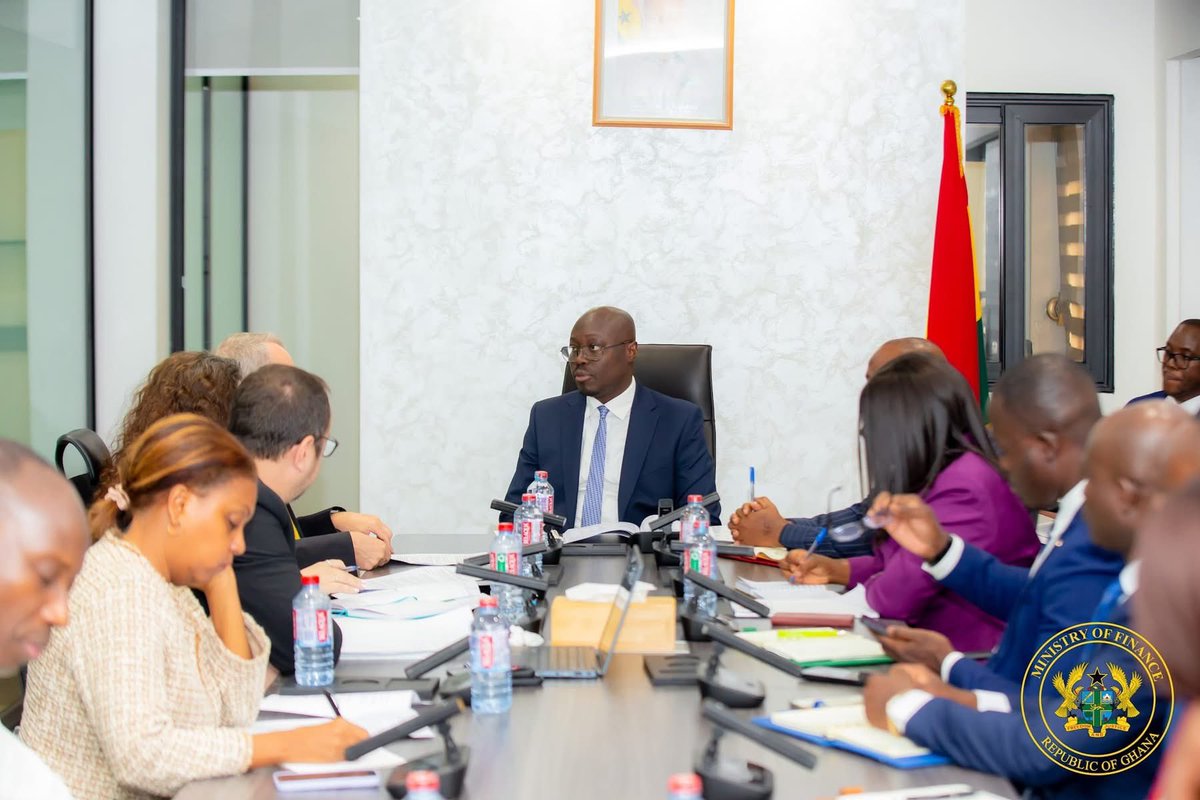
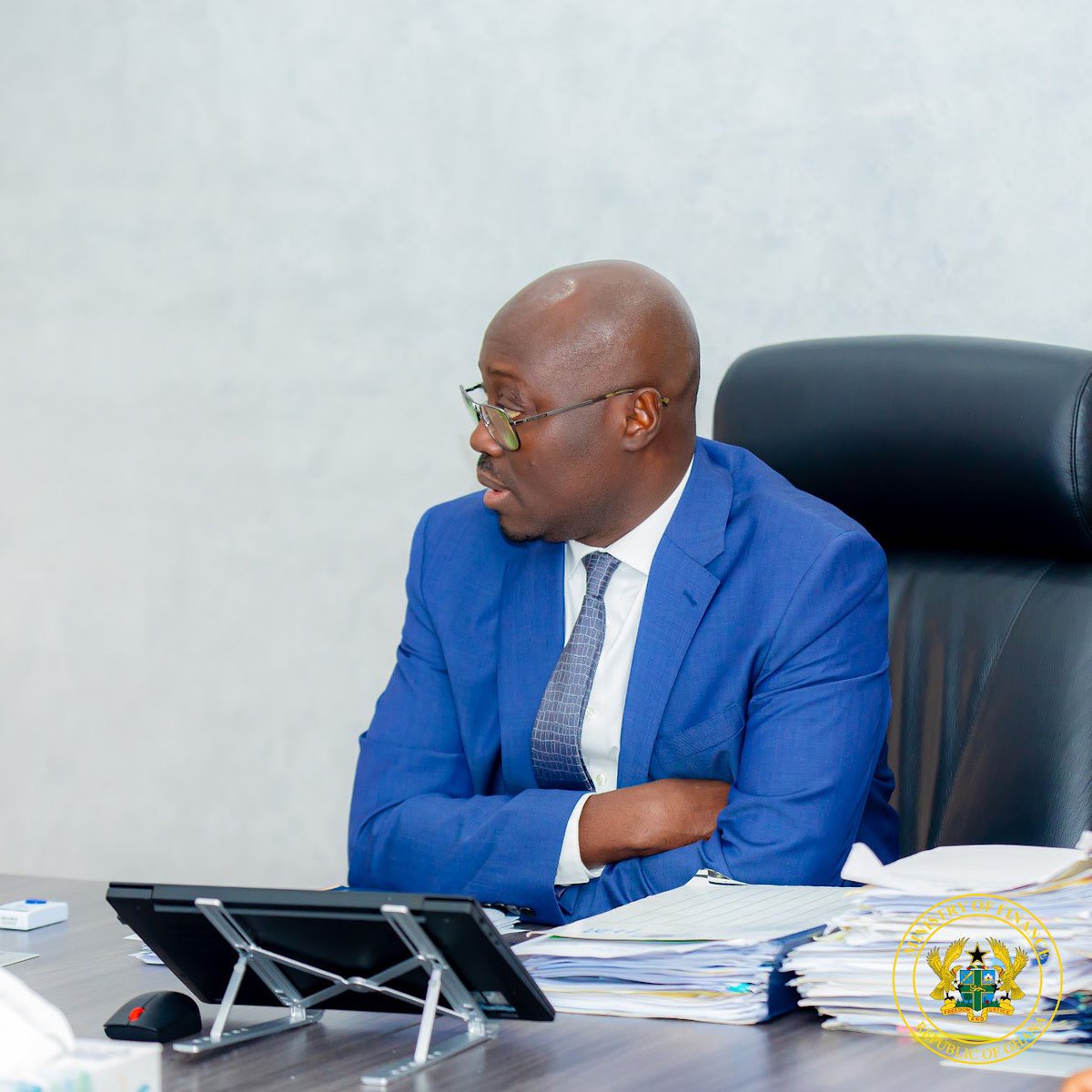
Yesterday, I had a highly productive engagement with World Bank Division Director Robert Taliercio O’Brien and his team.
I welcome the World Bank’s continued commitment to supporting our education reforms, particularly the additional resources allocated to Ghana.
I reiterated that as a government, we remain steadfast in our commitment to fiscal prudence, particularly within the framework of our IMF-supported programme.
While last year posed challenges, and we struggled to achieve even a 0.5% primary surplus, we are determined to hold the fiscal anchor firmly.
My priority is to send a clear message—both to investors and development partners—that Ghana is on a disciplined and sustainable financial trajectory.
We are also taking decisive action to curb unnecessary expenditures across government.
Leading by example, I have made it clear to my staff that the era of free, non-essential conference travel is over.
Going forward, delegation sizes will be cut—three officials will now be expected to accomplish the work of ten, ensuring greater efficiency without compromising productivity.
I have also implemented significant budget cuts, including within the Office of the President.
These measures reflect our commitment to prudent resource management and ensure that every cedi is spent where it matters most:on projects that drive growth and improve the lives of Ghanaians.
Not long ago in Parliament, I concluded the budget debate with a message of hope: this budget is truly people-centered.
It unlocks economic opportunities.
It restores confidence and optimism for all Ghanaians.
Most importantly, this budget marks the dawn of a new era—the beginning of our agenda to RESET and revitalize Ghana’s economy for a brighter future!
Gold is one of Ghana’s most valuable natural resources, but for too long, illicit smuggling has deprived our economy of billions in revenue.
At the peak of our economic crisis in 2022, 60 tonnes of gold—worth an estimated $1.2 billion—left Ghana through illegal channels.
Imagine the impact if that wealth had stayed in our economy!
Well, Yesterday, I met with officials from the UK-Ghana Gold Programme, an initiative dedicated to breaking the link between illegal artisanal gold mining and serious organized crime (SOC).
Our discussions focused on how to ensure Ghana benefits fully from its gold resources while combating smuggling and illegal trade.
One of the key steps in this effort is the establishment of the Ghana Gold Board (GoldBod)—a game-changing institution that will regulate the gold sector, curb smuggling, and promote responsible gold trade. Through the UK/Ghana Gold Programme, we are working closely with the Economic and Organised Crime Office (EOCO) to stop gold smuggling at key entry points like Bole.
Additionally, GoldBod is collaborating with the Precious Minerals Marketing Company (PMMC) to enhance pricing mechanisms, introduce pre-financing options, encourage whistleblower reporting of smuggling, and adopt responsible sourcing practices aligned with London Bullion Market Association (LBMA) certification.
To further support this vision, the government will fund GoldBod to purchase 3 tonnes of gold every week, strengthening our foreign exchange reserves.
Additionally, in a major policy shift, we will abolish the 1.5% withholding tax on unprocessed gold as part of the 2025 Budget—a move that will encourage more legal gold trade and drive economic growth.
These efforts will put Ghana back in control of its gold industry, disrupt illegal networks, and ensure that our gold works for Ghanaians.
This is just the beginning—together, we will build a stronger, more prosperous Ghana!
i. Mr. Speaker, as of March 14, 2025, the Cedi had depreciated by 5.3% against the US dollar, compared to 5.7% over the same period in 2024. The Cedi's depreciation is driven by tight FX liquidity, increased demand from energy sector payments and commerce.
ii. Mr. Speaker, the Cedi has, however, witnessed stability since 19th February, on the back of central bank forex interventions aimed at improving FX liquidity and market confidence.
iii. Mr. Speaker, to maintain exchange rate stability, Government will implement a number of measures to complement Bank of Ghana’s monetary and exchange rate policies.
The measures to stabilize the exchange rate include the following:
• The establishment of the GoldBod to enhance the generation and accumulation forex to support the stability of the cedi;
• The BoG will continue to implement its FX forward auctions to support the stability of the Cedi;
• Government’s strong fiscal consolidation through the reduction in public sector spending and the fiscal deficit will reduce pressures on the exchange rate; and
• Our import substitution drive under the 24-Hour economy involving the domestic production of key products originally imported will reduce imports and related FX requirement, boding well for FX stability