The official Twitter account for Comprehensive Headache Ctr @BIDMCHealth affiliated with @HarvardMed. Sharing our research and clinical news. RTs ≠ endorsements
We’re delighted to share that the paper “Transition of headache care from childhood to adulthood: Focusing needs, barriers, and models of care”, a position paper of the IHS Child and Adolescent Committee, has been selected as essential reading by our Editor-in-Chief, Simona Sacco!
Congratulations to all authors and collaborators on this important contribution, which highlights the need for coordinated, patient-centred models of care to support young people transitioning from paediatric to adult headache services.
https://t.co/2WUG0byXn4
#Cephalalgia #HeadacheResearch #IHS #ChildAndAdolescentCommittee #EssentialReading
@Simona_Sacco_@aynurozge1
Cluster Headache Awareness Day is tomorrow 💙
Let’s take a moment to learn how to recognize one of the most painful conditions in medicine, as its diagnosis may be delayed for years.
Earlier recognition means faster, more effective treatment.
Stay tuned and help raise awareness for cluster headache 💪
#cluster_headache #Cefaleia_em_salvas #Cefalea_en_racimos #Cluster_Kopfschmerz #叢發性頭痛 #群発頭痛 #군발두통
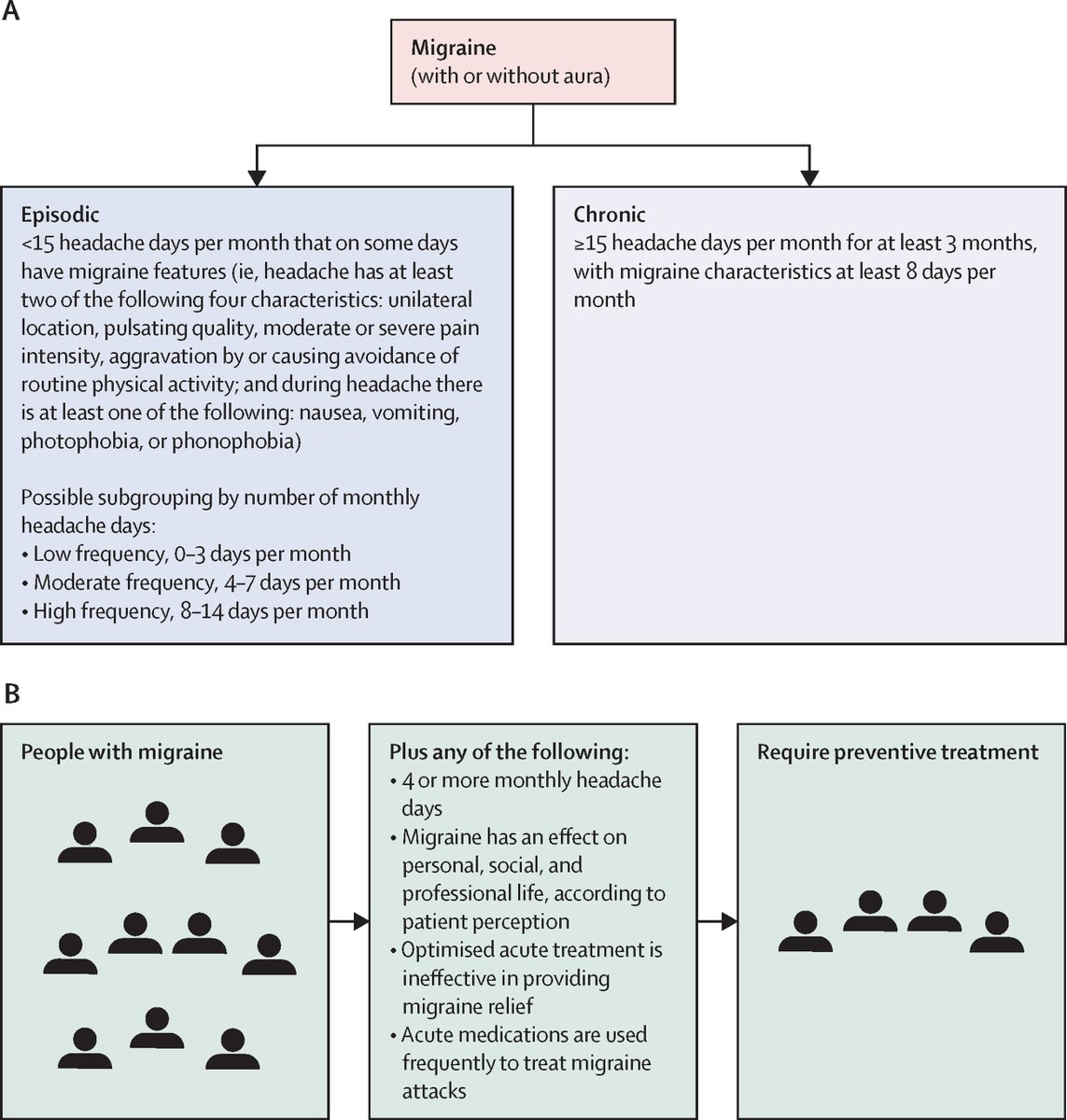
Migraine affects 1·2 billion people worldwide.
In the last few years, several new migraine-specific preventive treatments have become available, improving patient quality of life.
Find out more in a new Review in @TheLancetNeuro 👉 https://t.co/UTDkVx9w8B
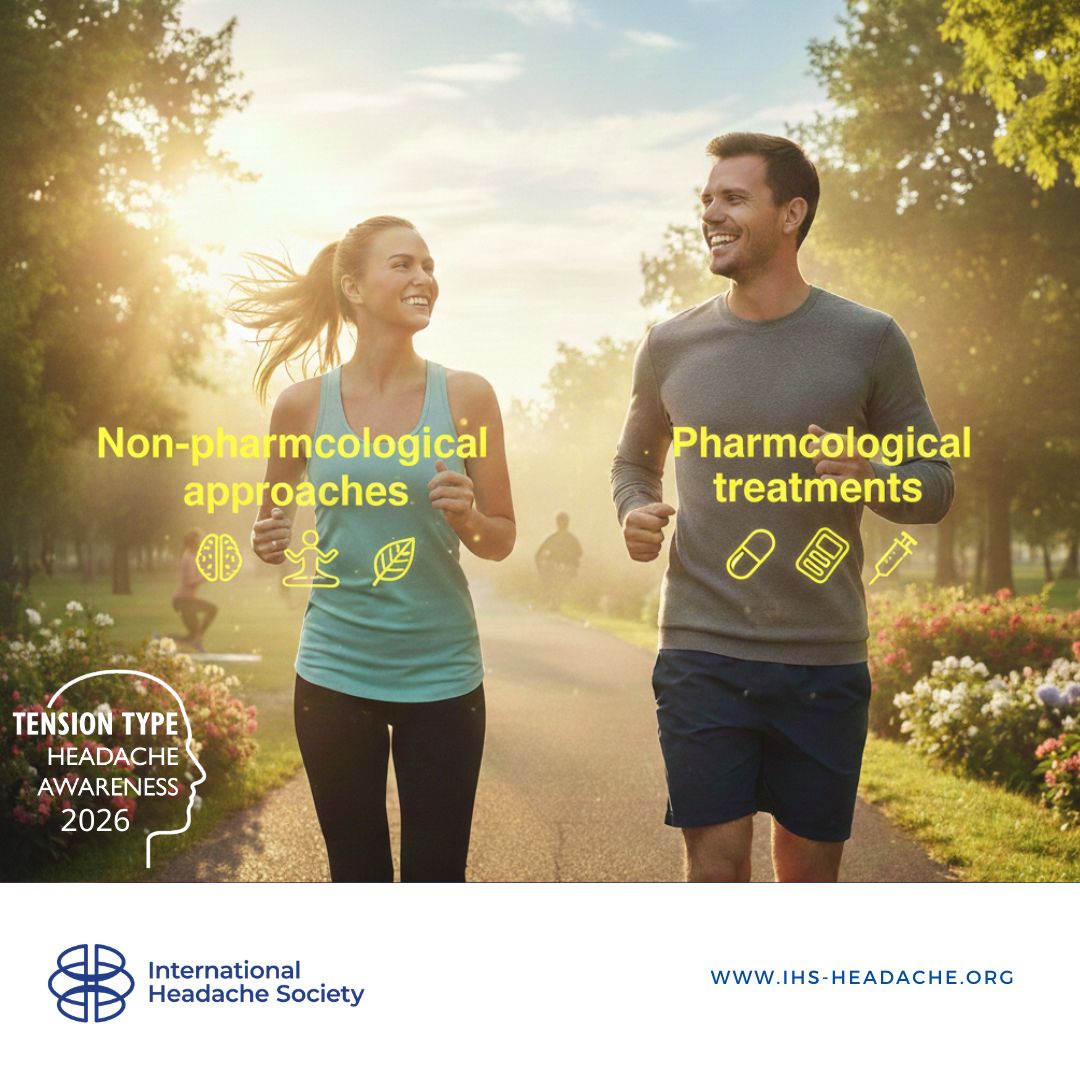
🧠 Tension-Type Headache (TTH) Awareness — Treatment
Effective management of TTH involves both non-pharmacological and pharmacological approaches tailored to the individual. Non-pharmacological strategies include cognitive behavioral therapy, regular exercise, and a healthy lifestyle, such as adequate sleep and moderation of alcohol and smoking.
When needed, pharmacological treatment can be used. Simple analgesics such as paracetamol or non-steroidal anti-inflammatory drugs are often effective for acute attacks, while preventive medication may be considered for frequent episodic TTH or chronic TTH.
#TTH2026
🎥 IHS Insight Conversations:
What triggers migraine can vary widely across individuals and across cultures.
Keiko Ihara (Keio University School of Medicine, Japan; Mayo Clinic, USA) and Tsubasa Takizawa (Keio University School of Medicine, Japan) collaborated with 12 headache specialists from 10 countries to explore how migraine triggers differ around the world.
👉 Watch the full video here: https://t.co/9MFMCkZh6m
Our recent publication on the evolving role of CGRP-targeting therapies in migraine prevention. Migraine-specific treatments are improving adherence, disease control, and quality of life for many patients.
#Migraine#CGRP#HeadacheMedicine#Neurology
https://t.co/LeXsGumoQy
New in Cephalalgia!
2025 Highlights in medication overuse and medication overuse headache
Wanakorn Rattanawong and Luigi Francesco Iannone
• Medication overuse headache is now recognised as a complex neurological and biobehavioral disorder — not simply “too much medication”
• New 2025 evidence suggests that with CGRP-targeted therapies, stopping acute medication may not always be necessary to achieve improvement
• Mindfulness-based approaches show promise, with brain connectivity changes linked to pain control, emotion regulation, and medication use
• The endocannabinoid system may play an important role, pointing to new biological pathways behind medication overuse
• Long-standing assumptions are being challenged — medication overuse may extend beyond migraine, with emerging data in cluster headache
• Bottom line: MOH is multidimensional, involving biology, behaviour, and psychology — and future care will need personalised, multidisciplinary strategies
More Cephalalgia 2025 editorials coming soon — stay tuned.
https://t.co/FRsBbrNsOV
#migraine #headache #brain #pain #neurology #neuroscience
🧠 New Research Focus: PACAP Signaling in Migraine Management
Dive into the latest migraine science with Dr Rune Haeckert Christensen from the Danish Headache Center! He breaks down how PACAP signaling works in migraine and explains key differences between PACAP and CGRP therapies — a must-watch for clinicians and researchers.
🎥 Watch here: https://t.co/XkzVLnoeEG
🔬 Presented by the International Headache Society
#Migraine #PACAP #CGRP #HeadacheResearch #IHS #Neurology
New in Cephalalgia!
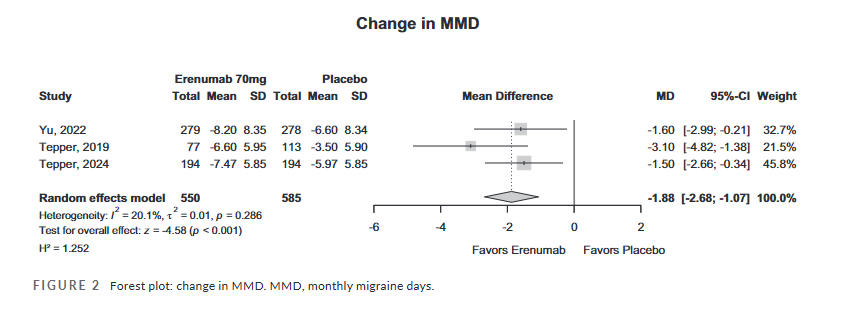
This subgroup analysis demonstrates effectiveness of fremanezumab in preventing migraine following failure of previous preventive treatments, including onabotulinumtoxinA.
https://t.co/reMIywTsor
#migraine#headache#brain#pain#neurology#neuroscience
New in Cephalalgia!
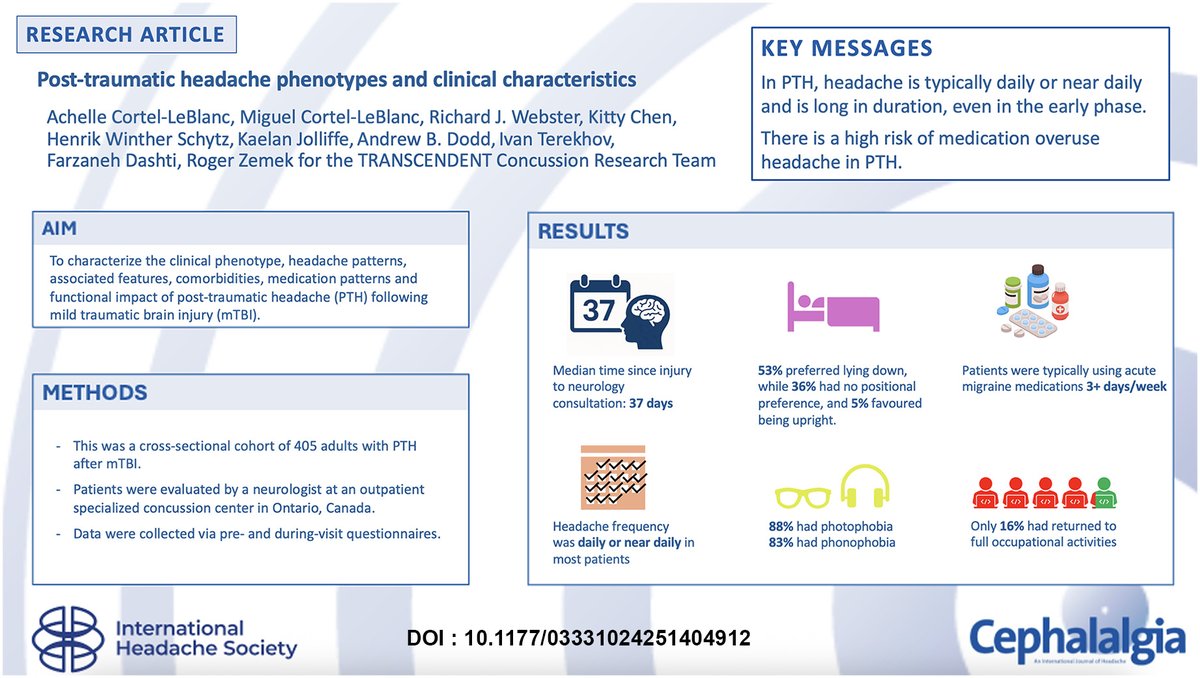
There is a high risk of medication overuse headache in post-traumatic headache. Early and effective preventive strategies are required, including patient and clinician education.
https://t.co/Pv2x0GbjOS
#migraine#headache#brain#pain#neurology #neuroscience
Central and Peripheral Sensitization in Temporomandibular Disorders: Proposed Mechanisms of Botulinum Toxin Therapy 👇https://t.co/tMvbkASu7i #mdpitoxins via @Toxins_Mdpi
[IHS Announcement] Honorary Secretary Elected
The International Headache Society is pleased to confirm the election of Dr. Sait Ashina as the IHS's new Honorary Secretary. We extend our congratulations as he takes on this distinguished role!
New in Cephalalgia!
Neck pain can be a trigger, symptom, or comorbidity in #migraine and is frequently misdiagnosed. This review outlines a framework for accurate assessment and treatment using both pharmacological and non-pharmacological approaches.
https://t.co/ugFIOMQ6e4
#headache #brain #pain #neurology #neuroscience
@TaylaARees
New debate paper highlights a “vessel-to-neuron” model of #migraine. Stimulating intracranial arteries can trigger migraine-like pain, suggesting these vessels aren’t passive. Vascular signals, K+ efflux, and trigeminovascular activation may spark attacks
https://t.co/VVmSjyBWx9
New in Cephalalgia!
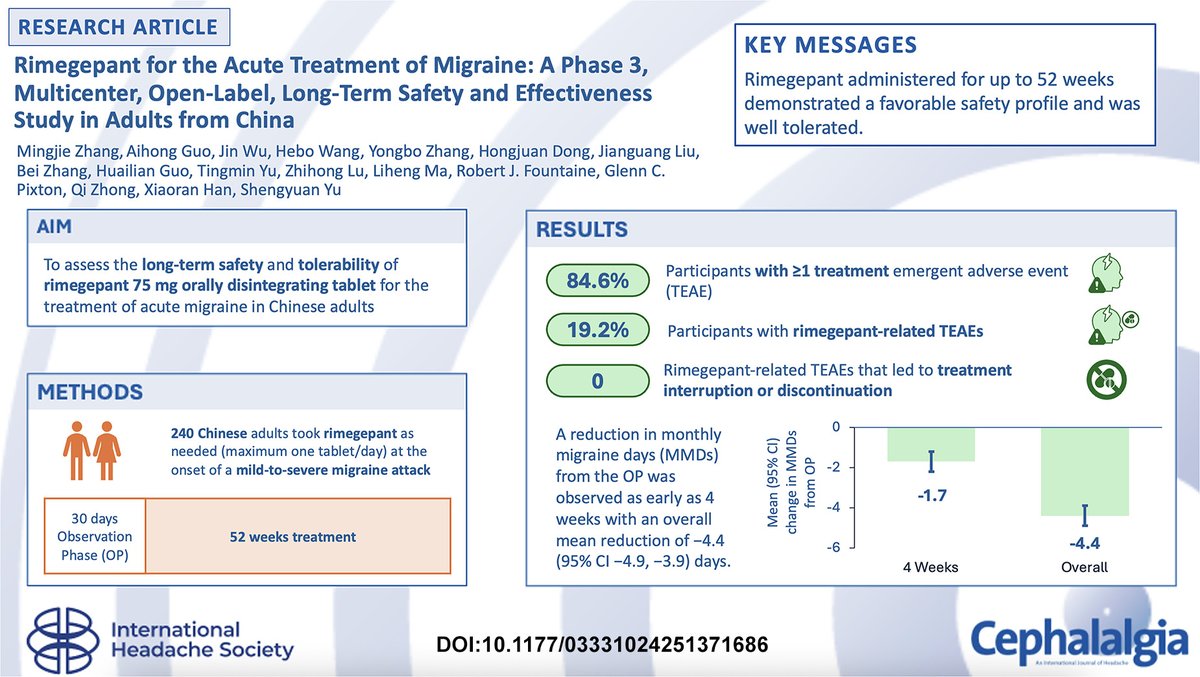
Rimegepant 75 mg administered PRN for up to 52 weeks demonstrated a favorable safety profile and was well-tolerated.
https://t.co/u6GNdYp76Q
#migraine#headache#brain#pain#neurology#neuroscience
New in Cephalalgia!
Greater occipital nerve injection in combination with standard verapamil treatment provides faster reduction in attack frequency than verapamil alone and decreases the adverse events over the first 4 weeks after injection.
https://t.co/AqAffCax1w
#migraine #headache #brain #pain #neurology #neuroscience








![JCephalalgia's tweet photo. [IHS Announcement] Honorary Secretary Elected
The International Headache Society is pleased to confirm the election of Dr. Sait Ashina as the IHS's new Honorary Secretary. We extend our congratulations as he takes on this distinguished role! https://t.co/29ABBWpPmC](https://pbs.twimg.com/media/G6hRT27WkAAeRT-.jpg)