63303 Dreieich
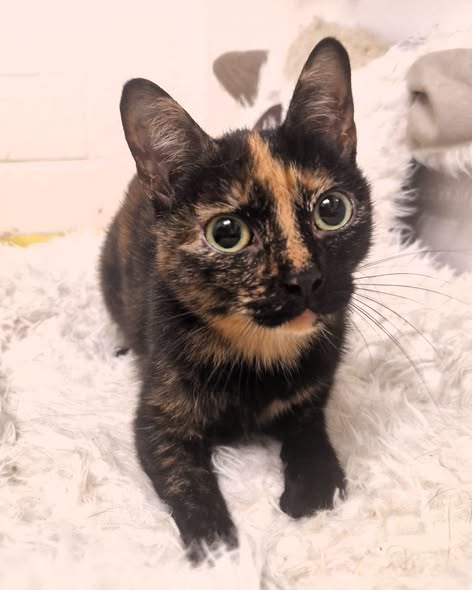
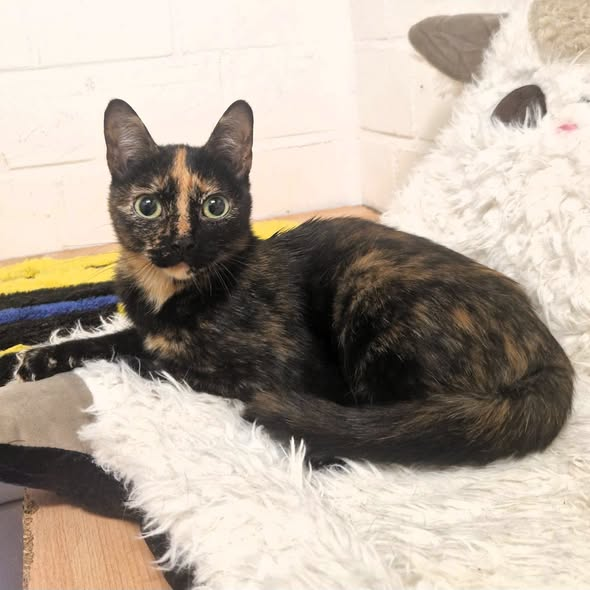
Katze in einer Transporttasche ausgesetzt
Kopie Tierheim
NEIN - das ist kein Fundtier
Geschlecht: weiblich - keine Kennzeichnung
In den frühen Morgenstunden 04.09.2026 wurde diese Katze vor unserer Tür ausgesetzt. Dies ist eine Straftat!
Wer kennt diese nette Kätzin?
Selbst bei einer Notlage sollte ein Tier nicht ausgesetzt werden.
Wir sind auch jetzt noch gesprächsbereit, sollten sich die Menschen, die das ihrer Katze angetan haben, es sich noch überlegen
+49 6103 82788
[email protected]
@DerGanesha Eher ähnlich wie beim wilden Tanz ums goldene Kalb:
📖 2. Mose 32, 19 Als Mose aber nahe zum Lager kam und das Kalb und das Tanzen sah, entbrannte sein Zorn, und er warf die Tafeln aus der Hand und zerbrach sie unten am Berge ...
@DerGanesha ✝️📖Matthäus 1, 5 Salmon zeugte Boas mit der Rahab. Boas zeugte Obed mit der Rut. Obed zeugte Isai. 6 Isai zeugte den König David. David zeugte Salomo mit der Frau des Uria.
@DerGanesha Vorsicht!🤨 Die Hure Rahab diente GOTT. Sie und ihr Haus wurde verschont. Sie hat GOTT gefürchtet und erkannt, dass die Juden Gottes auserwähltes Volk sind. Sie ist wie später Ruth, die Moabiterin, Teil des Volkes geworden und im Stammbaum Jesu, ✝️📖Matt. 1, 5.
@DerKaterX Danke für die guten Hinweise.
Auch das Veröffentlichen von Screenshots mit den Ordner- und Dateinamen könnte (je nach Inhalt) schon strafbar sein. Ich habe hier auf X sogar Anleitungen gesehen, wo geraten wird, wie man an diese Daten kommt. Das kann strafbare Anstiftung sein.
@lupoo1964 📖✝️Matt. 13, 29 Er aber sprach: Nein!, damit ihr nicht beim Zusammenlesen des Unkrauts zugleich mit ihm den Weizen ausreißt. 30 Lasst beides miteinander wachsen bis zur Ernte, und zur Zeit der Ernte will ich den Schnittern sagen: Lest zuerst das Unkraut zusammen und ...
@lupoo1964 Diese Stelle bezieht sich vermutlich auf ganz eindeutige Fälle und dient dem Schutz der Gemeinde vor "schlechten Beispielen". Auf der anderen Seite zur Abgrenzung ist folgendes Gleichnis wichtig ...
@javiernegre10 📖 2. Mose 32, 19 Als Mose aber nahe zum Lager kam und das Kalb und das Tanzen sah, entbrannte sein Zorn, und er warf die Tafeln aus der Hand und zerbrach sie unten am Berge ...
@KoscherJoel@juttafreitag6 Ich habe seit Jahren den Eindruck, dass er von bestimmten Antisemiten in Medien usw. bewusst eingeladen wird, um antisemitische Vorurteile zu bestärken.
@EvaHermanEx_ARD 📖 2. Mose 32, 19 Als Mose aber nahe zum Lager kam und das Kalb und das Tanzen sah, entbrannte sein Zorn, und er warf die Tafeln aus der Hand und zerbrach sie unten am Berge ...
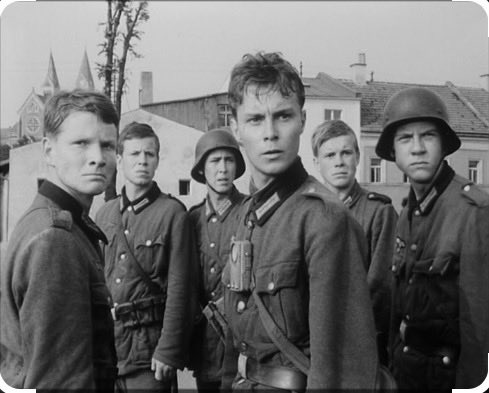
Heute Abend läuft auf 3sat „Die Brücke“, wer den Film noch nicht gesehen hat, dem sei er sehr empfohlen.
Obwohl ich beim ersten Ansehen mit 15 Jahren nicht aufhören konnte zu weinen, werde ich ihn mir noch einmal anschauen. Er ist ein großes Mahnmal gegen den Krieg.
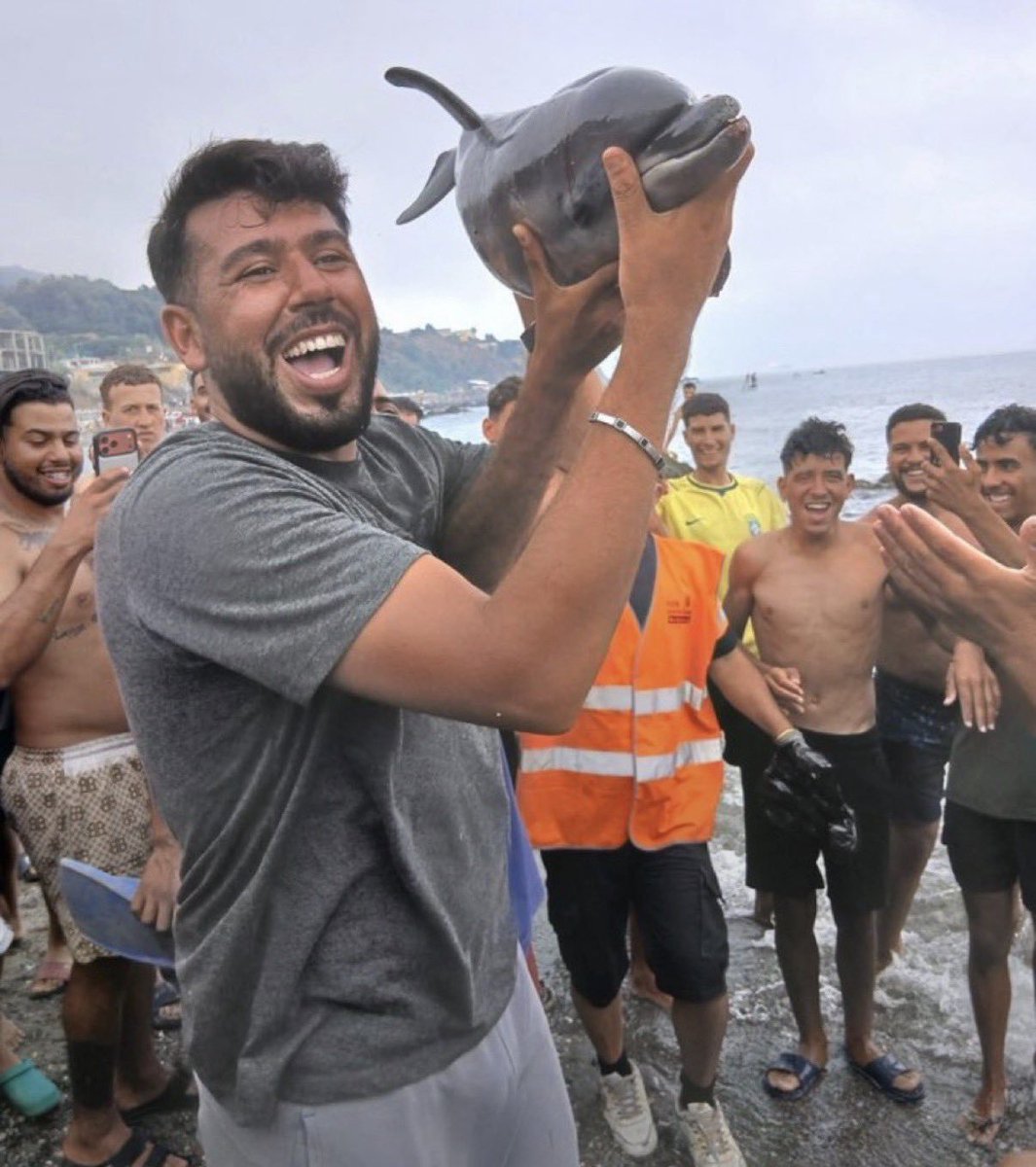
Imagine taking a baby dolphin from the sea, parading it around until it died and being happy about it.
These people are not like us, I want nothing to do with them, I don't want them near where I live, I don't want them to come to Britain.
Unless the right unite thousands will. #Ceuta #Reform
On March 30, 1822, when the massacre in Chios began, the Muslim Turks had clear orders. The Sultan had commanded that all Greek Christians be slaughtered, except for boys aged 3-12 and women from 12 to 40. These would be captured and destined for the slave markets.
Young girls were raped publicly in the streets, and newlyweds in front of their husbands, who were then slaughtered. Others were raped in front of their parents, after which the men's genitals were cut off. Women over 40 were set on fire and left to burn alive. Pregnant women had their bellies ripped open and their fetuses pulled out, while small children were thrown forcefully against rocks. The frenzy of the Muslims was unprecedented.
Many Turkish soldiers cut off the heads of Greek Christians and then licked their swords. With this act, they believed they would earn a place in paradise. Others were hanged from the island's trees for deterrence. Severed human limbs and corpses were scattered on the streets, while the sea had turned red from the blood. The smoke from the burning houses had covered all of Chios, while the flames made the night look like day.Several women from Chios preferred death over dishonor and slavery.
They committed suicide by jumping off cliffs. Some were killed while defending their children, siblings, and husbands. Even among those who were captured, some died on hunger strike.Destitute women and children from the island were crammed into ships and transported to the markets of Smyrna and Constantinople, where they were sold as slaves at humiliating prices.
By May 1, 1822, over 41.000 slave ownership documents, known as "teskerés", had been issued in Chios. According to the French-language newspaper of Smyrna, Spectateur Oriental, by May 10, duties had been paid at the Smyrna customs for 40,000 slaves. The priest Welsh from the English embassy in Constantinople recorded what he saw in those days at the city's slave market:
"The Turks treated the women from Chios with utmost contempt. They examined them, groped them like butchers do lambs, and bought them for 100 grosia to 3 pounds per head. About 500 women from Chios were sold in the fish market."
The tragic events of Chios shocked Europe and America. For many weeks, the European press reported daily information and descriptions about the fate of the inhabitants, the massacres, the plunder, and the sale of women and children in the slave markets.
Korais writes in a letter to Varvakis:
"Imagine that you see Christ on the Cross, drenched in His blood, and calling out to you these paternal words: My son Varvakis, many thousands of captives baptized in my name are in danger at this hour of renouncing me and embracing the abominable religion of Mohammed. Behold the time, baptized in my name, beloved son, to save your baptized brothers from the Turkish defilement."
The horrific images of the crimes of the Muslims against the Greek Christians were never erased from the collective memory of Europeans. Great European artists were so shocked by the descriptions that they created important works inspired by Chios.
The famous painting by Delacroix is exhibited to this day in a prominent position at the Louvre. Victor Hugo's poem titled "The Greek Child" is a moving record. But the most famous sculpture of 19th-century America also stands out, named: the "Greek Slave." The sculptor Hiram Powers began carving it about twenty years after the tragic events. The statue depicts a young woman, nude, bound with chains. In one hand, she holds a small cross on a chain.
Powers himself describes the subject of his work as follows:
"The Slave has been abducted by the Turks from one of the Greek Islands during the Greek Revolution, the history of which is known to all. Her father and mother, and perhaps all her relatives, have been exterminated by her enemies, and she alone was kept alive, as a treasure that could not be thrown away. Now she is among barbarian strangers, under the pressure of the full recollection of the catastrophic events that led her to this state. She stands exposed to the gaze of people she abhors, and awaits her fate with intense anxiety, which is mitigated by her trust in the goodness of God. Gather all these sufferings together, and add to them the strength and resignation of a Christian, and there is no room left for shame."
As a Greek, I will use my weapon, the knowledge of my history, to warn as many as I can about the violent and barbaric invasion of Islam and the war we are experiencing today.
You might wonder why I repost the same stories once in a while. Repetition is the mother of learning. The only reason I have X is to educate people about Greek history. My purpose is to keep barbarians away.
- Homer Pavlos