the value of good design to business leaders and financial decision-makers. He states, “Good design is a difficult concept to convey to those that don’t have a background in it.”
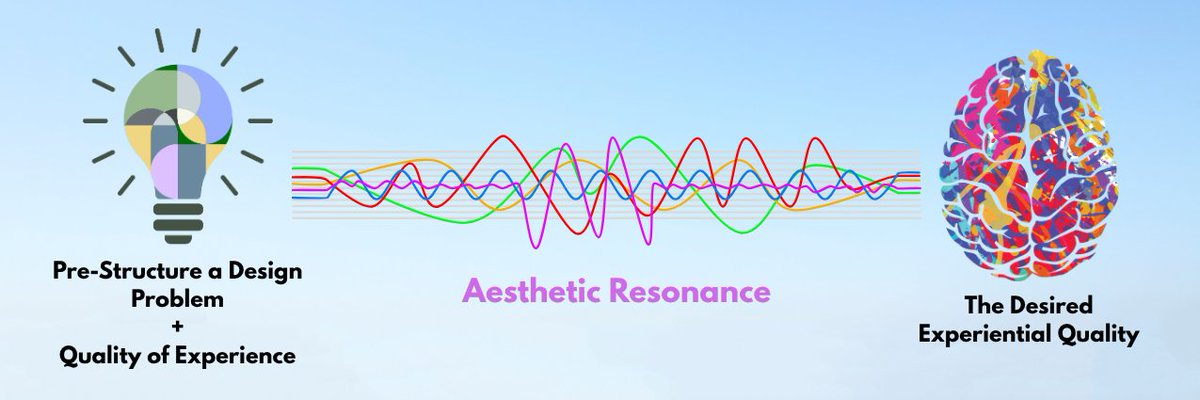
Ryan Anderson, Vice President of Research & Planning with MillerKnoll built upon this idea from the work being explored across the organization’s various brands. The potential for neuroaesthetics includes demonstrating, in measurable terms,
Laura Guido-Clark, founder of Love Good Color and Project Color Corps, brought the science to life through stories of transformation in underserved communities. Her nonprofit works with students to co-create vibrant, healing environments.
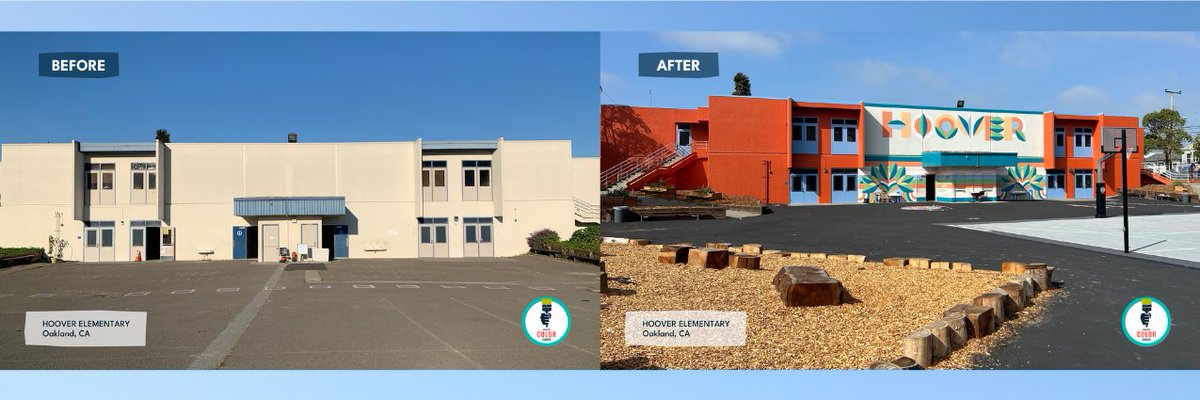
One powerful example is Hoover Elementary School, where a student mural sparked a ripple effect—a collaboration with Eat Learn Play and Kaboom which increased student enrollment and inspired neighbors to repaint their homes.
He introduced the concept of mirror neurons—brain mechanisms that allow us to empathize and “feel into” our surroundings. “Design is not just visual,” he noted. “It’s about how space makes us feel, think, and behave.”
about beauty—it’s about how a thing imposes an experience on us.” Drawing on thinkers from Plato to Edmund Burke, Curry emphasized that our experience of space is embodied, emotional, and measurable.
behaviors, and well-being. The recent BIFMA Learning Series webinar, hosted in collaboration with International Federation of Interior Designers/Architects (IFI), brought together leading voices to unpack the science and art of neuroaesthetics in the built environment.
In a world increasingly shaped by data and digital tools, the interior design profession is undergoing a profound transformation. At the heart of this evolution lies neuroaesthetics—a field that bridges neuroscience and aesthetics to explore how our environments shape our emotion
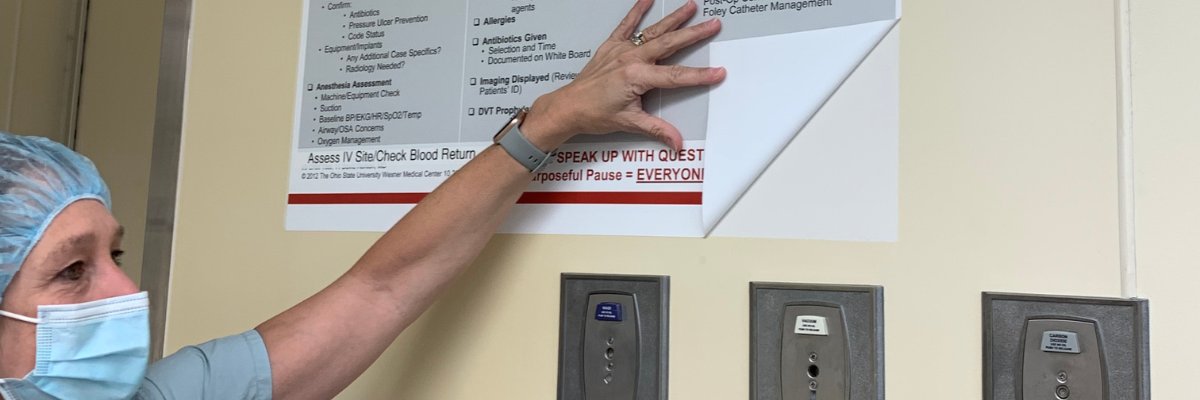
renovations, and potential health risks from microplastic release. Gabel’s team is now exploring materials with higher UVC resistance and advocating for lifecycle cost analysis over first-cost decisions.
The result? The early onset failure of finishes physically changes surfaces from non-porous to porous, which is an infection prevention issue in patient care spaces. To remove and replace these degraded finishes, healthcare facilities face costly