El @RealRacingclub lanza una plataforma de inteligencia deportiva pionera diseñada para un desarrollo integral y científico de la cantera con el objetivo de revolucionar la formación de talento en sus secciones inferiores
▪️Lo hace a través de Racing InnovAI, la división de innovación del Real Racing Club, un motor estratégico dedicado a la investigación, desarrollo e implementación de soluciones tecnológicas avanzadas en el ámbito deportivo
▪️Su objetivo principal es impulsar la profesionalización y la excelencia, aplicando la inteligencia artificial y el análisis de datos para optimizar cada faceta del desarrollo de los deportistas, siempre con un enfoque científico y basado en evidencia
▪️Dentro de este marco innovador, lanza INN360 como un ecosistema integral que redefine la gestión deportiva, ofreciendo un análisis multidisciplinario y sin precedentes de cada joven promesa. Desde el benjamín más joven hasta las categorías de formación previas al fútbol profesional, la plataforma integra y procesa de manera inteligente una vasta cantidad de datos: físicos, técnicos, nutricionales, psicológicos y médicos
▪️La plataforma INN360, desarrollada por Sebastián Ceria, director general de Racing InnovAI y máximo accionista del Racing, se estructura en torno a cinco pilares fundamentales que cubren todas las facetas del desarrollo del futbolista: metodología, preparación física, medicina, nutrición y psicología
▪️Cada uno de estos módulos está interconectado, proporcionando una visión integral del progreso del jugador. Por ejemplo, el módulo de metodología permite diseñar sesiones de entrenamiento basadas en la metodología del Real Racing Club, con más de 1.000 tareas estructuradas y un asistente de IA (INN360 Copilot) que sugiere ejercicios según los objetivos
▪️En el ámbito de la medicina, se realiza un seguimiento exhaustivo de lesiones y recuperaciones, mientras que nutrición monitoriza la ingesta y el gasto calórico. La psicología, a través de herramientas como el test CPRD, evalúa el estado mental y la motivación, aspectos cruciales para el rendimiento. Todo ello se complementa con informes detallados y paneles de análisis en tiempo real que transforman los datos en inteligencia accionable, pasando de una analítica descriptiva a una IA prescriptiva.
Difficult to overstate the shortcomings of even "modern" sports analytics relative to current AI/ML, pure math, stats, and computing capabilities.
Spatiotemporal tracking data that conceptualizes the field/pitch/court/rink as a 3-D coordinate plane and conceptualizes the players+ball as a network/graph are under a decade away from proving that many human-observed "principles" of how you're supposed to play soccer, basketball, hockey, etc. are simply laughably wrong.
i'm building an AI soccer coach to improve my shooting
using:
- roboflow RF-DETR to detect the ball / net / player
- mediapipe to record body angles when striking the ball
- python to analyze and annotate the video
i'll also try adding a VLM into the pipeline for coaching feedback
You've been watching football wrong your entire life.
This 40-minute Databricks talk on how LaLiga uses data is the proof.
The goals and assists you obsess over are the least interesting numbers on the pitch.
By fusing tracking data (every player's position, many times a second) with eventing data (every action on the ball), LaLiga measures the invisible game space created, defensive lines pulled apart, the value of a run nobody passed to.
The best player in a match is often the one who never touched the scoresheet.
Pair it with article by Roan and you are good.
Once you see the game as data, you can't unsee it.
🎯Video Analysis
“You don’t need to give them more evidence than 1 clip, they believe you”
📱 Send it to their phone let them watch in their own time.
Brilliant from Austin MacPhee.
Adapted my tennis AI pipeline for pickleball 🎾
-Audio based shot detection
-Top down court visualization
-Shot attribution
-Ball + player + pose tracking (RF-DETR + ViTPose)
there's no catch; SAM3 is open source and really good
one of the things it does really well is object tracking, even in crazy complex scenes like basketball
probably my favorite computer vision model ever
Is the obsession with overloads hurting our players?
I spent time this weekend taking a look through all the 'Counter Attack' clips in the Premier League this season. The results were interesting - the attacking team rarely actually has a numerical advantage in transition.
This is a good visual. The concentration of fouls - across the league - inside the six-yard-box is yet more evidence of how blocking the goalkeeper is the tactic of the season.
With most tactics you can respond with innovations of your own. Much harder here, however…
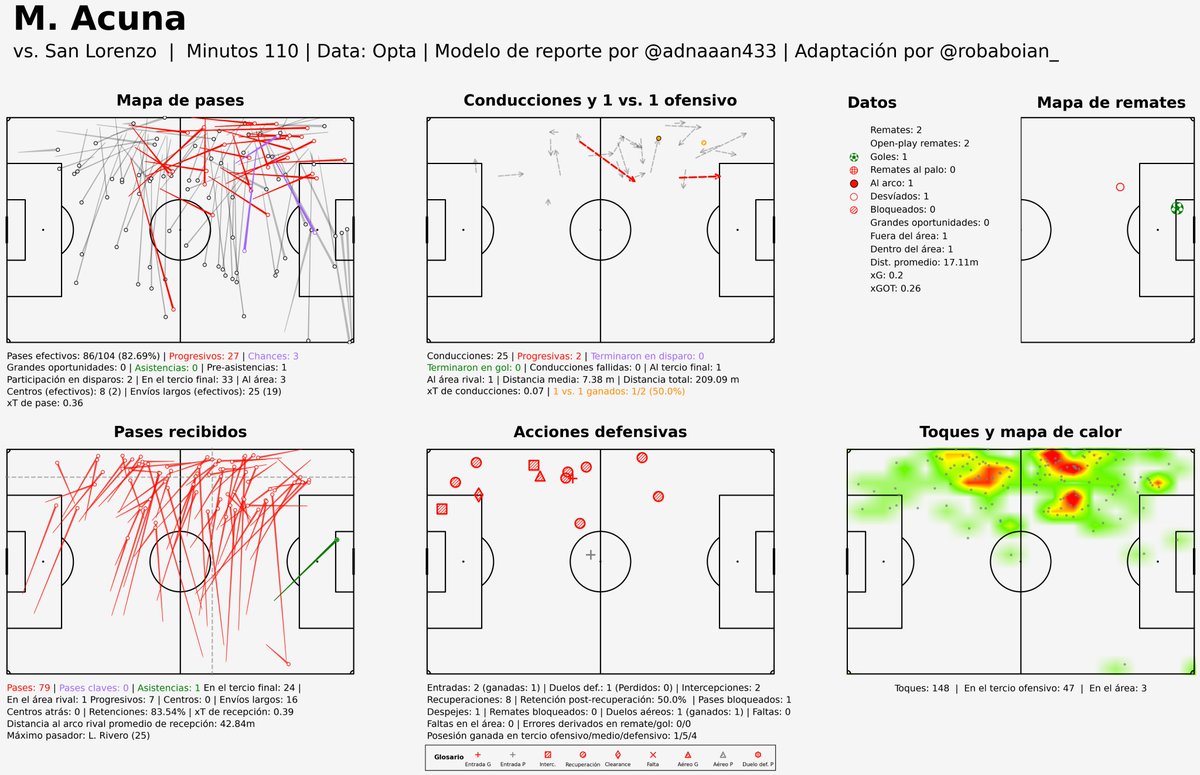
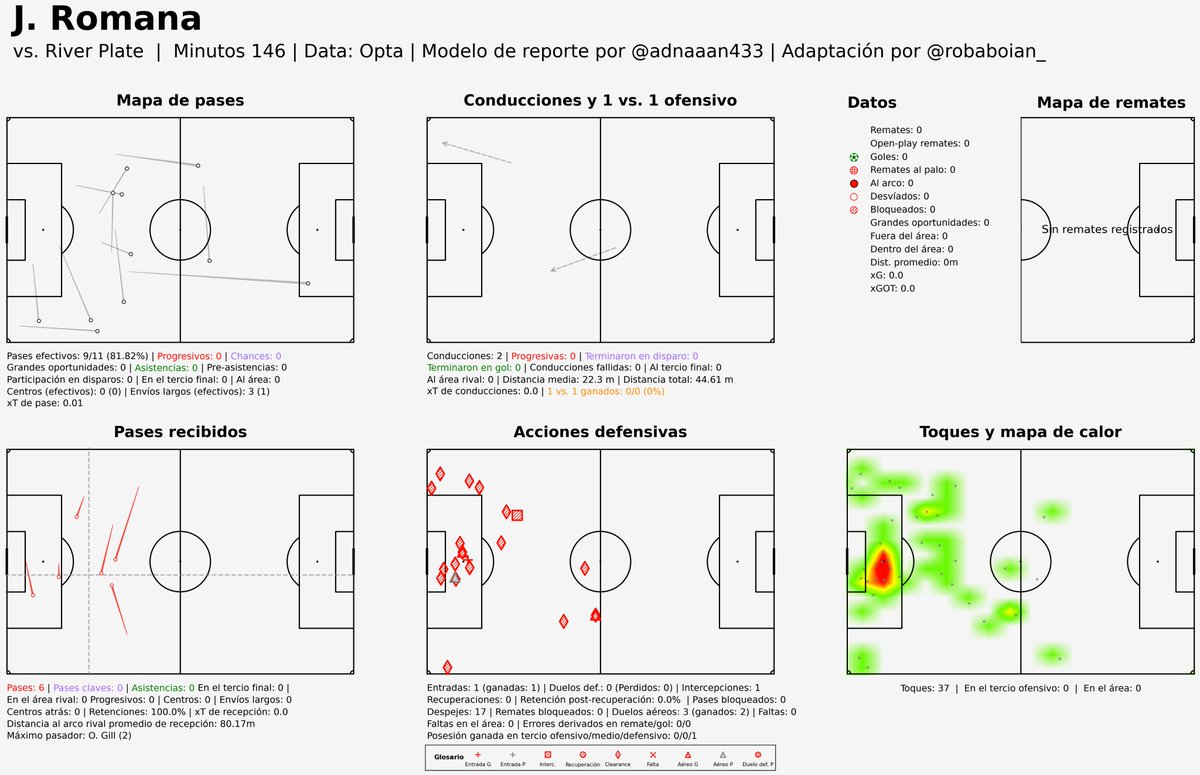
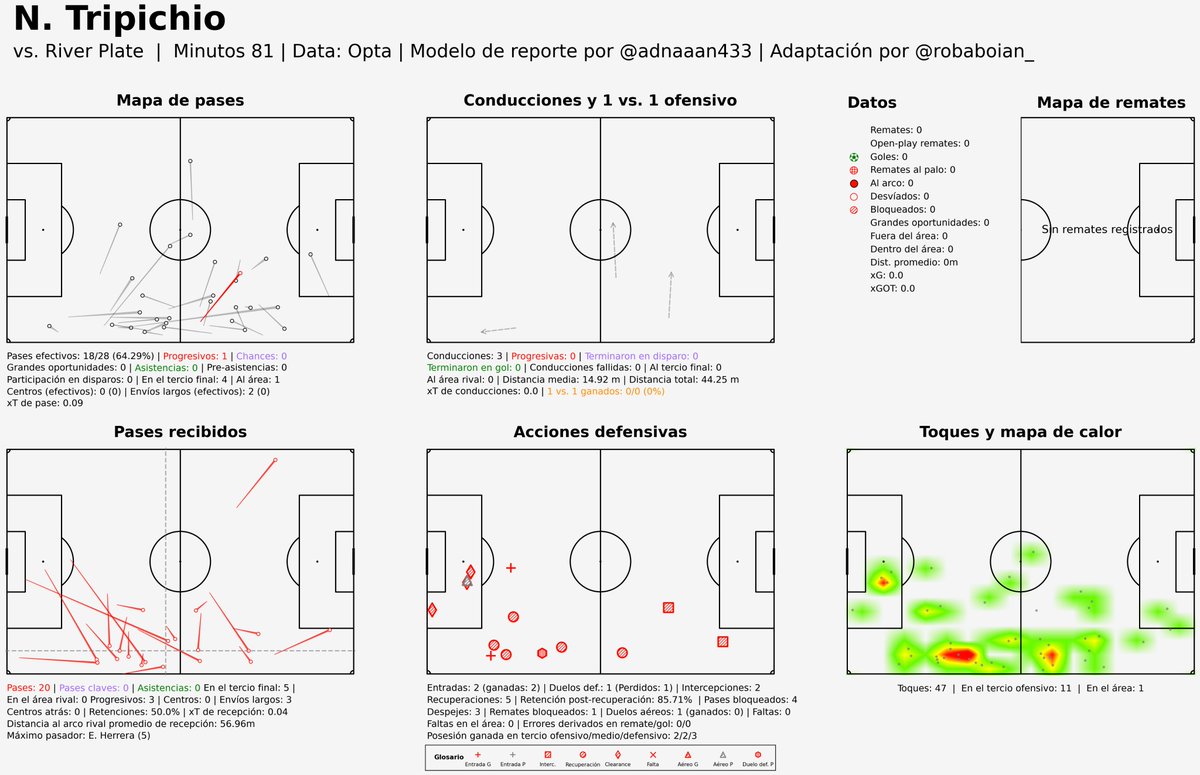
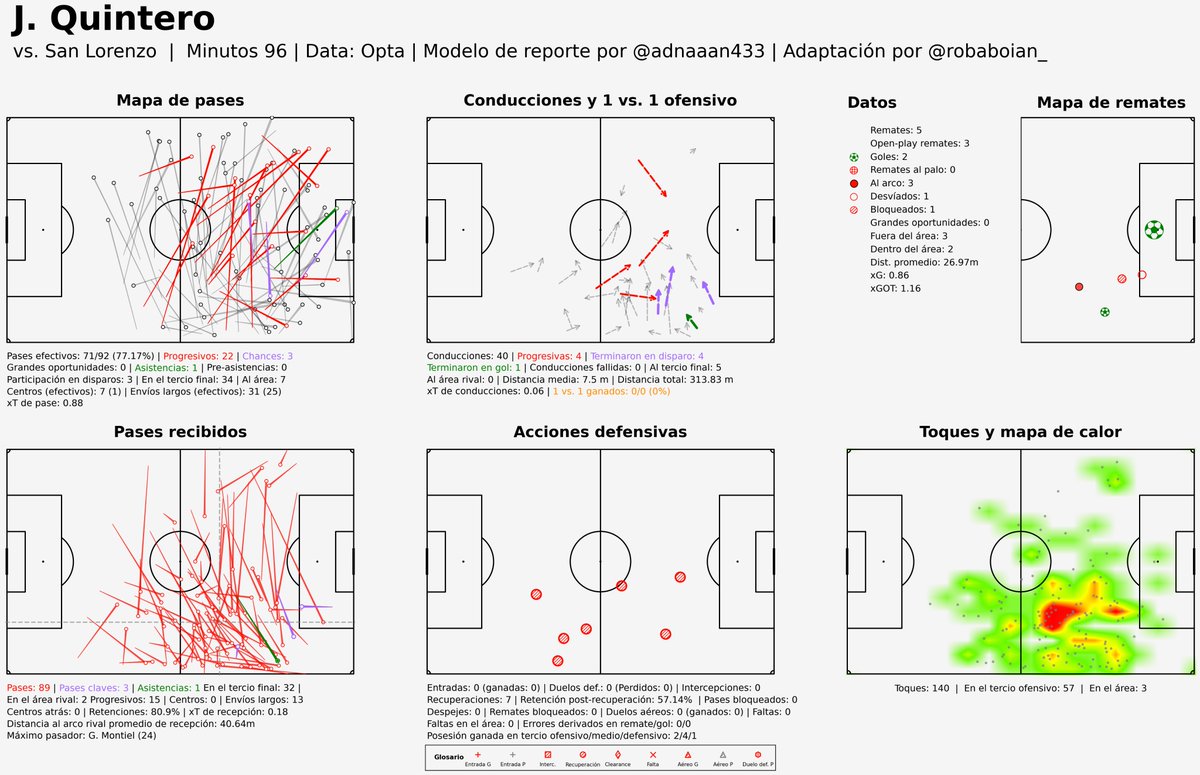
Ya está disponible la versión 1.1!
Ahora con el código adaptado sobre la base del de @adnaaan433, se pueden generar reportes individuales de las acciones del jugador en el partido elegido usando datos de Scoresway y 365Scores.
https://t.co/fLo7LhbuOF
Dejo algunos ejemplos. En el comentario vuelvo a dejar un video explicativo.
Introducing expected Pose xP! 🧵
For decades, we’ve tracked where the ball goes. At @AkashicLabsLTD , we’re tracking the athlete who put it there.
Introducing Expected Pose (xP): The first 3D biomechanical framework designed to decode the 'Strike Signature.'
Big update: datafc v2.0.0 is live. 18 new functions, 32 in total. Sync & async. Cached. No browser needed. If you work with #football data in #Python, this one's for you.
pip install --upgrade datafc
🔗 https://t.co/krDGaIJxms
🔗 https://t.co/FX4OM5P5WL
At the start of the 2025/26 season, @WestHam adopted Gradient Sports Player Grades to support their decision-making.
We sat down with Head of Technical Analysis & Recruitment, Maximilian Hahn, to hear how Gradient Player Grades have become part of the process at West Ham.
here's a thread of all kinds of football viz that i have come across (so far!). some of these were experiments by people starting out, some are from the big boys, some are from people on here, some of these are brilliant, and some are okay, but think about what you like, dislike and learn (or don't learn!) from each one, and you'll start to appreciate more how data can be beautiful
Se llama FreeMoCap y es un sistema de captura de movimiento (mocap) 3D "markerless", es decir, no requiere trajes especiales ni marcadores físicos adheridos al cuerpo.
Open source y gratuito para investigadores, animadores, atletas y creadores de todo el mundo.
Curious about what a AI actually "sees" when it watches sport?
-Player skeletons
-Ball trails
-Court geometry
All reconstructed from data points alone!
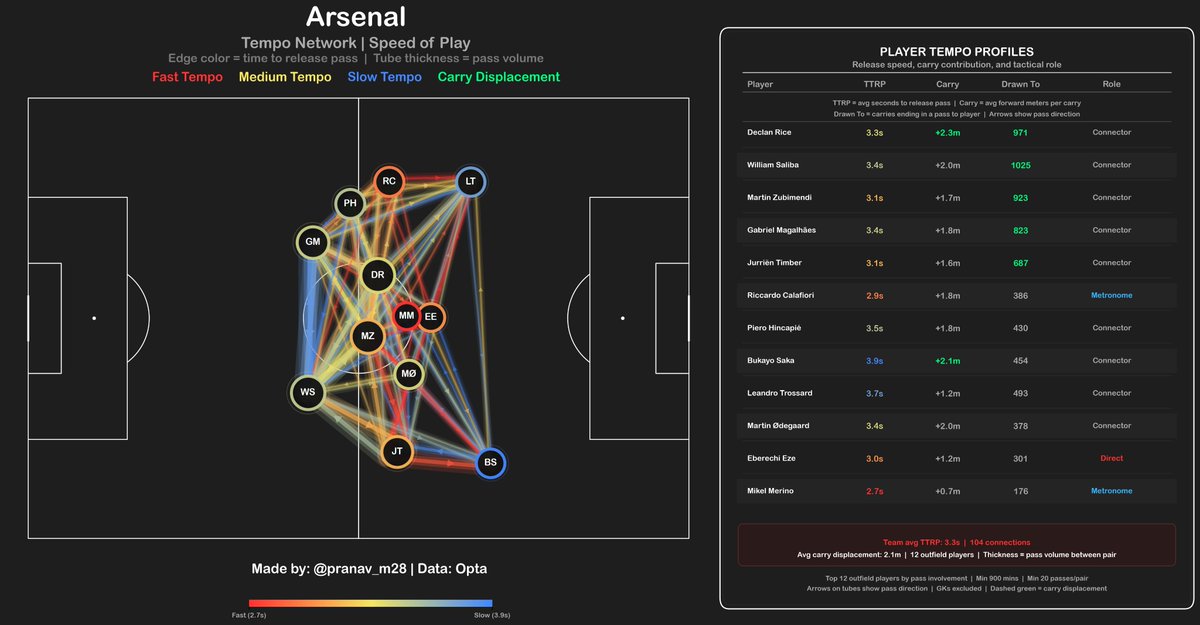
🔴Introducing Build-Up Tempo Networks
Bored of same old passing networks? Have a look at Team Tempo Networks to understand a team's build-up speed and tendencies across the pitch.
With this, we try to visualise the flow of the ball within a team's setup while also adding the speed of circulation into context.
Features:
-You can analyse which player passes at what speed in which direction (or to which teammate). Arrows on the tubes show direction.
-The table consists of a gold mine of information. The 'Drawn To' column shows the teams tendency to move the ball towards that teammate. It shows the number of times a player carries and then passes to the specific player.
-Roles attempt to categorize players with respect to their tendencies. Recyclers, connectors, direct players.
-TTRP shows the average time a player spends on the ball before releasing it.
A work in progress. I am trying to expand on the idea of Player Synergies and Tempo Control to come up with the best way of quantifying and visualising it. Feedback and suggestions appreciated.