In 2018, 16-year-old Kyle Plush got trapped inside his family’s minivan in the parking lot of his school in Cincinnati.
The rear seat had folded backward, pinning him upside down and crushing his chest.
Kyle used Siri to call 911 twice.
He told the operator he was trapped inside a gold Honda Odyssey, said he was in desperate need of help, and warned: “I’m going to die here.”
Police were sent to the school, but they did not find the van. During his second call, Kyle said: “Tell my mom that I love her if I die.”
Hours later, after he never came home, his father tracked his phone to the school parking lot.
He found Kyle trapped inside the van. The cause of death was ruled asphyxia from chest compression.
July 26, 2020. A beach near Collingwood, Ontario.
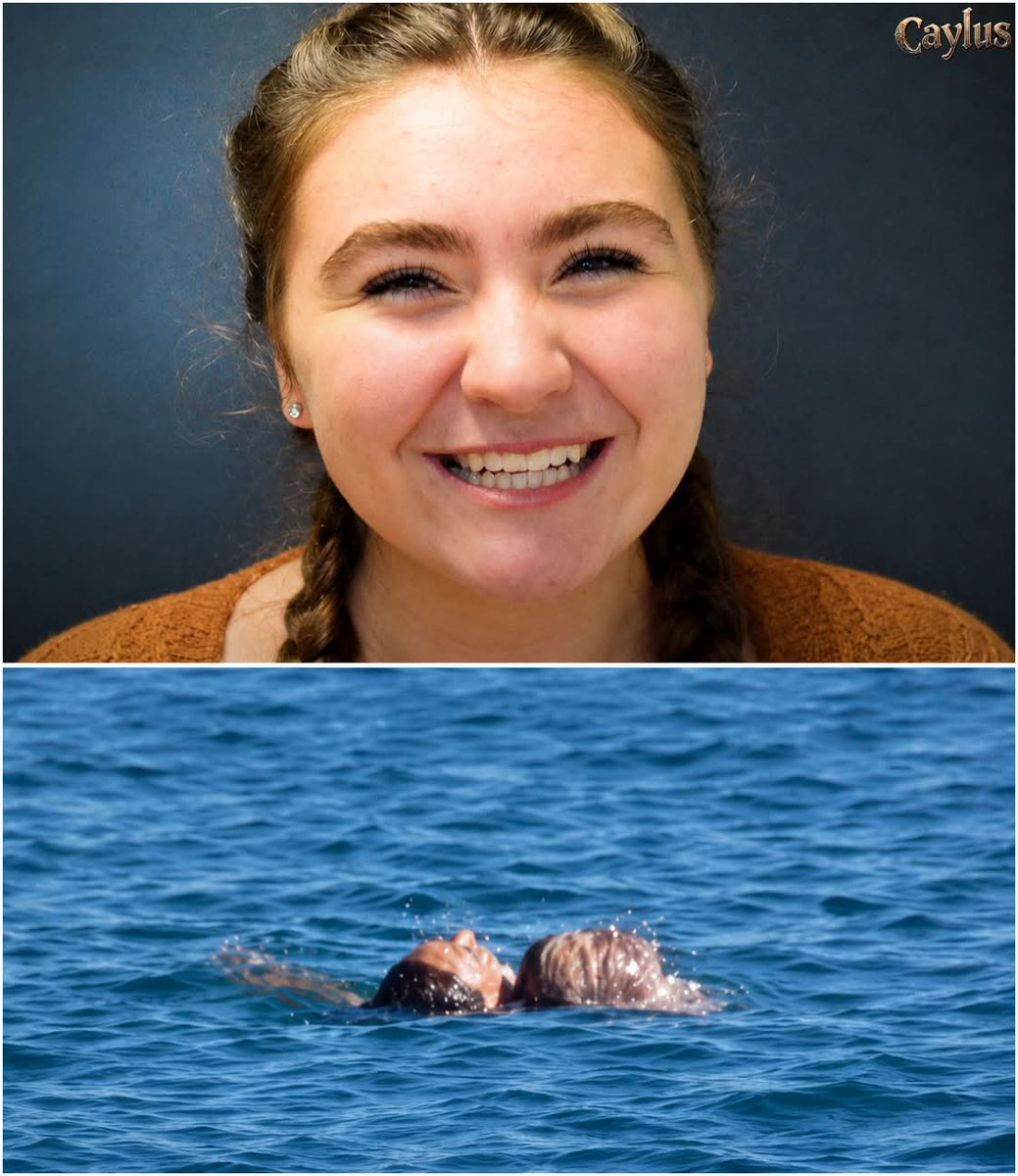
Sixteen-year-old Jamey Ruth Klassen was supposed to be enjoying a quiet family vacation beside the icy blue waters of Georgian Bay.
Farther out on the lake, a man named Christopher Robertson had taken his kayak out alone for a peaceful paddle. Then the kayak filled with water and flipped.
Suddenly, he was stranded in the freezing bay, clinging desperately to the overturned hull while shouting for help.
Jamey didn’t hear him directly.
What she heard instead were strangers nearby calling 911, panicking about a kayaker who had disappeared beneath the surface and wasn’t coming back up.
Most teenagers would’ve stayed on shore.
The water was brutally cold. The distance looked impossible. Lifeguards and paramedics were already being called. Waiting would’ve been understandable.
Jamey never waited.
She ran toward the water and dove in.
Alone, she swam nearly 600 feet through Georgian Bay — the distance of two football fields — pushing herself farther and farther from shore toward the empty kayak floating in the distance.
By the time she reached it, Christopher Robertson was gone.
Then Jamey looked down.
Through the clear Canadian water, she could see him lying motionless twelve feet below on the lake floor.
She took one breath.
And dove.
The cold tightened around her body instantly as she reached the bottom. She grabbed Robertson beneath both arms and forced herself upward, dragging his unconscious body back toward the surface.
He wasn’t breathing.
His body hung limp in the water.
Jamey refused to let go.
She turned him onto his back, balanced his head against her shoulder, wrapped one arm across his chest, and began swimming him toward shore using only one arm and her legs.
Every second became harder.
Her muscles burned violently. Her lungs screamed. She had no formal lifeguard certification because the pandemic had canceled the courses she planned to take that summer.
Still, she kept kicking.
Then fear hit her.
Jamey realized she might drown beside him before reaching shore.
Exhausted and losing strength, she used the last thing she still had left:
Her voice.
She screamed for help.
A nearby paddleboarder heard her cries and rushed across the water. Together, they lifted Robertson onto the board while Jamey, shivering and exhausted, swam the remaining distance alone.
Onshore, police officers and paramedics immediately began CPR.
Moments later, Christopher Robertson started breathing again.
He survived.
Nearly a year later, Jamey Ruth Klassen received the Carnegie Medal — North America’s highest civilian honor for heroism. Out of millions of people, only eighteen recipients were chosen that year.
But Jamey barely spoke about herself afterward.
Instead, she used the scholarship money from the award to attend nursing school at McMaster University, quietly continuing the same instinct that had driven her into the freezing water that day:
If someone needs help, you go.
No hesitation.
No spotlight.
No waiting for someone braver.
Just a sixteen-year-old girl who saw a stranger drowning… and decided his life mattered more than her fear.
Menino dá FECHO em mulher que disse que seus dois pais gays eram um mal exemplo para ele:
“Vou te mostrar o mal exemplo: geladeira cheia, muita comida e uma casa.”
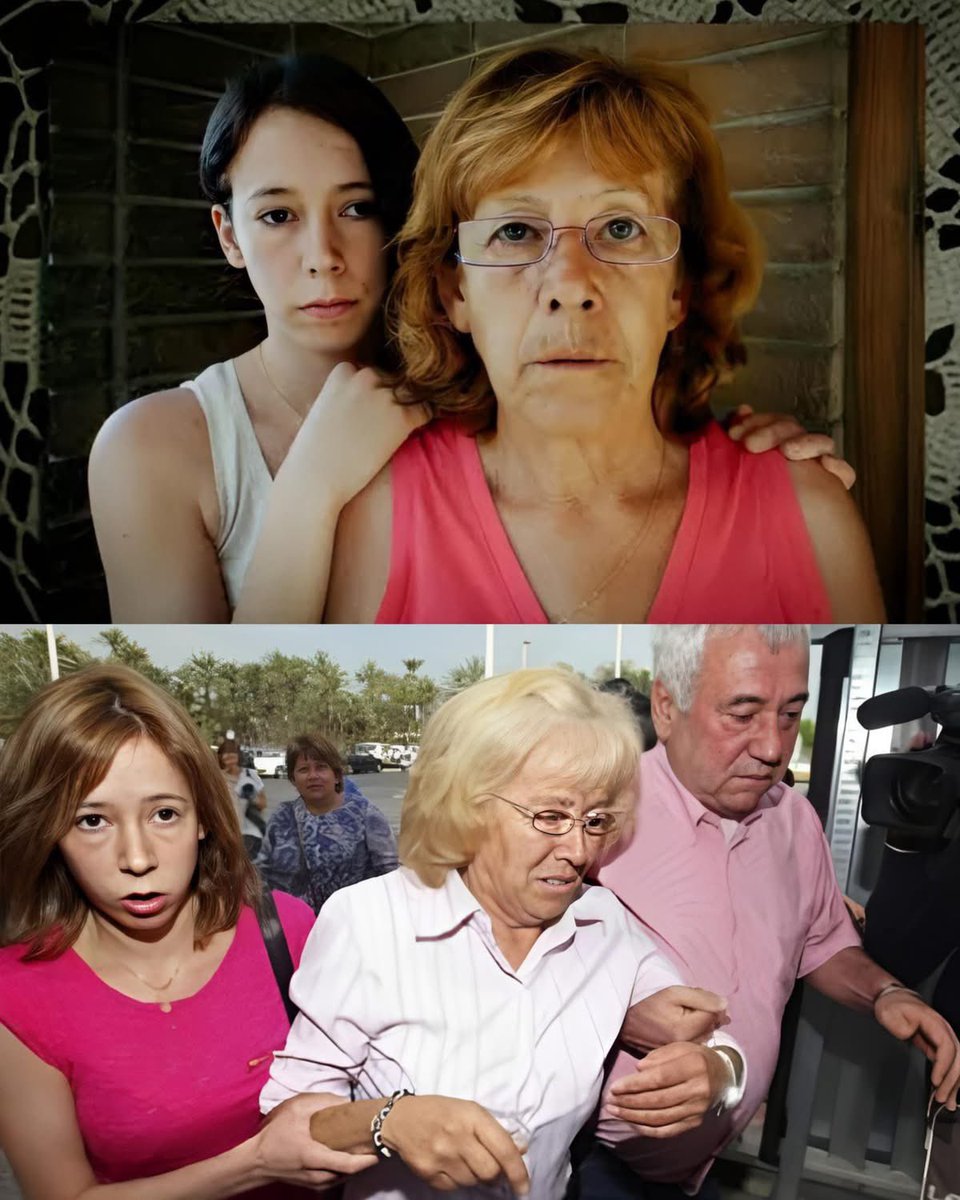
In 1998, a 13-year-old girl was abducted and raped at knifepoint in Alicante, Spain. The rapist, 63-year old Antonio Cosme, was sentenced to 9 years in jail.
7 years later, in 2005, the victim's mother, María del Carmen García, was waiting at a bus stop when she saw a man approaching.
"How's your daughter doing?" the man asked with a smirk on his face.
It was her daughter's rapist.
Antonio was out on day release.
Enraged by what had just happened, Maria ran to the nearest store, purchased 1.5 litres of gasoline, and walked into the bar that Antonio had just entered.
She doused him head-to-toe with gasoline, lit him up, and stood back and calmly watched as her daughter's rapist burned alive in front of her eyes.
Maria was sentenced to 9.5 years in jail for her act of revenge, but was released in 2018 after serving 5.5 years.
Today, she lives freely in Spain after being reunited with her daughter.