Working in public health and helping design programs to improve breast cancer screening took on a deeply personal meaning when my sister was diagnosed last year. It’s a reminder that the work we do truly impacts lives, including those closest to us.
https://t.co/qFzh4MHLN8
One of my staff reminded me how important it is to take a break, and they were right. Rest can take many forms, and you definitely don’t want it to be due to a hospital stay. This weekend, my wife and I are in Atlanta, volunteering to help set up a confe… https://t.co/6YJafGTsom
Yesterday during mass, I was reminded that true inclusion goes beyond just making people feel included; it's about ensuring they truly are included. This resonates deeply with the difference between transactional service and a strategic approach that pro… https://t.co/lZWietbdxP
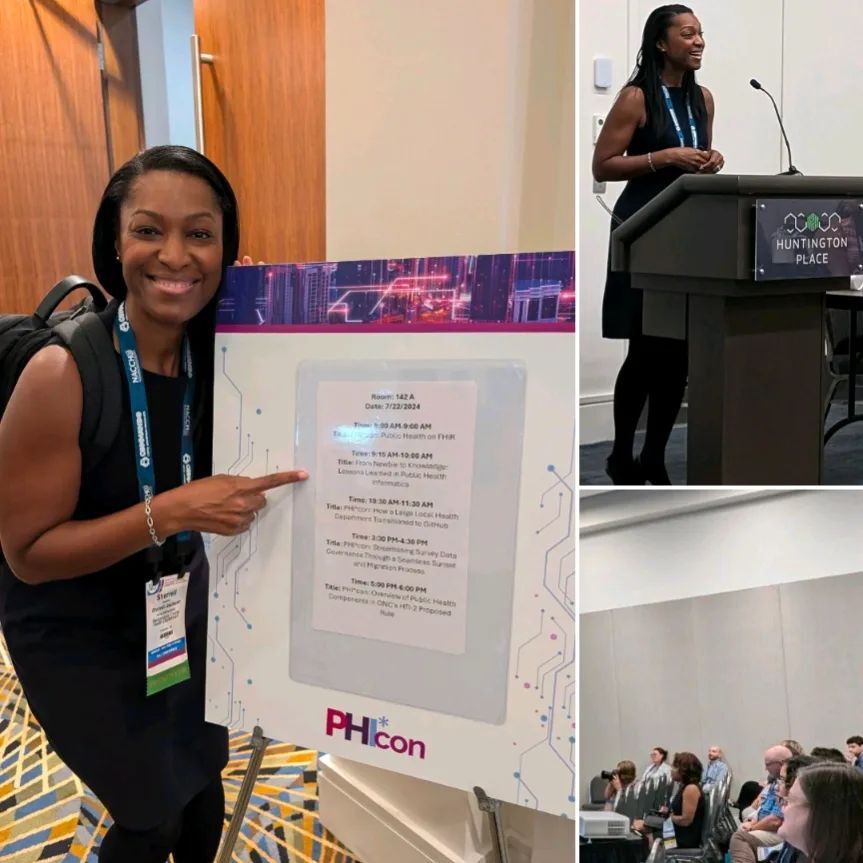
Sherrell Jackson delivered an exceptional presentation that exemplified Mecklenburg Public Health's informatics principles. Her preparation and anticipation of potential issues throughout the presentation shone through. She addressed questions gracefully… https://t.co/LwkWvUNZrU
Up early for an early morning flight to a conference! 🤩 Extra excited because three of my awesome staff members are presenting! Can't wait to hear them rock it! �� #conferencebound #na360 https://t.co/w27mqWOiZ9
#PHIG day 1: Data modernization is not about technology. It is about the people, systems, culture, and acknowledging the small steps that we take now will bring us closer to a collective goal of better health outcomes for our communities. #DataSavesLives
What needs to change is that thinking. Leaders should view change not as an occasional disruptor but as the very essence of the management job.
https://t.co/sENKAi3fcH
If you sit in back-to-back meetings at work, read this:
Microsoft's Human Factors Lab studied 14 participants across two days of video meetings.
• Day 1: 4 back-to-back 30-min meetings.
• Day 2: 4 30-min meetings with 10-minute breaks in between.
Participants wore EEG caps to monitor electrical activity in their brains.
The results were fascinating...
The two key takeaways:
Takeaway 1: Back-to-Back Meetings Promote Stress
Back-to-back meetings created an accumulating buildup of stress in the brain.
Anticipation of transitions caused further spikes.
Short breaks in between meetings allowed the brain to reset and never experience the stress buildup.
Takeaway 2: Breaks Promote Performance
Back-to-back meetings resulted in negative levels of frontal alpha symmetry, a brain state connected to lower levels of engagement.
Short breaks in between meetings resulted in positive levels, meaning participants performed better.
Conclusion: Take More Breaks
The conclusion of the study seems to be that short breaks in between meetings are necessary:
• Eliminate stress buildup
• Improve performance
• Reduce impact of attention residue
I started implementing 25-minute meetings into my schedule (a built in 5-minute break) and immediately noticed a positive impact.
A short walk or some movement in that window provided a clear reset.
25-minute meetings also eliminate the 5 minutes of “how about the weather” low value chit chat most meetings open with.
If you set the tone to dive in and stay focused, there are few things that take more than 25 minutes.
Try it!
If you enjoyed this or learned something, follow me @SahilBloom for more in the future.
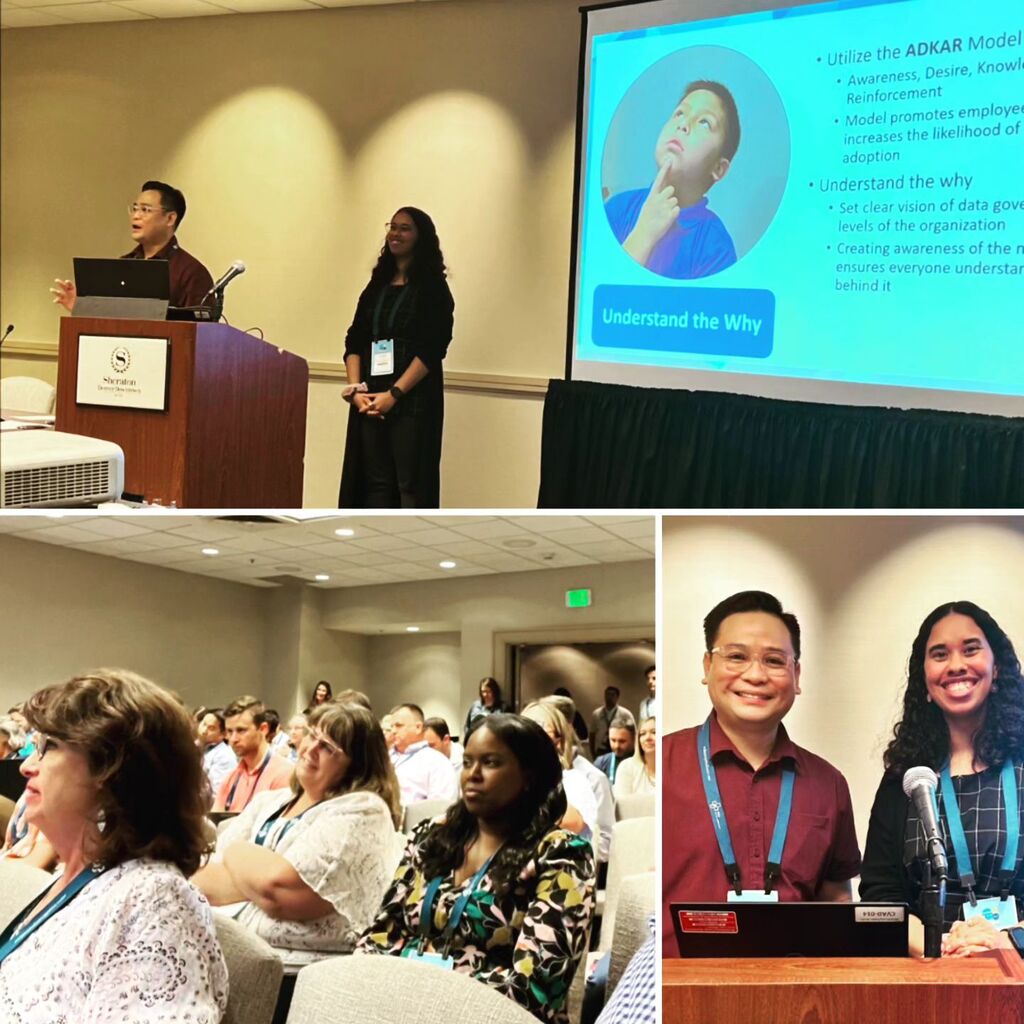
It's a great feeling to have presented at a national forum, in a packed room, and have your work referred to in a plenary session the following day. Not to mention having your kid be in your slide for posterity. #NA360 https://t.co/dE3OiLFkmM
It was great sharing Mecklenberg County Public Health’s Data Governance Journey at NACCHO 360 #NA360 Let’s continue the conversation as we improve and modernize public health data infrastructure. Thank you Lauren Cook for sharing the stage and getting ou… https://t.co/IVU8vwiZT4