A Gulf oil spill scenario: Why the Persian Gulf could face severe consequences
A major oil spill in the Persian Gulf could have far more severe environmental and economic consequences than many other regions.
Several structural characteristics of the Gulf make it particularly vulnerable.
1. A shallow sea amplifies the impact
The Persian Gulf is a very shallow body of water, with an average depth of roughly 35 meters.
This has two major implications:
- Oil spreads quickly across the surface.
- Natural dilution is limited compared to deeper oceans.
As a result, spilled oil can persist longer and reach coastlines faster.
Simulation studies suggest that in many scenarios oil could reach nearby coasts within 3–7 days.
2. Limited water circulation
Unlike open oceans, the Gulf has restricted water exchange with the Indian Ocean through the Strait of Hormuz.
This slow circulation means that pollutants may remain in the region for extended periods.
In other words, contamination could linger for months or even years.
3. High concentration of energy infrastructure
The Persian Gulf contains one of the highest densities of oil infrastructure in the world:
- export terminals
- storage facilities
- offshore platforms
- tanker traffic routes
While tanker attacks often dominate the discussion, a more severe risk could come from attacks on storage depots or export terminals.
Large facilities can store tens of millions of barrels of oil, meaning that damage to such infrastructure could trigger spills on a scale comparable to major historical disasters.
4. Fire and secondary environmental risks
If oil depots or tankers ignite, several cascading effects may occur:
- large-scale air pollution
-ncoastal contamination
- disruption of desalination plants
- potential damage to nearby port infrastructure
Because many Gulf states rely heavily on desalination for freshwater, oil contamination near intake systems could also affect water security.
5. Shipping disruption
Even without physical blockage, the perceived risk alone could disrupt shipping.
Insurance companies and tanker operators may suspend transit through high-risk zones.
This could significantly reduce traffic through the Strait of Hormuz, one of the world’s most critical energy chokepoints.
Source: UNESCO, IMO, EIA, CSIS
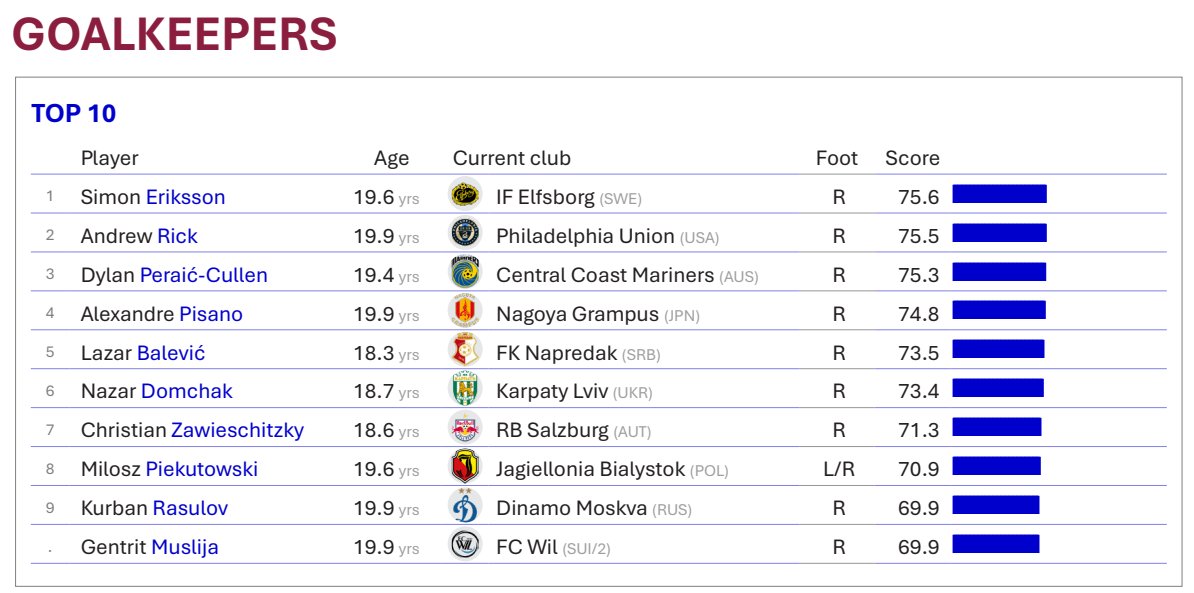
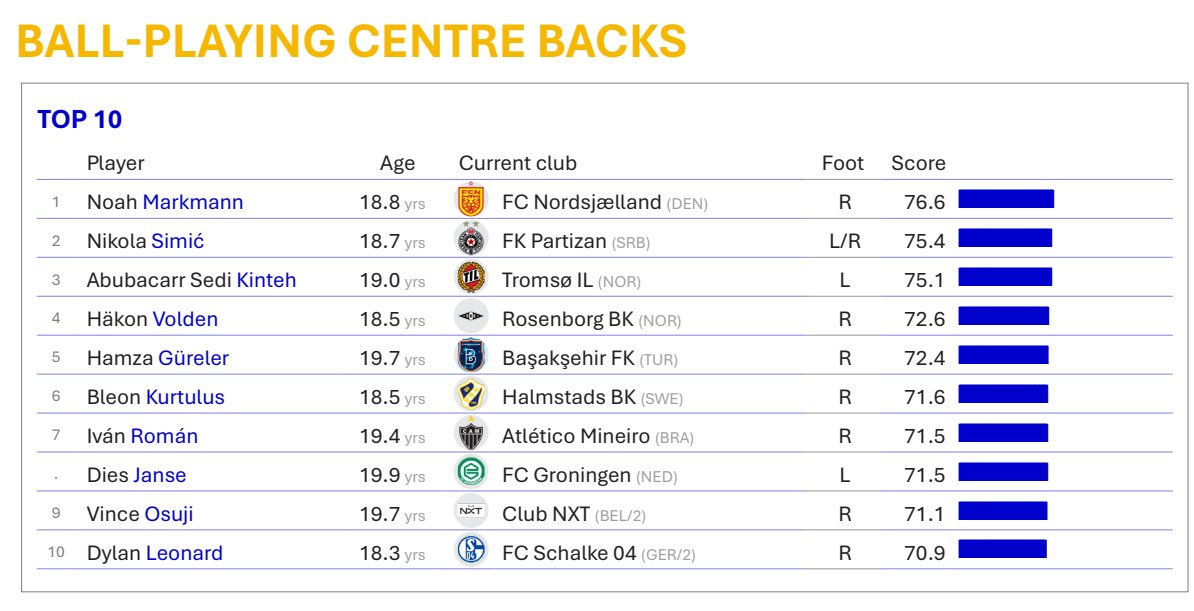
CIES analytics: Future superstars in the making
Fantastic data-driven scouting, free of charge!!!
Sharing CIES analysis on youth football and the economics of talent development. These rankings are an important resource for understanding football economics, club investment strategies, and modern player valuation.
The accompanying @CIES_Football book explains in detail how these scores are constructed, which performance metrics are used, and how long-term player potential is assessed.
Some of the names on these lists may well include the next Messi, Ronaldo, or a future Neuer/Kahn-level goalkeeper.
Below are the key emerging talent categories by playing profile.
The details are in the tables.
Categories
Goalkeepers
Centre Backs
Ball-Fighting Centre Backs
Well-Rounded Centre Backs
Ball-Playing Centre Backs
@eyupyildiz Yok, göremiyorsan bir şey diyemeyeceğim
Paslaşma planlaması yok, takım düzgün yerleşmiyor ve akamıyor. Dayan gitsin, denk gelirse
Bu işlerden anlayan bir profesyonel getirsinler bari, sadece bu kurgulara çalışsın
Sürekli övmek işe yaramaz en azından yapıcı eleştiriler yapın
@evrentrhn Bence bunlar kişiye bağlı çözümler ve sürdürülebilir değildir. Kurumsallaşmaya dayalı modern yaklaşımlar daha önemli. Futbolcularda profesyonel insanlar, artık bebek gibi pışpışlanmayı da beklemesinler