I'd like to speak to LPs and allocators interested in Texas, Florida and Georgia.
We're active, have a track record and would love to meet you.
DMs open.
While warehouse development can bring economic benefits, such as job creation and increased tax revenue, it often clashes with the concerns of communities and local governments.
Rising insurance costs are driving asset owners to invest in resilience measures to mitigate risk. In Louisiana, they're even offering discounts for fortified roofs to make the state safer. Investing in resilience is the trend for 2024!
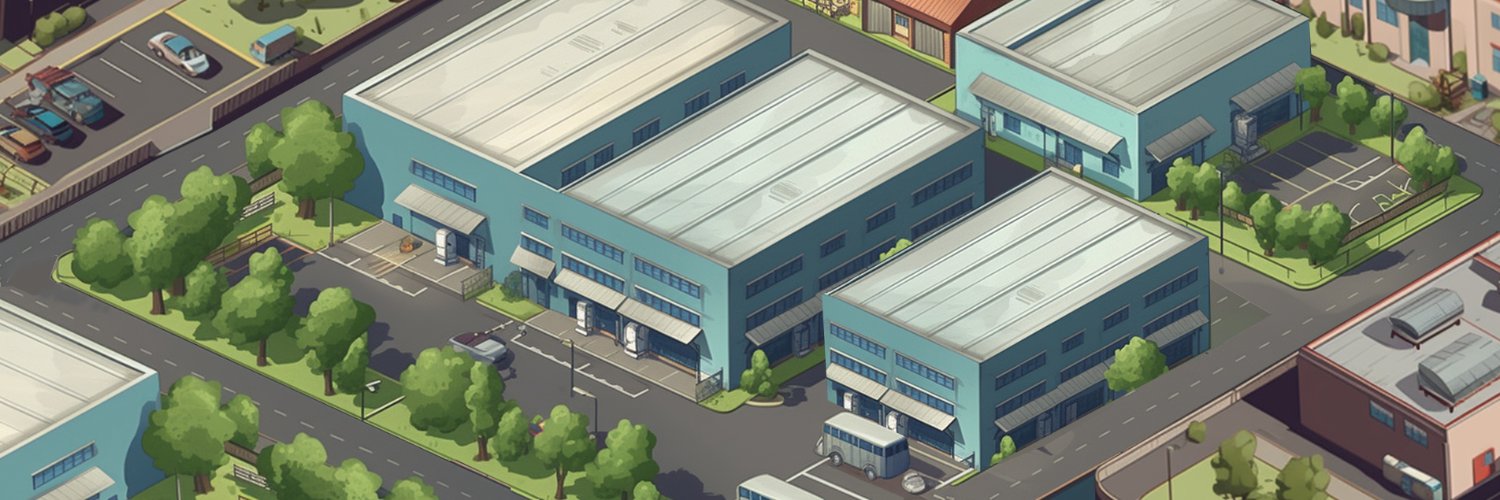
Small bay industrial assets offer investors an enticing combination of short lease terms, higher yields, tenant diversification, and resilience in infill locations.
Despite the persistent lack of supply, investing in small bay industrial assets presents a compelling opportunity in the ever-changing world of real estate investment.
With evolving demand dynamics driven by e-commerce, technological advancements, and manufacturing trends, the appeal of these properties continues to grow.
In the end, remember: Forecasts may tell you about the forecaster, but the future itself remains a delightful mystery.
Wishing you success in 2024 and a curious eye towards all those 2024 predictions.
4/ 🛤️ So, as we journey into the enigmatic future, let's cherish the surprises and the lessons we learn along the way. The future is an adventure, and its unpredictability is what makes life's story worth reading.
3/ 🌊 This realization encourages us to embrace uncertainty and adaptability. Rather than relying solely on forecasts, we navigate the unknown with curiosity and resilience. Life's most beautiful moments often come when we relinquish the urge to predict and control.
2/ 🌟 As we ponder this, we confront the fallibility of predictions and the capricious nature of life. It's a gentle nudge to greet forecasts with skepticism and an open mind. After all, the future is a mysterious puzzle often eluding our foresight.
1/ 💭 The quote reminds us that forecasts aren't crystal balls into the future; they're more like mirrors reflecting the forecaster's perspectives, biases, and expertise. In essence, they reveal the forecaster more than they unveil the future itself.
🧵 Thread: Embracing the Enigma of the Future 🚀
Warren Buffett once said, "Forecasts may tell you a great deal about the forecaster; they tell you nothing about the future." Let's unravel the wisdom in this quote and explore its implications.
Brace yourself. Returns are coming.
Now that we've gone through the busiest shopping season of the year we can expect a considerable portion of goods to be returned.
It's a segment of the supply chain called "reverse logistics" and is essentially the processes involved when a customer returns an item.
As e-commerce rises, so does reverse logistics, with a recent article in the WSJ suggesting it's becoming a "trillion dollar problem".
Here are a few noteworthy points from the article:
✅ Americans are estimated to buy more than $5 trillion of goods this year
✅ Shoppers returned 16.5% of items they purchased last year, valued at nearly $817 billion and double the percentage of goods returned in 2019
✅It costs merchants about $27 to handle a return for a $100 online order
Here are one of the potential outcomes when an item is returned:
🛒 Item is re-shelved and re-sold (re-manufactured if needed)
🛒 Item sold at liquidation or discount centers
🛒Item is donated
🛒 Item thrown in the garbage
Reverse logistics is becoming a massive industry in itself and requires a considerable amount of warehouse space to accommodate.
In the last 15 years, the tenant base for small bay industrial spaces has evolved significantly. 3 new industry sectors have emerged, each contributing around 15% to the demand. These sectors include:
E-commerce, tech innov., & advanced manufacturing.
Small bay industrial properties located in infill areas, offer solid protection. Urban residential developers are eyeing them – making them versatile assets.