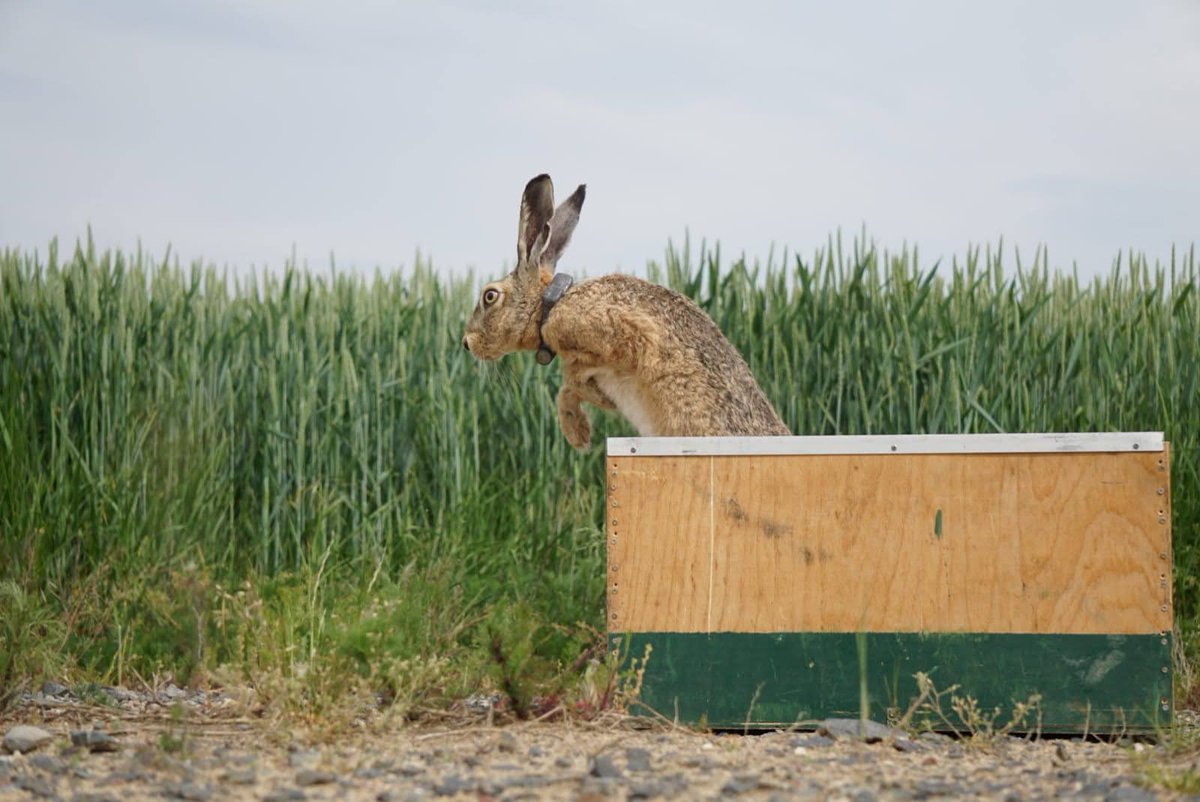
Check out our new paper, where we found that mammals show faster recovery from capture and tagging in human-disturbed landscapes | Nature Communications
https://t.co/IDir4ZtnkE
#animaltracking#movementecology#humanfootprint
Abstract submission for the BioMove Symposium ends in just a few days! 📅
Secure your spot and submit your abstract by Jan 19.
https://t.co/mEUBfxRMLR#BioMove2024 #BioMoveSymposium2024
Registration is now open for the BioMove Symposium! Secure your spot, and the abstract submission deadline is Jan 19 🌟
https://t.co/s5LPoDzyo7 #BioMove2024#BioMoveSymposium2024.
🌟 Exciting updates from the 2nd International BioMove Symposium! 🎉
Keynote speakers are now live, and abstract submissions are open. 🐾🦇🦌
Explore & submit your abstract at: https://t.co/s5LPoDzyo7 🦋
#BioMove2024#BioMoveSymposium2024
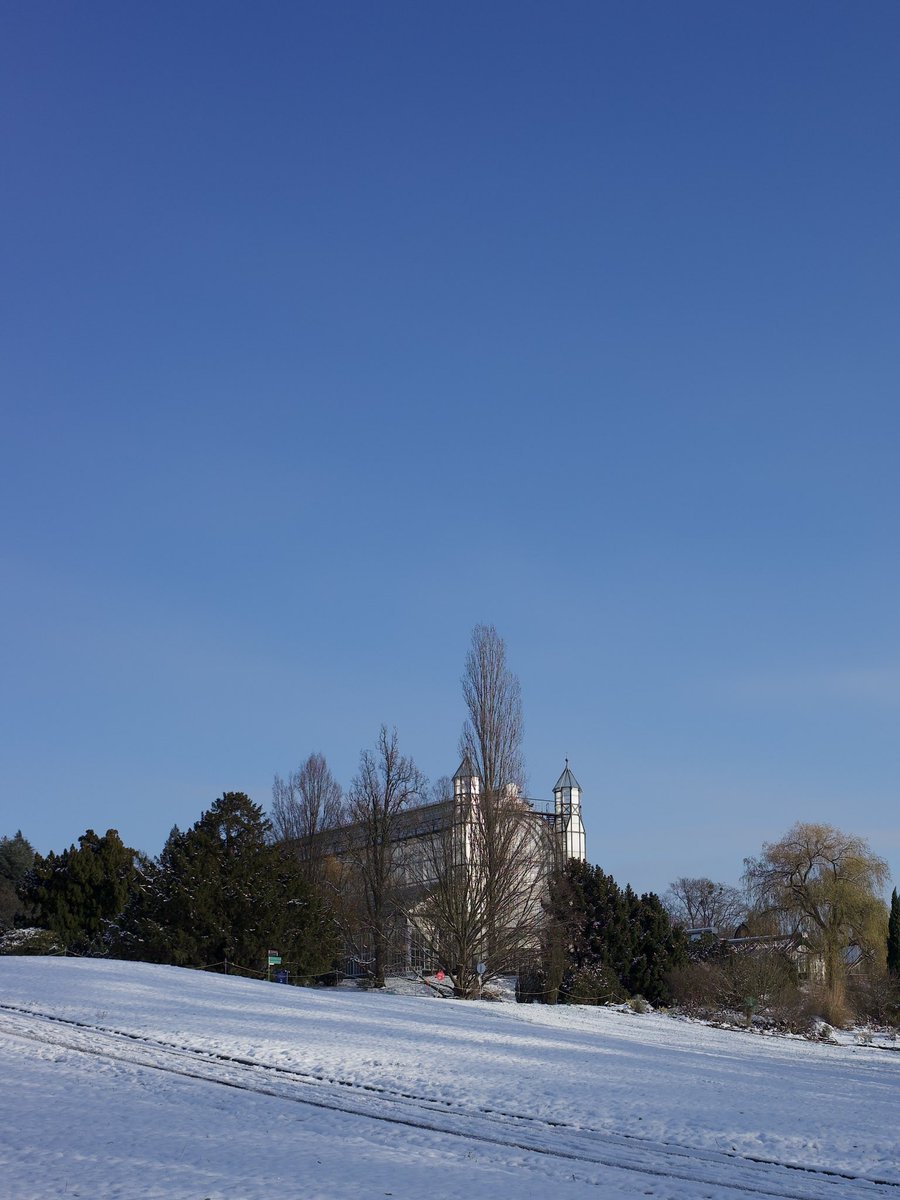
Mark your calendars! The 2nd International BioMove Symposium is on the horizon, where we'll explore the fascinating intersection of biodiversity and movement ecology. See you in Potsdam, Germany, from Feb 28 - Mar 1, 2024.🌍🐾 #BioMove2024#BioMoveSymposium2024
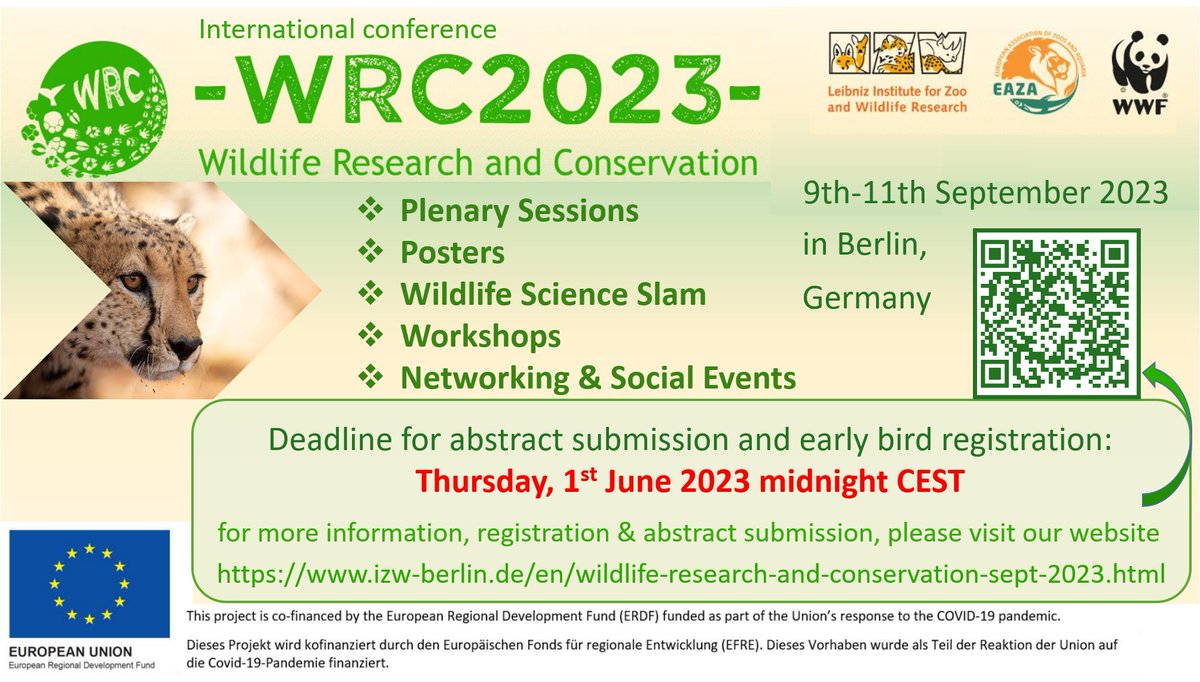
Ready, steady, go! The wait is over. Online registration and abstract submission for WRC 2023 is now open! Find all the information here:
---> https://t.co/uVvUNDtZxc
@WWF_Deutschland@EAZAFund@LeibnizWGL
Huge congratulation to BioMove PhD @KatrinKiemel who defended her thesis "Zooplankton adaptations and community dynamics in space and time". Well done Katrin and all the best for the PostDoc in Tokyo!
When small patches are also used as stepping stones for juvenile dispersal, this further enhances diversity, which in our study was measured as coviability (time until less than half of the initial species exist). Hence, landscapes with large and small patches should be the aim!
Recently, our PhD students @l_szangolies
and Marie-Sophie Rohwäder published an article on the SLOSS debate. They found that single large AND several small patches promote coexistence in simulated small mammal communities. #biodiversity#coexistence#IBM
https://t.co/4exwRebYXR