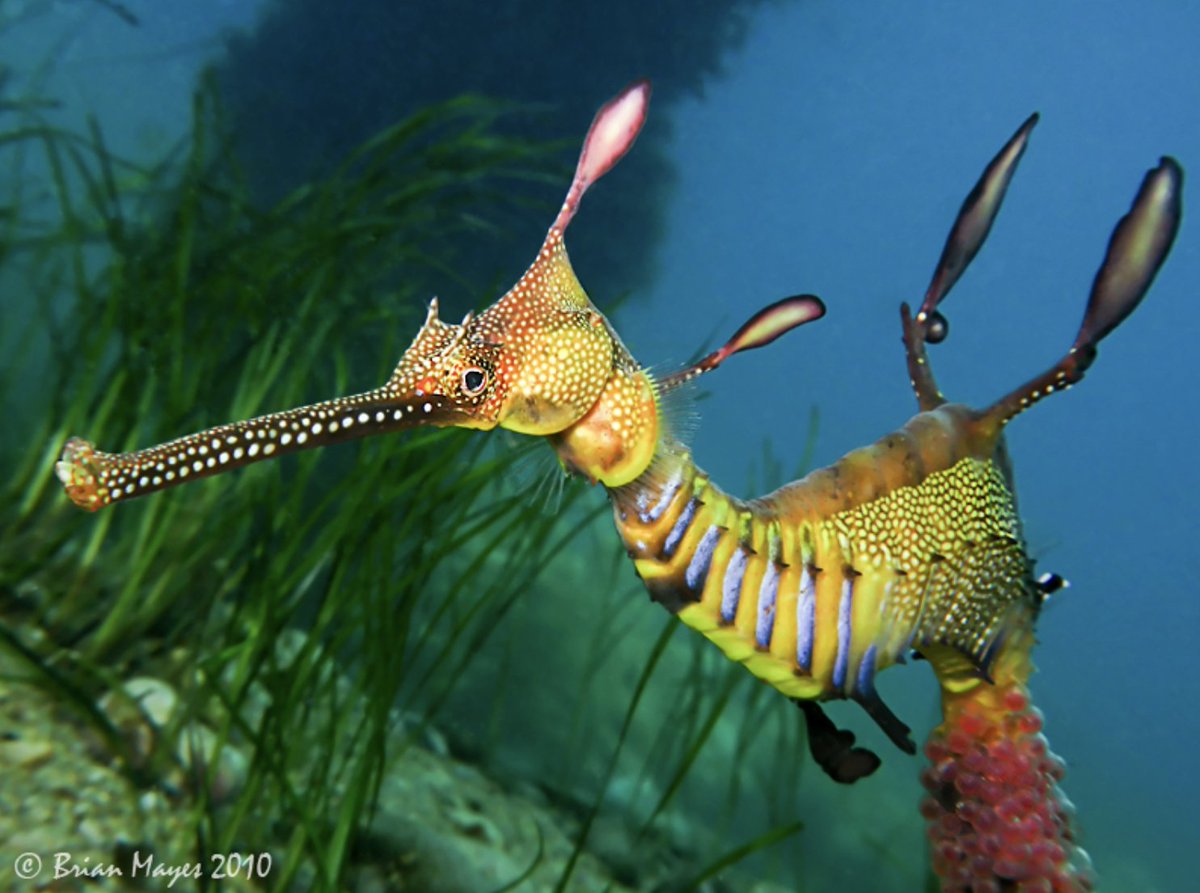
Meet Phyllopteryx taeniolatus, the weedy seadragon, a fascinating fish found along the South coasts of Australia. Unlike its close relative, the seahorse, it has leaf-like protrusions on its body that provide excellent camouflage among seaweeds. #Biodiful#SeaDragon
1/5
If you're lucky enough to see a weedy seadragon in the wild, be sure to approach it gently and respectfully. Never touch or disturb them, and avoid using flash photography or bright lights, as this can startle and disorientate them. #RespectWildlife#LeaveNoTrace
4/5
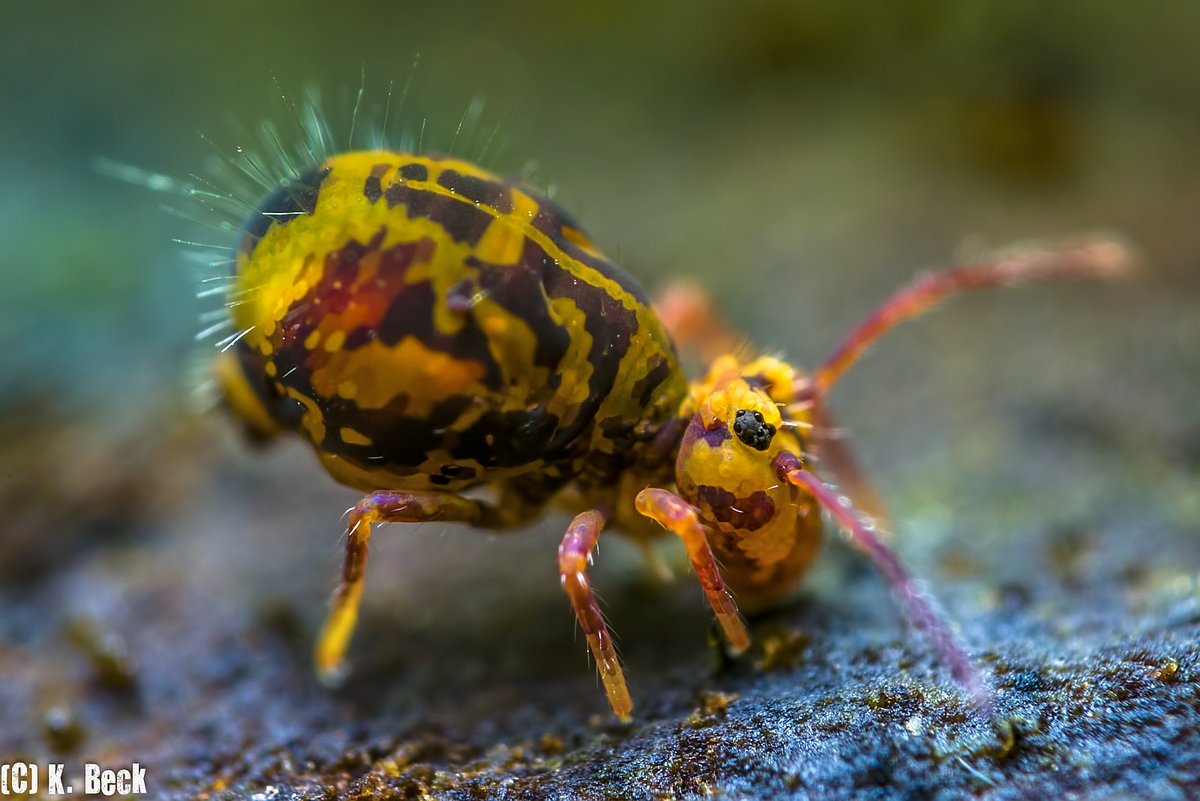
Meet Dicyrtomina ornata, a tiny #arthropod that belongs to the #collembola family, commonly known as springtails. These creatures are found all over the world and play an essential role in the ecosystem.
1/5
Despite their small size, #collembola are an essential component of ecosystem. They help to decompose organic matter, improve soil structure, and provide food for other creatures. They represent with #mites 95% of the total biomass of soil #arthropod worldwide !!!
4/5
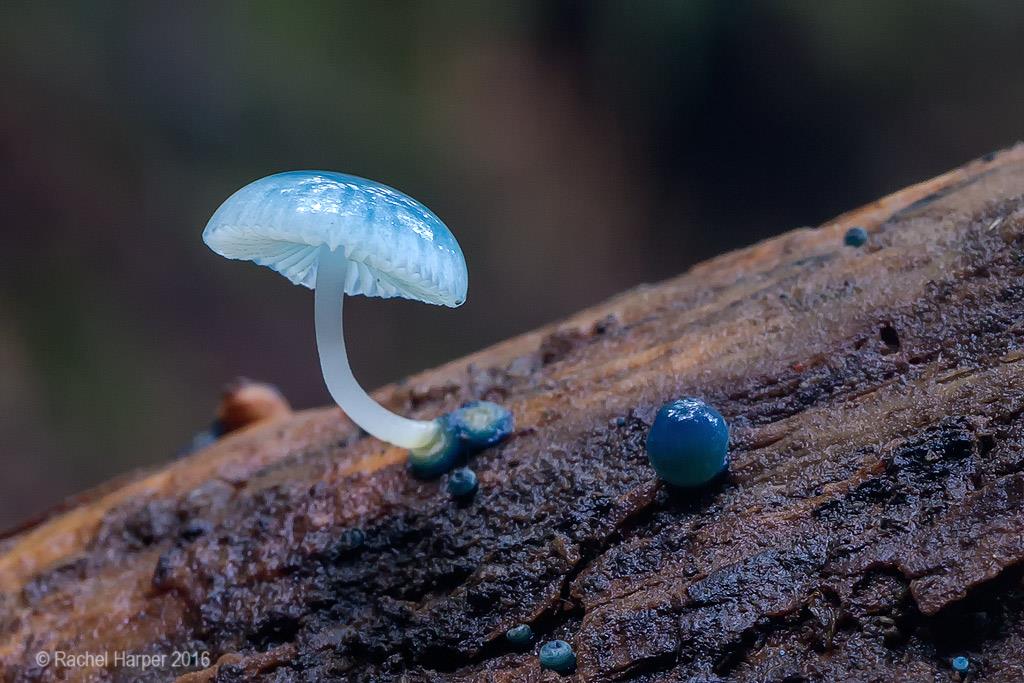
Meet Mycena cyanocephala one among the many #mushroom within the Mycena #fungi genus. They are small #saprotrophic mushrooms rarely more than a few centimeters in width. They are characterized by a small blue cap, and a thin fragile stem. #Biodiful
1/5
#Saprotrophic mushrooms are nature's recyclers, breaking down dead organic matter to release nutrients back into the ecosystem. They are vital for maintaining a healthy balance in the ecosystem. #recyclers#nutrientcycle#environment
4/5
Meet Pipa pipa (the Surinam toad) a fascinating #frog from South America. Unlike most frogs, the Pipa pipa doesn't have a tadpole stage. Instead, the female lays her eggs on her back, where they develop and hatch as fully-formed froglets ! #Biodiful
1/4
Meet Haematopota pluvialis, aka the "Rain Fly", a widespread biting horsefly in the Northern Hemisphere; they can be a nuisance to humans but they also play an important role in the health and vitality of wet lands ecosystems.
1/4
They are a food source for birds and bats. They also contributes to the pollination of flowers. Their larvae feed on organic matter, which contributes to the nutrient cycling. The bird nuthatch, only feed on Haematopota pluvialis during their breeding season.
3/4