The European Starling
The European Starling is a black bird with a glossy plumage and distinctive iridescent sheen. They are really beautiful, tbh, BUT they’re a prime example of how ‘too much of a good thing is a bad thing’.
Read more: https://t.co/HGl1AYNmrj
Ah, the European Starling - a bird that elicits mixed emotions from people across North America. While they may not be everyone's cup of tea, there's no denying that they have an interesting backstory.
Read more here: https://t.co/HGl1AYNmrj
Latest article is live on my Substack!
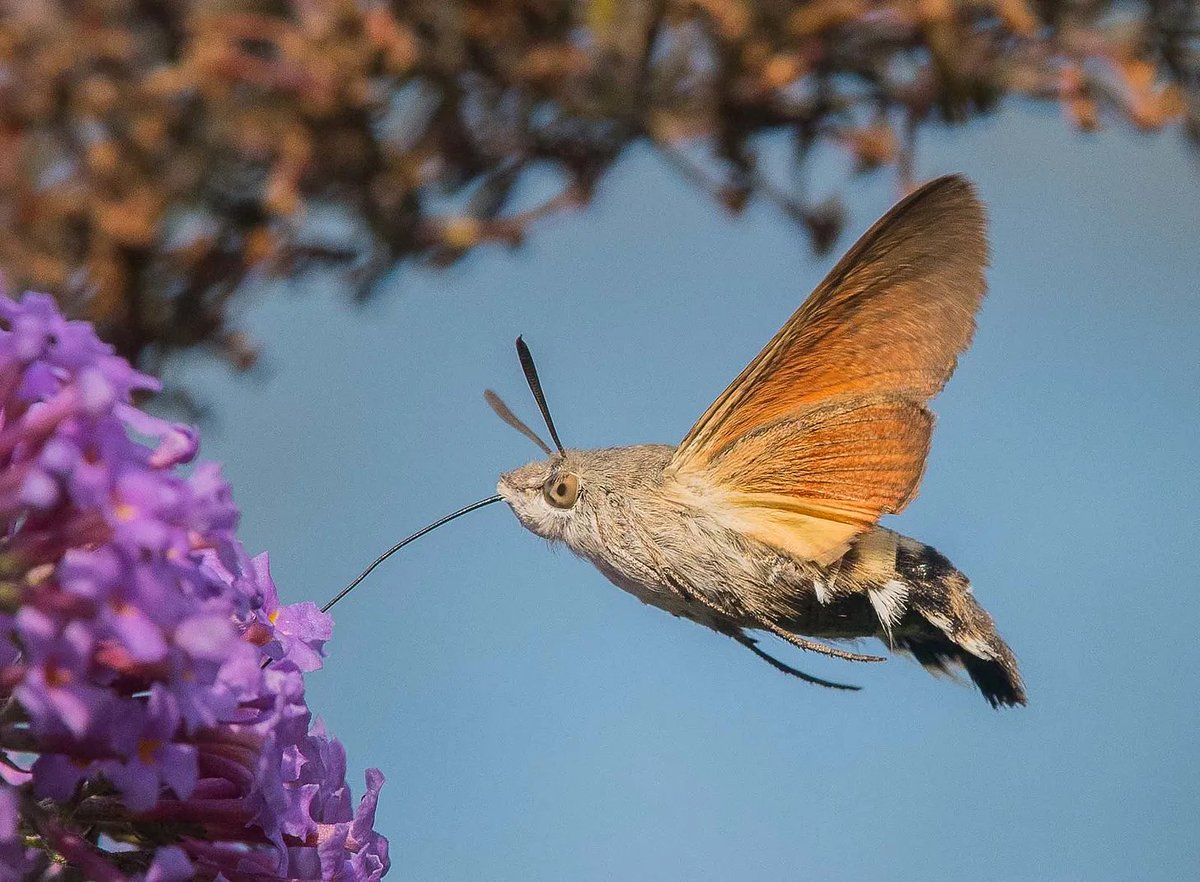
Not a hummingbird, but a moth!
Commonly mistaken for Hummingbirds, these moths are pretty cool too - and they teach us a lot about nature!
https://t.co/ZpJn52s7Uw
Did you know that hummingbird corpses are being used in sex voodoo?? :O
These tiny fliers are generally seen as good omens! But recently, they have also been used in… SEX VOODOO!!!!
Read all about it here! https://t.co/1zWLhWKmcn
Oops! A little late, but check out my last post on #BirdFunFacts for the month of April, which I have designated as #hummingbird month on my blog: https://t.co/1zWLhWKmcn
Other content you can look out for:
What hummingbird heartbeats can teach us about being alive: It seems that among all animals (including humans), a heart is wired to die out after a certain number of heart beats.
That means an animal with a slower-beating heart lives longer than a fast-beating heart. And since hummingbirds have one of the fastest heartbeats in the world, what does that mean for their short, magnificent lives?!
This April, you can expect a bunchhhh of #hummingbird-related content, such as: 1) How hummingbirds slow down their heart rate by over 95% when they rest; existing in a state in between sleep and death! :O
https://t.co/PcP05dCRi6
I am doing my first themed 'series' of articles on Bird Fun Facts: on hummingbirds! :D
https://t.co/PcP05dCRi6
Get PUMPED for a month of hummingbird content! ^-^
Did you know animals are capable of 'virgin births?'
This act is colloquially called virgin birth, but in the world of science, it’s called parthenogenesis or asexual reproduction -- aka a clone of the mother!
Read it here: https://t.co/gxN8FbeIP5