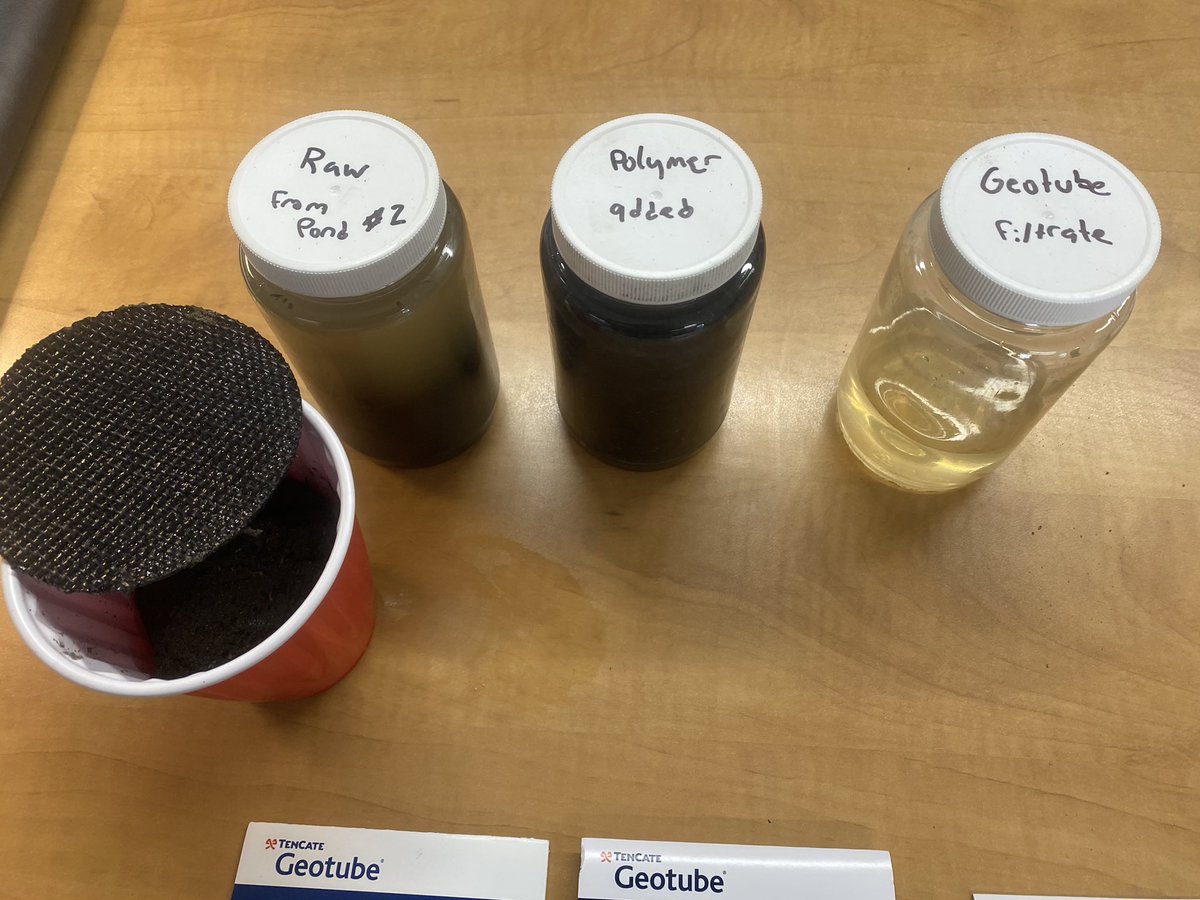
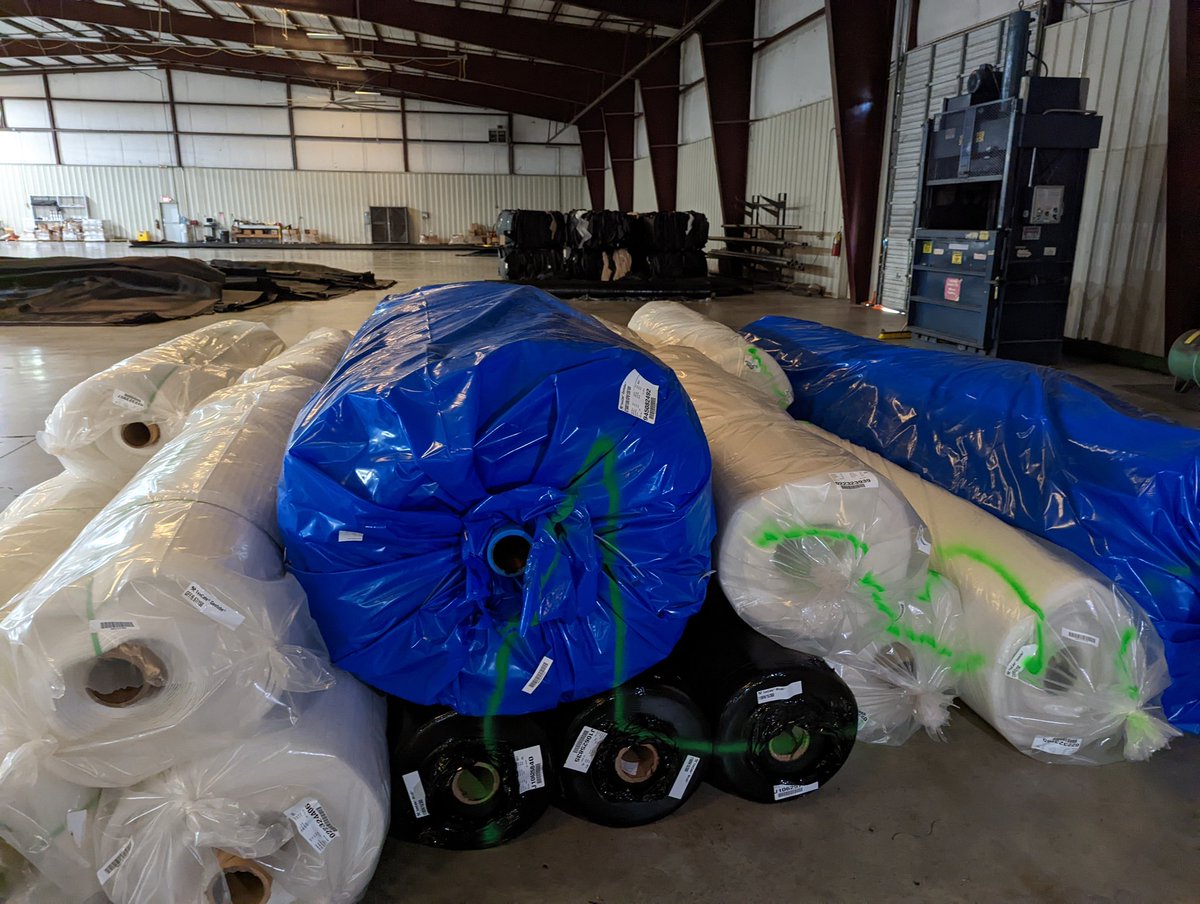
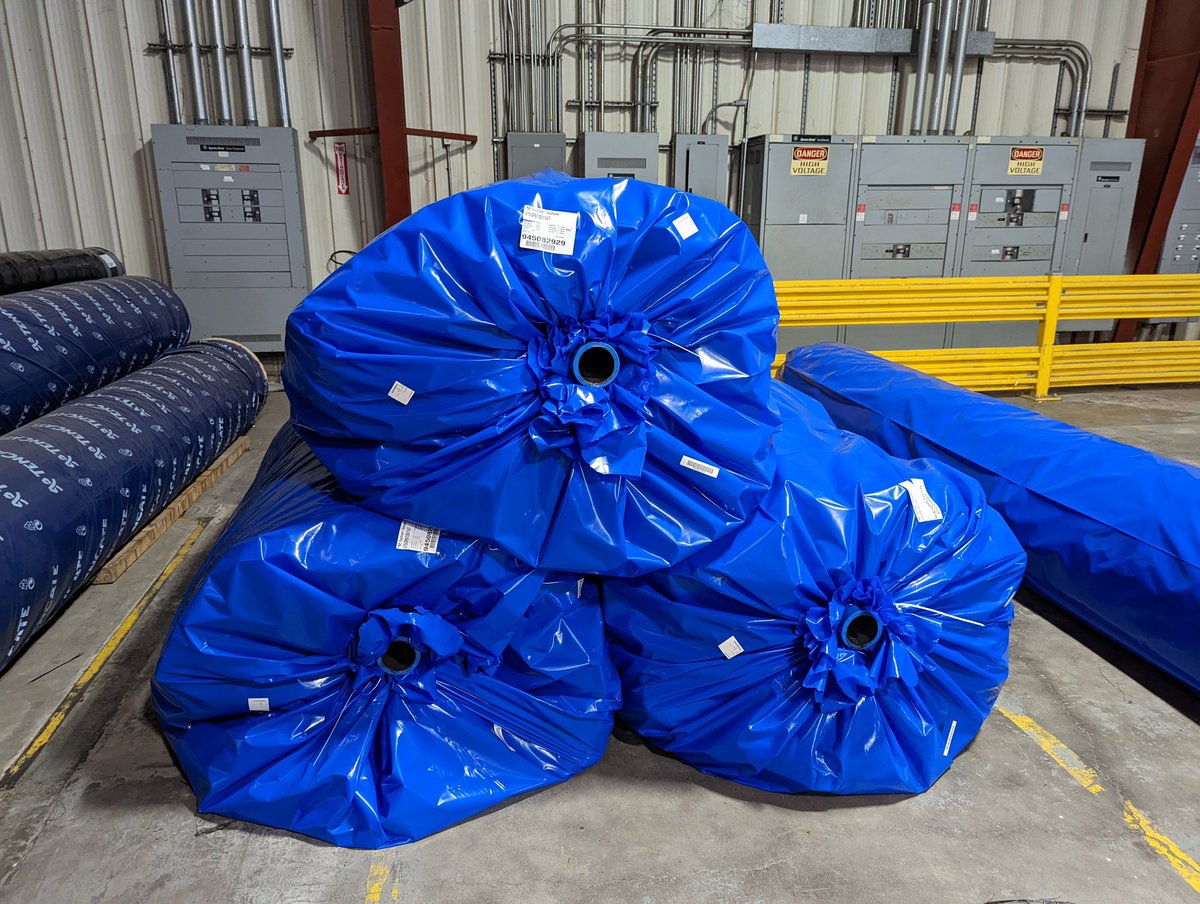
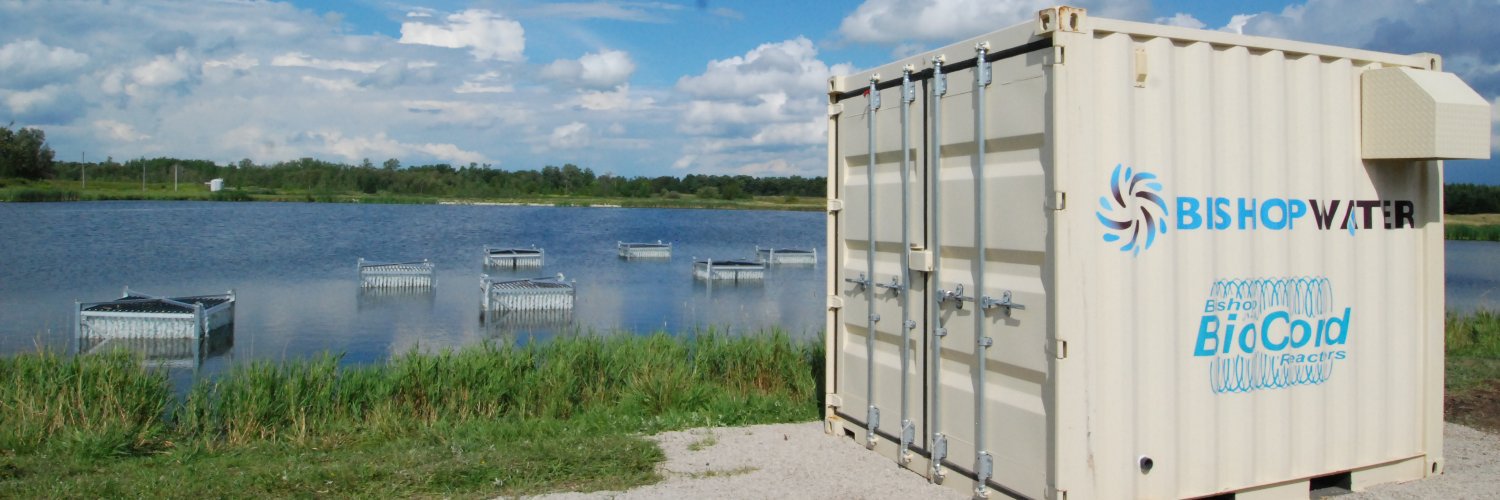
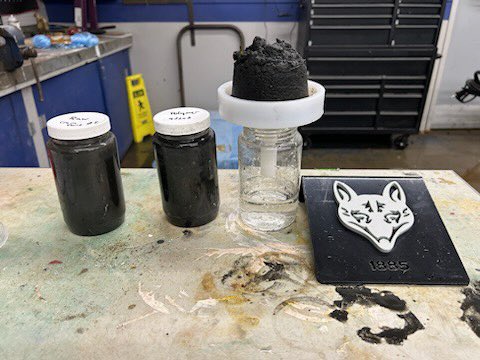
After decades of sludge accumulation, we are investigating NEW ways to clean, de-muck and filter aquatic materials while returning our pond ecosystems to vibrant habitats…this geo-dredging, dewatering/polymer & geo tube system could ✅ all the boxes…💭🤔 #BishopWater
1) A thread: Last spring, this video of a home collapsing into the ocean in Rodanthe, N.C., went viral. It was the third to fall in a brief period. It got me wondering how folks in that part of the Outer Banks are facing rapid erosion. So I went to see.
https://t.co/rX1pmMR9ek
In Outlook SK Don Burgess of DWG process, talking about how to look at your lagoon for wastewater treatment
Thanks to the guys at the town of Outlook for a great day.
Thanks to SWWA for inviting us
Bishop Water will join a team of environmental remediation specialists to complete targeted dredging of Chedoke Creek in Hamilton, ON. The project aims to remove over 10,000 m3 of nutrient-rich contaminated sediment from a section of the creek. Learn more: https://t.co/3bQx5BacXM
We're moving!
Bishop Water is growing faster than ever, which means we need more space for people, products and production.
As of July 1, 2022 our new address will be:
203-16 Edward St. S
Arnprior, Ontario, K7S 3W4.
Drop by and visit us!
https://t.co/JAkBONchie
Learn why our Bishop Solids Mgmt. Sol'n with Geotube containers provides more efficient and cost effective dewatering of sludge and process residuals than spinning, squeezing or solar drying. https://t.co/a25IVVosEb
We are delighted to welcome Ross McDonald, our new Operations Manager. He will be working with our on-site teams, overseeing the planning and delivery of projects for our portfolio of simple, low-energy nutrient removal and solids management solutions. https://t.co/JAkBONchie
How much can a phosphorus coagulant influence the performance of a WWTP's UV system? A lot more than you might think. After switching to ClariPhos, UVT at an Ontario WWTP was consistently above 60%, enabling better E. coli disinfection. Learn more. https://t.co/Aek5OL29lb
Many industries produce waste streams with high levels of ammonia. But onsite lagoons can struggle in cold weather to achieve sufficient ammonia removal. BioCord™ Reactors can help quickly boost performance and maintain it during cold weather. Learn more. https://t.co/O9cveRYXFP
A water treatment plant (WTP) can generate a lot of residuals. Conventional equipment to separate and dewater those residuals is often costly, but not for the Perth WTP. Learn how our simple, low-energy solution saved $6 million in CAPEX for Perth. https://t.co/gmmU16A6jP
Amazing discovery after workers drain a lagoon for maintenance! What was thought to be a pipe or a series of rocks actually turned out to be a 250-million-year-old ichthyosaur skeleton.https://t.co/vK7IhwFTx2
In the winter, many WW lagoons struggle to meet ammonia discharge regs since the microbes that provide nitrification slow down, or die off. BioCord installs directly into lagoons to give a simple, low-energy boost to winter lagoon performance. Learn more. https://t.co/rfhDLOvnL7
North Rustico WWTF used to haul away as many as three truckloads of waste sludge per week, which was mostly water and cost the town nearly $50,000 annually. Learn how the Bishop Solids Mgmt. Solution improved sludge handling and eliminated costly hauling. https://t.co/kQjLQRCmB2
Phosphorus removal has never been better for an Ontario cheese producer after switching to ClariPhos™ Rare Earth Coagulant for its onsite MBR. Learn how ClariPhos improved plant performance, eliminated tertiary filtration and enhanced operator safety. https://t.co/CTSPc7iyxG
Lagoon sludge cleanouts are more than just pumping and dewatering. Watch our short video to learn how we plan and deliver lagoon sludge cleanouts with the Bishop Solids Management Solution and the advantages it offers over other approaches.
https://t.co/dT3A3ryckm
Why does freezing improve the dewatering performance of our Bishop Solids Management Solution? Once thawing begins in the spring, those previously frozen Geotube® containers can give up a lot of water—in some cases up to 50% of their volume. Find out why. https://t.co/bykxq4cMfk