Why Sustainable Growth Takes Time
In Web3, rapid growth often attracts attention. Sustainable growth earns trust. Building a lasting ecosystem isn't about reaching milestones as quickly as possible. It's about making steady progress, strengthening the foundation, and ensuring that each stage supports the next. Growth that lasts is built through patience and purpose.
Sustainable development depends on:
- clear long-term planning
- technology that evolves step by step
- practical utility that expands over time
- an engaged community that grows naturally
- decisions made with the future in mind
When growth is supported by strong fundamentals, an ecosystem is better positioned to adapt, expand, and create lasting value for its participants. The strongest ecosystems aren't built overnight. They are built through consistent decisions that continue to create value year after year.
The BitEvolution roadmap reflects a phased approach to development, with each milestone contributing to the long-term evolution of the ecosystem rather than focusing on short-term results.
Fast growth may capture attention. Sustainable growth builds the future.
Why User Experience Matters in Blockchain Adoption
Blockchain technology can be powerful. But if it's difficult to use, many people will never experience its full potential. For Web3 to reach a broader audience, technology must become more accessible. Clear interfaces, straightforward processes, and intuitive design help reduce complexity and allow users to focus on what matters most: the value the ecosystem provides.
A strong user experience is built on:
- simple and intuitive interactions
- clear navigation and communication
- reliable platform performance
- accessible onboarding for new participants
- technology that supports users instead of confusing them
The future of blockchain adoption depends not only on technical innovation, but also on making that innovation practical for everyday use.
As Robert Fitzgerald, Founder of BitEvolution, says:
"The best technology is technology that people can use with confidence. Simplicity is not a shortcut. It's part of good design."
BitEvolution is being developed with a focus on practical utility and long-term accessibility. As the ecosystem expands, creating a user-friendly experience will remain an important part of helping more people participate with confidence.
Technology attracts attention. Great user experience keeps people engaged.
How Digital Ecosystems Create Network Effects
The value of a digital ecosystem doesn't come from the number of users alone. It comes from the connections between them. As more participants engage with an ecosystem, new interactions become possible. Users access services, creators contribute content, developers build new solutions, and every addition strengthens the overall network. This is the foundation of network effects.
Strong network effects are supported by:
- meaningful utility
- active community participation
- connected products and services
- opportunities for collaboration
- continuous ecosystem expansion
Unlike standalone products, ecosystems become more valuable as relationships between participants grow. The focus is not simply on increasing numbers, but on creating an environment where every new connection has the potential to benefit the wider community. The real strength of an ecosystem is measured by the value its participants create together, not by the size of the network alone.
BitEvolution is being developed as an ecosystem where EVL supports multiple platform functions and future integrations. As new services and participants become part of the ecosystem over time, the connections between them can create additional opportunities for collaboration and utility.
An ecosystem grows one participant at a time. Its true value grows through the connections they create together.
The Value of Consistency in Web3 Development
👁 Innovation often gets the spotlight in Web3. Consistency is what turns innovation into lasting progress. Building a successful ecosystem isn't about making the biggest announcement or introducing new features as quickly as possible. It's about delivering steady improvements, following a clear strategy, and maintaining focus over time.
Consistent development helps create:
- predictable long-term progress
- greater confidence within the community
- a stronger foundation for future expansion
- reliable platform evolution
- sustainable ecosystem growth
Each milestone builds on the one before it. Over time, these incremental steps create an ecosystem that is better prepared for new opportunities and future development.
As Robert Fitzgerald, Founder of BitEvolution, says:
"Long-term success isn't built through occasional breakthroughs. It's built through consistent progress, one milestone at a time."
The BitEvolution roadmap reflects this philosophy by outlining development as a series of planned stages, with each phase contributing to the long-term growth of the ecosystem.
Consistency may not generate the biggest headlines, but it is often what builds the strongest ecosystems.
Why Ecosystems Outlast Individual Products
⚙Products can solve a single problem. Ecosystems create an environment where multiple solutions work together.
In the digital economy, individual products may evolve, change, or even disappear over time. But a well-designed ecosystem can continue growing by adding new services, expanding functionality, and creating new opportunities for its community. This is what gives ecosystems long-term resilience.
🏗 A strong ecosystem is built on:
- connected products and services
- active community participation
- continuous innovation
- practical utility
- a shared long-term vision
Instead of relying on one feature or one product, ecosystems create value through the way everything works together.
💬 Each new service strengthens the network. Each new participant contributes to its development. Over time, the ecosystem becomes more valuable because of the connections it creates. Individual products may evolve, but strong ecosystems continue to grow by connecting people, technology, and opportunity.
BitEvolution is designed with this long-term perspective in mind. EVL is not intended to support a single application, but to serve as the utility token across an expanding ecosystem of services and future integrations.
🤝 Products create value. Ecosystems multiply it.
Why Public Token Sales Should Follow Ecosystem Development
A public token sale is an important milestone.
But it shouldn't be the starting point.
The strongest ecosystems focus on building technology, defining utility, and growing an active community before inviting broader market participation. When the foundation is already in place, a public token sale becomes part of a larger strategy rather than the project's only objective.
A development-first approach helps create:
- a clearer purpose for the token
- stronger ecosystem utility
- greater community engagement
- more transparent long-term planning
- a foundation for sustainable growth
А token should represent an ecosystem that already has direction, not simply an idea waiting to be developed.
As Robert Fitzgerald, Founder of BitEvolution, says:
"A public token sale should introduce an ecosystem that is already creating value, not one that is only beginning its journey."
The BitEvolution distribution model reflects this approach. The first phase focuses on participation through the Invite Network, where EVL is earned through ecosystem activity and network growth. The public token sale is planned for the next stage, following this initial phase.
Build the ecosystem first. Then invite the market to become part of it.
Why Governance Should Come After Ecosystem Maturity
Decentralized governance is one of the defining ideas of Web3. But effective governance is not something that should be introduced on day one. It becomes most valuable when an ecosystem has reached a level of maturity supported by active participants, established infrastructure, and clear utility.
Successful governance depends on more than voting.
It requires:
- an engaged community
- a well-developed ecosystem
- transparent processes
- meaningful participation
- shared long-term goals
When these foundations are in place, governance can help communities take a more active role in shaping the future of the ecosystem.
❗️ Introducing governance too early, before there is sufficient participation or practical utility, may limit its effectiveness. A strong ecosystem is built first. Governance can then become a natural next step in its evolution. Governance has the greatest impact when it grows from a strong ecosystem, not before it.
According to the BitEvolution roadmap, governance exploration is planned as part of the ecosystem's maturity phase, reflecting a long-term approach to community participation and development.
Communities don't become stronger because they can vote. They become stronger because they have built something worth shaping together.
What Institutional Readiness Means for a Crypto Project
Institutional readiness is not defined by one partnership, one listing, or one announcement. It is the result of building an ecosystem that can support a higher level of scale, structure, and responsibility.
As crypto projects mature, the expectations around them change. Technology must be reliable. Operations must become more structured. Market infrastructure, transparency, security, and long-term planning become increasingly important.
Institutional readiness can involve:
- stronger technical infrastructure
- clear operational processes
- security and risk management
- transparent ecosystem development
- scalable market infrastructure
Reaching this stage takes time. A project must first build its foundation, develop real utility, grow its community, and strengthen the systems that support long-term expansion.
As Robert Fitzgerald, Founder of BitEvolution, says:
"Institutional readiness is not a title. It is the result of years of building, testing, and preparing for the next level of growth."
The BitEvolution roadmap identifies 2028–2029 as an Institutional Phase, with planned development areas including CEX applications, market making, DeFi integrations, and advanced cross-chain infrastructure.
Institutions look beyond attention. They look for structure, reliability, and the ability to grow responsibly.
How Transparency Reports Strengthen Community Confidence
Trust grows when people can see how an ecosystem is developing. In Web3, communities often follow projects over long periods of time. They want to understand what has been achieved, what is still in progress, and how development compares with the original roadmap.
This is where transparency reports can play an important role.
Regular reporting can help provide:
- clearer development updates
- greater accountability
- better understanding of ecosystem progress
- open communication with the community
- stronger long-term confidence
Transparency does not mean that every stage of development will happen without challenges or changes. It means communicating progress clearly and giving the community a better view of how the ecosystem is evolving. Transparency is not about showing only successes. It is about giving the community a clear view of the journey.
According to the BitEvolution roadmap, transparency reports are planned as part of the Growth & Adoption phase, alongside community growth, partnerships, and expanded utility.
Strong communities are built on participation. Strong confidence is built on clarity.
Why Web3 Partnerships Need Practical Integration
A partnership announcement can create attention.
But attention alone does not create value. In Web3, the strongest partnerships are built around practical integration. They connect technologies, services, communities, or infrastructure in ways that create new opportunities for participants.
A meaningful partnership can support:
- expanded ecosystem utility
- access to new technologies and services
- stronger infrastructure
- broader community reach
- new opportunities for long-term development
The real question is not how many partnerships an ecosystem has. It is what those partnerships actually make possible. When two projects work together with a clear purpose, the result can be greater than visibility alone. Integration can improve the user experience, expand functionality, and create connections between different parts of the Web3 economy.
As Robert Fitzgerald, Founder of BitEvolution, says:
"The strongest partnerships are not built for announcements. They are built to create something useful."
For BitEvolution, ecosystem and strategic partnerships are part of the long-term development roadmap, supporting future growth and broader integration.
A logo on a partnership announcement is only the beginning. Real value starts when the integration begins to work.
How Cross-Chain Bridges Expand Ecosystem Reach
Blockchain ecosystems are growing across many different networks. While each blockchain offers its own strengths, users increasingly expect their assets and applications to move seamlessly between them. This is where cross-chain bridges play an important role.
A cross-chain bridge connects separate blockchain networks, making it possible for ecosystems to expand beyond a single chain and reach a wider community of users.
Cross-chain connectivity can support:
- broader ecosystem accessibility
- greater flexibility for users
- access across multiple blockchain networks
- improved interoperability
- opportunities for future ecosystem growth
As blockchain adoption continues to grow, interoperability is becoming just as important as innovation. Connected ecosystems can create a smoother experience for participants while opening the door to new partnerships and services.
As Robert Fitzgerald, Founder of BitEvolution, says:
"The future of Web3 is built on connection. The strongest ecosystems will be those that can bring different networks together."
The BitEvolution roadmap includes future expansion through Ethereum and Polygon bridges, supporting the long-term vision of creating a more connected and accessible ecosystem.
The more connected an ecosystem becomes, the more opportunities it can create for its community.
⚡️Important Update from BitEvolution⚡️
We are enhancing the transparency of our system so that our clients can receive more comprehensive information about asset movements and profit generation.
From now on, the system will display more detailed information, including fund allocation, trade details, the exchanges used, generated profits, and transaction history.
The Role of Market Making in Mature Crypto Ecosystems
♻️ A healthy crypto market depends on more than buyers and sellers. Behind many mature digital asset ecosystems, market making helps create a more efficient trading environment by supporting liquidity and improving the trading experience.
🔖 The goal is not to influence the market. The goal is to help maintain an active market where participants can buy and sell with greater efficiency.
Market making can contribute to:
- improved market liquidity
- more efficient trade execution
- reduced bid-ask spreads
- greater trading accessibility
- a healthier market structure
↗️ As an ecosystem grows, liquidity and market efficiency become increasingly important. Combined with strong utility, active participation, and transparent development, they help create a stronger foundation for long-term growth.
A mature ecosystem is supported by infrastructure that helps participants interact with the market more efficiently. According to the BitEvolution roadmap, market making is planned as part of the ecosystem's institutional development phase, alongside broader infrastructure expansion.
Strong ecosystems are built not only through innovation, but also through the infrastructure that supports sustainable market activity.
How Digital Collateral Can Work Inside Web3 Ecosystems
🆕 As blockchain technology evolves, digital assets are taking on new roles. One of the most important is their use as collateral within Web3 ecosystems.
Digital collateral allows assets to support different platform functions while remaining part of a broader economic model. Instead of serving only as a means of transfer, digital assets can help unlock additional opportunities across decentralized services.
Digital collateral can support:
- access to ecosystem services
- participation in financial products
- greater capital efficiency
- expanded platform functionality
- a more connected digital economy
⚖️ The value of digital collateral is not simply in holding an asset. It comes from how that asset can be integrated into an ecosystem to support practical use cases and create additional utility.
📊 The future of digital assets is not defined by ownership alone, but by how effectively they can support real participation within an ecosystem. Within the BitEvolution ecosystem, EVL is designed with collateral as one of its intended utility functions, alongside payments, platform access, reward distribution, staking, trading strategy access, and future integrations.
The more ways a digital asset can contribute to an ecosystem, the greater its long-term utility becomes.
Why CEX Listings Are Usually a Later-Stage Goal
For many blockchain projects, a centralized exchange listing is seen as a major milestone. But successful ecosystems understand that timing matters.
A CEX listing is often more effective when it follows a period of ecosystem development, community growth, and expanding utility. By that stage, the project has had more time to strengthen its infrastructure, attract active participants, and demonstrate real use cases.
Reaching this stage typically involves:
- building a stable ecosystem
- growing an engaged community
- expanding token utility
- strengthening market infrastructure
- maintaining transparency and long-term planning
A listing can increase visibility and accessibility, but it does not define the quality of a project. The long-term success of any ecosystem depends on what it delivers before and after that milestone.
As Robert Fitzgerald, Founder of BitEvolution, says:
"Milestones are meaningful when they reflect real progress. Sustainable growth always comes before expansion."
Within the BitEvolution roadmap, centralized exchange applications are planned as part of a later stage of ecosystem development, following continued growth, partnerships, and infrastructure expansion.
Strong ecosystems don't rush every milestone. They reach them when the foundation is ready.
How DEX Listings Support Early Market Access
For many blockchain projects, the journey begins on a decentralized exchange. DEX listings provide an accessible way for participants to interact with a token while supporting the early growth of the ecosystem. They allow users to trade directly from their own wallets, maintaining control of their assets throughout the process.
A DEX listing can help provide:
- early market access
- decentralized trading opportunities
- direct wallet-to-wallet transactions
- greater accessibility for global participants
- a foundation for ecosystem growth
For emerging ecosystems, decentralized exchanges often represent the first step toward broader market participation. As adoption grows, additional milestones such as expanded utility, partnerships, and future exchange listings can build on that foundation. Every stage of growth has its purpose. Early market access should support the ecosystem, not define it.
Within the BitEvolution roadmap, a PancakeSwap listing is planned as part of the ecosystem's launch phase, providing an initial marketplace for EVL while supporting the project's long-term development strategy. A listing is an important milestone.
But lasting success comes from what the ecosystem builds after the listing, not simply from the listing itself.
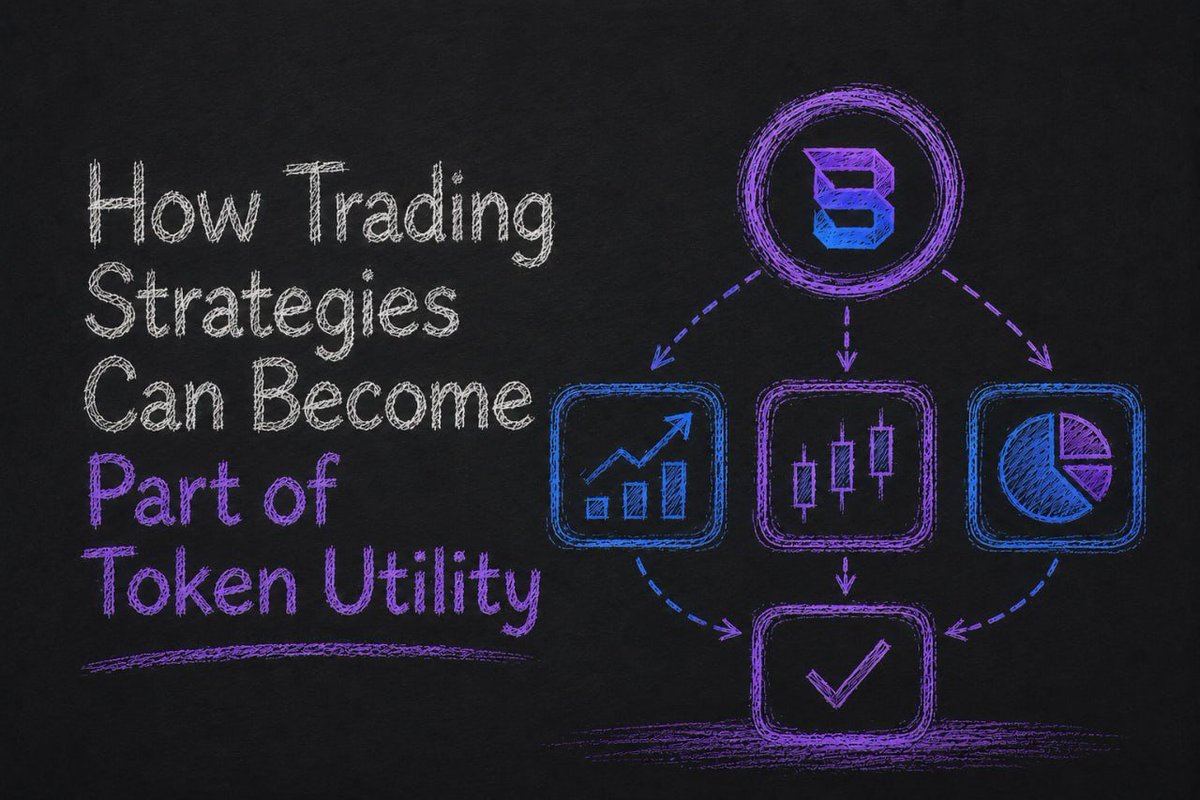
How Trading Strategies Can Become Part of Token Utility
A utility token should create value beyond simple ownership. One way to achieve this is by connecting the token to services that users actively engage with, including trading tools and strategies.
🌪 When access to trading features becomes part of an ecosystem, the token evolves from being just a digital asset into a key that unlocks additional functionality.
Trading-related utility can include:
- access to trading strategies
- participation in platform services
- ecosystem rewards
- integrated financial tools
- a more connected user experience
🛡️ The goal is not to encourage excessive trading. The goal is to provide practical services that give the token a meaningful role within the ecosystem and create value through real use.
A utility token becomes stronger when it connects people with services they can use, not simply assets they can hold.
Within the BitEvolution ecosystem, EVL is designed to provide access to trading strategies alongside payments, platform services, rewards, and future integrations. Every new use case strengthens the connection between the token and the ecosystem it supports.
The more practical the utility, the more valuable the ecosystem becomes.
Why Platform Access Is Becoming a Core Token Function
The role of utility tokens is evolving. Today, many blockchain ecosystems are moving beyond using tokens only for transactions. Increasingly, tokens are becoming the key to accessing products, services, and exclusive features within a platform. This approach connects utility directly to participation.
Platform access through a utility token can provide:
- entry to ecosystem services
- access to premium features
- participation in earning programs
- use of integrated trading tools
- opportunities within the broader ecosystem
When access is built into a token's purpose, ownership becomes more meaningful. The token is no longer just an asset held in a wallet. It becomes an active part of the user experience.
As Robert Fitzgerald, Founder of BitEvolution, says:
"The greatest utility comes when a token opens the door to opportunities that exist within the ecosystem."
📎 Within BitEvolution, EVL is designed to provide access to platform services alongside payments, staking, trading strategies, reward programs, and future ecosystem integrations. Every additional use case strengthens the connection between the community and the ecosystem.
A utility token delivers the greatest value when it helps people do more, not simply hold more.
Why Multi-Asset Staking Gives Users More Flexibility
🪙 Every crypto holder has different goals. Some prefer established digital assets, while others want to participate in emerging ecosystems. A multi-asset staking model gives users the flexibility to choose the assets that best match their strategy without limiting participation to a single token.
This approach allows participants to engage with an ecosystem while maintaining greater choice over the assets they hold.
Multi-asset staking can offer:
- greater flexibility for participants
- support for diversified portfolios
- easier access to ecosystem services
- broader participation opportunities
- a more inclusive staking experience
Different users have different preferences, and a flexible ecosystem should be able to accommodate them.
As Robert Fitzgerald, Founder of BitEvolution, says:
"Flexibility encourages participation. The more accessible an ecosystem becomes, the more opportunities it creates for its community."
Within the BitEvolution ecosystem, staking supports multiple digital assets, including EVL, BTC, ETH, BNB, SOL, XRP, TON, USDT, and USDC. This approach allows participants to engage with the platform using assets that already play a role in their digital portfolio.
More choice creates more opportunities. Greater flexibility helps strengthen the ecosystem.
What Makes a Staking Strategy Sustainable?
💰 Staking is often associated with earning rewards. But a sustainable staking strategy is about much more than daily returns. It should be designed to support both participants and the long-term health of the ecosystem.
The strongest staking models are built on balance. They provide opportunities for users while contributing to the stability and development of the platform over time.
A sustainable staking strategy is supported by:
- clear participation rules
- transparent reward mechanisms
- long-term ecosystem planning
- responsible risk management
- utility beyond rewards
💻 Rewards may attract attention, but long-term participation is driven by confidence in the ecosystem behind them. Sustainable staking is not about chasing the highest returns. It's about creating a model that benefits both participants and the ecosystem for years to come.
Within BitEvolution, staking is part of a broader ecosystem designed around participation, utility, and long-term development. It supports active engagement while contributing to a stronger and more connected digital economy.
The most sustainable staking strategy is one that grows together with the ecosystem it supports.